
When you pull a credit card out of your wallet, you are holding more than just a piece of plastic or metal; you are holding a sophisticated financial tool governed by global standards and unique proprietary systems. For most consumers, the sequence of numbers on the front or back of the card is something they only think about when making an online purchase. However, for those navigating the world of personal finance, understanding the specific structure of these numbers—particularly for American Express—is a gateway to understanding how the credit industry operates.
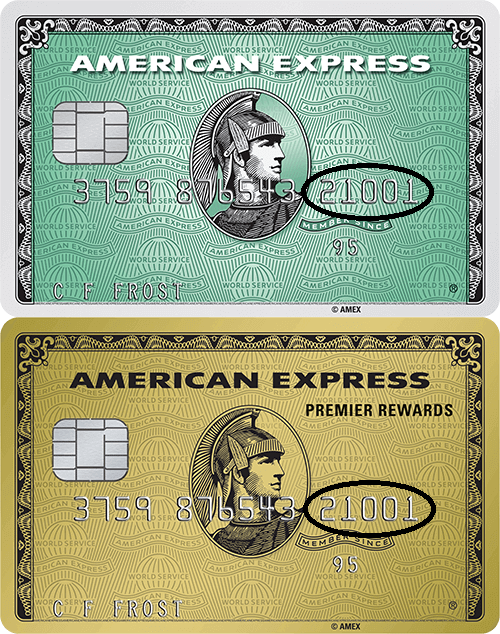
If you are wondering, “How many digits is an American Express card number?” the answer is 15.
While most credit cards, such as those issued by Visa, Mastercard, and Discover, follow a standard 16-digit format, American Express (Amex) has historically carved its own path. This distinction is not merely aesthetic; it is rooted in the company’s history as a travel and entertainment card and its unique role as both a card issuer and a payment network.
The Anatomy of an American Express Card Number
The 15-digit structure of an American Express card is far from arbitrary. Each segment of the number tells a story about the card’s origin, the network it runs on, and the specific account it represents. Understanding this anatomy is essential for anyone looking to deepen their financial literacy.
The Major Industry Identifier (MII)
The first digit of any credit card is known as the Major Industry Identifier. It categorizes the type of institution that issued the card. For American Express, the card number always begins with the digit 3. Specifically, Amex cards start with 34 or 37. In the world of finance, the “3” series is reserved for travel and entertainment industries, a nod to Amex’s legacy before it became the global financial powerhouse it is today. In contrast, Visa cards start with a 4 (Banking/Financial), and Mastercards typically start with a 5 or 2.
The Account Identification and Check Digit
Digits 3 through 14 are unique to the cardholder. These digits identify the specific account and the type of currency or card tier associated with the user. The final digit, the 15th digit, is known as the “Check Digit.” This number is calculated using the Luhn Algorithm, a mathematical formula used to validate that the card number is legitimate and has been entered correctly. If you have ever mistyped a digit while shopping online and received an instant error message, it is because the Luhn Algorithm detected that the 15-digit sequence was invalid.
The 4-Digit Card Identification Number (CID)
One of the most notable differences for Amex users is the security code. While Visa and Mastercard use a 3-digit CVV (Card Verification Value) located on the back of the card, American Express uses a 4-digit CID located on the front of the card, usually above the embossed account number. From a personal finance perspective, knowing where this number is located and understanding its role in “card-not-present” transactions is vital for protecting your account from unauthorized use.
Why American Express Differs from Visa and Mastercard
In the broader landscape of personal finance, American Express occupies a unique position. Most people view “credit cards” as a monolithic category, but the financial architecture behind Amex is significantly different from its primary competitors.
The Closed-Loop vs. Open-Loop System
The primary reason Amex uses a 15-digit format while others use 16 is related to their business model. Visa and Mastercard are “open-loop” networks. They do not issue cards directly to consumers; instead, they partner with banks (like Chase, Citi, or Bank of America) that issue the cards. These banks require a standardized 16-digit format to communicate across the network.
American Express, conversely, is largely a “closed-loop” network. In most cases, Amex acts as both the bank that issues the credit and the network that processes the transaction. Because they control both ends of the transaction, they have the flexibility to maintain their proprietary 15-digit system. For the consumer, this often results in a more integrated customer service experience, as there is no “middleman” bank to deal with when a dispute arises.
Merchant Acceptance and Processing Fees
For years, a common talking point in personal finance circles was the limited acceptance of American Express compared to Visa. This was due to the higher merchant discount rates (the fees businesses pay to accept the card). Amex justified these higher fees by providing merchants with higher-spending cardholders. Because the 15-digit format is unique, older point-of-sale (POS) systems sometimes required specific software updates to recognize Amex cards. Today, however, merchant parity is almost equal in the United States, meaning your 15-digit card is accepted at the vast majority of retailers.
Managing Your American Express Account for Maximum Financial Health
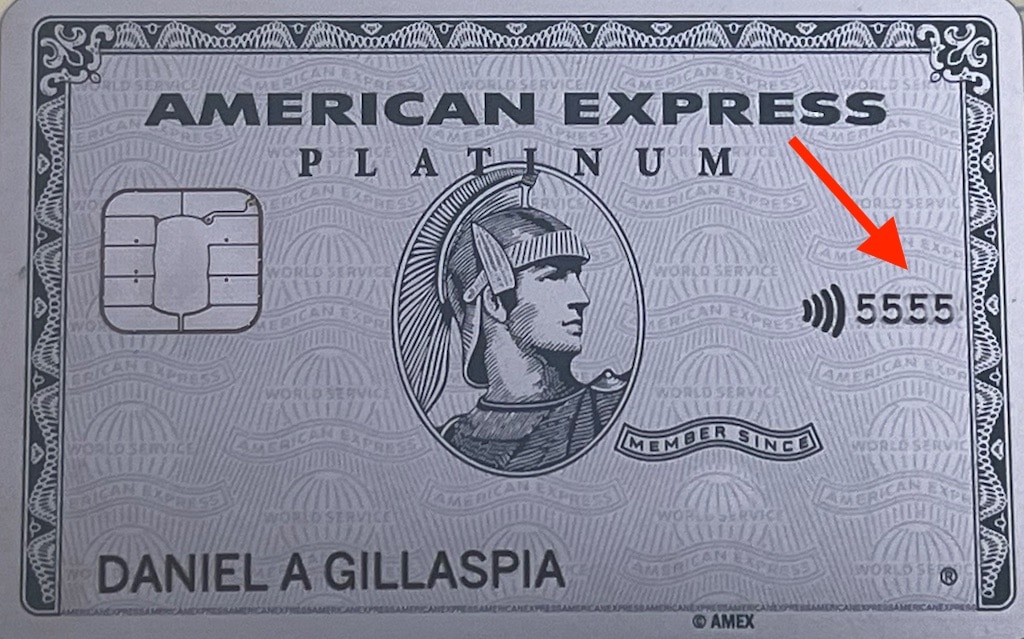
Knowing the number of digits on your card is the first step; knowing how to manage the financial responsibility that comes with it is the next. American Express offers a suite of tools that, when used correctly, can significantly enhance your credit profile and net worth.
Understanding Credit vs. Charge Cards
It is a common misconception that all Amex cards are “credit cards.” Historically, many flagship Amex cards (like the Green, Gold, and Platinum) were charge cards.
- Credit Cards: These have a set credit limit, and you can carry a balance from month to month while paying interest.
- Charge Cards: These traditionally have no “preset spending limit,” but the balance must be paid in full every month.
From a money management perspective, charge cards are excellent for disciplined spenders because they prevent the accumulation of high-interest debt. However, Amex has recently introduced “Pay Over Time” features on their charge cards, blurring the lines between the two. Financial experts generally recommend treating every Amex card like a charge card—paying the full balance monthly—to avoid interest rates that can exceed 20%.
Maximizing Membership Rewards (MR)
The real value of an American Express card often lies in its rewards ecosystem. The 15-digit number on your card is the key to a “Membership Rewards” account. These points are considered one of the most valuable “alternative currencies” in the financial world because of their flexibility. You can transfer them to various airline and hotel partners, often yielding a value of 2 cents per point or higher. For a savvy investor or business owner, leveraging these points for travel can save thousands of dollars in annual expenses.
Strategic Credit Limit Increases
American Express is known for being relatively generous with credit limit increases. For those looking to improve their credit score, increasing your total available credit while keeping your spending low reduces your “credit utilization ratio.” A common rule of thumb in the personal finance community is the “3X CLI” (Credit Limit Increase) rule, where users often request a tripling of their limit after 61 days of account ownership, provided they have demonstrated responsible use of their 15-digit account.
Security Features and Protecting Your Financial Data
In an era of increasing digital fraud, the 15-digit American Express number is protected by some of the most advanced security protocols in the financial industry. Protecting your “money” means protecting your “data.”
Digital Wallets and Tokenization
When you add your Amex card to Apple Pay, Google Pay, or Samsung Pay, the 15-digit number is not actually stored on your phone or sent to the merchant. Instead, a process called tokenization is used. A unique “token” (a different 16-digit number) is generated to represent your account. This ensures that even if a merchant’s database is breached, your actual 15-digit Amex number remains secure.
Proactive Fraud Monitoring
Because American Express operates a closed-loop system, they have a bird’s-eye view of every transaction that happens on their network. They use sophisticated AI to track spending patterns. If you typically spend $50 on groceries in New York and suddenly your 15-digit card is used for a $2,000 jewelry purchase in London, Amex’s system will likely flag the transaction instantly. For the cardholder, this provides a layer of security that is vital for maintaining financial peace of mind.
The Importance of the CID in Fraud Prevention
As mentioned earlier, the 4-digit CID on the front of the card is a critical security component. Because most fraudsters are accustomed to the 3-digit CVV on the back of other cards, the 4-digit CID often acts as an additional hurdle. When shopping online, never share your CID through unencrypted channels. It is the final verification that you have the physical 15-digit card in your possession.
Choosing the Right American Express Card for Your Financial Goals
Every 15-digit Amex card serves a different financial purpose. Selecting the right one depends on your spending habits and financial objectives.
- For the Everyday Spender: The Blue Cash Preferred® Card offers high cash-back percentages on groceries and streaming services, making it a staple for household budgeting.
- For the Frequent Traveler: The Platinum Card® offers unparalleled airport lounge access and travel credits, though it comes with a high annual fee that requires a cost-benefit analysis.
- For the Business Owner: The Business Gold Card automatically adjusts its rewards categories based on where you spend the most each month, optimizing cash flow and tax-deductible expenses.

Conclusion: More Than Just a Number
While the answer to “how many digits is an American Express card number” is a simple 15, the implications of that number are vast. From the way the Luhn Algorithm validates your purchases to the strategic advantages of the Membership Rewards program, those 15 digits represent a unique corner of the financial world. By understanding the structure, security, and strategic utility of your American Express card, you can move beyond simple transactions and begin to master the art of personal finance. Whether you are building credit, earning travel rewards, or securing your business’s future, your Amex card is a powerful ally in your financial journey.
aViewFromTheCave is a participant in the Amazon Services LLC Associates Program, an affiliate advertising program designed to provide a means for sites to earn advertising fees by advertising and linking to Amazon.com. Amazon, the Amazon logo, AmazonSupply, and the AmazonSupply logo are trademarks of Amazon.com, Inc. or its affiliates. As an Amazon Associate we earn affiliate commissions from qualifying purchases.