
For anyone navigating the complex world of finance, one of the most fundamental pieces of information to grasp is the operating schedule of the stock market. Unlike a 24/7 convenience store or the always-on nature of digital communication, the stock market adheres to a remarkably precise and well-defined calendar. Understanding “how many days is the stock market open” is not merely a trivial detail; it’s a cornerstone for effective trading, informed investing, and strategic financial planning.
The answer, at its core, is relatively straightforward for most major global equity markets: the stock market is typically open five days a week, from Monday to Friday. However, this simple answer comes with crucial nuances, including daily operating hours, national holidays, and extended trading sessions, all of which demand a deeper exploration for any serious investor or financial professional. This article delves into these specifics, offering a comprehensive look at the stock market’s schedule and its implications within the “Money” category.
Understanding the Standard Stock Market Schedule
The backbone of global equity trading revolves around a consistent five-day workweek, mirroring traditional business operations. This structure is deeply ingrained in the financial ecosystem, dictating when billions of dollars in assets can be bought and sold.
The Core Trading Week: Monday to Friday
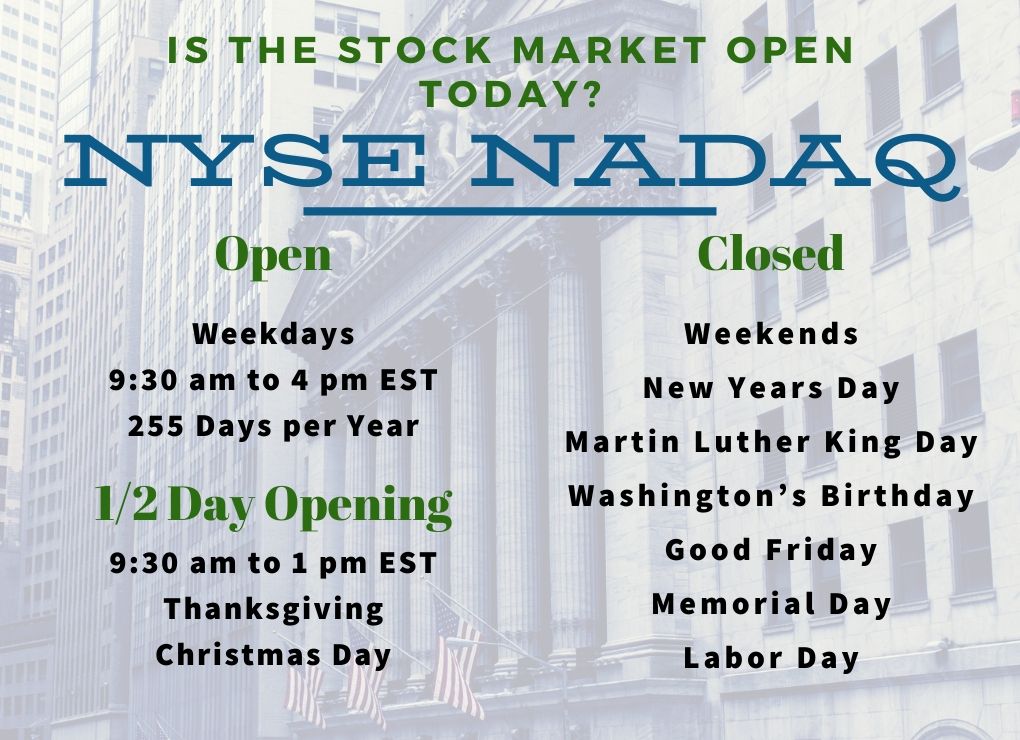
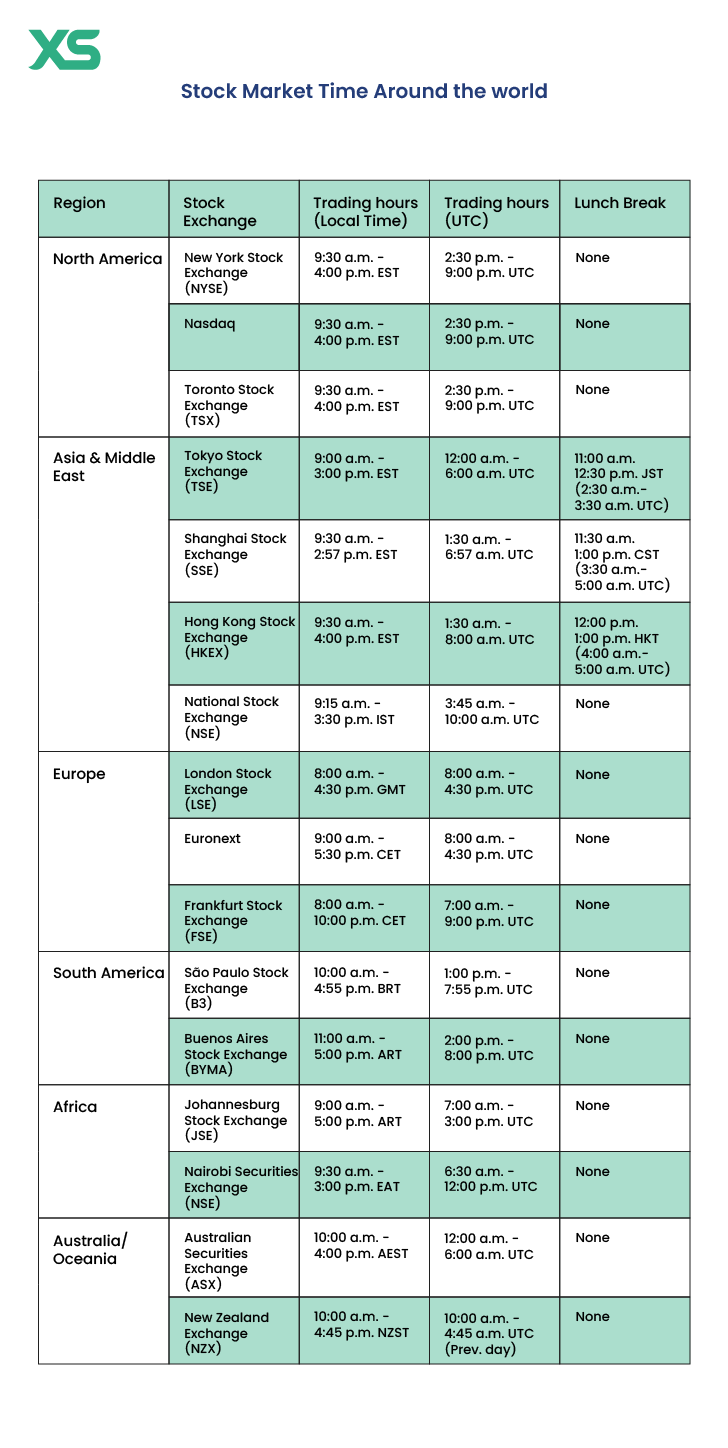
For the primary U.S. exchanges, such as the New York Stock Exchange (NYSE) and the NASDAQ, the regular trading session runs from 9:30 AM Eastern Time (ET) to 4:00 PM ET. This 6.5-hour window is when the vast majority of trading activity, price discovery, and volume occurs. Outside of the U.S., other major global markets also adhere to a Monday-to-Friday schedule, though their specific opening and closing times will naturally vary based on their respective time zones. For instance, the London Stock Exchange (LSE) operates from 8:00 AM to 4:30 PM GMT, while the Tokyo Stock Exchange (TSE) has a morning session (9:00 AM to 11:30 AM JST) and an afternoon session (12:30 PM to 3:00 PM JST) with a lunch break in between. The consistency across these major markets provides a predictable framework for international capital flows, even as they operate on different clocks.
Weekends: A Universal Pause
Saturdays and Sundays represent a universal pause for traditional equity markets around the world. On these two days, the major stock exchanges are closed. This weekend closure is not arbitrary; it’s a legacy of market evolution. Historically, manual trading and the subsequent need for complex post-trade processing, including clearing and settlement, necessitated downtime. Even in the highly automated digital age, the weekend provides a crucial period for systems maintenance, data reconciliation, and for market participants – from institutional traders to individual investors – to step back, reassess, and prepare for the week ahead. It’s a structured interval that contributes to market stability and prevents constant, potentially exhausting, price fluctuations.
The Significance of the “Open” and “Close” Bells
The opening and closing bells of the stock market are more than mere ceremonial gestures; they mark critical junctures in the trading day. The first few minutes after the market opens often witness heightened volatility and significant price movements as accumulated news, overnight developments, and pre-market orders are absorbed and processed. Similarly, the “power hour” leading up to the 4:00 PM ET close can be characterized by increased activity as traders rush to close positions, execute last-minute orders, or rebalance portfolios. Understanding these periods of heightened activity is essential for day traders and active investors who seek to capitalize on intraday swings, while long-term investors may view these fluctuations as noise, focusing instead on the broader market trends.
The Rationale Behind Market Operating Hours
The chosen operating hours for stock markets are not random but are the result of historical evolution, operational necessity, and a balance between efficiency and stability. There are fundamental reasons why the financial world has largely settled on this specific structure.
Historical Context and Evolution
Early stock exchanges were physical locations where brokers gathered to trade. This inherently limited operations to daylight hours and necessitated breaks. The process of recording trades, verifying transactions, and ensuring the transfer of ownership was largely manual and time-consuming. While technology has drastically transformed the speed and scale of trading, the basic framework of defined operating hours has largely persisted. It provided a structured environment for price discovery and allowed for the orderly settlement of trades, functions that were once logistically impossible to maintain around the clock.
Facilitating Orderly Trading and Settlement
Defined trading hours are crucial for maintaining market orderliness. They create a concentrated window for buyers and sellers to interact, leading to more robust price discovery and deeper liquidity. This concentration of activity helps to reduce price fragmentation and ensures that the prices displayed are a true reflection of collective market sentiment. Furthermore, the system of clearing and settlement, which ensures that securities are transferred to the buyer’s account and funds to the seller’s, relies on these defined periods. Even with advancements like T+2 (trade date plus two business days) settlement, post-trade processing requires finite windows to reconcile all transactions and mitigate counterparty risk effectively.
Human Factor and Work-Life Balance
Despite the increasing automation of financial markets, the human element remains vital. Analysts, portfolio managers, traders, compliance officers, and support staff all play critical roles. Operating 24/7 would lead to significant burnout, errors, and an inability for professionals to conduct thorough research, strategize, and maintain a healthy work-life balance. The current schedule allows for a concentrated, intense period of work, followed by downtime for reflection, preparation, and personal life, ultimately contributing to a more effective and sustainable financial industry.
Market Integrity and Surveillance
Concentrating trading activity within specific hours also simplifies market surveillance and regulatory oversight. Regulators like the Securities and Exchange Commission (SEC) in the U.S. can more effectively monitor for unusual trading patterns, manipulate behaviors, and ensure compliance with rules. A perpetually open market would present immense challenges for real-time monitoring and enforcement, potentially making it harder to prevent fraud and maintain market integrity, which is paramount for investor confidence.
Navigating Exceptions: Holidays, Half-Days, and Extended Hours
While the Monday-to-Friday schedule is the norm, the stock market is not immune to closures or extended operations. These exceptions are crucial for investors to understand, as they can significantly impact trading strategies and liquidity.
Major Market Holidays
Throughout the year, the stock market observes several national holidays, during which it remains completely closed. In the U.S., these typically include:
-
New Year’s Day
-
Martin Luther King, Jr. Day
-
Presidents’ Day
-
Good Friday
-
Memorial Day
-
Juneteenth National Independence Day
-
Independence Day (July 4th)
-
Labor Day
-
Thanksgiving Day
-
Christmas Day
It’s important to note that if a holiday falls on a weekend, the market typically observes it on the nearest weekday (e.g., if Christmas falls on a Saturday, the market might close on Friday, December 24th, or Monday, December 27th, depending on specific rules). Investors should always consult an up-to-date market holiday calendar provided by exchanges or reputable financial news sources.
The Concept of Half-Days
Occasionally, the stock market will operate on a “half-day” schedule, typically closing early, often at 1:00 PM ET. These half-days usually occur around major holidays, such as the day before Independence Day (if it falls on a weekday) or the day after Thanksgiving (Black Friday). While trading does occur, liquidity can be thinner, and volatility might be amplified due to reduced participant numbers and shortened hours. Traders need to be particularly aware of these abbreviated sessions.
Pre-Market and After-Hours Trading
Modern electronic trading networks (ECNs) have expanded the definition of when one can trade. Pre-market trading typically begins around 4:00 AM ET and runs until the regular opening at 9:30 AM ET. After-hours trading, conversely, starts immediately after the 4:00 PM ET close and can extend until 8:00 PM ET.
-
How they work: These sessions facilitate trading outside of regular hours, allowing investors to react to news released after market close or before market open, such as earnings reports or major economic data.
-
Pros: Flexibility, immediate reaction to news.
-
Cons: Lower liquidity, which can lead to wider bid-ask spreads and increased price volatility. These sessions are also often dominated by institutional investors and professional traders, making it more challenging for retail investors to execute orders at favorable prices.
Emergency Closures
While rare, stock markets can also experience emergency closures due to unforeseen circumstances, such as natural disasters, national emergencies, or severe technical malfunctions. A prominent example in recent U.S. history was the multi-day closure following the September 11, 2001, terrorist attacks. These events are exceptional but highlight the market’s need to protect integrity and ensure safety during extraordinary circumstances.
Global Perspectives: Do All Markets Follow the Same Rules?
While the core principle of a Monday-to-Friday trading week for equities holds true globally, the specifics of market operations diverge significantly across different regions.
Regional Differences in Trading Days
All major global equity markets, including those in Europe (e.g., London, Frankfurt, Paris), Asia (e.g., Tokyo, Hong Kong, Shanghai), and other continents, primarily operate Monday through Friday. However, the exact holidays observed vary greatly according to national and cultural calendars. For example, markets in China might close for an extended period during Lunar New Year, while European markets observe different public holidays throughout the year compared to the U.S. An investor with a global portfolio must be aware of the specific holiday schedules for each market in which they hold assets.
Divergent Trading Hours
Beyond holidays, the actual trading hours (start and end times) also differ due to time zones and regional customs. This creates an interesting dynamic where, as one major market closes, another is opening or already in full swing. For instance, as the U.S. market winds down, Asian markets are preparing to open for their next trading day. This sequential opening and closing ensures that there is almost always a major equity market operating somewhere in the world, albeit not a single, unified global equity market for any given stock. Many international traders leverage these overlapping hours to manage global portfolios or execute arbitrage strategies.
Weekend Trading for Specific Assets (A Contrast)
It’s worth noting that while traditional equity markets adhere to the five-day week, some other asset classes defy this rule. Foreign Exchange (Forex) markets, for example, operate nearly 24/5, starting Sunday evening ET and running until Friday evening ET, accommodating global currency trading across all time zones. Cryptocurrencies represent an even further departure, trading 24 hours a day, seven days a week, without breaks for weekends or holidays, thanks to their decentralized and purely digital nature. These examples highlight the specific, structured nature of equity market operations in contrast to other, more continuously traded financial instruments.
Strategic Implications for Investors and Traders
Knowing the stock market’s operating schedule is more than just academic knowledge; it has direct, practical implications for how investors and traders manage their capital and execute their strategies.
Planning Your Trading and Investing Activities
Understanding market hours is fundamental for order placement. If you place a “market order” outside of regular hours, it typically won’t be executed until the next trading session begins, potentially at a different price than anticipated. “Limit orders” can be placed for execution when the market reopens, but awareness of holidays and half-days prevents unexpected delays. Long-term investors, while less concerned with intraday swings, still need to plan when to conduct portfolio reviews, rebalancing, or research, knowing that current market data is only available when the market is open.
Impact on News and Earnings Releases
Companies frequently time the release of significant news, such as quarterly earnings reports or major corporate announcements, to periods outside of regular trading hours. This strategy allows the market time to digest the information before trading resumes, aiming to prevent extreme knee-jerk reactions during live sessions. For investors, this means being prepared to analyze and react to such news during pre-market or after-hours sessions, or to anticipate how the market will respond at the next open. This can be a critical time for short-term traders looking to capitalize on immediate price movements.
Managing Liquidity and Volatility
Awareness of market hours and exceptions helps investors manage the risks associated with liquidity and volatility. During regular trading hours, especially the core midday period, liquidity is typically highest, and bid-ask spreads are tighter. In contrast, pre-market, after-hours, and half-day sessions often feature lower liquidity, which can lead to wider spreads, greater price volatility, and challenges in executing large orders without significantly impacting the price. Understanding these dynamics allows traders to adjust their position sizing, order types, and risk management strategies accordingly.
The Importance of a Trading Calendar
A dedicated financial calendar that highlights market holidays, half-days, and key economic announcements is an indispensable tool for any investor. Many online brokers and financial news websites provide such calendars, which should be regularly consulted. This proactive approach helps in avoiding surprises, planning research periods, and aligning trading decisions with market availability.

Long-Term vs. Short-Term Strategies
For long-term investors focused on fundamental value and multi-year horizons, the daily ebb and flow of market hours, or even occasional holidays, have a relatively minor impact. Their investment theses are based on company performance and economic trends, not intraday price action. However, for short-term traders, day traders, and swing traders, precise knowledge of market open and close times, along with all exceptions, is absolutely critical. Their strategies often hinge on market liquidity, volatility patterns at specific times, and rapid responses to news, making minute-by-minute awareness of the market’s operational status paramount.
In conclusion, while the simple answer to “how many days is the stock market open” is five days a week, the sophisticated investor understands that this is just the beginning. A deep appreciation for the daily hours, holiday closures, and the existence of extended trading sessions is fundamental to navigating the financial markets effectively, managing risk, and optimizing investment strategies within the dynamic world of money and finance.
aViewFromTheCave is a participant in the Amazon Services LLC Associates Program, an affiliate advertising program designed to provide a means for sites to earn advertising fees by advertising and linking to Amazon.com. Amazon, the Amazon logo, AmazonSupply, and the AmazonSupply logo are trademarks of Amazon.com, Inc. or its affiliates. As an Amazon Associate we earn affiliate commissions from qualifying purchases.