
Navigating the world of investing requires more than just an understanding of price-to-earnings ratios and dividend yields; it requires a fundamental grasp of the market’s operational rhythm. For the novice investor, the stock market can seem like a 24/7 engine of global commerce, but in reality, it operates within a very specific and disciplined calendar.
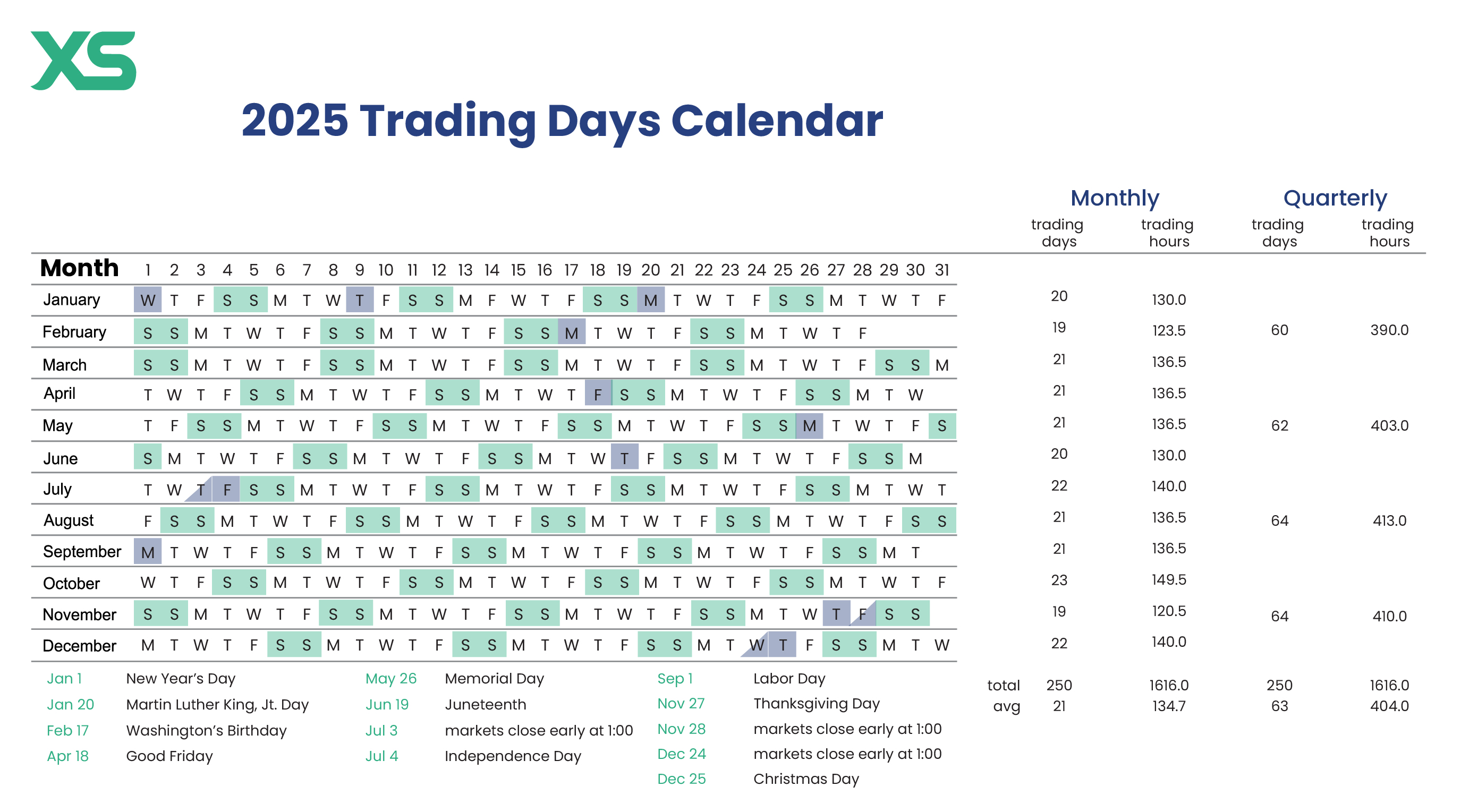
If you have ever wondered why your brokerage app isn’t updating on a random Monday or why trading volume seems to vanish in late December, you are encountering the nuances of the trading calendar. Typically, the stock market in the United States is open for approximately 252 trading days per year. This figure is the heartbeat of the financial world, dictating when liquidity is available, when volatility peaks, and when investors must take a mandatory pause.

In this guide, we will break down the mechanics of the trading year, explore why the market closes when it does, and analyze how these “non-trading days” impact your personal finance strategy.
Decoding the Trading Calendar: How the Numbers Add Up
To understand why the market is open for 252 days, we must first look at the math behind the Gregorian calendar. A standard year has 365 days (366 in a leap year). However, the financial markets do not operate with the relentless pace of the internet; they are bound by institutional traditions, labor laws, and the need for systemic maintenance.
The Role of Weekends
The most significant reduction in trading days comes from the exclusion of weekends. There are 52 weeks in a year, which accounts for 104 weekend days (Saturdays and Sundays). Traditionally, the New York Stock Exchange (NYSE) and the NASDAQ remain closed during these times to allow for clearing houses to settle transactions, for banks to reset their ledgers, and for the human element of the financial industry to rest. While digital technology makes 24/7 trading technically possible, the concentrated liquidity of a five-day work week remains the industry standard.
Federal Holidays and Exchange Observances
The remaining reduction comes from the nine or ten holidays observed by the major U.S. exchanges. These typically include:
- New Year’s Day
- Martin Luther King, Jr. Day
- Presidents’ Day
- Good Friday (Notably a religious holiday, not a federal one, yet the markets close)
- Memorial Day
- Juneteenth National Independence Day
- Independence Day (July 4th)
- Labor Day
- Thanksgiving Day
- Christmas Day
If a holiday falls on a Saturday, the market usually closes on the preceding Friday. If it falls on a Sunday, the market closes on the following Monday. This ensures that the total count of trading days remains relatively consistent year over year, usually hovering between 251 and 253.
The Impact of Early Closures
Beyond full-day closures, investors must also account for “early-close” days. These typically occur on the day after Thanksgiving (Black Friday) and sometimes on Christmas Eve or July 3rd. On these days, the market usually closes at 1:00 PM EST instead of the standard 4:00 PM. While these are technically “open” days, the reduced hours significantly impact trading volume and can lead to erratic price movements, as many institutional traders take the day off to extend their holiday.
The Financial Significance of the Trading Schedule
Why does it matter if the market is open 252 days instead of 365? For the serious investor, the trading calendar is a tool for managing risk and expectations. The schedule influences everything from how “alpha” is calculated to how quickly you can access your cash.
Liquidity and Market Volume
Liquidity refers to the ease with which an asset can be bought or sold without affecting its price. On the 252 days the market is open, liquidity follows a predictable curve. However, on the days leading up to a market closure, volume often thins out. When volume is low, even small trades can cause larger-than-usual price swings. Understanding the calendar helps investors avoid “getting caught” in illiquid periods where they might have to accept a worse price for their shares.
Understanding Settlement Cycles (T+1)
In the world of business finance, “T+1” is a critical term. It stands for “Transaction plus one day.” As of 2024, the U.S. Securities and Exchange Commission (SEC) moved to a T+1 settlement cycle. This means that when you sell a stock on a Tuesday, the trade officially “settles,” and the cash becomes yours on Wednesday.
The catch? Only trading days count. If you sell a stock on the Friday before a three-day holiday weekend, you won’t see that cash settle until the following Tuesday. For individuals managing their own side hustles or business cash flows, this delay is a vital consideration for liquidity management.
Corporate Earnings and Economic Releases
The trading calendar dictates the “Earnings Season.” Public companies typically report their financial health four times a year. These announcements are strategically timed during the 252 trading days to ensure that the market has time to react to the news. Similarly, the Federal Reserve schedules its interest rate decisions and the Department of Labor releases its “Jobs Report” on specific trading days. If the market were open every day, the psychological “cooldown” period that weekends provide would be lost, potentially leading to more frequent market crashes or irrational exuberance.
Navigating the Market Beyond Standard Hours
While we have established that the market is officially open for roughly 252 days, technology has blurred the lines of the “trading day.” For those looking to grow their online income or manage a sophisticated portfolio, the 9:30 AM to 4:00 PM window is only part of the story.
Pre-Market and After-Hours Sessions
Electronic Communication Networks (ECNs) allow investors to trade outside of standard hours. Pre-market trading typically begins as early as 4:00 AM EST, and after-hours trading can extend until 8:00 PM EST. However, these sessions are not part of the official “trading day” count. They are characterized by lower liquidity and higher spreads (the difference between the buy and sell price). While they offer flexibility, they carry higher risks, and many personal finance experts advise retail investors to stick to standard hours.
The 24/7 Asset Class: Stocks vs. Cryptocurrency
One of the most profound shifts in modern finance is the rise of cryptocurrency, which operates 365 days a year, 24 hours a day. This provides a stark contrast to the traditional stock market. The lack of “market holidays” in the crypto world means that volatility never rests. For investors accustomed to the 252-day stock calendar, the transition to crypto requires a different psychological approach, as there are no “weekends” to digest news or recover from a bad trading session.
Global Market Synchronicity
If you are investing in international stocks or ETFs, your “trading year” might look different. For instance, the London Stock Exchange (LSE) or the Tokyo Stock Exchange (TSE) observe different national holidays. An investor with a global portfolio might find that while the U.S. market is closed for Thanksgiving, the rest of the world is trading at full speed. This “global synchronicity” means that even when the NYSE is closed, global events can still influence the value of your domestic holdings through American Depositary Receipts (ADRs) and futures markets.
Strategic Planning for Non-Trading Days
The days the market is closed are just as important as the days it is open. Successful investors use this “downtime” to sharpen their strategy, perform due diligence, and manage their emotional relationship with money.
Portfolio Rebalancing and Research
The 113 days the market is closed each year (weekends plus holidays) are the perfect time for “deep work.” Without the distraction of real-time price tickers, you can objectively analyze your portfolio’s performance. Is your asset allocation still aligned with your long-term goals? Are your side hustles generating enough capital to increase your monthly investment? Use the weekends to read annual reports (10-Ks) and listen to earnings calls that you might have missed during the busy work week.
Risk Management During Extended Breaks
Long holiday weekends present a unique risk known as “gap risk.” This occurs when significant news breaks while the market is closed (such as a geopolitical event or a natural disaster). Because no trading is happening, the price cannot adjust incrementally. When the market finally opens on Tuesday morning, the stock price may “gap” down significantly from Friday’s close. Investors manage this by avoiding high-leverage positions over long weekends and using “stop-loss” orders to protect their capital.
Utilizing Financial Tools and Automation
In the modern era, you don’t need to be at your desk to participate in the market. You can use the 252-day calendar to your advantage by setting up automated contributions. Most brokerage platforms allow you to schedule “recurring investments.” Even if the market is closed on a Monday when your deposit hits, the system will automatically execute the trade as soon as the opening bell rings on Tuesday. This “set it and forget it” approach is a cornerstone of building wealth through consistent, disciplined investing.

Conclusion: Respecting the Rhythm of the Market
Understanding that the stock market is open for approximately 252 days a year is more than just a trivia point; it is a fundamental part of a professional financial mindset. These boundaries provide a necessary structure to the global economy, allowing for settlement, reflection, and systemic stability.
By respecting the trading calendar, you can better manage your liquidity, anticipate periods of high volatility, and use the market’s “rest days” to refine your investment strategy. Whether you are a seasoned trader or just starting your journey into personal finance, remember that wealth is not just built by what you do when the bells are ringing, but by the preparation you do when the markets are quiet. In the world of money, timing isn’t just about the price—it’s about the calendar.
aViewFromTheCave is a participant in the Amazon Services LLC Associates Program, an affiliate advertising program designed to provide a means for sites to earn advertising fees by advertising and linking to Amazon.com. Amazon, the Amazon logo, AmazonSupply, and the AmazonSupply logo are trademarks of Amazon.com, Inc. or its affiliates. As an Amazon Associate we earn affiliate commissions from qualifying purchases.