
The question “how many cruise ships does Carnival have?” might seem like a simple numerical inquiry, yet for a brand as colossal and influential as Carnival, the answer unfolds into a fascinating narrative about market strategy, corporate identity, and global brand dominance. Far from being a mere tally of vessels, the size and composition of Carnival’s fleet are foundational to its brand positioning, operational footprint, and its enduring legacy in the travel and tourism industry. To truly understand the “how many,” one must delve into the intricate layers of the Carnival brand empire, dissecting its corporate structure and the strategic significance of each ship to its overarching identity.
The Carnival Brand Empire: More Than Just a Name
At first glance, “Carnival” conjures images of vibrant “Fun Ships” sailing to tropical destinations. However, this popular perception only scratches the surface of a much larger and more complex global enterprise. The entity often referred to simply as “Carnival” is, in fact, Carnival Corporation & plc, a dual-listed company that operates a vast portfolio of leading cruise lines worldwide. Understanding this distinction is crucial for appreciating the true scale of its fleet and the strategic genius behind its brand architecture.
Carnival Corporation & plc: A Global Portfolio
Carnival Corporation & plc is the world’s largest cruise company, a testament to its aggressive expansion and astute acquisitions over decades. It’s a titan that encompasses nine distinct cruise brands in North America, Europe, Australia, and Asia, alongside a tour company. Each of these brands targets a specific demographic or market segment, allowing Carnival Corporation to maintain a diversified portfolio that minimizes risk and maximizes market penetration.
This corporate umbrella includes household names such as Carnival Cruise Line (the most recognizable “Carnival” brand), Princess Cruises, Holland America Line, Seabourn, Costa Cruises, AIDA Cruises, P&O Cruises (UK), P&O Cruises (Australia), and Cunard. Each brand operates with its own unique identity, marketing strategy, and, critically, its own fleet of ships, all contributing to the parent company’s formidable global presence. This multi-brand strategy is a cornerstone of Carnival’s corporate identity, enabling it to cater to an incredibly broad spectrum of consumer preferences, from budget-friendly family vacations to ultra-luxury voyages.
Defining the Carnival Cruise Line Identity
Within this extensive portfolio, Carnival Cruise Line stands out as the eponymous flagship brand. Known for its lively atmosphere, diverse onboard activities, and value-for-money propositions, Carnival Cruise Line has meticulously cultivated its “Fun Ship” identity. This brand persona is meticulously crafted through its ship designs, entertainment offerings, culinary experiences, and even the décor. The number of ships under the Carnival Cruise Line banner directly reflects its commitment to making cruising accessible and enjoyable for a mass-market audience, often pioneering innovations that later influence the wider industry. Their ships are not just vessels; they are floating resorts designed to deliver a consistent brand experience that resonates with its target demographic, solidifying its place as a leader in the contemporary cruise market.
Market Segmentation Through Diverse Brands
The genius of Carnival Corporation’s brand strategy lies in its ability to effectively segment the market. While Carnival Cruise Line targets the contemporary, fun-loving vacationer, other brands within the corporation cater to vastly different tastes. Princess Cruises, for example, often appeals to couples and families seeking a more refined, destination-focused experience. Holland America Line is known for its classic elegance and longer voyages, attracting a more mature audience. Cunard evokes a sense of British maritime heritage and luxury, appealing to discerning travelers. Seabourn offers an ultra-luxury, all-inclusive experience on smaller, more intimate ships.
This intricate brand architecture means that Carnival Corporation isn’t just selling “cruises”; it’s selling tailored vacation experiences, each delivered through a specialized fleet. The aggregate number of ships across all these brands demonstrates a sophisticated approach to market dominance, where instead of a one-size-fits-all model, the corporation offers a bespoke portfolio of brands, each with its own fleet strategy, all feeding into the larger corporate identity of being the world’s leading cruise provider.
Counting the Fleet: A Snapshot of Carnival’s Scale
Pinpointing the exact number of cruise ships Carnival “has” requires clarity on whether one is referring to the Carnival Cruise Line brand specifically or the entire Carnival Corporation & plc portfolio. As of recent operational data, Carnival Corporation & plc typically manages a global fleet comprising over 90 to 100 ships across its multiple brands. This staggering number fluctuates slightly due to new builds entering service, older ships being retired or sold, and occasional charter arrangements.
The Flagship: Carnival Cruise Line’s Dedicated Fleet
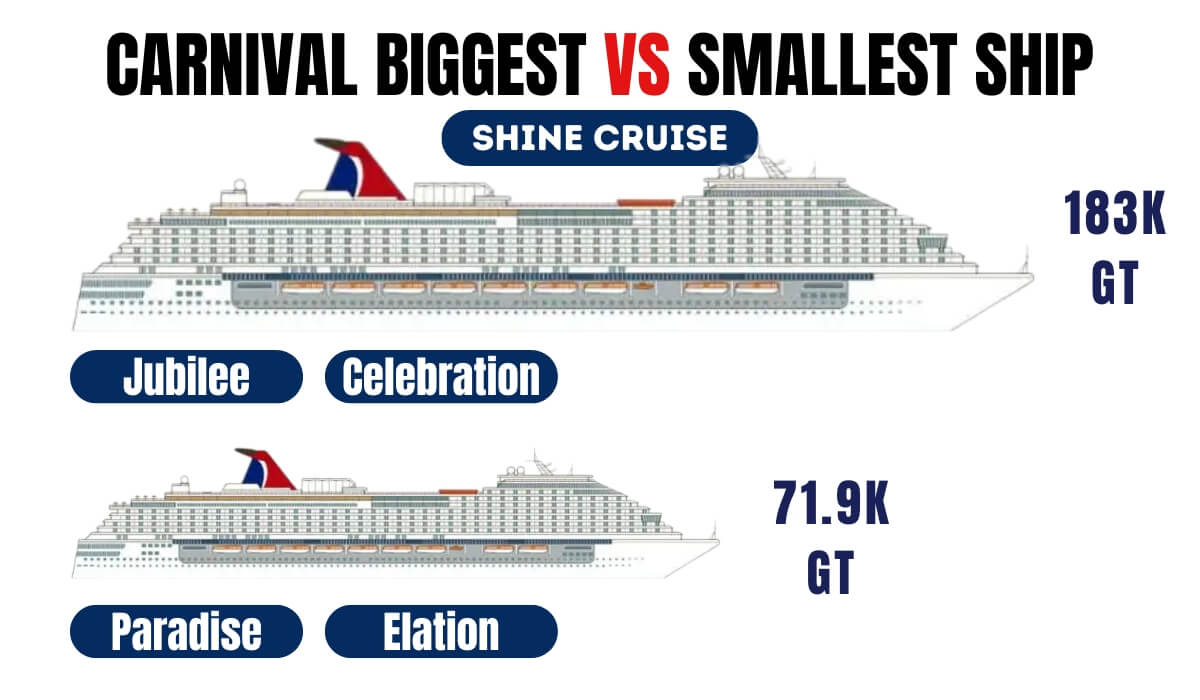
Focusing solely on the Carnival Cruise Line brand, the number of ships typically hovers around 25-27 vessels. These are the quintessential “Fun Ships” that many associate directly with the Carnival name. Each ship, from the venerable Fantasy-class vessels to the colossal new Excel-class ships like the Mardi Gras and Carnival Celebration, is designed to embody the brand’s core values of fun, accessibility, and memorable experiences. The consistent expansion and modernization of this specific fleet demonstrate Carnival Cruise Line’s commitment to maintaining its leadership in the contemporary cruise segment and continually refreshing its brand offering.
The Wider Family: Brands Under the Carnival Corporation Umbrella
When we consider the full scope of Carnival Corporation & plc, the fleet count swells dramatically.
- Princess Cruises typically operates a fleet of around 15-17 ships, known for their innovative design and global itineraries.
- Holland America Line contributes approximately 10-12 ships, offering premium, longer voyages.
- AIDA Cruises (Germany) adds around 12-14 ships, popular in the German-speaking market.
- Costa Cruises (Italy) operates around 9-11 ships, serving the European and Asian markets.
- Cunard maintains its iconic fleet of 3-4 ocean liners, embodying luxury and tradition.
- P&O Cruises (UK) has around 6-8 ships, tailored for the British market.
- P&O Cruises (Australia) operates 2-3 ships, focusing on the Australasian market.
- Seabourn features 5-7 ultra-luxury vessels, offering an exclusive experience.
This aggregate fleet, totalling close to 100 ships, positions Carnival Corporation & plc not just as a large company, but as a dominant force that shapes global tourism trends and standards. The sheer number of ships underscores its vast operational capabilities and its unparalleled ability to cater to a global audience with diverse preferences.
Fleet Modernization and Expansion Strategies
The number of ships is not static; it’s a dynamic figure influenced by strategic decisions regarding fleet modernization and expansion. Carnival Corporation regularly invests billions in new ship builds, often incorporating cutting-edge technology, improved environmental efficiencies, and enhanced guest experiences. For example, the introduction of LNG-powered ships like the Mardi Gras for Carnival Cruise Line and similar vessels for AIDA and Costa, highlights a commitment to sustainability and innovation, thereby enhancing the brands’ reputation and appeal. Simultaneously, older ships are sometimes retired or sold, allowing the fleet to remain contemporary, efficient, and aligned with current brand visions and market demands. This continuous cycle of renewal is a vital part of maintaining brand relevance and competitiveness in a fast-evolving industry.
The Strategic Importance of Fleet Size to the Brand
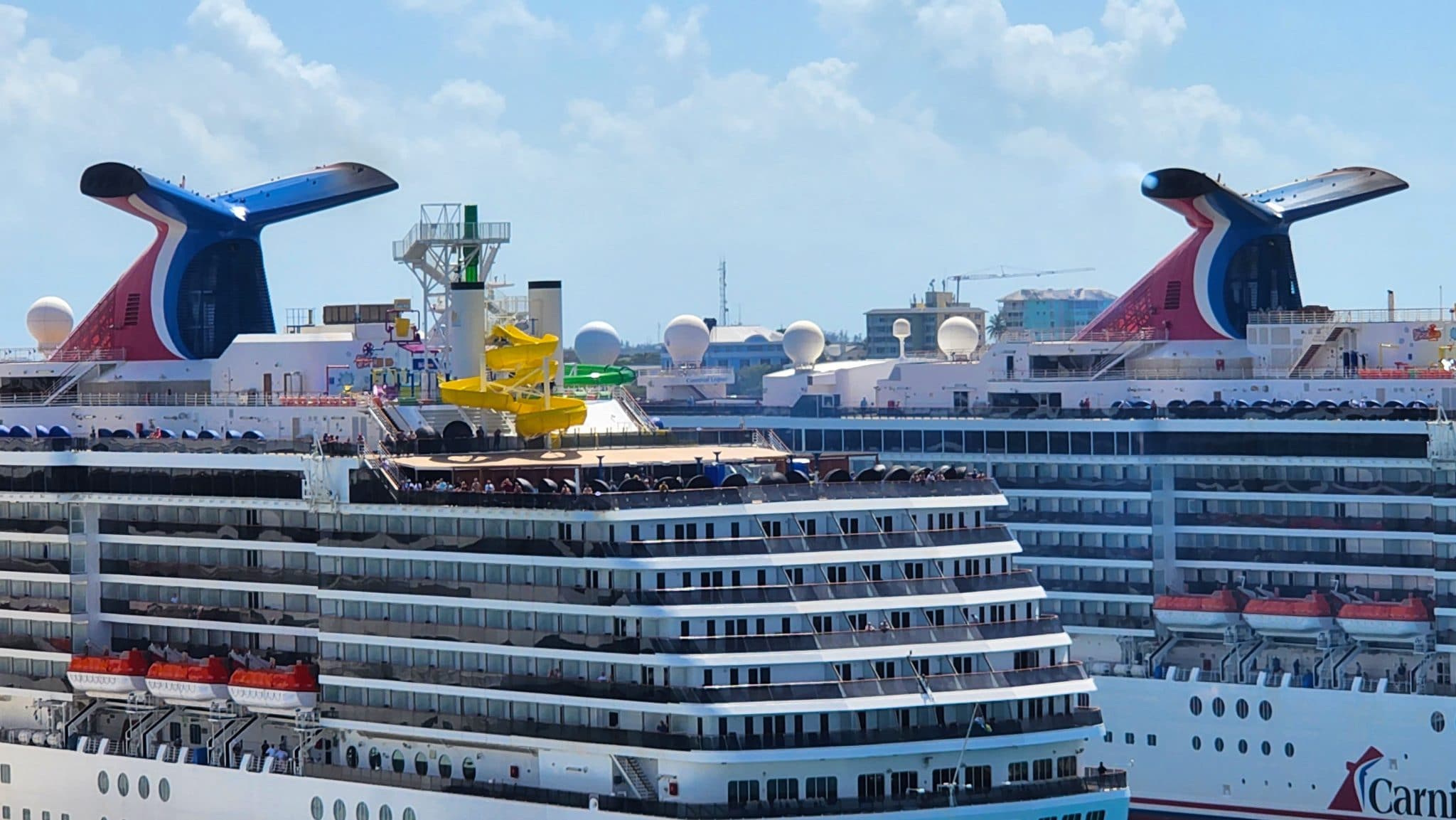
Beyond mere numbers, the sheer scale of Carnival’s fleet holds profound strategic importance for its various brands and the corporation as a whole. It’s a tangible representation of market power, operational prowess, and a commitment to brand expansion.
Market Dominance and Global Reach
A large fleet directly translates to market dominance. With nearly 100 ships sailing worldwide, Carnival Corporation commands a significant share of the global cruise market. This extensive reach allows its brands to offer itineraries to virtually every major cruise destination on Earth, from the Caribbean and Alaska to Europe, Asia, and Australia. This ubiquity enhances brand visibility and accessibility, making Carnival a household name across diverse continents. The ability to deploy multiple ships to various regions simultaneously allows for robust market coverage, ensuring that a Carnival-affiliated brand is always an option for potential cruisers, thereby reinforcing its leading position.
Brand Recognition and Customer Loyalty
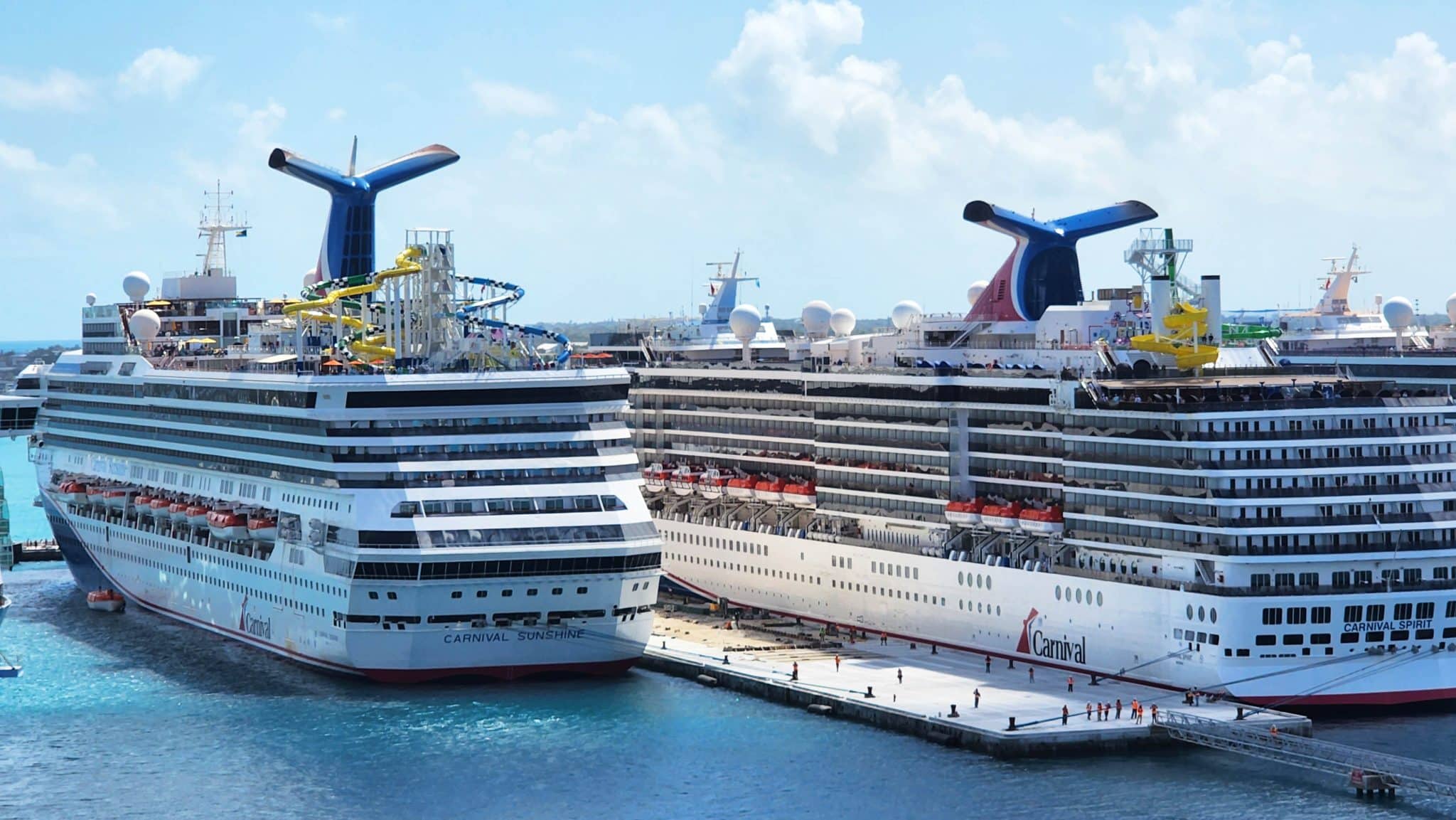
The visibility of a large fleet contributes immensely to brand recognition. Whether it’s the distinctive “whale tail” funnel of a Carnival Cruise Line ship or the classic elegance of a Cunard liner, these vessels become iconic symbols of their respective brands. A broad fleet also means more opportunities for customers to experience a brand, fostering repeat business and loyalty. A first-time cruiser on a Carnival Cruise Line ship, if satisfied, might be more inclined to try another Carnival ship or even explore a different brand within the Carnival Corporation family for a different type of vacation. The consistency and widespread availability offered by a large fleet are key drivers of brand affinity and sustained customer engagement.
Operational Efficiency and Capacity Management
Managing such a vast fleet requires unparalleled operational efficiency. The scale allows Carnival to leverage economies of scale in procurement, fuel consumption, maintenance, and logistics. It also provides significant flexibility in capacity management. During periods of high demand, more ships can be deployed to popular regions; conversely, in times of lower demand or unforeseen global events, routes can be adjusted, or ships can be repositioned. This agility is a critical aspect of maintaining profitability and ensuring that each brand can adapt to changing market conditions without significantly compromising its service delivery or brand promise. The ability to fill a continuous stream of departures across numerous brands and itineraries is a testament to the corporation’s marketing strength and its deep understanding of consumer travel patterns.
Brand Innovation and Fleet Evolution
The size of Carnival’s fleet is not just about quantity; it’s about the continuous evolution and innovation embedded within each vessel, reflecting and driving the strategic direction of its brands. This constant reinvention is crucial for maintaining relevance and appeal in a highly competitive market.
Designing for the Modern Passenger: Ship Features and Experiences
Each new ship entering the Carnival fleet, regardless of the brand, is a carefully curated statement of intent. For Carnival Cruise Line, this means pushing the boundaries of onboard entertainment and amenities – from roller coasters at sea (Mardi Gras, Carnival Celebration) to diverse dining venues and expansive deck spaces. For luxury brands like Seabourn or Cunard, it translates to opulent suites, personalized service, and curated cultural experiences. These innovations are not arbitrary; they are meticulously designed to reinforce each brand’s unique value proposition and attract specific segments of the modern passenger market. The ongoing investment in cutting-edge features ensures that the Carnival family of brands remains at the forefront of the cruise industry, continually offering fresh and exciting reasons for consumers to choose them.
Sustainability Initiatives Across the Fleet
A large fleet also brings significant responsibility, particularly regarding environmental impact. Carnival Corporation has been investing heavily in sustainability initiatives across its entire fleet. This includes the adoption of Liquefied Natural Gas (LNG) propulsion, advanced wastewater treatment systems, shore power connectivity, and efforts to reduce single-use plastics. These initiatives are not just about compliance; they are becoming increasingly vital for brand reputation and appeal. Consumers are more environmentally conscious than ever, and a brand’s commitment to sustainability directly influences purchasing decisions. By making substantial investments in green technologies across its diverse fleet, Carnival strengthens its brand image as a responsible corporate citizen, appealing to a broader, more ethically-minded audience.
Responding to Market Trends and Disruptions
The agility offered by a large, diversified fleet allows Carnival’s brands to effectively respond to emerging market trends and unforeseen disruptions. Whether it’s a shift in popular destinations, a demand for shorter cruises, or adapting to health and safety protocols (as seen during the global pandemic), the corporation can reallocate resources, modify itineraries, and implement new procedures across its brands more effectively than smaller operators. This adaptability safeguards brand equity and ensures business continuity, reinforcing trust and confidence among passengers and stakeholders alike. The sheer volume of ships provides a robust infrastructure for testing new concepts, scaling successful initiatives, and cushioning the impact of industry-wide challenges.
The Future of the Carnival Fleet and Brand Legacy
The question of “how many cruise ships does Carnival have?” is inherently forward-looking. The company’s ongoing new-build program and strategic fleet management decisions will continue to shape its brands and market position for decades to come.
New Builds and Technological Advancements
Carnival Corporation has a consistent pipeline of new ships scheduled for delivery across its various brands, underscoring its commitment to growth and innovation. These future vessels promise even greater technological sophistication, further environmental improvements, and enhanced guest experiences. Anticipated features include more advanced entertainment systems, innovative cabin designs, greater personalization options, and continued strides in sustainable operations. Each new ship is not just an addition to the fleet; it is an evolution of the brand, designed to captivate the next generation of cruisers and solidify the company’s competitive advantage. This constant infusion of new, advanced hardware into the fleet reinforces a forward-thinking brand image.
Adapting to Changing Consumer Demands
The cruise industry is perpetually evolving, driven by shifting consumer preferences, technological advancements, and global trends. Carnival’s diverse fleet, managed under a multi-brand strategy, is particularly well-suited to adapt. As demands for more immersive experiences, authentic cultural encounters, or adventure tourism grow, different brands within the portfolio can pivot their offerings and even commission new ships specifically designed to meet these niches. This flexibility ensures that the Carnival brand legacy remains dynamic and responsive, continually reinventing itself while staying true to the core values of its individual brands.
Sustaining Brand Leadership in a Dynamic Industry
Ultimately, the answer to “how many cruise ships does Carnival have?” is not just a number, but a testament to its strategic vision, operational excellence, and enduring brand power. The vastness of its fleet, spanning nearly 100 ships across a multitude of renowned brands, is the physical manifestation of its global leadership. It allows Carnival Corporation & plc to maintain unparalleled market penetration, foster deep brand loyalty, and drive innovation across the entire cruise industry. As the company navigates future challenges and opportunities, the strategic management of this colossal fleet will remain central to sustaining its brand legacy and ensuring its continued prominence as the world’s foremost cruise operator.
aViewFromTheCave is a participant in the Amazon Services LLC Associates Program, an affiliate advertising program designed to provide a means for sites to earn advertising fees by advertising and linking to Amazon.com. Amazon, the Amazon logo, AmazonSupply, and the AmazonSupply logo are trademarks of Amazon.com, Inc. or its affiliates. As an Amazon Associate we earn affiliate commissions from qualifying purchases.