
Costco Wholesale Corporation stands as a titan in the retail industry, known for its bulk offerings, competitive pricing, and distinctive membership model. Beyond the tangible savings and diverse product range, the sheer physical presence of Costco warehouses across the United States is a testament to its robust brand strategy and successful market penetration. The number of locations is not just a statistic; it represents a carefully orchestrated expansion plan that reinforces the brand’s identity, fosters customer loyalty, and sustains its competitive edge in an evolving retail landscape. Understanding the scope of Costco’s U.S. footprint offers valuable insights into how a brand can strategically leverage brick-and-mortar assets to maintain dominance and resonate with its target demographic.
The Geographic Footprint of a Retail Giant
Costco’s strategy has always hinged on offering a unique, value-driven shopping experience that necessitates a physical presence. Each warehouse acts as a beacon for its brand, drawing members from surrounding communities and embedding the Costco identity into local retail ecosystems.
Understanding Costco’s U.S. Presence
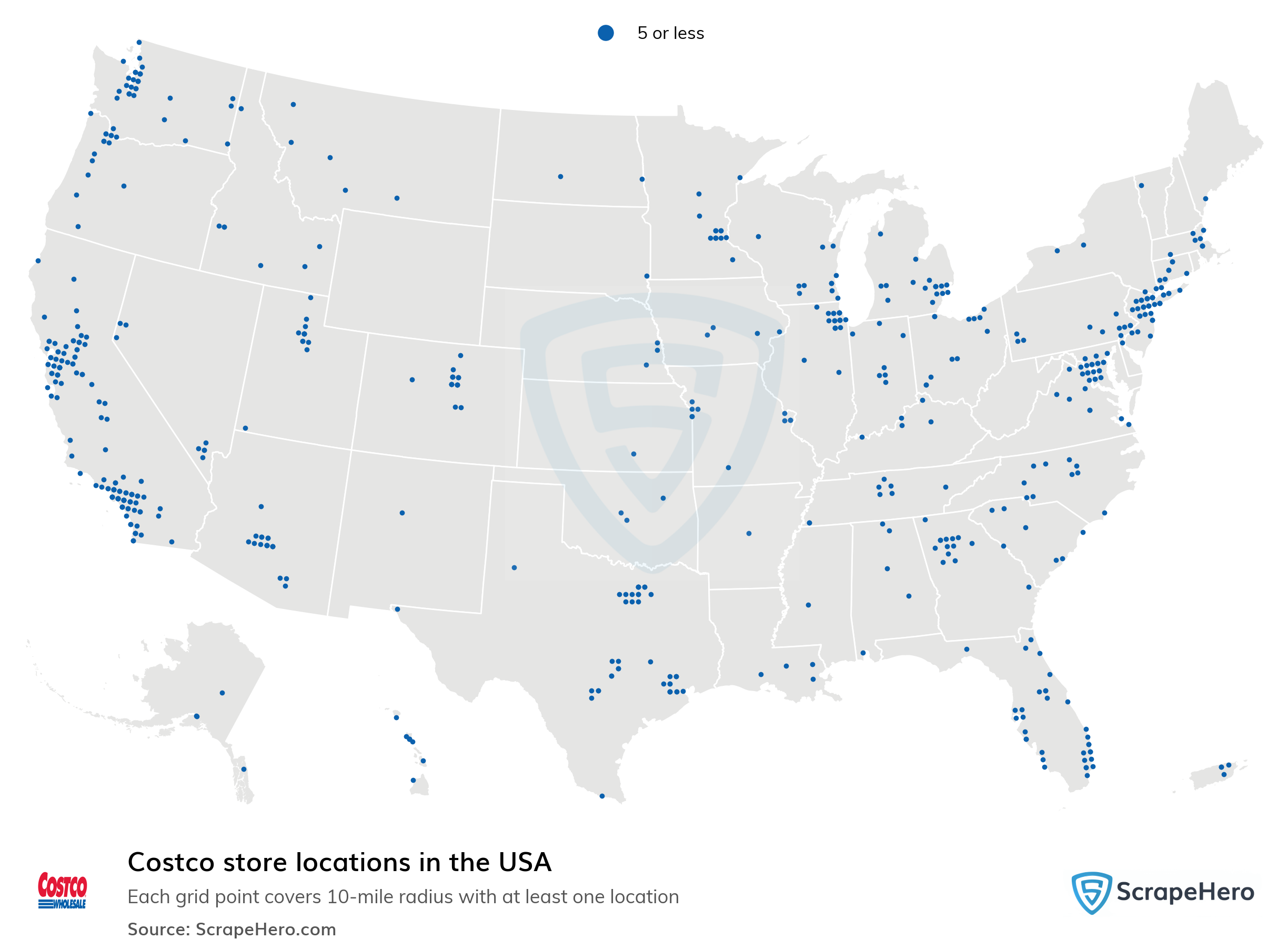
As of early 2024, Costco operates approximately 600 locations within the United States and Puerto Rico. This impressive figure underscores the company’s commitment to accessibility and its belief in the enduring power of the warehouse club model. These locations are strategically spread, aiming to serve a broad spectrum of the U.S. population, often in high-density areas or regions capable of supporting a large-format retail establishment. The continuous, albeit measured, expansion reflects a brand that understands the importance of physical touchpoints in building and maintaining a strong customer base. Each new store opening is not just a business expansion; it’s a reinforcement of the Costco brand promise, bringing its unique value proposition closer to potential members.
State-by-State Breakdown: Where the Brand Shines Brightest
The distribution of Costco locations across the United States is far from uniform, reflecting population densities, market opportunities, and logistical considerations. States with larger populations and higher purchasing power naturally host a greater concentration of warehouses.
- California leads the nation by a significant margin, boasting over 130 Costco locations. This heavy concentration in the Golden State highlights California’s economic scale and its residents’ affinity for the warehouse club model. For the Costco brand, California serves as a foundational market, demonstrating how high saturation can translate into robust brand loyalty and market share.
- Other states with a substantial number of Costco stores include Texas, Florida, Washington, New York, and Arizona, each home to dozens of locations. These states represent key strategic markets for Costco, where the brand has invested heavily in establishing a strong physical presence.
- Conversely, some states, particularly those with smaller populations or more dispersed demographics like Wyoming, Montana, or Maine, might only have one or a handful of Costco warehouses. These locations are often critical hubs for the brand in less populated regions, serving a wider geographic area and solidifying Costco’s image as a national retailer with broad reach.
This varied distribution illustrates a nuanced brand strategy: prioritize high-impact markets for deep penetration while ensuring strategic coverage in others. It’s about optimizing the brand’s physical footprint to maximize impact and reach, rather than simply opening stores everywhere.
Membership Model and Location Strategy
Costco’s unique membership-based business model deeply influences its location strategy. Unlike traditional retailers, Costco relies on membership fees for a significant portion of its profit, which allows for aggressive pricing on products. This model requires a critical mass of members to be viable in any given area.
Therefore, new store locations are meticulously chosen based on:
- Demographics: Areas with high-income households and specific demographic profiles known to appreciate bulk buying and value.
- Population Density: Sufficient population within a reasonable radius to support the membership base required.
- Real Estate Availability: Large parcels of land suitable for their expansive warehouse format, ample parking, and fuel stations.
- Competitive Landscape: Assessment of existing competition and the potential for market share capture.
This stringent selection process ensures that each new warehouse is not just an added store, but a strategic investment designed to strengthen the brand’s ecosystem, attract new loyal members, and maximize the return on its physical assets. The success of this model underscores the importance of a brand having a clear understanding of its target audience and designing its physical presence to cater specifically to their needs and preferences.
Costco’s Brand Strategy and Market Penetration
The physical locations are the primary interface between the Costco brand and its members. These warehouses are not merely points of sale; they are carefully designed spaces that embody the brand’s core values of value, quality, and a unique shopping adventure.
Strategic Expansion and Brand Reach
Every new Costco location represents a deliberate expansion of the brand’s reach. This strategic growth is less about rapid proliferation and more about thoughtful market penetration. By placing warehouses in key geographic areas, Costco ensures widespread accessibility, which is crucial for a brand that relies on membership loyalty. The physical presence builds familiarity and trust, turning first-time visitors into long-term members. The brand’s reach isn’t just about covering maps; it’s about establishing hubs where members can consistently experience the Costco difference, reinforcing their decision to be part of the club. Each warehouse contributes to the overall brand narrative of a ubiquitous, reliable source for quality goods at exceptional value.
The “Treasure Hunt” Experience: A Core Brand Element

Costco’s brand experience is largely defined by its unique in-store “treasure hunt” atmosphere. This isn’t just about discounted items; it’s a deliberate brand strategy to make shopping exciting and unpredictable. Limited-time offerings, rotating premium goods, and unexpected finds encourage members to visit frequently and explore every aisle. The physical layout of the warehouse, with its industrial aesthetic and ever-changing product displays, is central to this experience. It fosters a sense of discovery that is a powerful differentiator for the brand. This tactile, sensory experience cannot be replicated online and is a core reason members continue to flock to the physical locations, solidifying their connection to the brand.
Localized Marketing and Community Integration
While Costco is a national brand, its success is significantly bolstered by its ability to integrate into local communities. New locations often become a point of local pride and economic activity. Costco employs localized marketing strategies that highlight relevant products for the region, support local charities, and create jobs. This community-centric approach strengthens the brand’s image as a responsible corporate citizen, building goodwill and fostering deeper connections with its member base. The presence of a Costco warehouse often signals convenience and value for local residents, making the brand an integral part of their weekly routines and community life.
The Impact of Physical Stores in a Digital Age
In an era dominated by e-commerce, Costco’s continued reliance on and investment in brick-and-mortar locations is a compelling case study in brand resilience and strategic adaptation.
Brick-and-Mortar Resilience: Why Physical Stores Remain Crucial
Despite the undeniable rise of online shopping, Costco’s physical stores remain the cornerstone of its brand identity and business model. The nature of its products (bulk items, fresh produce, large appliances) and the immersive shopping experience it offers are inherently suited to a physical environment. Furthermore, services like optical, pharmacy, tire centers, and the incredibly popular food court—all integral parts of the Costco brand experience—require a physical presence. This resilience demonstrates that for certain brands and product categories, the tangible, in-person interaction is irreplaceable, serving as a powerful anchor for customer loyalty and brand differentiation.
Omni-channel Brand Experience: Harmonizing Physical and Digital
Costco has intelligently woven its extensive physical network into an effective omni-channel brand strategy. While the physical warehouse is paramount, Costco.com and its app serve as powerful complements, offering convenience for select items and allowing members to check inventory, reorder frequently purchased goods, and manage their memberships. The physical stores also serve as pick-up points for online orders, blurring the lines between the digital and physical realms. This integrated approach ensures that the Costco brand provides a seamless and consistent experience, regardless of the channel through which members choose to interact. It’s about extending the brand’s reach and convenience without diluting the unique value of the physical store.
Driving Brand Loyalty Through In-Person Engagement
The physical locations are laboratories for brand loyalty. The ability for members to see, touch, and sample products directly, interact with staff, and enjoy the social aspect of shopping contribute significantly to their attachment to the brand. The “discovery” element, the immediate gratification of finding a great deal, and the unique service offerings create a memorable experience that reinforces membership value. This direct, sensory engagement cultivates a deeper emotional connection than purely transactional online interactions, making the physical warehouse a vital asset in maintaining and growing the Costco brand’s devoted following.
Future Growth and Brand Evolution
Costco’s journey of strategic expansion is ongoing, continually adapting its brand strategy to meet evolving consumer demands and market conditions.
Anticipated Expansion: Sustaining Brand Momentum
Costco has consistently demonstrated a commitment to measured and strategic growth. While the pace of new store openings might fluctuate, the company continues to identify new markets and opportunities for expansion within the U.S. Each new location is carefully vetted to ensure it aligns with the brand’s demographic targets and operational efficiencies. Future expansion will likely focus on underserved regions where the brand can still gain significant market share, as well as refreshing existing locations to enhance the member experience. This sustained, thoughtful growth ensures the Costco brand remains dynamic and responsive, continuing to offer its unique value proposition to an ever-wider audience.
Adapting to Changing Consumer Behavior
The retail landscape is in constant flux, driven by shifts in consumer preferences, technological advancements, and economic trends. Costco’s brand strategy has shown remarkable adaptability, even while staying true to its core identity. This includes refining its product assortment to cater to healthier lifestyles, expanding organic offerings, and integrating more sustainable practices. Furthermore, investments in digital infrastructure and delivery services demonstrate the brand’s willingness to evolve its service delivery methods while retaining the fundamental appeal of its membership model and in-store experience. The brand’s future evolution will hinge on its ability to balance innovation with the preservation of its distinctive “treasure hunt” and bulk-value identity.

Sustaining the Brand Promise
At its heart, Costco’s brand promise is about delivering exceptional value, quality, and a unique shopping experience to its members. The number and strategic placement of its U.S. locations are fundamental to upholding this promise. They ensure accessibility, facilitate the curated product selection, and enable the efficient operation of its distinctive business model. As Costco looks to the future, its ongoing investment in its physical footprint, coupled with strategic digital integration, will be crucial for reinforcing its corporate identity, deepening member loyalty, and sustaining its enviable position as a leading global retailer. Each warehouse is more than a building; it’s a tangible representation of the Costco brand, committed to serving its members across America.
In conclusion, the nearly 600 Costco locations spread across the United States are far more than mere points of sale. They are strategic pillars of the Costco brand, embodying its corporate identity, driving its market penetration, and fostering an unparalleled level of customer loyalty. In a dynamic retail world, Costco’s robust physical presence remains a powerful testament to a brand strategy that skillfully balances tradition with adaptation, proving that a well-executed brick-and-mortar presence is an enduring asset in building a resilient and beloved brand.
aViewFromTheCave is a participant in the Amazon Services LLC Associates Program, an affiliate advertising program designed to provide a means for sites to earn advertising fees by advertising and linking to Amazon.com. Amazon, the Amazon logo, AmazonSupply, and the AmazonSupply logo are trademarks of Amazon.com, Inc. or its affiliates. As an Amazon Associate we earn affiliate commissions from qualifying purchases.