
The Nasdaq Stock Market stands as a pivotal global marketplace, renowned for its electronic trading platform and its historical association with leading technology and growth companies. For investors, entrepreneurs, and financial professionals alike, understanding the sheer scale and composition of this exchange is fundamental to grasping market dynamics. The question of “how many companies are listed on the Nasdaq” is more nuanced than a simple figure, representing a continuously evolving landscape of initial public offerings (IPOs), delistings, mergers, and acquisitions that reflect broader economic trends and investor sentiment.
The Nasdaq Exchange: A Cornerstone of Modern Finance
Founded in 1971, Nasdaq revolutionized securities trading by introducing the first electronic stock market. Its origins marked a departure from traditional physical trading floors, paving the way for faster, more transparent, and accessible market operations. Today, it remains a dominant force, facilitating trillions of dollars in transactions annually and serving as a launchpad for companies seeking public capital.
A Brief History and Mission
Nasdaq’s mission has always been to empower the capital markets. Initially designed to provide an automated quotation system for over-the-counter (OTC) stocks, it quickly evolved into a full-fledged exchange. Its innovative spirit quickly attracted companies that valued technology and growth, distinguishing it from older, more traditional exchanges. This reputation for innovation continues, drawing a diverse array of businesses, from nascent startups to multinational corporations, all seeking to leverage public markets for growth and liquidity. The exchange’s commitment to technological advancement ensures it remains at the forefront of market infrastructure, providing robust and efficient trading mechanisms.
Nasdaq vs. Other Exchanges: Key Distinctions
While often compared to the New York Stock Exchange (NYSE), Nasdaq operates on a fundamentally different model. The NYSE utilizes a specialist or designated market maker system, where human intervention plays a significant role in price discovery. Nasdaq, in contrast, is entirely electronic, relying on multiple market makers who compete to offer the best prices, fostering a highly liquid and competitive environment. This electronic structure allows for incredibly fast execution speeds, appealing to companies and traders who prioritize efficiency. From an investment perspective, Nasdaq is frequently associated with sectors driven by intellectual property and innovation, such as technology, biotechnology, and telecommunications, whereas the NYSE historically listed more industrial and established “blue-chip” companies, though this distinction has blurred over time.
Listing Requirements: A Gateway to Public Capital
For a company to be listed on Nasdaq, it must meet rigorous financial and corporate governance standards designed to protect investors and maintain market integrity. These requirements include minimum share prices, market capitalization thresholds, shareholder equity, and public float percentages. Companies must also adhere to strict corporate governance rules, such as having an independent board of directors and an audit committee. The specific requirements vary across Nasdaq’s three listing tiers: the Nasdaq Global Select Market, the Nasdaq Global Market, and the Nasdaq Capital Market, each catering to companies of different sizes and stages of development. Meeting these criteria is not a one-time event; companies must continuously comply with these standards to maintain their listing, ensuring ongoing transparency and financial health.
The Dynamic Landscape of Nasdaq Listings
The number of companies listed on Nasdaq is not a static figure but rather a dynamic indicator of market activity, economic health, and the continuous cycle of business development. This number fluctuates daily due to a constant stream of new public offerings, companies choosing to delist, and corporate actions like mergers and acquisitions.
Current Listing Figures and Their Fluctuation
Historically, the number of companies listed on Nasdaq has varied significantly. While an exact real-time number is elusive due to constant changes, the exchange typically hosts around 3,000 to 4,000 publicly traded companies. For example, at various points, it has hovered closer to 3,500 companies. This figure encompasses a vast spectrum of industries and market capitalizations, from emerging growth companies on the Nasdaq Capital Market to multinational giants on the Nasdaq Global Select Market. The precise count can shift day-to-day as new companies go public and others depart for various reasons, making any single number a snapshot rather than a permanent total. Investors often track these macro trends as they can signal overall market sentiment and the appetite for new capital raises.
Factors Influencing Listing Numbers
Several key factors contribute to the ebb and flow of Nasdaq listings:
- Initial Public Offerings (IPOs): New companies going public are a primary driver of increased listings. The volume of IPOs is highly sensitive to market conditions, investor confidence, and overall economic growth. Bull markets tend to foster more IPO activity, while bear markets or periods of high uncertainty can significantly slow the pace.
- Delistings: Companies can be delisted for failing to meet Nasdaq’s ongoing listing requirements (e.g., minimum share price, financial health), or they may choose to delist voluntarily. Voluntary delistings often occur when a company goes private, is acquired by another entity, or decides to list on a different exchange.
- Mergers and Acquisitions (M&A): When one publicly listed company acquires another, the acquired company’s shares are typically delisted, reducing the overall count. Conversely, spin-offs can sometimes add new listings.
- Regulatory Changes: Shifts in financial regulations or listing standards can influence both the rate of new listings and the number of delistings, as companies adapt to new compliance burdens.
- Market Conditions: Broader economic cycles, interest rates, and geopolitical events can all impact a company’s decision to go public or maintain its public status, directly affecting the number of listed entities.
Growth Trajectory Over Time
Nasdaq has experienced significant growth spurts throughout its history. The late 1990s dot-com boom saw a massive influx of technology companies listing, dramatically increasing the total count. Following the bust, many of these companies failed or were acquired, leading to a subsequent decline in listings. More recently, periods like the mid-2010s to early 2020s witnessed another surge, driven by advancements in software, biotechnology, and renewable energy, coupled with a favorable low-interest-rate environment. Understanding this historical trajectory provides context for current numbers, highlighting how closely listing activity is tied to innovation cycles and broader economic trends.
Why Listing on Nasdaq Matters to Investors
For investors, the sheer number of companies listed on Nasdaq offers a vast universe of potential opportunities, particularly for those seeking exposure to growth-oriented sectors and innovative businesses. The exchange’s distinct characteristics significantly influence investment strategies and portfolio construction.
Access to Innovation and Growth
Nasdaq’s reputation as a hub for innovation is well-earned. A significant portion of its listed companies operate in high-growth sectors such as technology, pharmaceuticals, biotechnology, and clean energy. This concentration means investors looking for exposure to cutting-edge industries and companies with strong potential for future earnings growth often turn to Nasdaq-listed stocks. While past performance is no guarantee of future results, the exchange has historically been a proving ground for companies that have redefined industries and delivered substantial returns to early investors. Investing in Nasdaq companies often means aligning with businesses that are at the forefront of technological advancement and market disruption.
Liquidity and Market Capitalization
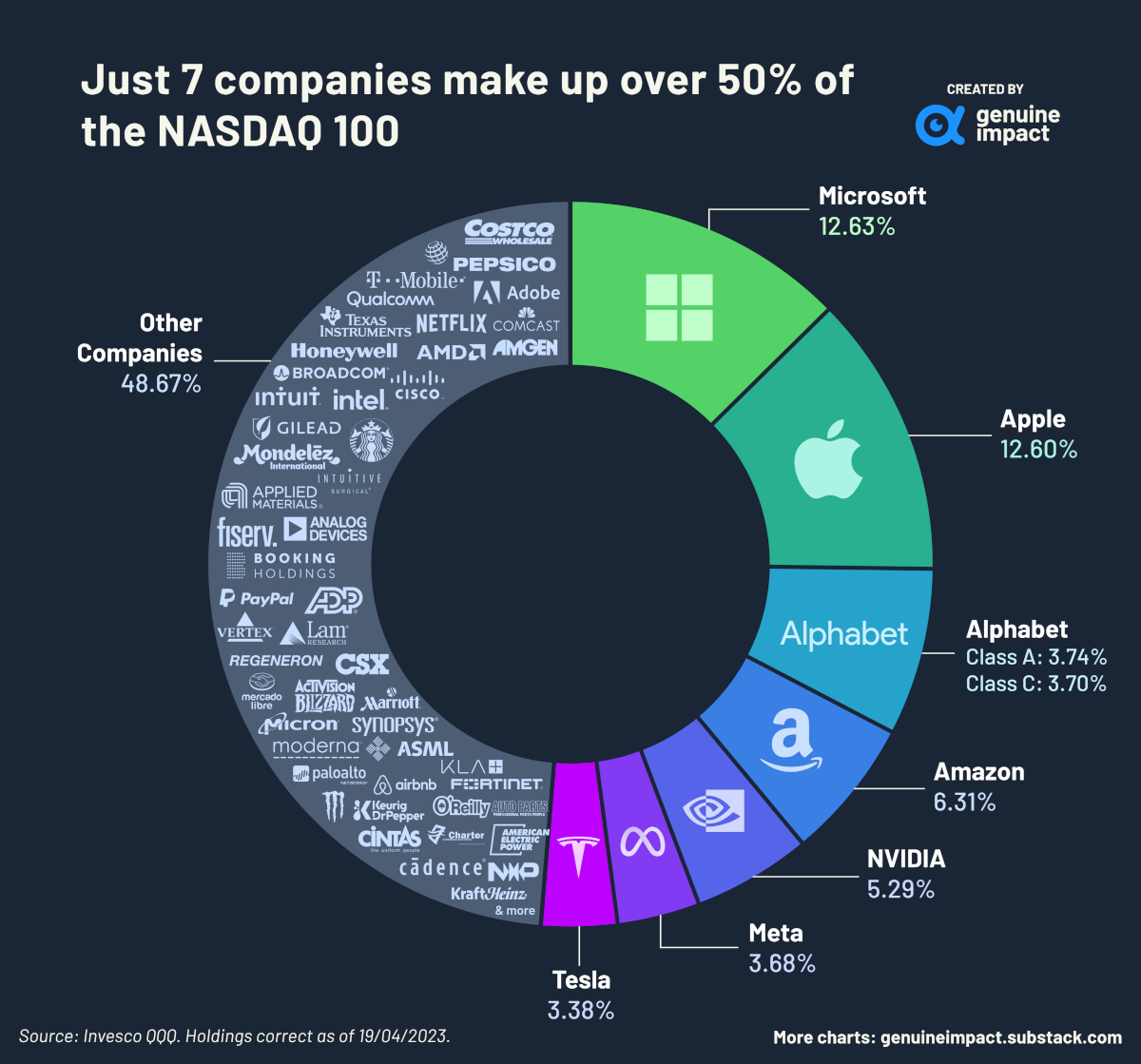
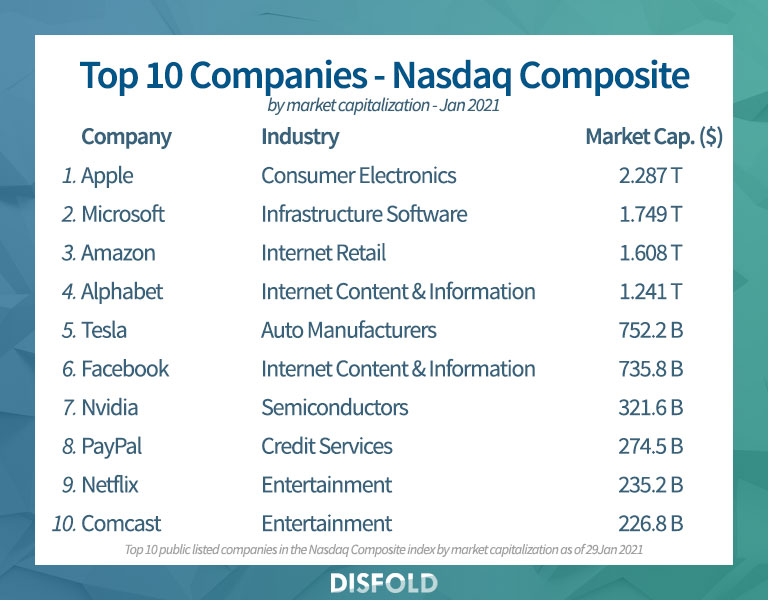
The electronic, multiple market maker structure of Nasdaq generally ensures high liquidity for its listed securities. High liquidity means that investors can buy and sell shares efficiently, with minimal impact on prices, which is crucial for managing portfolios and executing trades. Furthermore, Nasdaq is home to some of the world’s largest companies by market capitalization, often referred to as “mega-caps” or “blue-chip tech.” These companies, while representing a small fraction of the total number of listings, dominate the overall market value of the exchange and significantly influence its benchmark indices. This blend of highly liquid giants and emerging growth companies offers diverse entry points for investors across various risk tolerances and investment horizons.
Diversification Opportunities
Despite its association with technology, Nasdaq offers extensive diversification opportunities. Within the tech sector alone, there’s a broad spectrum ranging from semiconductor manufacturers to software-as-a-service (SaaS) providers and e-commerce giants. Beyond tech, Nasdaq also lists companies in healthcare, industrials, consumer services, and more. This breadth allows investors to diversify their portfolios across different industries and company sizes without necessarily looking beyond the Nasdaq ecosystem. Investors can build portfolios that balance exposure to established, profitable entities with smaller, high-growth ventures, all accessible through the same efficient trading platform.
Beyond the Number: Quality Over Quantity
While the total number of listed companies provides a macro overview, a deeper understanding of the Nasdaq requires looking beyond a simple count. The quality and impact of these listings, as measured by factors like market capitalization and index inclusion, often provide more meaningful insights for investors.
Market Cap and Index Inclusion: The Nasdaq 100
Among the thousands of companies listed, a smaller, highly influential subset forms the backbone of the exchange’s most widely followed benchmarks. The Nasdaq Composite Index includes nearly all Nasdaq-listed common stocks, serving as a broad measure of the exchange’s performance. However, perhaps even more significant for many investors is the Nasdaq 100 Index, which comprises the 100 largest non-financial companies listed on Nasdaq. This index is a bellwether for large-cap growth stocks and is heavily weighted towards technology, telecommunications, and biotech giants. Companies within the Nasdaq 100 often represent the vanguard of global innovation and have a disproportionate impact on overall market returns and sentiment. Their inclusion signifies robust financial health, significant market presence, and often, strong liquidity, making them prime candidates for institutional and individual investment.

The Role of Due Diligence for Investors
Regardless of the total number of companies or their listing on a prestigious exchange like Nasdaq, the fundamental principles of investing remain paramount. Listing on Nasdaq does not inherently guarantee success or make a company a sound investment. Investors must conduct thorough due diligence, analyzing a company’s financial statements, business model, competitive landscape, management team, and future prospects. Understanding the specific sector trends, evaluating valuation metrics, and assessing risks are crucial steps before committing capital. The sheer volume of companies on Nasdaq means there are both exceptional opportunities and significant risks, underscoring the importance of informed decision-making based on individual research rather than relying solely on the prestige of the listing.
aViewFromTheCave is a participant in the Amazon Services LLC Associates Program, an affiliate advertising program designed to provide a means for sites to earn advertising fees by advertising and linking to Amazon.com. Amazon, the Amazon logo, AmazonSupply, and the AmazonSupply logo are trademarks of Amazon.com, Inc. or its affiliates. As an Amazon Associate we earn affiliate commissions from qualifying purchases.