
The quest for a healthier lifestyle often begins with a fundamental question: how many calories should I be eating each day? While the answer isn’t a simple, universal number, understanding the factors that influence your individual caloric needs is crucial for effective weight management, optimal energy levels, and overall well-being. This article delves into the science behind calorie consumption, exploring the key determinants and providing a framework for calculating your personalized daily intake.
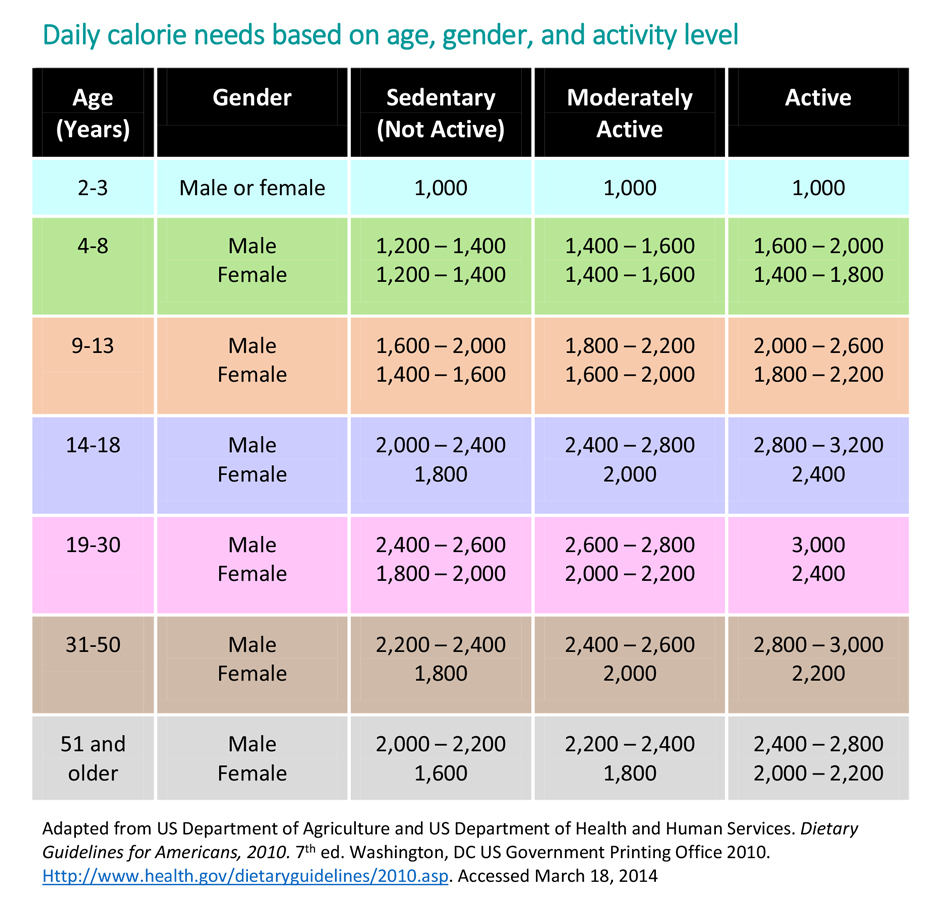
The Foundation of Energy: Understanding Basal Metabolic Rate (BMR)
At the core of our caloric needs lies our Basal Metabolic Rate (BMR). This represents the minimum number of calories your body requires to perform essential life-sustaining functions while at rest. Think of it as the energy expenditure needed to keep your heart beating, lungs breathing, brain functioning, and cells regenerating – all the silent, vital processes that occur even when you’re completely sedentary.

Factors Influencing Your BMR
Several intrinsic factors significantly impact your BMR. Understanding these will help demystify why two individuals with similar body weights might have different caloric requirements.
Age
As we age, our BMR naturally tends to decline. This is primarily due to a gradual decrease in muscle mass. Muscle tissue is metabolically more active than fat tissue, meaning it burns more calories at rest. Therefore, as muscle mass diminishes with age, so does our resting energy expenditure. This is a key reason why maintaining physical activity and muscle strength becomes increasingly important as we get older to counteract this natural decline.
Sex
On average, men tend to have a higher BMR than women. This is largely attributed to differences in body composition. Men typically possess a higher proportion of muscle mass and a lower percentage of body fat compared to women of the same weight. Since muscle tissue is more calorically demanding, this inherent difference contributes to a higher resting metabolic rate in men.
Body Weight and Composition
Your overall body weight is a primary driver of BMR. A heavier individual generally requires more calories to maintain basic bodily functions because there is more tissue to support. However, it’s not just about weight; body composition plays a critical role. As mentioned, muscle tissue burns more calories at rest than fat tissue. Therefore, someone with a higher percentage of lean muscle mass will have a higher BMR than someone of the same weight with a higher percentage of body fat. This is why strength training can be a powerful tool for boosting metabolism.
Height
Taller individuals generally have a higher BMR than shorter individuals of the same sex and weight. This is because larger bodies have more surface area and a greater volume of cells that require energy for maintenance and function. More tissue and organs mean more work for your metabolism.
Genetics
While often harder to quantify, your genetic makeup plays a role in your metabolic rate. Some individuals are naturally predisposed to have a faster metabolism, meaning their bodies burn calories more efficiently at rest. Conversely, others may have a naturally slower metabolism. While you can’t change your genes, understanding this factor can help set realistic expectations.
Beyond Rest: Accounting for Activity Levels
While BMR represents your caloric needs at rest, it’s only one piece of the puzzle. The vast majority of our daily calorie expenditure comes from physical activity, which can range from intentional exercise to the incidental movements of daily life. This is often referred to as your Total Daily Energy Expenditure (TDEE).
The Spectrum of Physical Activity
To accurately estimate your TDEE, you need to honestly assess your activity level. This isn’t about being an elite athlete; it’s about understanding the energy demands of your typical day.
Sedentary
This category includes individuals who lead a largely inactive lifestyle. Their daily routines involve minimal physical exertion, such as office work with little movement, and limited or no structured exercise. For these individuals, most of their calorie expenditure comes from their BMR, with only a small additional amount for basic daily movements.
Lightly Active
A lightly active person incorporates some degree of physical movement into their day. This might include a job that requires some standing and walking, or engaging in light exercise 1-3 days per week. Think of someone who takes a brisk walk most days or participates in a yoga class a couple of times a week.
Moderately Active
Individuals in this category engage in moderate physical activity most days of the week. This could involve a job that requires significant movement, or exercising at a moderate intensity for 3-5 days per week. Examples include regular brisk walking, jogging, cycling, or participating in team sports regularly.
Very Active
This level describes individuals who are highly engaged in physical activity. They might have a physically demanding job or engage in vigorous exercise for 6-7 days per week. This includes athletes, construction workers, or individuals who consistently participate in high-intensity interval training or endurance sports.
Extra Active
The most active individuals fall into this category. They engage in prolonged, strenuous physical activity daily, such as professional athletes training multiple times a day, or individuals with extremely demanding manual labor jobs.

Calculating Your Caloric Needs: Formulas and Tools
Now that we understand the fundamental components of energy expenditure, we can move towards calculating your estimated daily caloric needs. Several formulas exist, with the Mifflin-St Jeor equation being one of the most widely accepted and accurate for estimating BMR.
The Mifflin-St Jeor Equation
The Mifflin-St Jeor equation is a popular and relatively accurate method for calculating BMR. It was developed in 1990 and has been validated in numerous studies.
For men:
BMR = (10 × weight in kg) + (6.25 × height in cm) – (5 × age in years) + 5
For women:
BMR = (10 × weight in kg) + (6.25 × height in cm) – (5 × age in years) – 161
To use this formula, you’ll need your weight in kilograms (lbs ÷ 2.205), height in centimeters (inches × 2.54), and your age in years.
Applying the Activity Multiplier
Once you have your BMR, you multiply it by an activity factor to estimate your Total Daily Energy Expenditure (TDEE). These factors are generally as follows:
- Sedentary: BMR × 1.2
- Lightly Active: BMR × 1.375
- Moderately Active: BMR × 1.55
- Very Active: BMR × 1.725
- Extra Active: BMR × 1.9
For example, if a woman’s calculated BMR is 1400 calories and she describes herself as moderately active, her estimated TDEE would be 1400 × 1.55 = 2170 calories per day. This is the estimated number of calories she needs to maintain her current weight.
Online Calculators and Apps
For convenience, numerous online calculators and fitness tracking apps can perform these calculations for you. These tools often incorporate the Mifflin-St Jeor equation and allow you to input your personal details and activity level with ease. While these are excellent starting points, remember they provide estimates. Your individual metabolism can still vary.
Goal-Oriented Calorie Adjustments
The TDEE calculated above represents the number of calories you need to eat to maintain your current body weight. However, most individuals are looking to achieve specific goals, primarily weight loss or weight gain. This requires making calculated adjustments to your daily caloric intake.
Strategies for Weight Loss
To lose weight, you need to create a caloric deficit, meaning you consume fewer calories than your body expends. A common and generally safe recommendation is to aim for a deficit of 500-750 calories per day. This typically leads to a weight loss of approximately 1-1.5 pounds per week. It’s crucial to avoid drastic calorie restriction, as this can lead to nutrient deficiencies, muscle loss, and a slowed metabolism.
For instance, if your TDEE is 2200 calories and you aim to lose weight, you might aim to consume 1500-1700 calories per day. This deficit encourages your body to tap into its stored fat reserves for energy.
Strategies for Weight Gain
Conversely, to gain weight (typically muscle mass for most), you need to create a caloric surplus, consuming more calories than your body expends. A modest surplus of 250-500 calories per day is generally recommended to promote muscle growth without excessive fat accumulation.
If your TDEE is 2200 calories and your goal is to gain weight, you might aim for 2450-2700 calories per day. This surplus provides the extra energy needed to build new muscle tissue.
The Importance of Nutrient Timing and Quality
While the total number of calories is paramount, the quality and timing of your food intake also play significant roles in achieving your goals. A diet rich in whole, unprocessed foods provides essential vitamins, minerals, and fiber, supporting overall health and satiety. Nutrient timing, particularly around exercise, can optimize muscle recovery and growth. Focusing on lean proteins, complex carbohydrates, and healthy fats will contribute more effectively to your health than consuming the same number of calories from highly processed or sugary foods.
Beyond the Numbers: Listening to Your Body
While calculations and formulas provide a valuable starting point, they are not the definitive answer. Your body is a complex system, and listening to its signals is an indispensable part of understanding your true caloric needs.
Recognizing Hunger and Fullness Cues
Developing a mindful approach to eating involves paying attention to your body’s natural hunger and fullness signals. True hunger is a physical sensation, often characterized by a rumbling stomach or a slight lightheadedness. Over time, through mindful eating practices, you can learn to distinguish between physical hunger and emotional eating triggers, such as stress, boredom, or habit. Similarly, recognizing when you are comfortably full, rather than overly stuffed, is crucial for preventing overconsumption.
The Role of Lifestyle Factors
Beyond diet and exercise, various lifestyle factors can subtly influence your caloric needs and how your body utilizes energy. Adequate sleep is essential for hormone regulation, including those that control appetite. Chronic stress can disrupt metabolism and lead to increased cravings for calorie-dense foods. Even environmental factors, such as temperature, can have a minor impact on your body’s energy expenditure.
Regular Reassessment and Adaptation
Your caloric needs are not static. As your body composition changes, your activity levels fluctuate, and you age, your optimal calorie intake will also shift. Therefore, regular reassessment of your weight, energy levels, and how you feel is crucial. If you’re consistently feeling overly hungry, fatigued, or struggling to make progress towards your goals, it may be time to recalculate your caloric needs and adjust your intake accordingly. This adaptive approach ensures your dietary plan remains effective and supportive of your long-term health and well-being.
aViewFromTheCave is a participant in the Amazon Services LLC Associates Program, an affiliate advertising program designed to provide a means for sites to earn advertising fees by advertising and linking to Amazon.com. Amazon, the Amazon logo, AmazonSupply, and the AmazonSupply logo are trademarks of Amazon.com, Inc. or its affiliates. As an Amazon Associate we earn affiliate commissions from qualifying purchases.