
For many, a trip to the cinema is incomplete without the quintessential buttery, salty companion: a tub of movie popcorn. It’s a ritual, a comfort, and for the movie theaters, an undeniable cash cow. But beyond the immediate gratification, how often do we pause to consider the true cost of this indulgence? We’re not just talking about the steep dollar price, but also the often-overlooked caloric expenditure, and how both factor into our broader financial and health investments. This article will peel back the greasy layers to reveal the surprising financial implications intertwined with your cinema snack, urging you to rethink the value proposition of those fluffy kernels.

The Surprising Caloric Truth of Movie Popcorn
Before we delve into the dollars and cents, let’s address the elephant in the room: the sheer volume of calories packed into a standard tub of movie popcorn. Most consumers are aware that cinema popcorn isn’t exactly a health food, but the extent of its caloric density often comes as a shock. Understanding this nutritional reality is the first step in appreciating its true economic impact on your personal finance and long-term health budget.
Decoding the Nutritional Labels (or Lack Thereof)
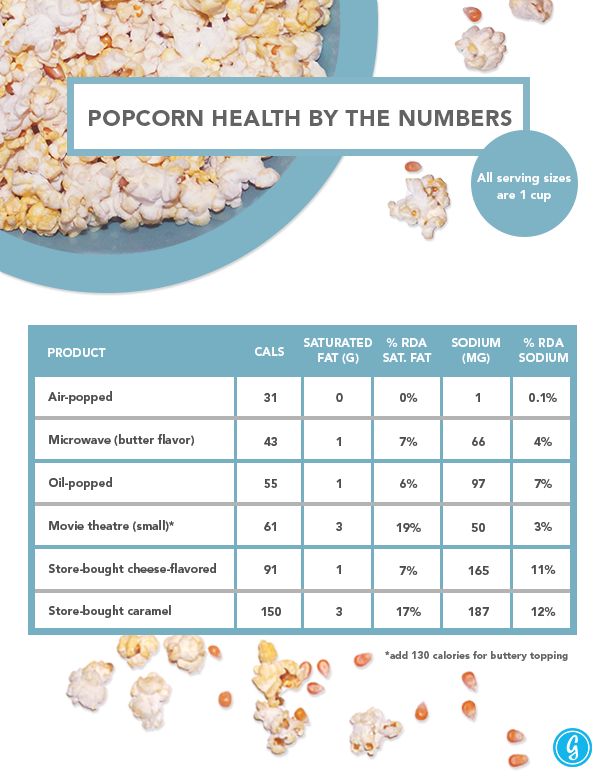
One of the challenges in assessing movie popcorn’s caloric content is the inconsistency and often unavailability of precise nutritional information. Unlike packaged foods found in supermarkets, cinema chains are not always required to provide detailed breakdowns for their freshly prepared items, or if they do, it might be buried in fine print or online. This lack of transparency can lead consumers to underestimate significantly the calories they are consuming. When information is available, it typically reveals a stark picture: even a medium-sized plain popcorn can easily exceed 600-800 calories, often without any added butter or toppings. This is a substantial portion of an average adult’s daily caloric intake, equivalent to a full meal, but offering little in terms of balanced nutrition.
Size Matters: A Caloric Breakdown by Tub
The portion sizes offered at movie theaters are notoriously generous, often ranging from “small” (which is frequently larger than a home-prepared serving) to “jumbo” or “family” sizes that can comfortably feed a small army. A typical small popcorn might hover around 400-600 calories, a medium around 800-1000, and a large or jumbo could easily push past the 1,200-1,500 calorie mark. To put this in perspective, consuming a large movie popcorn could be equivalent to eating two Big Macs, or several slices of pizza, all within the span of a two-hour film. For someone mindful of their caloric budget, this level of intake from a single snack item is not only staggering but can have significant implications for weight management and overall health, which in turn, has financial ramifications for healthcare and lifestyle costs in the long run.
Toppings and Add-ons: Calorie Magnifiers
The caloric content discussed above often refers to plain popcorn. However, the allure of movie popcorn is frequently enhanced by a generous dousing of “butter” (often a butter-flavored oil) and additional salt. These seemingly innocuous additions are calorie magnifiers. A single serving of butter-flavored topping can add an extra 100-200 calories, along with substantial amounts of saturated fat and sodium. For those who opt for multiple layers of topping, the calorie count can skyrocket, turning an already calorically dense snack into a veritable feast. From a financial perspective, these toppings also come with an extra charge, making an expensive snack even pricier, delivering diminishing returns in terms of nutritional value or health benefits for your hard-earned money.
Beyond the Calories: The Outrageous Price Tag
While the caloric density of movie popcorn is a critical component of its true cost, its upfront financial expense is perhaps the most glaring aspect of its impact on our wallets. Movie theaters have long operated on a business model where ticket sales barely cover operational costs, relying heavily on high-margin concession sales to generate profit. Popcorn, in particular, stands as the undisputed champion of this strategy.
The Economics of Concessions: Why Popcorn is a Goldmine
The cost of unpopped corn kernels is remarkably low. A large tub of popcorn, which might retail for $10-15 at the cinema, costs the theater mere pennies to produce. The markup on concessions, especially popcorn and soda, can be as high as 800-900%, sometimes even more. This isn’t accidental; it’s a carefully crafted business strategy. The captive audience, coupled with the sensory experience (the aroma of fresh popcorn is a powerful marketing tool), makes consumers willing to pay a premium for convenience and tradition. From a personal finance perspective, this means that a significant portion of your entertainment budget is allocated to items with a massive profit margin, offering relatively low intrinsic value to you as a consumer compared to their retail price. Understanding this economic dynamic is crucial for making informed spending decisions.
Your Entertainment Budget: Where Does Popcorn Fit In?
A night out at the movies for a family or even a couple can quickly become an expensive affair. Two tickets, perhaps a few sodas, and a large popcorn can easily push the total cost into the $50-$70 range, or even higher in metropolitan areas. For many households, entertainment spending is a discretionary category that requires careful budgeting. When a single snack item accounts for 20-30% of that budget, it begs the question of financial prioritization. Is the sensory experience of cinema popcorn truly worth sacrificing other potential expenditures, or diverting funds from savings goals? Analyzing where popcorn fits into your overall entertainment budget highlights the trade-offs consumers implicitly make.
Opportunity Cost: What Else Could That Money Buy?
The concept of opportunity cost is central to sound financial decision-making. Every dollar spent on movie popcorn represents a dollar not spent elsewhere. Consider a large popcorn and soda combo costing $15. What else could that $15 purchase? It could be:
- Several meals prepared at home.
- A contribution to a savings account or investment fund.
- A portion of a monthly gym membership.
- A new book or a streaming service subscription for a month.
- The ingredients for several batches of homemade, healthier popcorn.
The opportunity cost of regularly purchasing expensive, calorically dense movie popcorn extends beyond immediate financial implications; it touches upon long-term health investments and alternative forms of value and entertainment. This perspective encourages a more holistic view of consumer spending and its impact.

The “Value” Proposition: Are You Getting Your Money’s Worth?
When evaluating any purchase, the core question is always: “Am I getting good value for my money?” For movie popcorn, this question becomes complex, intertwining financial cost with nutritional cost, and short-term gratification with long-term consequences.
The Perceived Value vs. Real Value Dilemma
The perceived value of movie popcorn is high. It’s an integral part of the movie-watching experience, evoking nostalgia and a sense of indulgence. The aroma, the warmth, the act of sharing – these all contribute to an emotional connection that justifies the high price in the moment. However, the real value, when stripped down to its financial and nutritional components, is significantly lower. From a financial standpoint, you’re paying a premium for a product with a minuscule production cost. From a nutritional standpoint, you’re consuming a high-calorie, low-nutrient snack that can quickly derail dietary goals. Understanding this disconnect between perceived and real value is crucial for making financially savvy choices.
Health as an Investment: The Long-Term Financial Impact
We often think of financial investments in terms of stocks, bonds, or real estate. However, investing in one’s health is arguably the most critical long-term financial investment. A diet consistently high in processed, high-calorie, low-nutrient foods – like excessive movie popcorn consumption – can contribute to various health issues such as obesity, heart disease, and diabetes. The financial cost of managing these conditions through medication, doctor visits, and potential loss of income due to illness can be astronomical over a lifetime. Therefore, every decision to consume unhealthy, expensive snacks like movie popcorn, while seemingly minor, incrementally chips away at your most important long-term investment: your health. From this perspective, the “hidden cost” of movie popcorn extends far beyond the ticket booth.
Smart Snacking Strategies for Your Wallet and Waistline
Armed with an understanding of both the caloric and financial cost of movie popcorn, consumers can adopt smarter strategies to enjoy their cinema experience without breaking the bank or derailing their health goals.
DIY Popcorn: A Cost-Effective and Healthier Alternative
The most straightforward alternative is to make your own popcorn at home. Using an air popper or even a pot on the stove, you can prepare a large batch of popcorn for pennies. You have complete control over the type of oil (or none at all), the amount of salt, and any healthier seasonings. A bag of unpopped kernels, costing a few dollars, can yield dozens of servings, providing immense financial savings compared to cinema prices. Furthermore, homemade popcorn allows you to manage the caloric content more effectively, opting for a lighter, healthier snack that doesn’t compromise your dietary discipline.
Strategic Snacking: Bringing Your Own (When Permitted)
While many cinemas strictly prohibit outside food and drinks, some independent theaters or drive-ins might be more lenient. It’s always worth checking the policy. If allowed, bringing your own snacks – whether it’s homemade popcorn, fruit, nuts, or a healthy sandwich – can lead to significant savings. Even in theaters with strict policies, a small, discreet snack in your bag might save you from succumbing to the high-priced offerings. This strategy is not about circumventing rules, but about making conscious financial and health decisions where possible, acknowledging the financial pressure movie theaters exert on consumers.
Rethinking Your Cinema Spend
Beyond just popcorn, consider the entirety of your cinema spending. Are there loyalty programs or matinee prices that can reduce ticket costs? Could you choose to attend fewer movies but invest more in a premium viewing experience (like IMAX or luxury seating) instead of on snacks? Shifting your focus from concessions to the film itself, or to the overall value of the experience, can lead to more fulfilling and financially responsible entertainment choices. It’s about being an intentional consumer rather than a reactive one.
Making Informed Financial and Dietary Choices at the Movies
Ultimately, the decision to purchase movie popcorn, or any concession, is a personal one. However, by understanding the comprehensive financial and caloric implications, consumers are empowered to make choices that align better with their personal finance goals and health aspirations.
The Power of Awareness and Planning
The first step to smarter spending is awareness. Knowing that a large movie popcorn could cost upwards of $15 and contain over 1,000 calories can be a powerful deterrent or, at least, a call for moderation. Planning ahead, whether it’s deciding to share a small popcorn, opting for a healthier alternative, or simply choosing to forgo snacks entirely, places control back in the hands of the consumer. This proactive approach to spending and eating is a hallmark of good personal finance.
A Holistic View of Entertainment Spending
Viewing movie popcorn not just as a treat, but as an integral part of your financial and health budget, allows for a more holistic approach to entertainment spending. It encourages a mindful consideration of how each dollar (and each calorie) contributes to your overall well-being and financial security. Is the momentary pleasure of overpriced, calorically dense popcorn truly worth its hidden costs? For some, the answer might still be yes, and that’s perfectly fine as long as it’s an informed choice. For others, this deep dive might just be the push needed to bring a healthier, more wallet-friendly snack to their next cinematic adventure, proving that savvy financial decisions can enhance, rather than detract from, life’s enjoyable moments.
aViewFromTheCave is a participant in the Amazon Services LLC Associates Program, an affiliate advertising program designed to provide a means for sites to earn advertising fees by advertising and linking to Amazon.com. Amazon, the Amazon logo, AmazonSupply, and the AmazonSupply logo are trademarks of Amazon.com, Inc. or its affiliates. As an Amazon Associate we earn affiliate commissions from qualifying purchases.