
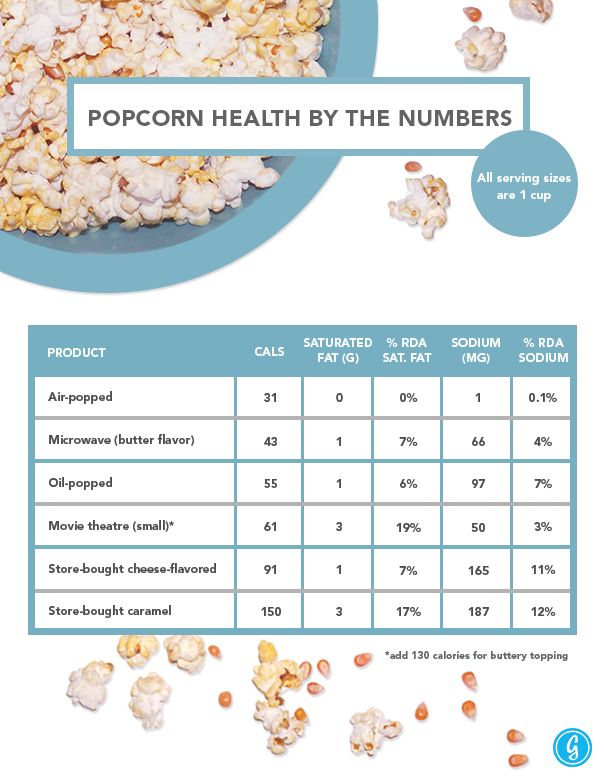
When a consumer walks into a theater and asks, “How many calories in popcorn at the movies?” they are usually looking for a nutritional figure to manage their diet. However, for the cinema owner, that question represents the most vital metric in the entertainment industry’s financial playbook. In the world of business finance, movie theater popcorn is not just a snack; it is a high-margin financial instrument that keeps the doors open. To understand the true cost of those calories, one must look past the butter and salt and examine the complex unit economics, markup strategies, and revenue models that define the modern cinematic experience.

The Unit Economics of the Silver Screen: Why Popcorn is the Real Hero
To the average moviegoer, the price of a ticket feels like the primary transaction. From a financial perspective, however, theaters operate on razor-thin margins regarding ticket sales. In the first few weeks of a blockbuster’s release, a significant portion—often 60% to 80%—of the ticket revenue is funneled back to the film studios (such as Disney or Warner Bros.). After paying for labor, electricity, and the high lease costs associated with large-scale commercial real estate, theaters often break even or even lose money on the ticket itself.
This is where the popcorn comes in. The unit economics of cinema concessions are some of the most lucrative in the retail world. A large tub of popcorn, which may contain upwards of 1,200 calories, often costs the theater less than $1.00 in raw materials (corn kernels, coconut oil, salt, and the cardboard bucket). When that same bucket is sold for $8.00 to $10.00, the markup exceeds 800% to 1,000%.
The Revenue Split: Concessions vs. Box Office
In financial reporting for major theater chains like AMC or Cinemark, concessions typically account for about 30% of total revenue but can represent up to 50% or more of the total profit. This “Concession-to-Ticket Ratio” is a key performance indicator (KPI) for theater managers. If a theater sells a ticket but fails to sell a high-calorie snack, the transaction is considered a missed opportunity in the context of business finance.
The Low Cost of Goods Sold (COGS)
The financial beauty of popcorn lies in its shelf stability and low COGS. Unlike fresh produce or high-end dining options, kernels can be stored for long periods without spoilage. The labor required to “manufacture” the product is minimal, involving entry-level staff operating standardized machinery. This allows the business to maintain high inventory turnover with very little capital risk.
The Anatomy of a 1,000% Markup: Analyzing the Financial Model
The high price of cinema popcorn is often a point of frustration for consumers, but it is a calculated necessity of the theater’s financial model. The “calories per dollar” ratio is intentionally skewed to encourage larger purchases, a strategy known in marketing and finance as “the decoy effect” or anchor pricing.
Anchor Pricing and the Upsell Strategy
When looking at the menu, a customer might see a small popcorn for $6.50 and a large popcorn—containing double the calories—for $8.00. Financially, the small exists only to make the large look like a bargain. The incremental cost to the theater to provide those extra calories is negligible, yet they capture an extra $1.50 in pure profit. By anchoring the price of the small so high, they push the consumer toward the higher-revenue item, maximizing the “per-capita spend” (a metric used to measure how much each guest spends on food).
The Subsidy Model of Cinema Finance
From a personal finance perspective, the high price of popcorn can be viewed as a “voluntary tax.” If theaters were to lower the price of popcorn to match grocery store prices, they would be forced to double or triple the price of movie tickets to remain solvent. In this sense, the high-calorie snacks of the few subsidize the ticket prices for the many. This price discrimination allows the theater to capture more “consumer surplus” from those willing to spend on snacks while still attracting price-sensitive customers who only buy a ticket.
The Sunk Cost Fallacy in Consumer Spending
Theaters utilize the “sunk cost” psychological phenomenon to drive concession sales. Once a customer has spent $15 on a ticket and $20 on parking or transportation, they are already “invested” in the experience. Spending an additional $10 on a bucket of popcorn feels like a smaller marginal increase in the total cost of the “night out,” even if the markup is objectively astronomical.
Consumer Psychology and the Financial Impact of the “Experience”
When a consumer asks how many calories are in their popcorn, they are engaging with the product as a health metric. When a business asks, they are engaging with it as an “experience” metric. The scent of theater popcorn is a deliberate part of the brand’s financial strategy—sensory marketing designed to trigger impulse buys.
The Monopoly Power of the Concession Stand
Theaters operate as a “walled garden” or a localized monopoly. By strictly prohibiting outside food and beverage, they force a captured audience to choose between their high-margin offerings or going without. This allows the theater to ignore the standard market pricing for corn and butter and set prices based on the lack of competition within the building. Financially, this is similar to how airports or sports stadiums operate, where the “cost of convenience” is factored into the price.
Calorie Density and Satiety as a Business Tool
There is a financial reason why theater popcorn is laden with salt and artificial butter flavoring. These ingredients increase thirst, which directly leads to the secondary sale of high-margin fountain drinks. In the world of business finance, this is known as “product bundling” or “cross-selling.” A customer who consumes 1,200 calories of salty popcorn is statistically more likely to purchase a $6 soda, which carries an even higher profit margin than the popcorn itself.
The Survival of the Cinema: Concessions as the Lifeblood of Business Finance
As the film industry faces increasing pressure from streaming services like Netflix and Disney+, the financial stability of physical theaters has become more dependent than ever on the concession stand. The “calories in popcorn” are, quite literally, the fuel for the industry’s survival.
Diversification of the Revenue Stream
To combat the decline in theater attendance, many chains are moving toward “luxury” or “dine-in” models. While these offer more diverse menus, the core financial principle remains the same: the ticket gets you in the door, but the food (and its massive markup) pays the bills. Theaters are now experimenting with gourmet popcorn, alcoholic beverages, and full-service meals to increase the average transaction value.
The Impact of Health Regulations on the Bottom Line
In recent years, many jurisdictions have required theaters to post the calorie counts of their popcorn on the menu. From a business finance perspective, there was initial concern that this transparency would lead to a decrease in sales. However, data has shown that the “theater experience” is often viewed by consumers as a “cheat day” or an exception to their regular financial and nutritional habits. The demand for theater popcorn remains relatively inelastic; customers are willing to pay the high price—both in dollars and calories—because it is an integral part of the cinematic tradition.

The Future of Theater Financial Stability
As we look at the future of cinema, the “popcorn model” is being studied by other industries as a masterclass in ancillary revenue. Whether it is a software company offering a “free” tool but charging for premium support, or a gym offering low membership fees but selling high-margin supplements, the principle of the movie theater popcorn markup is everywhere.
In conclusion, while the question “how many calories in popcorn at the movies” has a simple biological answer, the financial answer is far more significant. Those calories represent the difference between a theater chain declaring bankruptcy and one that can afford to upgrade to IMAX screens and heated reclining seats. For the investor and the business owner, the popcorn bucket isn’t just a snack—it’s a high-yield asset in a volatile entertainment market. Understanding this allows one to see the theater not just as a place of art and storytelling, but as a finely tuned financial engine powered by the most profitable kernels in the world.
aViewFromTheCave is a participant in the Amazon Services LLC Associates Program, an affiliate advertising program designed to provide a means for sites to earn advertising fees by advertising and linking to Amazon.com. Amazon, the Amazon logo, AmazonSupply, and the AmazonSupply logo are trademarks of Amazon.com, Inc. or its affiliates. As an Amazon Associate we earn affiliate commissions from qualifying purchases.