
In the modern digital landscape, the human body is increasingly viewed as a complex biological system that can be measured, tracked, and optimized. The fundamental question—”How many calories does my body need?”—has transitioned from a matter of guesswork and manual calculation into a high-precision data science problem. For the tech-conscious individual, understanding caloric requirements is no longer just about weight management; it is about managing “input vs. output” efficiency through the lens of sophisticated software, wearables, and metabolic algorithms.
Determining your caloric needs requires a synthesis of static biological formulas and dynamic real-time data. To optimize performance, one must look beyond the back of a food label and into the integrated tech stack that governs modern bio-optimization.
The Algorithm of You: Understanding Basal Metabolic Rate (BMR) in the Digital Age
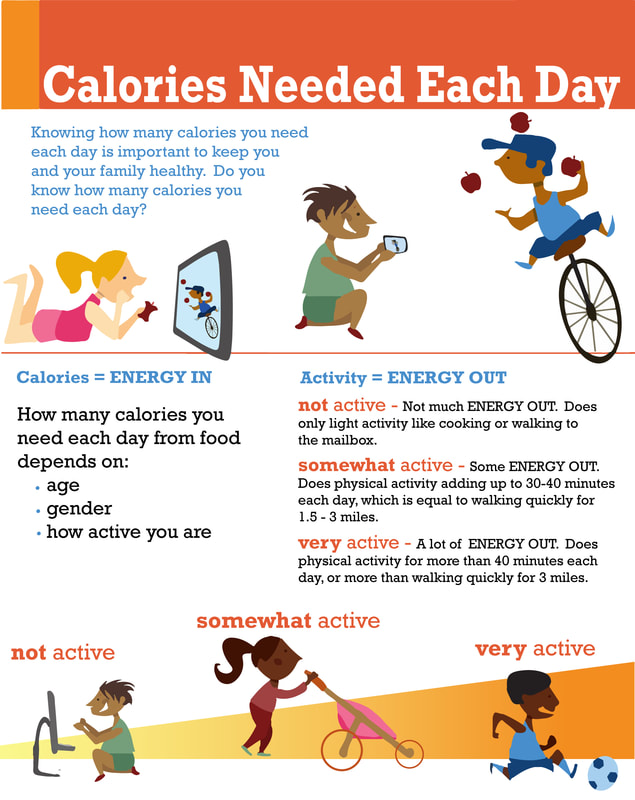
At the core of caloric estimation lies the Basal Metabolic Rate (BMR). This is the baseline “operating system” energy requirement—the number of calories your body consumes to maintain vital functions like breathing, circulation, and cell production while at complete rest. In the tech world, this is akin to the idle power consumption of a server.
The Evolution of Metabolic Formulas
Historically, humans relied on manual equations to estimate this baseline. The Harris-Benedict equation, developed in the early 20th century, was the first major “algorithm” for human energy. However, as data sets have improved, more refined models have emerged.
-
The Mifflin-St Jeor Equation: Currently considered the industry standard for most fitness software and health apps, this formula offers a high degree of accuracy for modern sedentary and moderately active populations.
-
The Katch-McArdle Formula: For those with access to body composition technology (such as DEXA scans or bioelectrical impedance scales), this formula is the gold standard. It calculates BMR based on lean body mass rather than total weight, acknowledging that muscle tissue is more metabolically “expensive” than fat.
Software Implementation of Metabolic Modeling
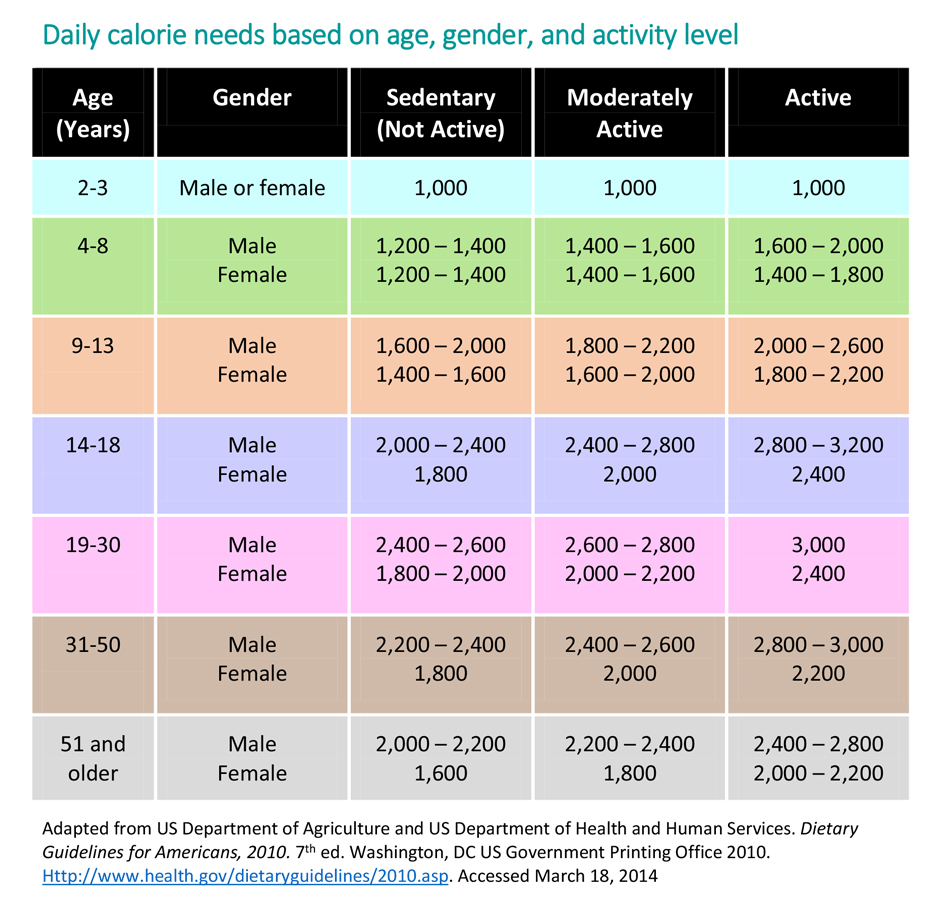
Most modern health platforms, from MyFitnessPal to specialized coaching software, automate these calculations. When a user inputs their height, weight, age, and biological sex, the software runs these variables through a chosen algorithm to provide a “TDEE” (Total Daily Energy Expenditure). The TDEE is the sum of your BMR plus the “activity multiplier”—the digital estimation of how much energy you expend through movement.
The challenge with these software models is their reliance on self-reported activity levels. To solve the “human error” variable in data entry, the industry has shifted toward hardware-integrated tracking.
Wearables and Real-Time Data: From Static Formulas to Dynamic Tracking
The most significant leap in answering the caloric question has been the rise of wearable technology. Devices like the Apple Watch, WHOOP, Oura Ring, and Garmin ecosystems have replaced static estimations with continuous, real-time data streams.
Photoplethysmography (PPG) and Heart Rate Variability
Wearables primarily use PPG—the use of light sensors to measure blood flow—to track heart rate. By monitoring your heart rate 24/7, these devices can estimate your Total Daily Energy Expenditure with much higher nuance than a static spreadsheet.
High-end wearables utilize Heart Rate Variability (HRV) and respiratory rate to determine the “strain” or metabolic load on the body. If your heart rate is elevated during a high-intensity workout or even during a stressful meeting, the device’s algorithm adjusts your caloric burn estimation upward, reflecting the increased demand on your central nervous system.
The Accuracy Gap in Consumer Sensors
While the technology is impressive, it is not infallible. Tech-savvy users must understand the “margin of error” inherent in consumer-grade sensors. Research indicates that while wearables are excellent at tracking heart rate and sleep cycles, their calorie-burn estimations can vary by 10% to 30% depending on the activity.
This discrepancy occurs because wearables use proprietary algorithms to “guess” caloric expenditure based on movement (accelerometers) and pulse. For a more accurate reading, many users now integrate their wearables with “smart scales” that sync body fat percentage via Bluetooth, allowing the device to refine its metabolic model based on lean muscle mass data.
AI-Driven Nutrition: The Rise of Smart Logging and Predictive Analytics
Knowing how many calories you need is only half the battle; the other half is accurately tracking the calories you consume. The “tech stack” for nutrition has evolved from manual typing to AI-assisted data entry.
Computer Vision and Image Recognition
Manually searching for a “medium-sized apple” in a database is a friction point that leads to data degradation. Modern apps are now leveraging computer vision and neural networks. By simply taking a photo of a meal, AI models can identify food types, estimate volume, and calculate macronutrient ratios with increasing precision.
These AI tools use massive databases of nutritional information to provide an “instant read” of caloric intake. While still in its refinement phase, this technology reduces the cognitive load on the user, making “biological accounting” more sustainable over long periods.
Machine Learning for Metabolic Adaptation
One of the most complex aspects of human biology is metabolic adaptation—the process where the body becomes more efficient and burns fewer calories as you lose weight. This is a dynamic variable that static calculators cannot account for.
New-age platforms like MacroFactor and Carbon Diet Coach use machine learning to solve this. Instead of relying on a fixed number, these apps analyze your weight trend data against your reported caloric intake over a rolling 14-day window. If the data shows you are not losing weight despite “hitting your numbers,” the algorithm recognizes a metabolic slowdown and recalibrates your caloric needs automatically. This is “predictive maintenance” for the human body.
The Future of Bio-Tech: Continuous Glucose Monitors (CGM) and Beyond
We are entering an era where the question “How many calories does my body need?” is being overshadowed by “How does my body process these specific calories?” The next frontier in this tech niche is the democratization of clinical-grade hardware for personal use.
Continuous Glucose Monitors (CGM) for Non-Diabetics
Companies like Levels and Nutrisense are repurposing CGMs—sensors that sit under the skin to monitor blood sugar in real-time—for the general optimization market. By tracking glucose spikes, users can see how their body reacts to different caloric inputs.
A “calorie” is a unit of heat, but the hormonal response to that calorie (insulin) determines whether that energy is burned or stored. CGM technology allows users to see the “digital footprint” of their metabolism, identifying which foods cause energy crashes and which provide stable fuel, effectively fine-tuning their caloric “efficiency.”
Digital Twins and Metabolic Simulations
In the near future, we may see the rise of “Digital Twins” in health tech. This involves creating a virtual model of a user’s metabolism based on DNA sequencing, gut microbiome analysis, and historical health data. Researchers are working on simulations that would allow a user to “test” a specific caloric intake or fasting protocol on their digital twin before implementing it in real life, predicting outcomes with 99% accuracy.
Implementing a Data-Driven Nutritional Strategy
To accurately determine and manage your caloric needs using technology, you should treat your body’s data with the same rigor as a business professional treats a financial P&L (Profit and Loss) statement.
Building Your Health Tech Stack
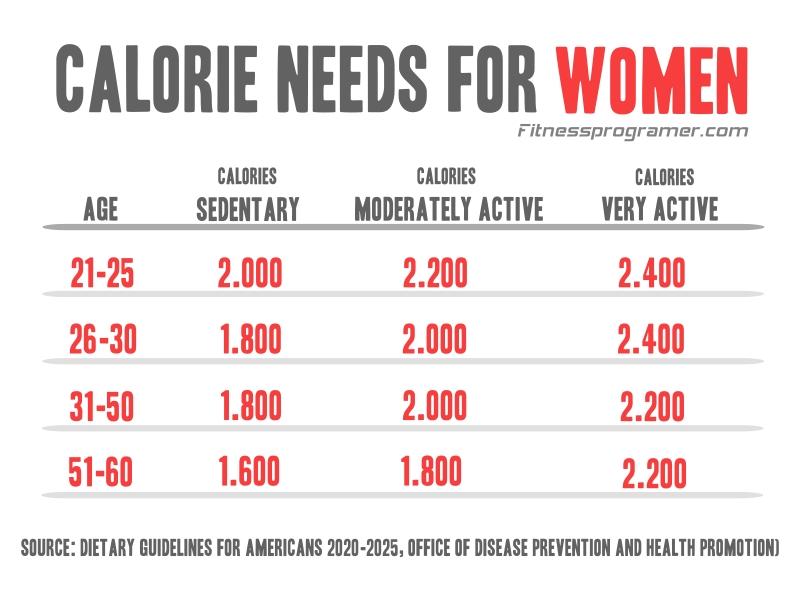
To get the most accurate answer to “How many calories do I need?”, consider the following integrated approach:
-
Baseline Generation: Use an app with a robust algorithm (e.g., Mifflin-St Jeor) to get a starting estimate.
-
Activity Tracking: Wear a high-frequency sampling device (like a WHOOP or Garmin) to capture active energy expenditure and recovery metrics.
-
Automated Logging: Use AI-assisted logging tools to minimize the gap between actual and reported intake.
-
Consolidation: Use a centralized dashboard (like Apple Health or Google Fit) to aggregate data from your scale, your tracker, and your nutrition app.
By viewing caloric needs as a dynamic data point rather than a fixed number, you can leverage the power of technology to achieve peak physical and cognitive performance. In the world of bio-optimization, the data doesn’t lie—but it does require the right tools to interpret. As algorithms become more personalized and sensors become more invasive (in a helpful sense), our ability to master our own biology will only increase. Your body’s caloric requirement is a moving target; fortunately, we finally have the high-tech tracking systems necessary to hit it every single day.
aViewFromTheCave is a participant in the Amazon Services LLC Associates Program, an affiliate advertising program designed to provide a means for sites to earn advertising fees by advertising and linking to Amazon.com. Amazon, the Amazon logo, AmazonSupply, and the AmazonSupply logo are trademarks of Amazon.com, Inc. or its affiliates. As an Amazon Associate we earn affiliate commissions from qualifying purchases.