
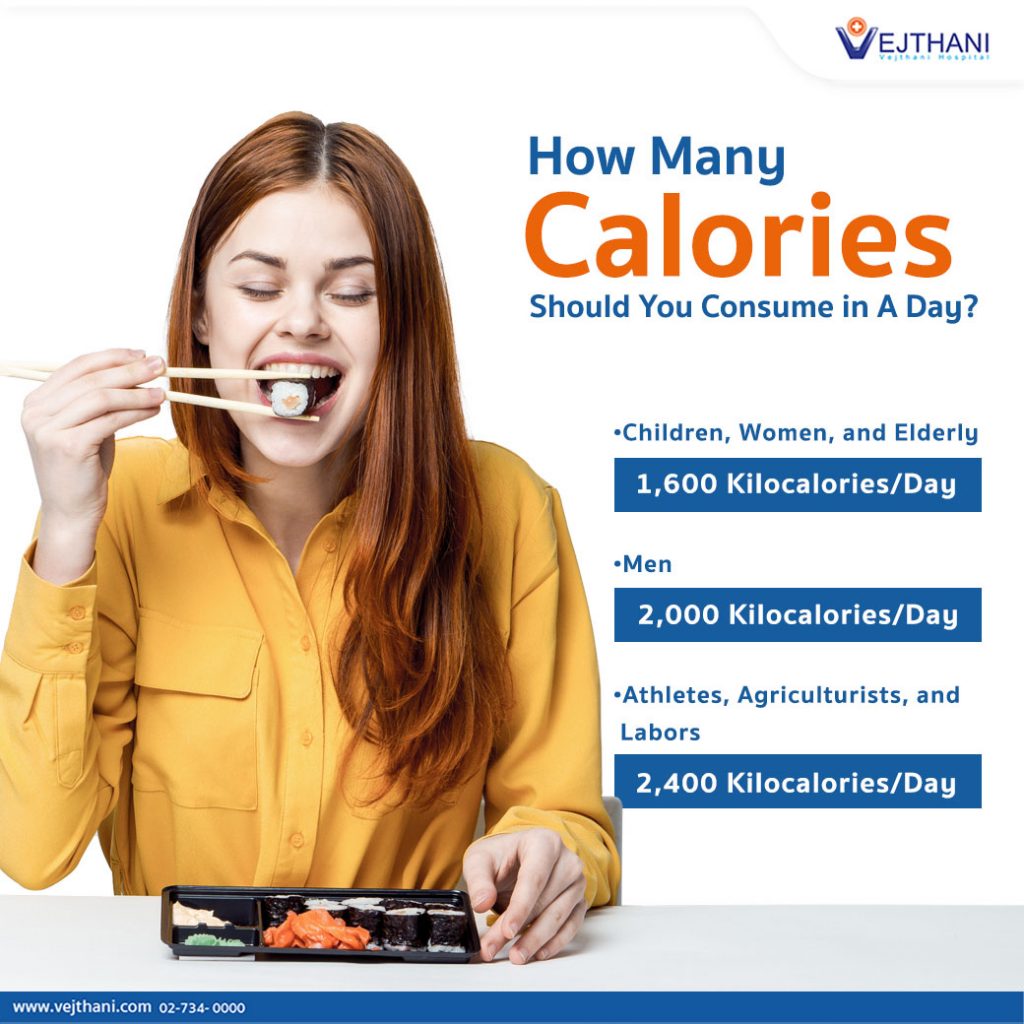
In an increasingly health-conscious world, understanding one’s daily caloric needs has become a cornerstone of effective weight management, athletic performance, and overall well-being. However, gone are the days of tedious manual calculations and guesswork. The digital age has ushered in a sophisticated suite of technological tools that transform the complex science of metabolism and energy balance into actionable, personalized insights. This article delves into how technology helps us answer the fundamental question: “How many calories do you need a day?” by exploring the software, AI, apps, and gadgets that are revolutionizing personal nutrition.
The Digital Revolution in Calorie Tracking and Calculation
The journey to understanding your optimal caloric intake has been fundamentally reshaped by advancements in technology. What once required consultations with dietitians or laborious manual tracking can now be achieved with remarkable precision and convenience, right at your fingertips. This paradigm shift underscores the profound impact of digital innovation on personal health management.
From Manual Logs to Smart Apps
The evolution of calorie tracking began with pen-and-paper food diaries, a method prone to human error and inconsistency. Today, mobile applications have become indispensable tools for logging dietary intake. Apps like MyFitnessPal, Cronometer, and Lose It! offer extensive databases of food items, allowing users to quickly search, scan barcodes, or even photograph meals to log their calories and macronutrients. These platforms go beyond simple logging, providing daily summaries, nutritional breakdowns, and progress charts that would have been impossible to generate manually. They empower users with instant feedback, fostering a deeper awareness of their eating habits and caloric consumption. The sheer volume of data these apps process also allows for trend analysis, helping users identify patterns in their diet and make informed adjustments.
Wearable Technology and Real-time Data
The advent of wearable technology has added another layer of sophistication to calorie management. Fitness trackers and smartwatches from brands like Fitbit, Apple Watch, and Garmin monitor a host of physiological parameters, including heart rate, steps taken, distance covered, and even sleep patterns. Crucially, these devices integrate algorithms that estimate the calories burned throughout the day, both during exercise and at rest. This real-time, dynamic data provides a much more accurate picture of an individual’s total daily energy expenditure (TDEE) compared to static estimations. When combined with food logging apps, wearables create a comprehensive feedback loop, showing users their caloric balance in near real-time and helping them adjust their intake or activity levels to meet their goals. The continuous monitoring minimizes guesswork and promotes a more proactive approach to health.
The Power of AI in Personalized Nutrition
Perhaps the most transformative technological leap in calorie management comes from Artificial Intelligence (AI) and machine learning. AI-driven platforms are moving beyond mere tracking to offer highly personalized nutritional guidance. These systems can analyze vast datasets, including an individual’s biometric data, activity levels, dietary preferences, health goals, and even genetic predispositions, to generate tailored calorie recommendations and meal plans. AI can predict how different food choices might impact an individual’s energy levels or weight goals, offering proactive suggestions rather than just reactive tracking. Some advanced AI tools can even adapt recommendations based on real-time feedback, learning from user habits and physiological responses to optimize their dietary advice continuously. This level of personalized insight represents a significant shift from generic dietary guidelines to truly bespoke nutritional strategies.
Understanding Your Caloric Baseline: Tech-Driven Calculation
Before any adjustments can be made for weight loss, gain, or maintenance, an individual must first understand their baseline caloric needs. Technology has significantly simplified and refined the process of calculating these fundamental metrics, making complex physiological equations accessible to the average user.
Basal Metabolic Rate (BMR) and Online Calculators
The Basal Metabolic Rate (BMR) represents the number of calories your body needs to perform basic, life-sustaining functions while at rest, such as breathing, circulation, and cell production. Historically, BMR calculations involved cumbersome formulas like the Mifflin-St Jeor or Harris-Benedict equations. Today, countless online BMR calculators and integrated app features allow users to input their age, sex, weight, and height, providing an instant and remarkably accurate estimate. These digital tools democratize access to essential physiological data, offering a foundational understanding of an individual’s resting energy expenditure without the need for manual mathematical computation or specialized physiological testing. Many calculators also explain the underlying formulas, adding an educational component.
Total Daily Energy Expenditure (TDEE) Algorithms
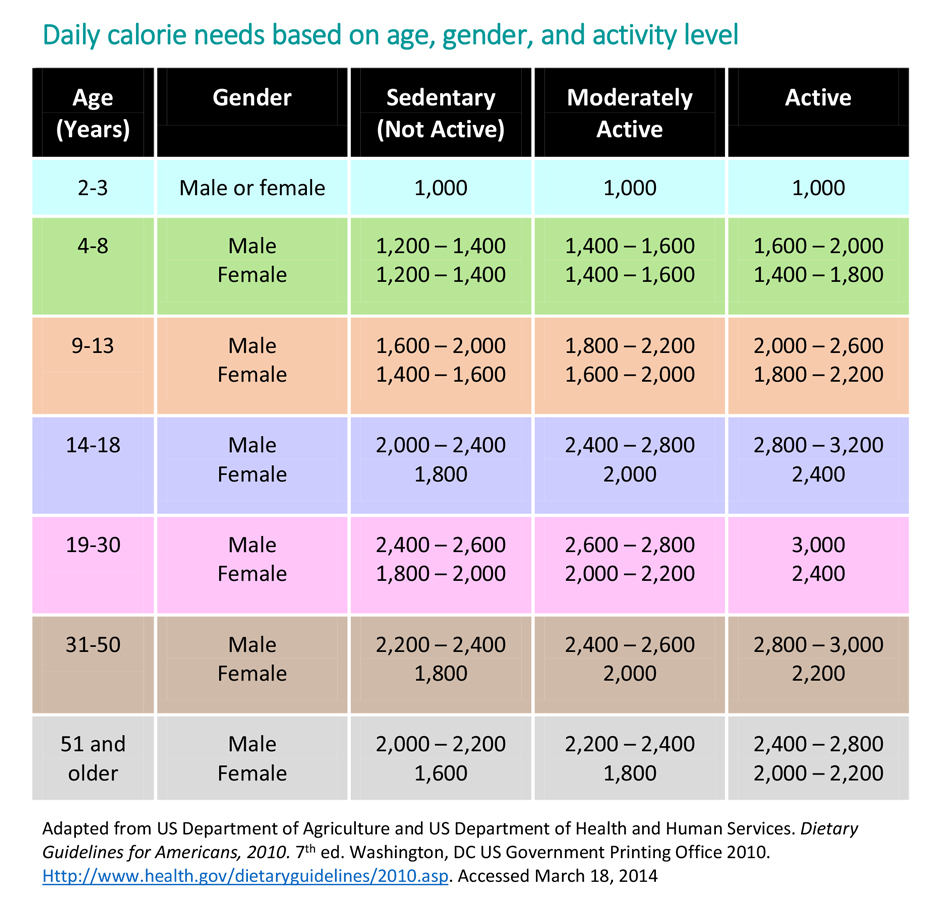
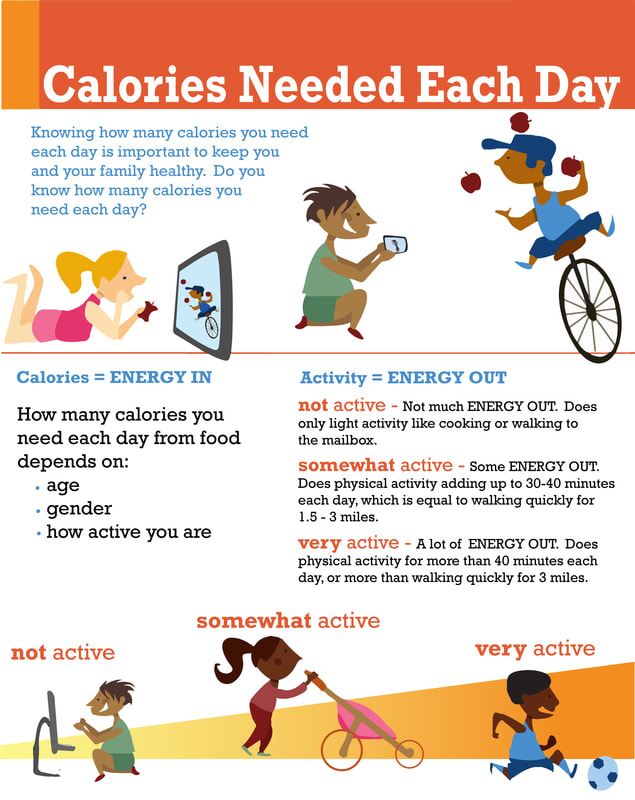
While BMR accounts for resting energy, the Total Daily Energy Expenditure (TDEE) factors in physical activity. TDEE is a more comprehensive measure, representing the total calories burned throughout the day, including BMR, the thermic effect of food, and energy expended during exercise and non-exercise activity. Tech platforms utilize advanced algorithms that combine BMR with activity multipliers (ranging from sedentary to extremely active) to calculate TDEE. Many fitness apps further enhance TDEE accuracy by integrating data from wearable devices, which continuously monitor and record activity levels. This dynamic adjustment based on real-world movement offers a far more precise TDEE estimate than static questionnaires, making it a powerful tool for setting daily calorie targets for specific health outcomes.
Activity Trackers and Dynamic Calorie Adjustments
The continuous monitoring capabilities of modern activity trackers and smartwatches have revolutionized the concept of dynamic calorie adjustment. Unlike traditional methods where activity levels were estimated manually, these gadgets use accelerometers, gyroscopes, and heart rate sensors to quantify movement and exercise with high precision. The data collected by these devices feeds into sophisticated algorithms that update TDEE estimates throughout the day. For example, if a user has a particularly active day, their tracker will estimate a higher calorie burn, prompting a potential adjustment in their calorie intake goals within connected apps. This real-time feedback loop allows for flexible and responsive meal planning, ensuring that caloric intake aligns closely with actual energy expenditure, a critical factor for achieving specific weight or fitness goals.
Advanced Tools for Precision and Accountability
Beyond basic tracking, the tech landscape offers increasingly sophisticated tools designed to enhance precision, maintain accountability, and streamline the entire process of calorie management. These innovations leverage AI and data integration to provide a holistic and highly personalized experience.
Food Logging Apps: Features and Benefits
Modern food logging apps have evolved beyond simple data entry. They now boast features such as extensive verified food databases (often with nutritional information from government agencies), barcode scanners for packaged goods, and even AI-powered image recognition that can estimate portion sizes and nutrient content from a photo of your meal. Many apps also allow users to create custom recipes and track specific macronutrient ratios (proteins, carbs, fats), which is crucial for athletes or individuals following particular dietary protocols. The benefit lies in their ability to provide immediate and comprehensive feedback, allowing users to see exactly where their calories are coming from and how their food choices impact their daily totals and overall health goals. This data empowers users to make informed, real-time decisions about their diet.
AI-Powered Meal Planning and Recipe Generation
One of the most exciting advancements is the emergence of AI-powered meal planners. These tools take the guesswork out of daily nutrition by generating personalized meal plans that align with an individual’s caloric needs, macronutrient targets, dietary restrictions (e.g., vegetarian, gluten-free), and even taste preferences. AI algorithms can analyze thousands of recipes, consider ingredient availability, and optimize for nutritional balance. Some platforms can even generate grocery lists based on the meal plan, streamlining the entire process from planning to plate. This level of automated, intelligent planning significantly reduces the cognitive load associated with maintaining a healthy diet and ensures that users consistently meet their caloric and nutritional targets without constant manual effort.
Integration with Health Ecosystems
The true power of modern calorie management technology lies in its ability to integrate with broader digital health ecosystems. Many apps can sync data with other health platforms, electronic health records (EHRs), smart scales, glucose monitors, and even genetic testing services. This interoperability creates a comprehensive, centralized hub for all health-related data. For example, a smart scale can automatically upload weight measurements to a calorie-tracking app, which then adjusts calorie targets based on progress. Data from continuous glucose monitors (CGMs) can be integrated to show how different foods impact blood sugar levels, offering deeper insights into metabolic responses. This holistic data view allows for more precise adjustments to caloric intake, facilitates better communication with healthcare providers, and enables a more integrated approach to personal health and well-being.
Navigating the Digital Landscape: Choosing the Right Tools
With a multitude of technological solutions available, selecting the most appropriate tools for managing your daily caloric needs can be a daunting task. A discerning approach is essential to ensure that the chosen technology is not only effective but also aligns with personal priorities and values.
Assessing Accuracy and Data Privacy
The effectiveness of any calorie management tool hinges on the accuracy of its data. When choosing an app or device, it’s crucial to investigate the source and reliability of its food database, calculation algorithms, and biometric tracking capabilities. Look for platforms that cite reputable nutritional databases (e.g., USDA) and have robust validation processes for their algorithms. Equally important is data privacy. As these tools collect highly personal health and dietary information, understanding how your data is stored, used, and protected is paramount. Review privacy policies carefully, ensuring that your sensitive information is encrypted, anonymized where appropriate, and not shared with third parties without explicit consent. Prioritizing platforms with strong privacy safeguards is a non-negotiable aspect of responsible tech adoption.
User Experience and Interface Design
An app or device, no matter how powerful, is only useful if it’s consistently used. This makes user experience (UX) and interface design critical factors. A well-designed tool should be intuitive, easy to navigate, and visually appealing. Complex logging processes, cluttered interfaces, or frequent bugs can quickly lead to user frustration and abandonment. Look for features that streamline interaction, such as voice input, barcode scanning, or quick-add functions. A seamless and enjoyable user experience encourages sustained engagement, making it easier to maintain consistency in tracking and management, which is key to achieving long-term health goals. Many apps offer free trials, allowing users to test the interface before committing.
Cost vs. Value: Free, Freemium, and Premium Options
The digital market for calorie management tools offers a spectrum of pricing models: free, freemium (basic features free, advanced features paid), and premium subscriptions. Free apps can be a great starting point, often providing essential logging and tracking functionalities. Freemium models typically unlock features like advanced macronutrient tracking, personalized meal plans, or integration with more devices. Premium subscriptions offer the full suite of features, including AI coaching, deeper analytics, and ad-free experiences. When evaluating, consider your specific needs and budget. A free option might suffice for basic awareness, while a professional athlete or someone with complex dietary needs might find the added value of a premium subscription well worth the investment. Always weigh the additional features against their cost and your likelihood of using them effectively.
The Future of Personalized Nutrition Technology
The trajectory of technology in calorie management points towards even greater personalization and integration. As AI and data science continue to advance, we can anticipate a future where determining and managing daily caloric needs becomes seamlessly integrated into our daily lives, offering unprecedented levels of precision and proactive guidance.
Predictive Analytics and Health Outcomes
The next frontier involves predictive analytics. Future AI systems will not just track what you eat and how many calories you burn; they will predict the long-term health outcomes of your dietary and activity choices. By analyzing vast datasets including genetic predispositions, microbiome data, and continuous physiological monitoring, AI could forecast the likelihood of developing certain conditions based on current caloric and nutrient intake patterns. This would allow for truly preventative health strategies, guiding individuals to adjust their calorie intake and food choices years in advance to mitigate risks. The focus will shift from reactive problem-solving to proactive health optimization based on highly individualized future projections.
Biometric Integration and Hyper-Personalization
Imagine a future where a smart toilet analyzes your waste, a smart mirror scans your complexion, and a tiny wearable continuously monitors your blood markers—all feeding data into an AI that precisely calculates your fluctuating daily caloric needs and provides real-time, hyper-personalized dietary recommendations. This level of biometric integration, combined with AI, will enable calorie management that adapts not just to your activity level, but to your stress levels, sleep quality, hormonal fluctuations, and even minute changes in your cellular metabolism. This hyper-personalization promises to move beyond generic guidelines, offering caloric advice that is perfectly tuned to your body’s unique and dynamic requirements at any given moment. The answer to “how many calories do you need a day” will become a living, breathing metric, continuously optimized by your personal tech ecosystem.
aViewFromTheCave is a participant in the Amazon Services LLC Associates Program, an affiliate advertising program designed to provide a means for sites to earn advertising fees by advertising and linking to Amazon.com. Amazon, the Amazon logo, AmazonSupply, and the AmazonSupply logo are trademarks of Amazon.com, Inc. or its affiliates. As an Amazon Associate we earn affiliate commissions from qualifying purchases.