
In an increasingly health-conscious world, the question “how many calories do I eat in a day?” has become a cornerstone of personal wellness. For many, understanding and managing daily caloric intake is the first step towards achieving fitness goals, maintaining a healthy weight, or addressing specific dietary needs. While the fundamental principles of nutrition remain constant, the methods we use to track, analyze, and act on this crucial information have been revolutionized by technology. Gone are the days of tedious manual calculations and guesswork; today’s digital tools offer unprecedented accuracy, convenience, and insight, transforming a complex task into an accessible daily practice.
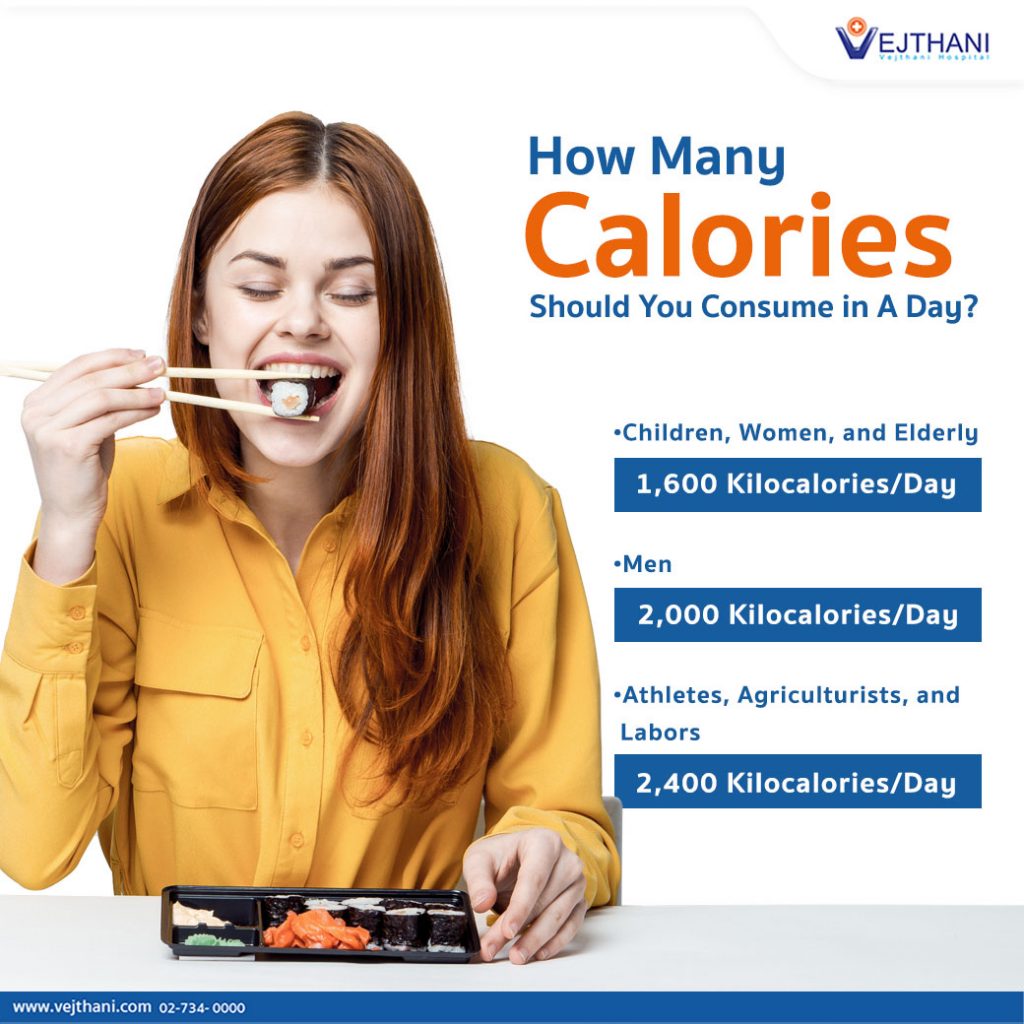
This article delves into how technology empowers individuals to gain a precise understanding of their daily caloric intake, exploring the tools, trends, and advanced features that make nutritional tracking more effective and integrated than ever before. We will examine the evolution of calorie tracking, highlight essential tech tools, and discuss how these innovations move us beyond mere numbers to a holistic view of our dietary habits, all within the framework of the ever-evolving tech landscape.
The Digital Revolution in Calorie Tracking: A Paradigm Shift
The journey from a vague awareness of food consumption to a precise, data-driven understanding of caloric intake has been significantly accelerated by technological advancements. What began as a rudimentary concept has blossomed into a sophisticated ecosystem of digital tools designed to demystify our relationship with food.
From Pen and Paper to Pixels: The Evolution of Tracking Methods
Historically, tracking calories was an arduous process. It involved meticulous logging in a physical food diary, cross-referencing nutritional values from printed food labels or reference books, and manually adding up totals. This method, while effective for dedicated individuals, was prone to errors, incredibly time-consuming, and lacked the dynamic capabilities necessary for real-time adjustments. The barrier to entry was high, and consistency was often a challenge.
The advent of personal computers brought initial improvements, with spreadsheets allowing for easier calculation and storage. However, the true paradigm shift occurred with the proliferation of the internet and, more significantly, smartphones. These devices put powerful computational and data retrieval capabilities directly into the hands of consumers. The digital food diary evolved from a static spreadsheet into an interactive, intelligent application that could access vast databases of nutritional information, scan barcodes, and even estimate portion sizes with photographic input. This marked a pivotal moment, transforming calorie tracking from a niche practice into a mainstream possibility.
The Core Functionality of Modern Calorie Trackers
At its heart, any calorie tracker aims to quantify the energy consumed through food and beverages. Modern tech tools excel at this by offering a suite of core functionalities that enhance accuracy and user experience:
- Extensive Food Databases: The backbone of any effective calorie tracker is its database. Leading apps boast millions of food items, including branded products, generic foods, and restaurant meals, complete with detailed nutritional breakdowns beyond just calories (e.g., macronutrients, micronutrients).
- Intuitive Logging Interfaces: User-friendly interfaces allow for quick and easy logging. Features like search functions, frequently consumed food lists, saved meals, and voice input significantly reduce the effort required.
- Barcode Scanning: A game-changer for packaged foods, barcode scanning instantly pulls up nutritional information, eliminating manual entry and reducing errors.
- Portion Size Estimation Tools: While still requiring user input, many apps offer visual guides or common serving sizes to help estimate portions more accurately than simple guesswork. Some even integrate AI for photo-based food recognition and portion estimation.
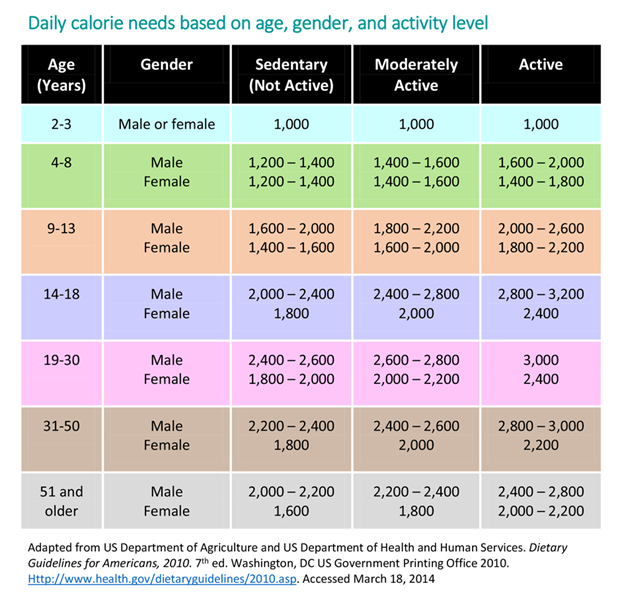
- Personalized Calorie Targets: Based on user-inputted data (age, gender, weight, height, activity level, goals), these tools calculate Basal Metabolic Rate (BMR) and Total Daily Energy Expenditure (TDEE), then recommend a daily calorie target to achieve specific outcomes like weight loss, maintenance, or gain.
This foundational suite of features provides the robust framework necessary for individuals to answer “how many calories do I eat in a day” with a level of precision and convenience previously unimaginable.
Essential Tech Tools for Calorie Management
The market is saturated with technology designed to aid in calorie management, each offering unique features and levels of integration. Understanding the landscape of these tools is crucial for selecting the most effective solution for individual needs.
Dedicated Calorie Tracking Apps: Your Virtual Food Diary
Mobile applications are arguably the most popular and accessible tools for calorie tracking. Apps like MyFitnessPal, Lose It!, Cronometer, and FatSecret dominate this space, each offering slightly different approaches to the core task.
- Comprehensive Logging: These apps serve as your virtual food diary, allowing you to log every meal and snack. Their vast food databases are constantly updated by both the developers and user communities, ensuring a wide array of options.
- Nutritional Breakdowns: Beyond just calories, these apps provide detailed breakdowns of macronutrients (proteins, carbs, fats) and often micronutrients (vitamins, minerals), helping users understand the quality of their diet, not just the quantity.
- Goal Setting and Progress Tracking: Users can set specific calorie and macro goals, and the apps graphically display progress over time, offering motivation and allowing for timely adjustments to dietary strategies.
- Community Features: Many apps include social components, allowing users to connect with friends, share progress, and participate in challenges, leveraging peer support for increased accountability.
Wearable Technology and Smart Devices: Integrating Activity with Intake
The synergy between calorie intake and energy expenditure is fundamental to weight management. Wearable technology has bridged this gap, offering a more holistic view of an individual’s energy balance.
- Activity Tracking: Smartwatches and fitness trackers (e.g., Apple Watch, FitBit, Garmin) continuously monitor physical activity, step count, heart rate, and even sleep patterns. This data is crucial for calculating estimated daily calorie expenditure.
- Seamless Integration: Many calorie tracking apps integrate directly with these wearable devices. This means that as you log your food intake, your app automatically adjusts your net calorie balance based on your tracked physical activity, providing a more dynamic and personalized calorie target for the day. For example, if you have a particularly active day, your app might show you have more “flex” calories remaining.
- Smart Scales: These devices do more than just measure weight. They can track body composition (fat percentage, muscle mass) and wirelessly sync this data to your health or calorie tracking app, offering a more complete picture of your progress beyond simple caloric input.
Online Databases and AI-Powered Meal Planners
Beyond standalone apps, a variety of online platforms and advanced AI tools are enhancing calorie management:
- Online Nutritional Databases: Websites like USDA FoodData Central provide comprehensive nutritional information, serving as a reliable reference point for specific food items.
- AI-Powered Meal Planners: Emerging AI tools are taking personalized nutrition to the next level. By analyzing dietary preferences, allergies, health goals, and even past logged meals, these platforms can generate custom meal plans, complete with recipes and grocery lists, that adhere to specific calorie and macronutrient targets. They learn from your choices and adapt over time, making meal prep less daunting and more aligned with individual needs.
- Smart Kitchen Appliances: Though still nascent, smart ovens and scales that can suggest recipes based on ingredients on hand or track weight more precisely are beginning to emerge, further integrating technology into the very act of food preparation.
Beyond Basic Counting: Advanced Nutritional Insights
Modern technology extends far beyond simply tallying calories. It provides tools for deeper analysis, personalized guidance, and even professional collaboration, transforming raw data into actionable insights for comprehensive health management.
Decoding Macronutrients and Micronutrients with Tech
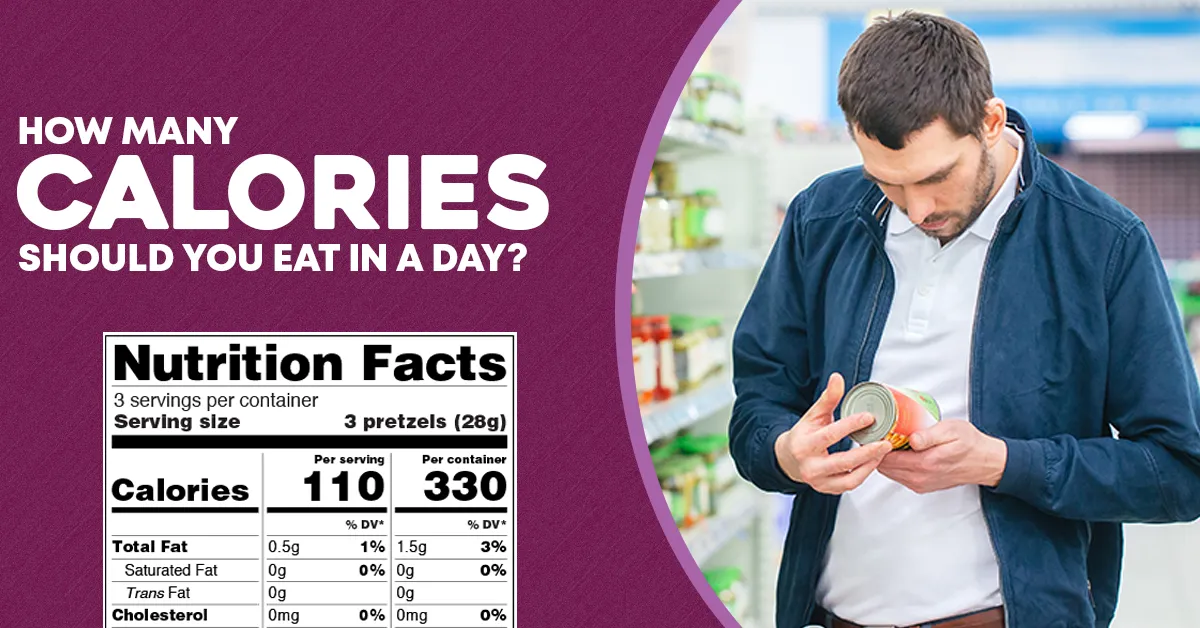
While calories provide the overarching energy measure, a balanced diet requires attention to the composition of those calories. Technology makes this detailed analysis accessible:
- Macronutrient Ratios: Most advanced calorie tracking apps allow users to set and track specific macronutrient ratios (e.g., 40% carbs, 30% protein, 30% fat), which is crucial for specific dietary approaches like keto, high-protein, or endurance athlete diets. The apps graphically display daily intake against these targets, making it easy to see if you’re hitting your marks.
- Micronutrient Tracking: Increasingly, apps are offering detailed tracking of essential vitamins and minerals. By logging foods, users can identify potential deficiencies or excesses in their diet, guiding them towards a more nutrient-dense food selection. Some even provide insights into your daily fiber, sugar, and sodium intake.
- Ingredient Analysis: Certain tools can analyze the ingredients list of custom recipes, breaking down nutritional information for homemade meals that might not be in a standard database. This helps users understand the precise impact of their culinary creations.
Personalized Recommendations and Predictive Analytics
The true power of data lies in its ability to inform future actions. Tech tools are leveraging collected data to offer more than just historical logging.
- Adaptive Goal Setting: As users progress and their body metrics change, sophisticated apps can automatically adjust calorie and macronutrient targets, ensuring goals remain realistic and effective.
- Personalized Food Suggestions: Based on logged preferences, food sensitivities, and nutrient gaps, AI algorithms can suggest specific foods or recipes that align with an individual’s nutritional needs and taste profile.
- Behavioral Pattern Recognition: Over time, these tools can identify eating patterns, such as common times for snacking or types of foods consumed during stress, offering insights that help users make more conscious and healthier choices. Predictive analytics might even suggest the likelihood of reaching a goal based on current trends.
Connecting with Professionals Through Digital Platforms
Technology has significantly streamlined the process of consulting with nutrition professionals, making expert guidance more accessible and efficient.
- Data Sharing with Dietitians: Many apps allow users to securely share their logged food data with their registered dietitians or nutrition coaches. This provides professionals with a real-time, accurate snapshot of a client’s eating habits, enabling more informed and personalized advice than traditional recall methods.
- Telehealth and Virtual Coaching: The rise of telehealth platforms has made remote nutritional counseling commonplace. Clients can have virtual consultations, receive customized meal plans, and get ongoing support directly through secure digital channels, regardless of geographical barriers.
- Integrated Health Records: While still developing, the future promises deeper integration with electronic health records, allowing for a holistic view of a patient’s health data, including dietary intake, for medical professionals.
Navigating the Digital Landscape: Tips for Effective Use
While technology offers incredible advantages in answering “how many calories do I eat in a day,” its effectiveness hinges on how it’s used. Maximizing the benefits requires an understanding of best practices, potential pitfalls, and privacy considerations.
Data Accuracy and Consistency: The Human Element in Digital Tracking
Even the most advanced app is only as good as the data entered into it.
- Mindful Logging: Be diligent in logging everything you consume. Small snacks, drinks, and condiments can add up quickly and skew your overall calorie count.
- Accurate Portions: Pay close attention to portion sizes. Invest in a food scale for the most accurate measurements, especially for calorie-dense foods. Relying solely on visual estimation can lead to significant discrepancies.
- Regular Updates: Consistently log your weight, activity levels, and any other relevant metrics your app tracks. This ensures the algorithms are working with the most current information.
- Database Verification: While app databases are extensive, occasionally cross-reference entries, especially for generic or user-contributed items, to ensure nutritional information is accurate.
Privacy and Security in Nutritional Data
The detailed dietary and personal health information logged in these apps is highly sensitive.
- Understand Privacy Policies: Before committing to an app, read its privacy policy to understand how your data is collected, stored, used, and shared.
- Strong Passwords and Two-Factor Authentication: Protect your accounts with strong, unique passwords and enable two-factor authentication whenever possible to prevent unauthorized access.
- Mindful Sharing: Be cautious about sharing your detailed nutritional data on public forums or social media. While community support can be beneficial, ensure you’re comfortable with the level of personal information you disclose.
Choosing the Right Tools for Your Goals
With a plethora of options available, selecting the right technology is key.
- Identify Your Primary Goal: Are you looking for basic calorie counting, detailed macro tracking, integration with wearables, or professional support? Your goal will dictate the features you need.
- User Interface and Experience: Choose an app with an intuitive and enjoyable interface. If it’s cumbersome to use, you’re less likely to stick with it.
- Database Quality: Prioritize apps with robust and verified food databases.
- Integration Capabilities: If you use a fitness tracker or other smart devices, ensure the calorie tracker integrates seamlessly with them for a unified data experience.
- Cost vs. Features: Many apps offer free versions with basic features and premium subscriptions for advanced functionalities. Assess whether the paid features justify the cost for your specific needs.
The Future of Food and Fitness Tech
The trajectory of technology in nutrition suggests an even more integrated, personalized, and proactive approach to managing our caloric intake.
Hyper-Personalization and Real-Time Feedback
Imagine sensors that analyze your sweat to determine hydration levels, or smart plates that accurately weigh and identify food as you eat it. The future points towards ubiquitous, non-invasive tracking that provides real-time feedback on nutrient absorption, metabolic responses, and personalized dietary adjustments on the fly. AI will play an even greater role in creating dynamic, adaptive meal plans that react to your body’s minute-to-minute needs, moving beyond static recommendations.
Gamification and Community Support
As social connectivity deepens, nutritional tech will further leverage gamification elements, challenges, and robust community platforms to make healthy eating more engaging and sustainable. Virtual coaching, augmented reality for food recognition, and seamless integration with smart homes will further embed calorie management into our daily lives, making the question “how many calories do I eat in a day?” less a query and more a continuously monitored data point effortlessly managed by intelligent systems.
Conclusion
The question “how many calories do I eat in a day?” has evolved from a simple curiosity into a foundation for informed health decisions, largely thanks to the transformative power of technology. From intuitive mobile applications and integrated wearables to advanced AI-driven analytics, digital tools have demystified calorie tracking, making it accessible, accurate, and actionable. They empower individuals not just to count calories, but to understand the quality of their diet, track progress, and connect with professional support. As technology continues to advance, we can anticipate even more seamless, personalized, and insightful solutions that will further enhance our ability to manage our nutrition, paving the way for a healthier future driven by digital empowerment.
aViewFromTheCave is a participant in the Amazon Services LLC Associates Program, an affiliate advertising program designed to provide a means for sites to earn advertising fees by advertising and linking to Amazon.com. Amazon, the Amazon logo, AmazonSupply, and the AmazonSupply logo are trademarks of Amazon.com, Inc. or its affiliates. As an Amazon Associate we earn affiliate commissions from qualifying purchases.