
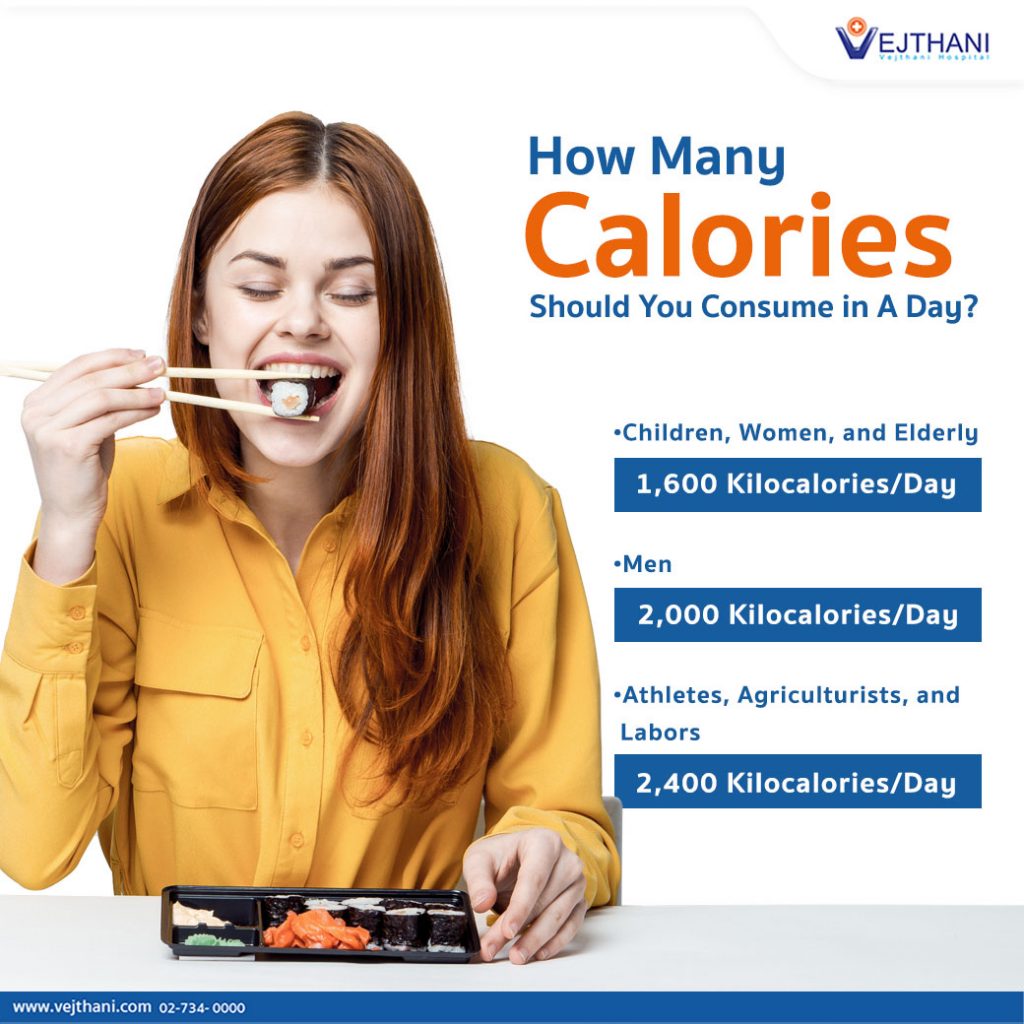
Understanding one’s daily caloric needs is a cornerstone of effective health and wellness management. In an era defined by digital innovation, the quest for this fundamental knowledge has been profoundly transformed by technology. Gone are the days of cumbersome manual calculations and generic advice; today, advanced tools—from sophisticated algorithms to wearable devices—offer unprecedented precision and personalization in determining and tracking our caloric requirements. This article delves into how technology empowers individuals to accurately answer the question, “How many calories a day do I need?” and integrate this knowledge into a sustainable, data-driven approach to health.
The Foundational Science of Caloric Needs in a Digital Age
Before diving into the technological solutions, it’s essential to grasp the underlying physiological principles that govern our energy needs. Technology doesn’t invent these principles; it merely provides more effective ways to measure and apply them.
Understanding Basal Metabolic Rate (BMR) and Total Daily Energy Expenditure (TDEE)
At its core, the number of calories you need daily is determined by two main components: your Basal Metabolic Rate (BMR) and your Total Daily Energy Expenditure (TDEE). BMR represents the energy your body expends at rest to maintain vital functions like breathing, circulation, and cell production. It’s the minimum amount of energy required to keep you alive. TDEE, on the other hand, includes your BMR plus the calories burned through physical activity, digestion (thermic effect of food), and non-exercise activity thermogenesis (NEAT).
Traditionally, BMR and TDEE were estimated using various formulas (e.g., Mifflin-St Jeor, Harris-Benedict) based on factors like age, gender, weight, and height. While these formulas provide a starting point, they are averages and may not perfectly reflect an individual’s unique metabolism. This is where technology offers a significant leap. Modern health apps and AI tools often incorporate these formulas but then refine them with more dynamic data, providing a more accurate baseline. They can store your demographic data and automatically recalculate BMR/TDEE as your body composition or activity levels change, removing the manual effort and potential for error.
Factors Influencing Calorie Requirements and How Tech Accounts for Them
Several variables modulate an individual’s caloric needs. Technology excels at integrating these diverse factors into comprehensive assessments:
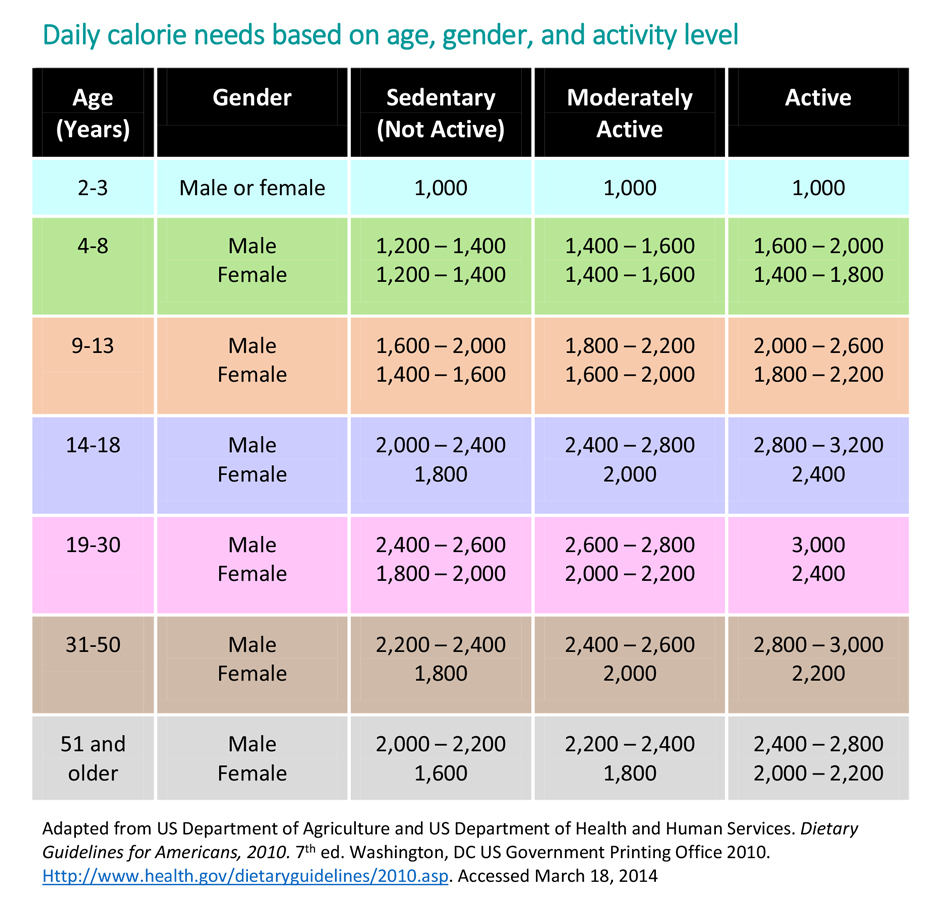
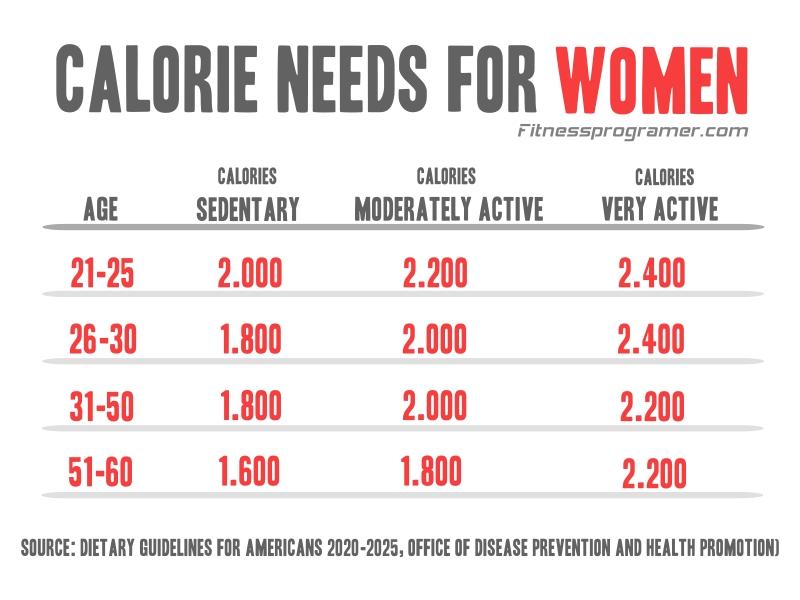
- Age and Gender: Metabolic rate naturally declines with age, and men generally have higher BMRs than women due to greater muscle mass. Apps allow for easy input of these immutable factors, ensuring the baseline calculation is appropriate.
- Weight and Height: These are crucial inputs for almost any BMR calculation. Digital tools streamline their entry and update, often connecting to smart scales that automatically sync data.
- Activity Level: This is perhaps the most variable factor. A sedentary office worker requires far fewer calories than a professional athlete. Wearable fitness trackers, smartwatches, and even smartphone accelerometers provide real-time data on steps, distance, heart rate, and exercise intensity. This objective data feeds directly into TDEE calculations, offering a dynamic and highly personalized estimate of calories burned, far surpassing subjective “lightly active” or “moderately active” categories.
- Body Composition: Muscle tissue burns more calories at rest than fat tissue. While not typically included in basic BMR formulas, advanced smart scales can estimate body fat percentage and muscle mass. Some sophisticated AI models can even incorporate this data to further refine calorie predictions, moving beyond simple weight-based calculations.
- Specific Goals: Whether the goal is weight loss, maintenance, or muscle gain, calorie targets need to be adjusted. Tech platforms allow users to input their specific objectives, and the system automatically calculates the necessary caloric deficit or surplus required, providing clear, actionable daily targets.
Beyond Simple Formulas: The Nuance of Individual Metabolism
While formulas and general factors are helpful, true personalized nutrition acknowledges that individual metabolic responses can vary significantly. This is an area where advanced technology, particularly AI and machine learning, is beginning to make profound contributions. Instead of relying solely on population averages, these platforms can analyze a user’s individual data over time – including food intake, activity levels, weight changes, and even sleep patterns – to identify unique metabolic trends. This allows for a more nuanced understanding of how a person’s body processes energy, leading to more adaptive and effective calorie recommendations. For instance, an AI might learn that a particular individual requires slightly more protein for satiety or metabolizes carbohydrates differently, adjusting the overall calorie and macronutrient distribution accordingly.
Digital Tools for Precise Calorie Calculation and Tracking
The practical application of understanding calorie needs heavily relies on a suite of digital tools that have revolutionized personal nutrition management.
Wearable Technology: Real-Time Energy Expenditure Monitoring
Wearable devices like fitness trackers and smartwatches are at the forefront of providing objective, real-time data on physical activity and energy expenditure. Equipped with accelerometers, gyroscopes, and heart rate monitors, these devices can:
- Track Steps and Distance: Quantifying general movement throughout the day.
- Monitor Exercise Intensity: By measuring heart rate zones and motion during workouts, they can estimate calories burned with greater accuracy than generalized activity multipliers.
- Analyze Sleep Patterns: While not directly calculating calories burned, sleep quality impacts hormones that regulate appetite and metabolism, and some advanced trackers can flag potential issues that might affect calorie management.
- Integrate with Nutrition Apps: Many wearables seamlessly sync their activity data with popular nutrition tracking applications, allowing for a consolidated view of both calorie intake and expenditure. This integration creates a dynamic caloric balance, adjusting the “calories remaining” throughout the day based on physical activity.
Nutrition Tracking Apps: Logging and Analyzing Intake
Smartphone applications have become indispensable for logging food intake and analyzing nutritional data. Platforms like MyFitnessPal, LoseIt!, Cronometer, and others offer a vast array of features:
- Extensive Food Databases: Most apps boast databases with millions of food items, including restaurant meals, packaged goods, and common ingredients, often with barcode scanning capabilities for quick entry.
- Calorie and Macronutrient Tracking: Beyond total calories, these apps break down intake into macronutrients (protein, carbs, fats) and often micronutrients (vitamins, minerals), allowing users to monitor their dietary balance.
- Custom Meal and Recipe Creation: Users can input their own recipes or frequently eaten meals, making logging repetitive meals much faster.
- Goal Setting and Progress Tracking: Users can set calorie targets for weight loss, maintenance, or gain, and the apps graphically display progress over time, helping to identify trends and adjust strategies.
- Community Support and Expert Content: Many apps include forums, blogs, and access to registered dietitians or coaches, providing motivation and educational resources.
AI-Powered Platforms: Personalized Recommendations and Predictive Analytics
The next generation of nutrition technology goes beyond tracking to offer truly personalized, adaptive guidance through artificial intelligence. These AI-powered platforms can:
- Personalized Meal Planning: Based on individual calorie needs, dietary preferences, allergies, and health goals, AI can generate customized meal plans, often with recipe suggestions and grocery lists.
- Adaptive Adjustments: As a user logs food and activity, the AI learns from their patterns and weight fluctuations. If a user isn’t meeting their goal, the AI can suggest subtle adjustments to calorie targets or macronutrient ratios.
- Predictive Analytics: Some AI systems can predict the likelihood of meeting goals based on current trends and suggest interventions before users get off track. They might identify patterns like “always overeating on Fridays” and suggest proactive strategies.
- Natural Language Processing (NLP): Advanced apps allow users to log food using natural language (e.g., “I had a chicken salad for lunch”), simplifying the input process and making it more intuitive.
- Behavioral Nudging: AI can provide personalized prompts and reminders, encouraging consistent logging, water intake, or timely meals based on observed user behavior and preferences.
Integrating Technology for Holistic Nutritional Management
The true power of modern technology in understanding calorie needs lies in its ability to create a cohesive ecosystem, fostering comprehensive health management.
Data Synchronization and Ecosystems: A Unified View of Health
The fragmentation of health data has long been a challenge. Today, many fitness trackers, smart scales, and nutrition apps are designed to synchronize data seamlessly, often through cloud-based platforms or APIs (Application Programming Interfaces). This creates a unified dashboard where users can view:
- Calorie Intake vs. Expenditure: A clear balance sheet of energy consumed and burned.
- Weight Trends and Body Composition Changes: Directly linked to caloric balance.
- Activity Levels and Exercise Performance: Showing adherence to fitness goals.
- Sleep Quality and Stress Levels: Indirectly impacting metabolism and food choices.
This integrated approach allows for a more accurate and comprehensive understanding of how different aspects of lifestyle influence caloric needs and overall health, enabling more informed decision-making.
Gamification and Behavioral Science: Sustaining Adherence
One of the biggest hurdles in any diet or health plan is adherence. Technology leverages principles of gamification and behavioral psychology to make the process more engaging and sustainable:
- Streaks and Achievements: Earning badges for consistent logging or reaching milestones provides positive reinforcement.
- Challenges and Competitions: Participating in group challenges with friends or online communities adds an element of fun and social accountability.
- Reminders and Nudges: Personalized notifications encourage regular tracking, meal prep, or hydration.
- Visual Progress Tracking: Graphs and charts make progress tangible and motivating, showing how small, consistent efforts lead to significant results over time.
By transforming calorie management into an interactive experience, technology helps users stay motivated and committed to their goals.
Virtual Nutrition Coaching and Telehealth
Technology has also democratized access to expert guidance. Virtual nutrition coaching and telehealth platforms connect individuals with registered dietitians and nutritionists regardless of geographical location. Through video calls, messaging, and shared data dashboards (where the coach can view the client’s tracked data), professionals can:
- Provide Personalized Guidance: Offer tailored advice based on a client’s specific data, progress, and challenges.
- Review and Adjust Meal Plans: Collaborate with clients to refine their dietary strategies.
- Offer Accountability and Support: Provide ongoing motivation and answer questions in real-time.
- Interpret Complex Data: Help clients understand the insights gleaned from their wearable data and food logs.
This blend of human expertise and technological data creates a powerful synergy for achieving optimal nutritional outcomes.
The Future of Calorie Management: Emerging Technologies
The landscape of personal nutrition technology is constantly evolving, with several exciting innovations on the horizon that promise even greater precision and personalization in calorie management.
Biosensors and Continuous Glucose Monitors (CGMs): Deeper Insights
Beyond current wearables, future biosensors and continuous glucose monitors (CGMs) could offer unprecedented real-time insights into how our bodies metabolize food. While CGMs are currently primarily used by individuals with diabetes, their broader application could allow anyone to see how specific foods and meals impact their blood sugar levels, providing direct feedback on metabolic response. This could lead to more precise dietary adjustments beyond just calorie counting, focusing on foods that promote stable energy and optimal metabolic health. Wearable patches that analyze sweat for other biomarkers could further personalize recommendations.
Personalized Nutrition based on Genomics and Microbiome
The ultimate frontier in personalized nutrition lies in understanding our unique biological makeup. Advances in genomics (studying our DNA) and microbiome analysis (studying the bacteria in our gut) are paving the way for truly bespoke dietary advice. AI algorithms are being developed to analyze an individual’s genetic predispositions and gut flora composition to recommend specific foods, macronutrient ratios, and even meal timings that are optimally suited for their unique biology. This could move “how many calories a day do I need” from a general calculation to a scientifically precise prescription, tailored down to the individual’s genetic code.
Augmented Reality (AR) and Virtual Reality (VR) in Diet Education
Imagine using AR to scan a plate of food and instantly see a breakdown of its calories and nutrients, or to visualize portion sizes in a realistic 3D environment. VR could be used for immersive educational experiences, simulating healthy meal preparation, or even providing virtual consultations in highly interactive settings. These technologies have the potential to make nutrition education more intuitive, engaging, and directly applicable in real-world scenarios, fostering a deeper understanding of calorie content and healthy eating habits.
Conclusion: Empowering Informed Nutritional Decisions Through Technology
The question “how many calories a day do I need” is no longer a rhetorical challenge but a quantifiable metric made accessible and actionable by technology. From wearable devices that track every step to AI platforms that offer personalized meal plans, the digital age has provided us with an unprecedented array of tools to understand, monitor, and optimize our energy intake. By embracing these technological advancements, individuals can move beyond guesswork, gain deep insights into their unique metabolic needs, and make truly informed decisions that empower them to achieve their health and wellness goals with precision, efficiency, and sustained motivation. The future of nutrition is undoubtedly digital, personal, and profoundly data-driven.
aViewFromTheCave is a participant in the Amazon Services LLC Associates Program, an affiliate advertising program designed to provide a means for sites to earn advertising fees by advertising and linking to Amazon.com. Amazon, the Amazon logo, AmazonSupply, and the AmazonSupply logo are trademarks of Amazon.com, Inc. or its affiliates. As an Amazon Associate we earn affiliate commissions from qualifying purchases.