
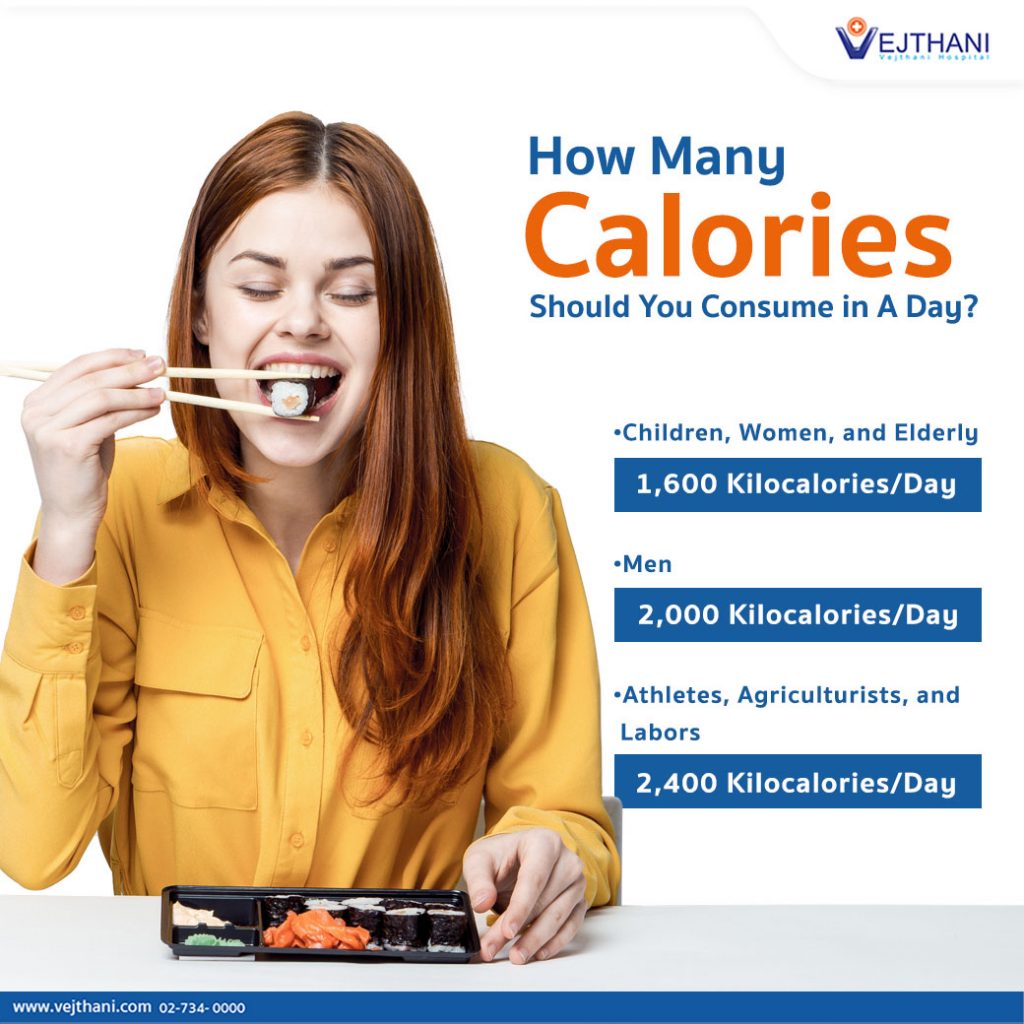
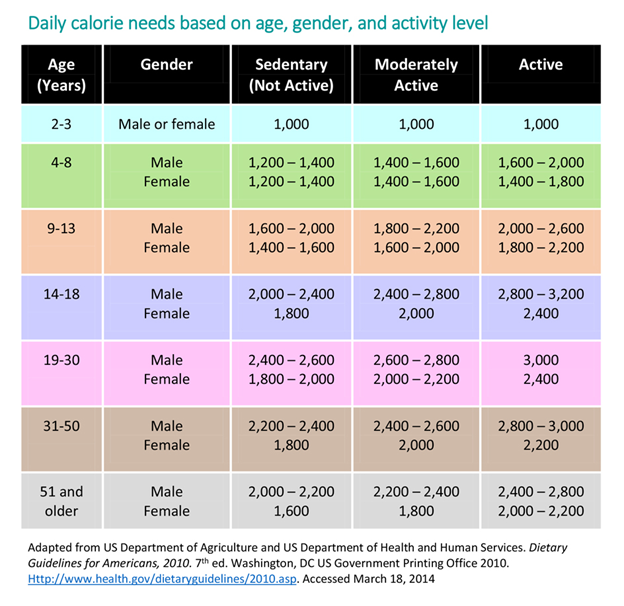
The question of daily caloric intake has shifted from a matter of simple arithmetic to a complex data science challenge. For decades, the standard answer was a generalized figure—usually 2,000 calories for women and 2,500 for men. However, in the era of high-performance computing, wearable biometrics, and artificial intelligence, these static estimates have been rendered obsolete. Determining how many calories you should eat a day is now a personalized, tech-driven process that leverages real-time data to optimize metabolic health and body composition.
The Evolution of Caloric Estimation: From Manual Math to AI Algorithms
Traditionally, calculating caloric needs relied on static formulas like the Harris-Benedict equation or the Mifflin-St Jeor formula. These equations estimate Basal Metabolic Rate (BMR) based on age, sex, weight, and height, then apply an “activity multiplier” to determine Total Daily Energy Expenditure (TDEE). While these formulas provided a starting point, they were notoriously inaccurate because they failed to account for individual variances in muscle mass, hormonal fluctuations, and NEAT (Non-Exercise Activity Thermogenesis).
The Rise of Dynamic Expenditure Algorithms
The modern tech landscape has replaced these static calculators with dynamic expenditure algorithms. Unlike traditional calculators, software-based expenditure models do not rely on a user’s self-reported activity level, which is often biased or inaccurate. Instead, sophisticated applications now use “adherence-neutral” data analysis. By tracking precise caloric intake against daily weight fluctuations over time, these algorithms can reverse-engineer an individual’s exact energy expenditure with surgical precision. This algorithmic approach treats the human body as a closed system, using machine learning to adjust recommendations every 24 hours based on the previous week’s data trends.
Machine Learning and Metabolic Adaptation
One of the most significant breakthroughs in health-tech is the ability of software to track metabolic adaptation. When an individual lowers their caloric intake, the body often compensates by becoming more energy-efficient. AI tools can now detect this “metabolic slowdown” by identifying discrepancies between predicted weight loss and actual weight loss. By analyzing these data points, the software can automatically adjust the user’s daily calorie targets to prevent plateaus, a feat that was once only possible through expensive laboratory metabolic testing.
Wearable Tech and Real-Time Metabolic Tracking
The integration of wearable devices has revolutionized our understanding of “calories out.” Modern wearables are no longer just glorified pedometers; they are sophisticated biometric hubs that provide a constant stream of data to help answer the question of daily caloric needs.
High-Fidelity Biometric Sensors
Devices like the Apple Watch, Garmin Fenix series, and Whoop 4.0 utilize photoplethysmography (PPG) to monitor heart rate and heart rate variability (HRV). These sensors allow the devices to estimate active energy expenditure by mapping heart rate zones against the user’s known physiological profile. More advanced wearables are now incorporating skin temperature sensors and electrodermal activity (EDA) sensors to gauge stress levels. Since stress impacts cortisol levels—which in turn influences glucose metabolism and caloric requirements—this data provides a more holistic view of daily energy needs.
The Role of Continuous Glucose Monitors (CGMs)
Perhaps the most disruptive technology in the caloric space is the Continuous Glucose Monitor (CGM). Originally designed for diabetics, platforms like Levels and Nutrisense have brought this hardware to the general consumer market. By applying a biosensor to the arm, users can see in real-time how their blood sugar responds to specific caloric loads. This technology allows users to determine not just how many calories they should eat, but the optimal “timing” and “composition” of those calories. If a certain caloric threshold causes a massive glucose spike and subsequent crash, the software may recommend a lower-carbohydrate distribution or a reduction in total calories for that specific window to maintain metabolic flexibility.
Smart Scales and Body Composition Integration
To determine how many calories one should eat, one must first understand their lean body mass. Traditional scales are being replaced by Wi-Fi-enabled smart scales that utilize Bioelectrical Impedance Analysis (BIA). These devices sync directly with health ecosystems (like Apple Health or Google Fit), sending data on body fat percentage and skeletal muscle mass to caloric tracking apps. Since muscle tissue is more metabolically active than fat tissue, this integration allows the software to refine BMR estimates automatically as the user’s body composition improves.
The Best AI Tools and Apps for Personalized Caloric Optimization
With the hardware providing the data, the software serves as the “brain” that calculates the daily caloric target. Several key players have emerged in the health-tech space, each using different technological approaches to solve the caloric equation.
MacroFactor: The Expenditure-First Approach
MacroFactor has gained significant traction in the tech community for its unique expenditure algorithm. Unlike legacy apps that “punish” users for overeating by showing red bars, MacroFactor uses a cold, data-driven approach. It ignores self-reported activity and focuses entirely on the relationship between calories logged and weight changes. Its AI adjusts the user’s calorie floor and ceiling every week, ensuring that the “how many calories” question is answered based on hard evidence rather than theoretical formulas.
MyFitnessPal and the Power of Big Data
As one of the oldest players in the space, MyFitnessPal leverages one of the world’s largest nutritional databases. Its technological edge lies in its API integrations. By connecting with virtually every wearable and smart device on the market, it aggregates data to provide a “net calorie” view. This real-time synchronization allows the app to adjust a user’s remaining calorie budget for the day based on exercise data transmitted via Bluetooth or cloud-syncing.
Cronometer and Micronutrient Precision
For those who view caloric intake through the lens of data integrity, Cronometer offers a higher level of precision. It prioritizes lab-analyzed data over user-submitted entries. From a tech perspective, Cronometer’s value proposition is its ability to correlate caloric intake with micronutrient density. The software provides sophisticated data visualization, showing how caloric targets align with vitamin and mineral requirements, ensuring that the user isn’t just hitting a number, but optimizing for systemic health.
The Future of Health-Tech: Predictive Analytics and Genomics
As we look toward the next decade, the question of “how many calories should I eat a day” will be answered long before the user even sits down for a meal, thanks to predictive analytics and the “Digital Twin” concept.
Digital Twins and Metabolic Modeling
A “Digital Twin” is a virtual model of a physical process or system—in this case, the human body. Future health-tech platforms will create a digital replica of a user’s metabolism based on years of historical biometric data. This software will be able to run “what-if” simulations. For example, it could predict the caloric requirements needed to maintain muscle mass during a period of high-stress travel or a localized injury. By simulating metabolic responses in a virtual environment, the AI can provide hyper-accurate caloric recommendations that account for future variables.
Nutrigenomics: The DNA Factor
Consumer DNA testing is being integrated into caloric tracking software to provide “Nutrigenomic” insights. Certain genetic markers influence how efficiently an individual processes fats versus carbohydrates, as well as their sensitivity to insulin. Tech startups are now developing platforms that ingest raw DNA data (from services like 23andMe) and overlay it with daily caloric tracking. This results in a caloric target that is not only personalized to your activity but also to your genetic blueprint, identifying the precise macro-caloric ratios that will minimize inflammation and maximize energy.
Navigating Data Privacy and Digital Security in Health Tracking
The pursuit of the “perfect” caloric number requires the collection of highly sensitive personal data, from heart rates to genetic sequences. As the technology evolves, the focus on digital security and data privacy becomes paramount.
The Security of Biometric Data
Most leading health-tech companies now utilize end-to-end encryption for data synced between wearables and the cloud. However, as caloric tracking apps become more integrated with third-party services, the attack surface for data breaches increases. Users must look for platforms that adhere to rigorous standards such as SOC 2 compliance or HIPAA-level data handling. The future of the industry is moving toward “On-Device Processing,” where the AI calculates caloric needs locally on the smartphone or wearable rather than sending the raw data to a central server. This “edge computing” approach ensures that your metabolic profile remains private while still providing the insights needed to manage your health.
The Ethics of Predictive Algos
There is also an emerging conversation regarding the ethics of predictive health algorithms. As software becomes better at predicting cravings or energy dips based on biometric markers, there is a risk of “nudge” technology being used to influence consumer behavior in ways that may not always align with the user’s best interests. Transparent AI—where the user can see “why” a certain caloric recommendation was made—is becoming a standard requirement for high-end health-tech tools.
In conclusion, the answer to “how many calories should I eat a day” is no longer a static number found on the back of a cereal box. It is a dynamic, evolving data point generated by a sophisticated ecosystem of wearables, AI-driven software, and cloud-based analytics. By leveraging these technological tools, individuals can move beyond guesswork and enter an era of precision nutrition, where every calorie consumed is backed by personal data and algorithmic insight.
aViewFromTheCave is a participant in the Amazon Services LLC Associates Program, an affiliate advertising program designed to provide a means for sites to earn advertising fees by advertising and linking to Amazon.com. Amazon, the Amazon logo, AmazonSupply, and the AmazonSupply logo are trademarks of Amazon.com, Inc. or its affiliates. As an Amazon Associate we earn affiliate commissions from qualifying purchases.