
Apple Inc. stands as a titan in the global technology landscape, renowned not only for its innovative products but also for its meticulous brand strategy. Among the most visible and impactful elements of this strategy are its iconic retail stores. For many, an Apple Store is more than just a place to purchase electronics; it’s a meticulously crafted experience, a physical embodiment of the Apple brand. Understanding the sheer scale and strategic distribution of these stores, particularly within a pivotal market like the United States, offers profound insights into how Apple cultivates its corporate identity, fosters customer loyalty, and maintains its premium market position.
The question “how many Apple Stores are there in the US?” goes far beyond a simple numerical count. It’s a lens through which we can examine Apple’s deliberate retail strategy, its commitment to experiential marketing, and its enduring influence on consumer behavior. Each store represents a significant investment in physical presence, a strategic outpost designed to reinforce the brand narrative, offer unparalleled customer service, and create a tangible connection between the digital innovations and the people who use them. In an increasingly digital world, Apple’s continued dedication to a robust brick-and-mortar footprint serves as a powerful testament to the enduring value of face-to-face interaction in strengthening brand perception and loyalty.
The Strategic Significance of Apple’s Retail Presence
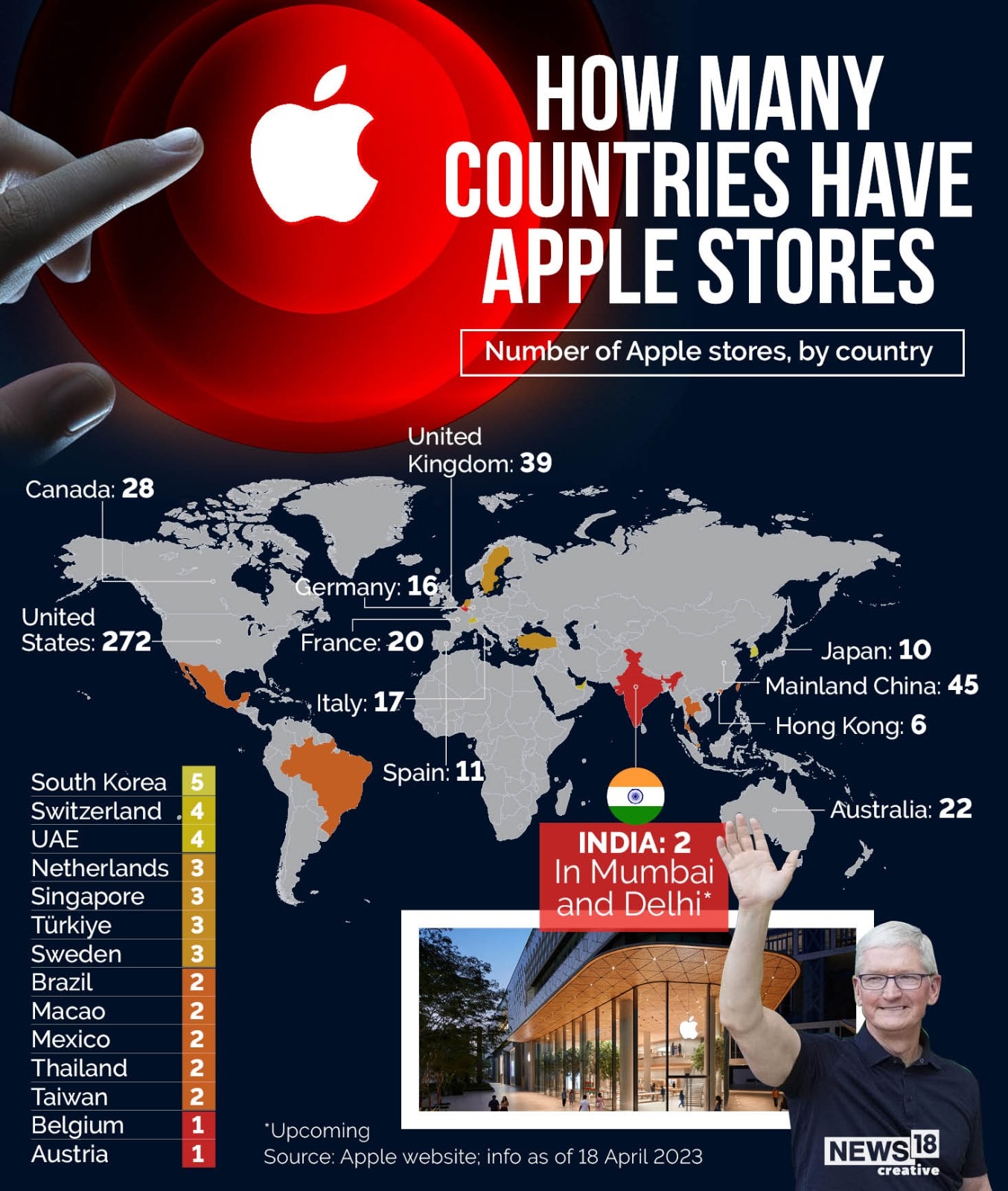
Apple’s journey into retail began in 2001, a bold move at a time when many tech companies relied heavily on third-party retailers or online sales. This decision was not merely about expanding sales channels; it was a deliberate and visionary act of brand building. By taking control of its retail environment, Apple gained unprecedented command over the customer experience, ensuring that every interaction aligned perfectly with its premium, design-centric brand identity. Today, with well over 270 Apple Stores scattered across the United States, this extensive network remains a cornerstone of the company’s overarching brand strategy.
More Than Just Sales: The Brand Experience
An Apple Store is designed to be an immersive brand experience, far surpassing the traditional retail transaction. From the moment a customer approaches its often minimalist, glass-fronted facade, they are entering a carefully curated environment. The sleek architectural design, the spacious interiors, the natural light, and the deliberate arrangement of products—all contribute to an atmosphere that is both aspirational and accessible. Products are openly displayed, encouraging hands-on interaction without the pressure of a hard sell. This “playground” approach allows customers to explore, learn, and connect with the technology on their own terms, fostering a sense of discovery and ownership that deepens their relationship with the brand. This experiential marketing is crucial; it doesn’t just sell products, it sells the Apple lifestyle, the creativity, and the innovation that the brand represents. It reinforces the idea that Apple products are intuitive, beautiful, and seamlessly integrated into one’s life.
A Physical Touchpoint in a Digital World
In an era dominated by e-commerce and digital interactions, the persistence and growth of Apple’s physical retail footprint highlight the enduring importance of tangible touchpoints for a premium brand. While Apple’s online store is highly effective, the physical stores serve a distinct and invaluable purpose. They provide a space for immediate gratification, hands-on product demonstrations, personalized support at the Genius Bar, and educational workshops that empower users. This face-to-face interaction builds trust and humanizes a technology brand that could otherwise feel distant. For a complex device like an iPhone or a Mac, the ability to physically hold it, test its features, and receive expert advice immediately addresses potential barriers to purchase and strengthens customer confidence. These stores act as local hubs for the Apple community, transforming what could be isolated digital interactions into a shared, tangible brand experience.
The Current Landscape: Quantifying Apple’s US Stores
While specific numbers can fluctuate with new openings and occasional closures, the United States consistently hosts the largest number of Apple Stores globally, typically hovering around 270-280 locations. This significant concentration underscores the US market’s critical importance to Apple’s overall business and brand health. Each store is strategically placed, not just to maximize sales, but to maximize brand visibility and accessibility within key demographic and economic centers.
Growth and Evolution Over Time
Since the first two Apple Stores opened in Tysons Corner, Virginia, and Glendale, California, in 2001, the network has undergone substantial growth and evolution. Early stores were often smaller, focusing primarily on product display and sales. Over time, as Apple’s brand matured and its product ecosystem expanded, the stores themselves evolved. They became larger, more architecturally ambitious, and incorporated dedicated spaces for service (the Genius Bar), workshops, and community events. This evolution mirrors the brand’s own journey from a niche computer company to a global lifestyle and technology powerhouse. Each new store opening is often a highly anticipated event, generating media buzz and solidifying Apple’s presence in a new community, further amplifying its brand reach. The design language, once an internal matter, became a public statement, with flagship stores often becoming architectural landmarks that reinforce Apple’s commitment to design excellence.
Geographic Distribution and Market Penetration
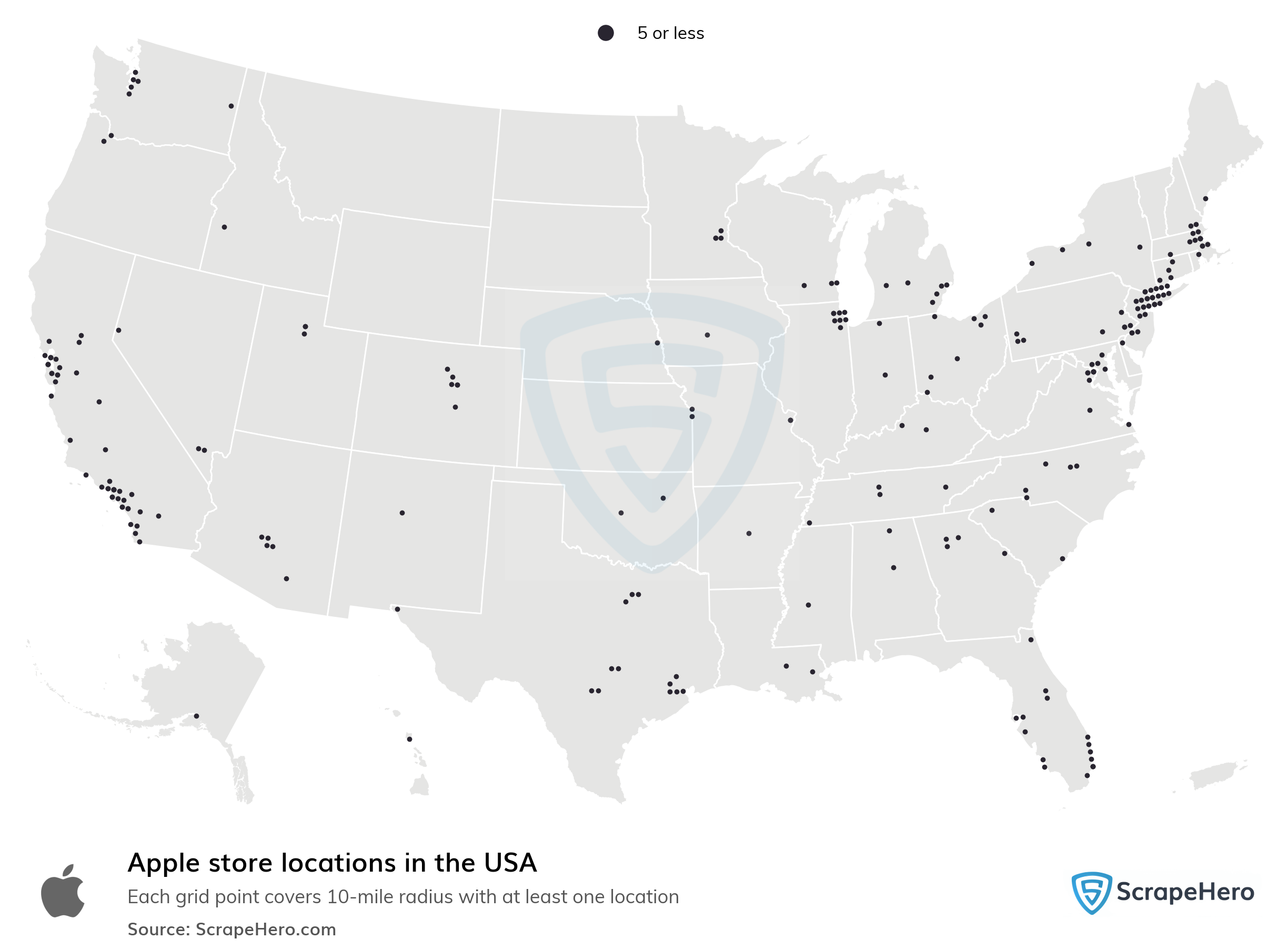
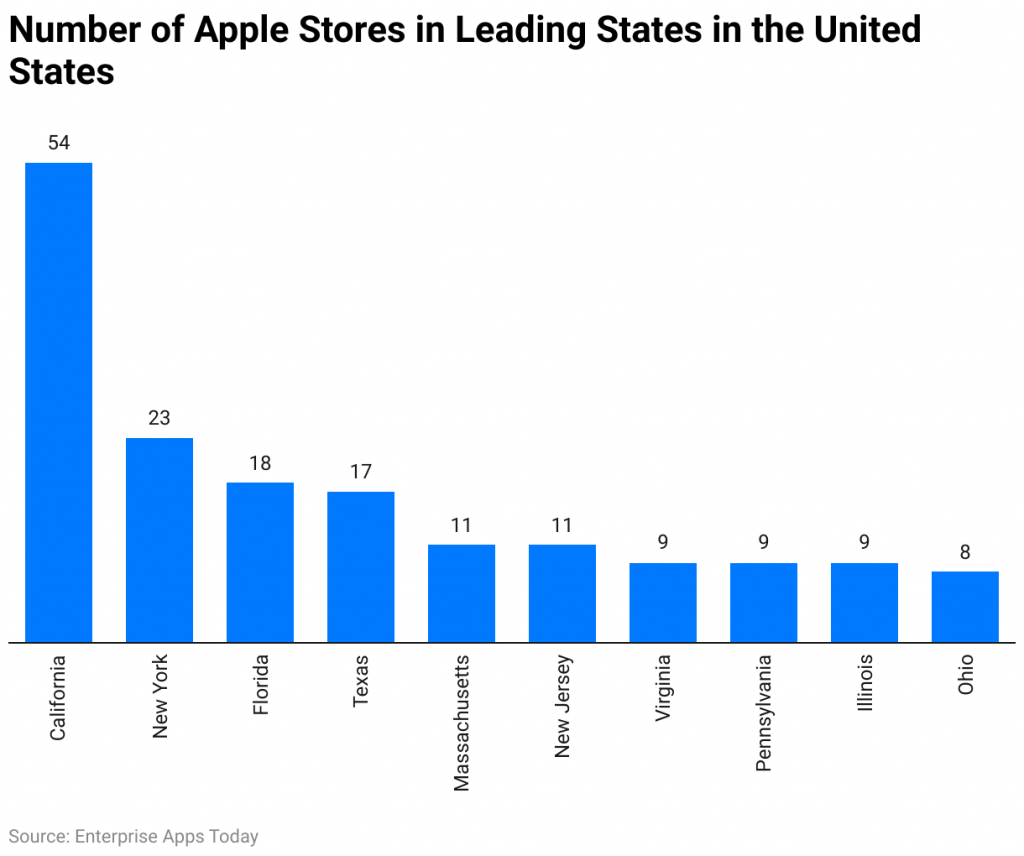
The distribution of Apple Stores across the US is far from random. They are concentrated in major metropolitan areas, high-traffic shopping malls, and upscale urban districts where Apple’s target demographic resides. States with large populations and high disposable incomes, such as California, New York, Florida, and Texas, naturally host a greater number of stores. This strategic placement ensures maximum exposure to affluent consumers and leverages existing retail ecosystems. By embedding its stores within premium retail destinations, Apple reinforces its own premium brand positioning. This targeted market penetration allows Apple to solidify its brand presence where it matters most, creating hubs of brand activity that attract both loyal customers and potential new converts. It’s a testament to a careful segmentation strategy where physical presence is aligned with demographic opportunity.
Apple Store Design and Corporate Identity
The physical design of an Apple Store is not merely aesthetic; it is a critical component of its corporate identity and brand messaging. Steve Jobs famously believed that design was not just how something looks, but how it works. This philosophy is deeply embedded in every aspect of the Apple Store experience, from the facade to the smallest product display.
Architecture as a Brand Statement
Apple’s flagship stores, in particular, are architectural marvels, often designed by renowned architects and featuring striking elements like soaring glass facades, cantilevered roofs, and open-plan layouts. These designs transcend typical retail architecture, instead evoking the qualities Apple champions in its products: simplicity, elegance, transparency, and innovation. The use of natural materials like stone and wood, combined with meticulous lighting, creates an inviting yet sophisticated atmosphere. This consistent design language across hundreds of stores globally reinforces a unified brand image, making an Apple Store instantly recognizable, whether it’s in New York, London, or Shanghai. These buildings become powerful three-dimensional advertisements for the brand, communicating its values before a single product is even touched. They are not just buildings; they are physical manifestations of Apple’s brand ethos.
The “Genius Bar” and Customer Relationship Building
Perhaps one of the most ingenious brand innovations within the Apple Store concept is the Genius Bar. More than just a tech support desk, the Genius Bar represents Apple’s commitment to exceptional customer service and relationship building. It’s where customers can receive personalized, one-on-one assistance from highly trained staff, free of charge. This service aspect is a powerful differentiator and a significant driver of brand loyalty. It transforms potential frustration with technology into an opportunity for positive brand interaction. The “Genius” concept itself elevates the support staff to a perceived level of expertise and helpfulness, reinforcing the idea that Apple cares deeply about its users’ experience long after a purchase has been made. This dedicated space for problem-solving and education fosters a sense of trust and reliability, which are invaluable assets for any premium brand.
The Impact of Apple Stores on Brand Loyalty and Perception
The extensive network of Apple Stores in the US plays a crucial role in shaping consumer perception and fostering deep brand loyalty. They are not just points of sale but centers for community engagement, learning, and brand immersion.
Cultivating Community and Exclusivity
Apple Stores actively cultivate a sense of community around the brand. Workshops ranging from photography to coding are regularly offered, free of charge, transforming the stores into educational hubs. These events attract both existing users and potential customers, providing opportunities for them to connect with Apple’s ecosystem and with each other. This sense of shared experience fosters a powerful community, where users feel part of an exclusive club. The premium pricing and high-design aesthetic also contribute to an aura of exclusivity. Owning an Apple product, and visiting an Apple Store, becomes a statement about one’s taste, status, and appreciation for quality and innovation. This carefully nurtured perception of exclusivity strengthens brand loyalty and justifies the premium price points.
A Case Study in Experiential Retail
The Apple Store model stands as a seminal case study in experiential retail. In an age where many physical stores are struggling against the convenience of online shopping, Apple has demonstrated that a thoughtfully designed, service-oriented physical presence can thrive. The stores provide a sensory experience that online shopping cannot replicate: the feel of the products, the immediate availability of expert advice, the buzz of a vibrant retail space. This focus on experience over mere transaction is a critical lesson for any brand seeking to build lasting connections with its audience. It shows that in an era of digital overload, providing a memorable, human-centric physical interaction can be a powerful differentiator and a potent tool for brand reinforcement. Other brands frequently study and attempt to emulate the Apple Store model, a testament to its unparalleled success in integrating retail and brand strategy.
The Future of Apple Retail: Adapting to Evolving Brand Strategies
The retail landscape is constantly shifting, and even a dominant player like Apple must adapt its brand strategy to remain relevant. The future of Apple’s US retail footprint will likely involve a continued evolution, blending its successful physical model with the ever-advancing digital world.
Blending Online and Offline Experiences
Apple has long been a leader in integrating its online and offline channels, and this will only deepen. Features like online ordering for in-store pickup, virtual appointments with specialists, and seamless synchronization of customer data across platforms ensure a cohesive brand experience regardless of the touchpoint. The physical stores may evolve further to become even more specialized hubs for service, education, and community events, while transactional aspects increasingly move online. This strategic blend maximizes convenience for the customer while ensuring the physical stores remain vital centers for brand engagement and problem-solving. It’s about recognizing that the customer journey is rarely linear and ensuring the brand is consistently excellent at every stage.
Sustaining Brand Relevance in a Competitive Market
As competition intensifies in the technology sector and consumer preferences shift, Apple’s retail strategy will continue to be a crucial component in sustaining its brand relevance. The physical stores offer a unique competitive advantage, creating an environment where Apple can directly control its narrative, showcase its latest innovations, and address customer needs with immediate, personalized attention. They serve as physical anchors in an increasingly fluid market, grounding the brand’s identity and fostering a sense of reliability and trust. By continuously refining the store experience—whether through new architectural designs, expanded service offerings, or innovative community programs—Apple ensures that its retail footprint remains a dynamic and powerful engine for brand building, connecting with millions of customers across the United States and solidifying its position as a global brand icon.
In conclusion, the question of “how many Apple Stores in the US?” reveals a sophisticated and deeply ingrained brand strategy. Each location is a carefully orchestrated element of Apple’s corporate identity, a testament to its commitment to experiential retail, and a vital touchpoint for connecting with customers on a personal level. The sheer number of these stores, combined with their consistent design and service philosophy, underscores Apple’s unparalleled ability to translate its digital innovation into a tangible, memorable, and immensely successful brand experience.
aViewFromTheCave is a participant in the Amazon Services LLC Associates Program, an affiliate advertising program designed to provide a means for sites to earn advertising fees by advertising and linking to Amazon.com. Amazon, the Amazon logo, AmazonSupply, and the AmazonSupply logo are trademarks of Amazon.com, Inc. or its affiliates. As an Amazon Associate we earn affiliate commissions from qualifying purchases.