
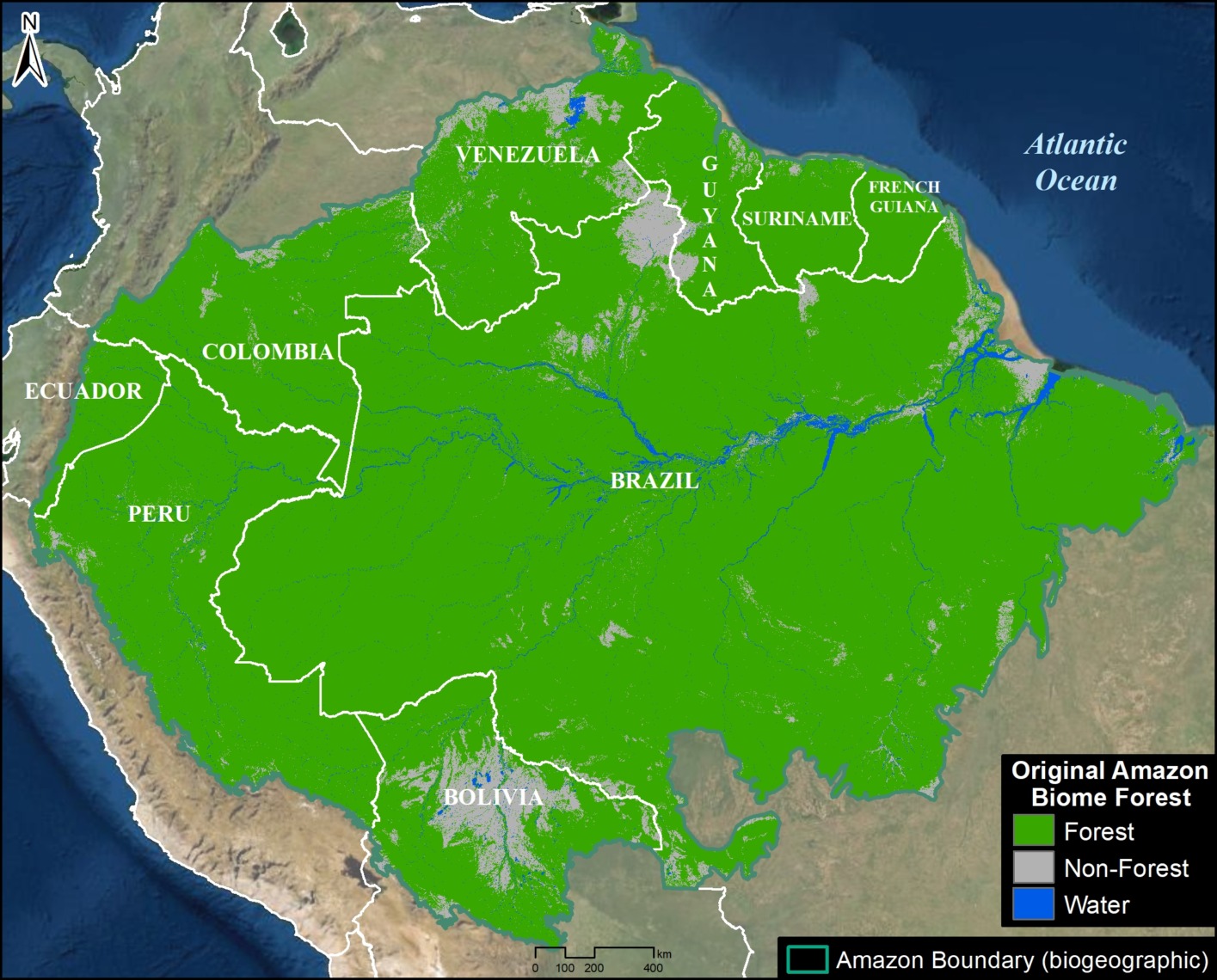
The Amazon rainforest, a colossal and irreplaceable natural wonder, spans approximately 2.1 million square miles, or roughly 1.35 billion acres. This staggering figure represents not merely a geographical measurement but a vast, complex economic landscape with profound implications for global finance, investment, and long-term sustainability. Understanding the sheer scale of the Amazon is the first step toward appreciating its economic significance – a significance that touches everything from commodity markets and carbon credits to impact investing and the stability of global ecosystems. Its acreage isn’t just land; it’s a repository of immense financial value, both realized and potential, and a critical factor in humanity’s collective economic future.
The Amazon’s Immeasurable Scale: A Foundation for Economic Thought
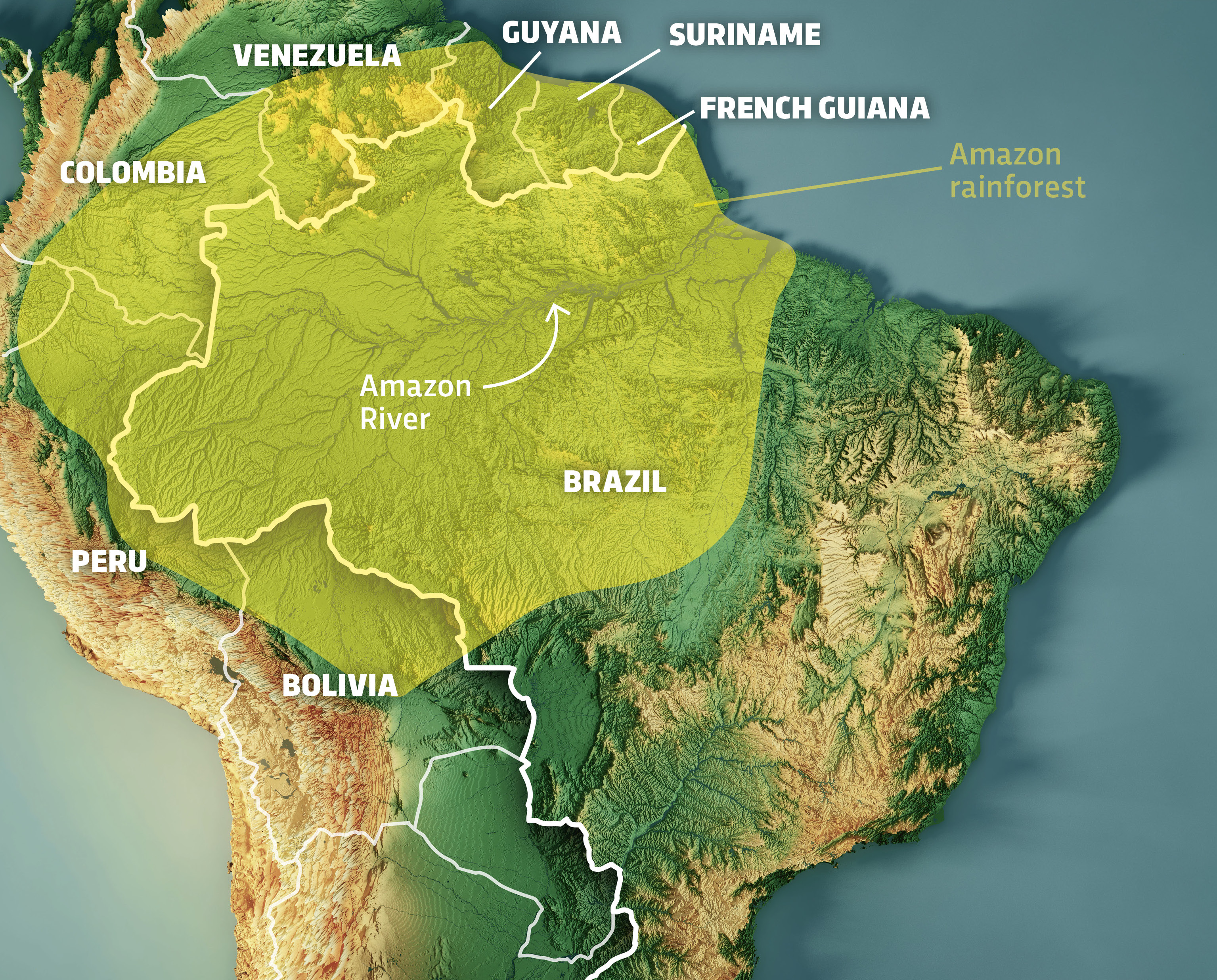
To grasp the financial weight of the Amazon, one must first internalize its unparalleled size. At 1.35 billion acres, it is larger than the entirety of Western Europe and accounts for over half of the planet’s remaining rainforests. This immense territory is shared by nine South American countries, with Brazil holding the lion’s share, encompassing about 60% of the biome. From an economic perspective, this vastness implies several critical realities: an unparalleled reservoir of natural capital, a complex governance challenge for sustainable economic development, and a significant frontier for both resource exploitation and conservation finance. The sheer number of acres dictates the magnitude of resources available, the scale of industries reliant on them, and the financial investment required to manage or protect them. Every acre represents a microcosm of biodiversity, an engine for hydrological cycles, and a component of the global climate regulation system, each with an inherent, albeit often unquantified, economic value.
Valuing Nature’s Grandeur: Economic Models and Challenges
Assigning a definitive monetary value to 1.35 billion acres of biodiverse rainforest is an undertaking fraught with complexity, yet it’s a critical exercise for financial decision-making and policy formulation. Economists and financial institutions employ various methodologies to estimate the economic worth of such natural capital, often categorizing it into direct use values, indirect use values, option values, and non-use values.
Direct Use Values: Commodities and Livelihoods
Direct use values stem from resources extracted or utilized directly from the forest. This includes timber, minerals (gold, iron ore, bauxite), oil and gas, rubber, nuts, fruits (like açaí), medicinal plants, and fish. The industries built around these resources represent a significant economic engine for Amazonian nations, generating billions in revenue annually and supporting millions of livelihoods. However, the financial allure of these commodities often drives unsustainable extraction practices, leading to deforestation and environmental degradation. The challenge lies in developing economic models that value these resources sustainably, accounting for regeneration rates and the long-term ecological costs of extraction.
Indirect Use Values: Ecosystem Services
Perhaps the most significant, yet hardest to quantify, economic value comes from the Amazon’s ecosystem services. These include climate regulation (carbon sequestration, oxygen production), water cycle regulation (generating rainfall for agriculture across South America), biodiversity maintenance (a source of potential new drugs, genetic material for crops), and soil fertility. Studies attempting to monetize these services often produce figures in the trillions of dollars annually, far exceeding the direct economic output of extractive industries. For instance, the carbon sequestration capacity of 1.35 billion acres of forest has an enormous potential value in global carbon markets, which is slowly being recognized and integrated into financial instruments. The “natural capital” approach to valuation seeks to incorporate these services into national accounts, treating forests not just as resources to be exploited but as assets generating vital services.
Option and Non-Use Values: Future Potential and Intrinsic Worth
Option values relate to the potential future benefits of the Amazon’s biodiversity, such as undiscovered medicinal compounds or genetic resources for future crops. Non-use values, like existence value (the value people place on the Amazon simply existing) and bequest value (preserving it for future generations), reflect the intrinsic and cultural importance that transcends direct utility. While challenging to translate into traditional financial metrics, these values are increasingly influencing corporate social responsibility (CSR) initiatives, sustainable investment criteria, and philanthropic capital flows.
Financial Drivers and Deterrents: The Economics of Deforestation and Preservation
The battle for the Amazon’s future is fundamentally an economic one, driven by the perceived financial gains from land use change versus the economic imperative of preservation. Understanding these financial dynamics is crucial for investors, policymakers, and businesses seeking sustainable engagement with the region.
The Profit Motive for Deforestation
Major drivers of deforestation are often rooted in clear, short-term economic gains. Cattle ranching, which accounts for the largest share of deforestation, is driven by global demand for beef and leather. Industrial agriculture, particularly soy cultivation, responds to the market for animal feed and biofuels. Illegal mining operations for gold and other minerals offer quick, if illicit, profits. Timber logging, both legal and illegal, caters to construction and furniture markets. These industries, despite their environmental toll, represent significant capital flows and employment in the Amazon basin. The financial logic is often straightforward: clear land, monetize resources, generate immediate revenue.
Economic Incentives for Preservation
Conversely, significant financial mechanisms are emerging to incentivize preservation. Carbon markets, where industries purchase carbon credits to offset their emissions, represent a direct financial pipeline to protect carbon-rich forests. Programs like REDD+ (Reducing Emissions from Deforestation and Forest Degradation) aim to compensate developing countries for preserving their forests. Ecotourism offers a non-extractive revenue stream, valuing the standing forest for its natural beauty and biodiversity. The sustainable harvest of non-timber forest products (NTFPs) like Brazil nuts, açaí, and rubber provides livelihoods that are directly tied to forest health. Furthermore, impact investing and green bonds are channeling capital into sustainable land use practices, renewable energy projects, and community-based conservation initiatives in the Amazon.
Financial Risk and Opportunity in Climate Change
The degradation of the Amazon represents a significant financial risk to global economies. Climate change, exacerbated by deforestation, threatens agricultural productivity, amplifies natural disasters, and destabilizes ecosystems crucial for resource provision. Financial institutions are increasingly recognizing these “transition risks” and “physical risks” in their portfolios, leading to divestment from environmentally damaging industries and increased capital allocation towards climate resilience and nature-based solutions. The opportunity lies in the burgeoning market for climate finance, where the Amazon, at 1.35 billion acres, holds immense potential as a beneficiary of investments aimed at global decarbonization and ecological restoration.
Investing in the Lungs of the Earth: Opportunities for Sustainable Growth
For forward-thinking investors, the Amazon presents a unique and expanding frontier for sustainable and impact-driven investment. The scale of the rainforest means that interventions, if properly planned and executed, can have a truly global financial and environmental impact.
Sustainable Agriculture and Agroforestry
Investing in sustainable agriculture models, such as agroforestry (integrating trees with crops and livestock), offers a pathway to increase food production while restoring degraded land and maintaining forest cover. Companies developing sustainable cocoa, coffee, and native fruit industries in the Amazon, often working directly with indigenous communities, are attracting capital from impact investors looking for both financial returns and positive social and environmental outcomes. These models demonstrate how economic productivity can be aligned with ecological preservation.
Carbon Sequestration and Biodiversity Credits
The rapidly maturing carbon credit market offers a direct financial incentive for forest protection and reforestation projects across the Amazon’s 1.35 billion acres. Investors can fund projects that generate verifiable carbon credits, which are then sold to corporations seeking to meet their net-zero targets. Beyond carbon, the nascent biodiversity credit market offers another avenue, allowing investors to fund projects that specifically protect endangered species or critical habitats, generating credits that companies can use to offset their biodiversity impacts.
Ecotourism and Regenerative Development
The Amazon’s unparalleled biodiversity and cultural richness make it a prime destination for ecotourism. Investing in sustainable lodges, guided tours, and community-based tourism initiatives can provide local populations with alternative, forest-friendly income streams. Furthermore, investments in regenerative development projects, which focus on restoring ecological health while building local economies, represent a holistic approach to sustainable growth. This includes developing supply chains for sustainably harvested non-timber forest products, supporting local entrepreneurship, and investing in renewable energy infrastructure.
Financial Instruments for Conservation
The financial sector is innovating with new instruments designed to channel capital into conservation. Green bonds and blue bonds are being issued by governments and corporations to finance environmentally friendly projects, some directly benefiting Amazonian conservation. Debt-for-nature swaps, where a portion of a country’s foreign debt is forgiven in exchange for commitments to environmental protection, offer another macro-financial tool. Private equity funds focused on natural capital and conservation finance are also emerging, providing sophisticated investors with opportunities to engage in this critical sector.

The Bottom Line: Future Financial Stability and the Amazon’s Fate
The question of “how many acres is the Amazon rainforest” transcends a simple numerical answer. It forces a fundamental reconsideration of how humanity values natural capital and integrates it into global financial systems. The 1.35 billion acres represent an asset of unfathomable value, providing essential ecological services that underpin global economic stability. The financial decisions made today, whether by individual investors, corporations, or governments, regarding the Amazon will have profound and lasting implications for future generations’ prosperity and the planet’s economic resilience. As climate change risks intensify and resource scarcity becomes more pronounced, the financial health of this vast rainforest will directly correlate with the economic health of the world. Investing in the Amazon’s preservation and sustainable development is not merely an environmental imperative; it is a strategic financial decision for a stable and prosperous future.
aViewFromTheCave is a participant in the Amazon Services LLC Associates Program, an affiliate advertising program designed to provide a means for sites to earn advertising fees by advertising and linking to Amazon.com. Amazon, the Amazon logo, AmazonSupply, and the AmazonSupply logo are trademarks of Amazon.com, Inc. or its affiliates. As an Amazon Associate we earn affiliate commissions from qualifying purchases.