
The Amazon rainforest is frequently described as the “lungs of the planet,” a biological marvel that spans nine nations and houses one in ten known species on Earth. However, in the modern financial landscape, the Amazon is increasingly viewed through a different lens: as the world’s most significant repository of natural capital. To understand its scale is to understand the sheer magnitude of the economic forces at play. Covering approximately 1.4 billion acres (roughly 5.5 million square kilometers), the Amazon represents a foundational pillar of the global economy, influencing everything from international carbon markets to the stability of global agricultural commodities.
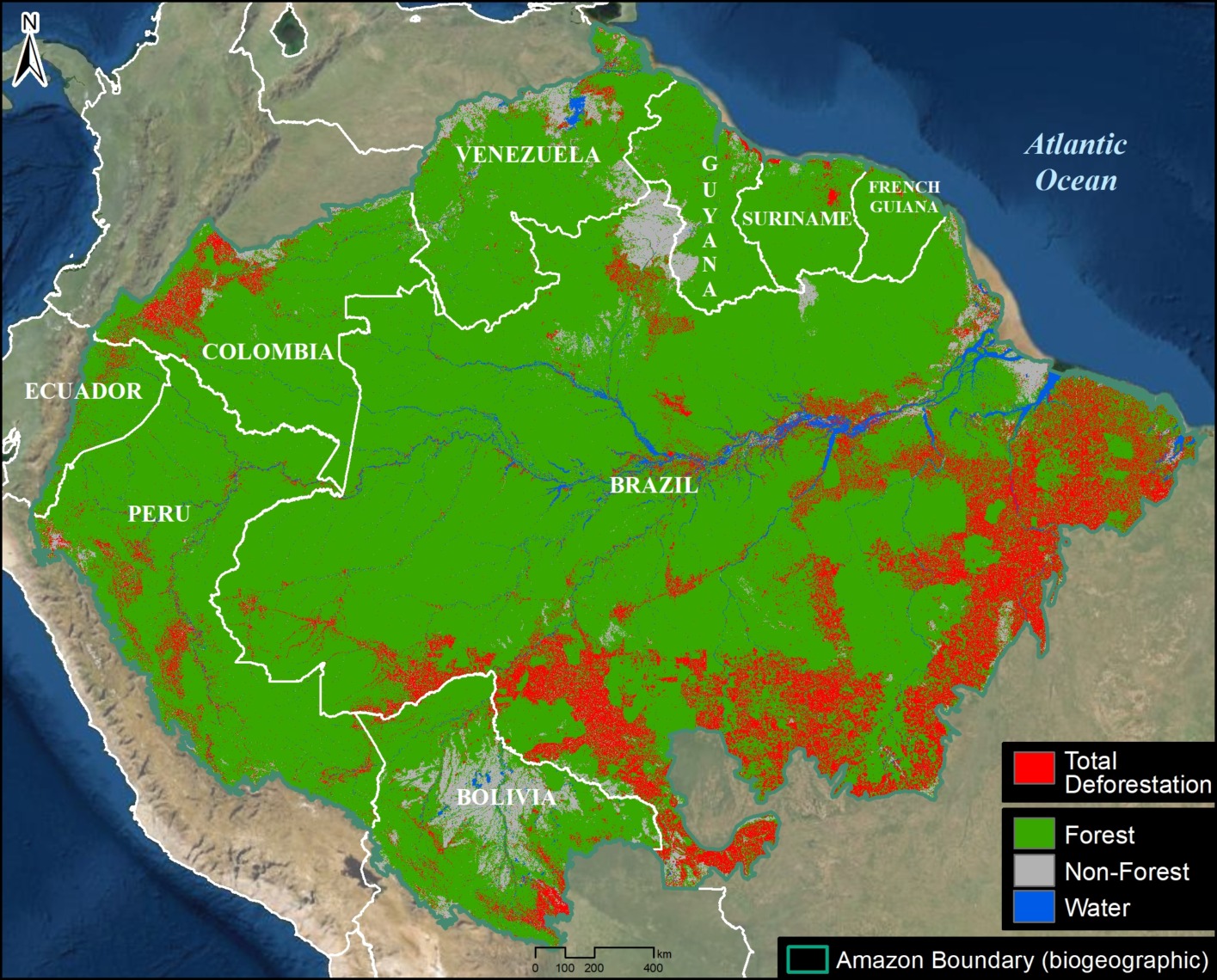
Quantifying the acreage of the Amazon is the first step in assessing its value as a financial asset. While the total biome covers about 1.7 billion acres, the forest cover itself occupies roughly 1.4 billion acres. For investors, policymakers, and corporate strategists, these acres are no longer just wilderness; they are the frontier of the “green” financial revolution.
The Valuation of the Amazon: Measuring Natural Capital on a Global Scale
When we translate 1.4 billion acres into financial terms, the figures are staggering. Traditional economic models often failed to account for “ecosystem services”—the benefits humans derive from nature for free. Today, economists estimate that the Amazon provides services worth trillions of dollars annually.
The Amazon as a Pillar of Global Natural Capital
Natural capital refers to the world’s stocks of natural assets, including geology, soil, air, water, and all living things. The Amazon is perhaps the largest single “savings account” of natural capital on the planet. Its 1.4 billion acres regulate the global climate, manage the hydrological cycle that feeds South American agriculture, and act as a massive buffer against climate-related financial shocks.
From a portfolio perspective, the preservation of these acres is a hedge against systemic risk. If the Amazon reaches a “tipping point” where it can no longer sustain itself, the resulting shift in global weather patterns would cause catastrophic losses in the insurance, energy, and food production sectors. Thus, the valuation of the Amazon is inherently tied to the mitigation of global “fat-tail” risks—low-probability, high-impact events that can collapse financial markets.
From Real Estate to Ecosystem Services
While an acre of land in the Amazon might be sold for a few hundred dollars for cattle ranching or soy farming, its value as a standing forest is exponentially higher. This discrepancy is known as a market failure. New financial instruments are being developed to bridge this gap, treating the 1.4 billion acres as a productive asset that “exports” moisture and “imports” carbon dioxide.
Recent studies suggest that the “social cost of carbon”—the economic damage caused by each ton of CO2 emitted—makes the Amazon’s role in carbon sequestration worth billions of dollars per year. When you multiply the carbon storage capacity of 1.4 billion acres by current carbon prices, the Amazon becomes one of the most valuable pieces of “real estate” in human history, far outstripping the value of the timber or minerals beneath its soil.
The Carbon Credit Gold Mine: Monetizing the Canopy
The most direct way the 1.4 billion acres of the Amazon are being integrated into the financial world is through the carbon credit market. As corporations move toward “Net Zero” commitments, the demand for high-quality, nature-based offsets has skyrocketed.
The Mechanics of Voluntary Carbon Markets (VCM)
In the Voluntary Carbon Market, companies buy credits to offset their emissions. Each credit typically represents one metric ton of CO2 either removed from the atmosphere or prevented from being released. The Amazon is the primary source of these credits. Through REDD+ (Reducing Emissions from Deforestation and Forest Degradation) frameworks, stakeholders can monetize the preservation of specific acreage.
For an investor, the math is compelling. By protecting a 100,000-acre tract of the Amazon, a project developer can generate a steady stream of carbon credits over 20 to 30 years. As the price of carbon rises due to tightening regulations and increased corporate demand, the ROI on rainforest preservation begins to compete with traditional investments. However, this market requires rigorous verification, using satellite technology and AI to ensure that the “avoided deforestation” is real and permanent.
Compliance Markets and the Paris Agreement
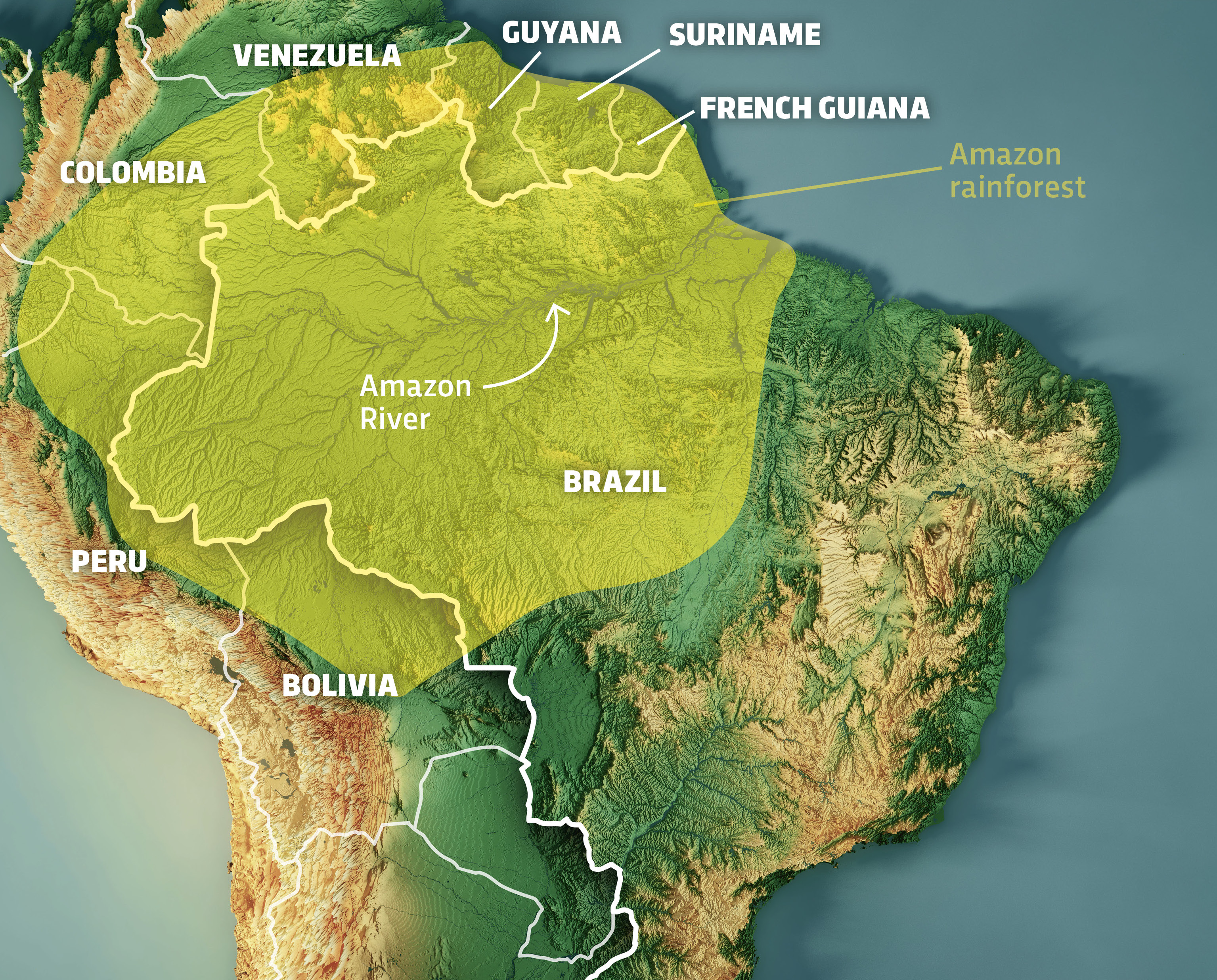
Beyond the voluntary sector, the Amazon’s acreage is becoming a focal point for compliance markets regulated by governments. Article 6 of the Paris Agreement allows for the international transfer of carbon credits between nations. For the nine Amazonian countries—most notably Brazil, Peru, and Colombia—their 1.4 billion acres represent a massive sovereign wealth asset.
By selling these credits to industrialized nations that are struggling to meet their emission targets, Amazonian countries can generate significant foreign exchange reserves. This creates a “nature-based” economy where the preservation of acreage is a primary export, providing a sustainable alternative to extractive industries like mining or logging.
The High Cost of Degradation: Financial Risks to Global Trade
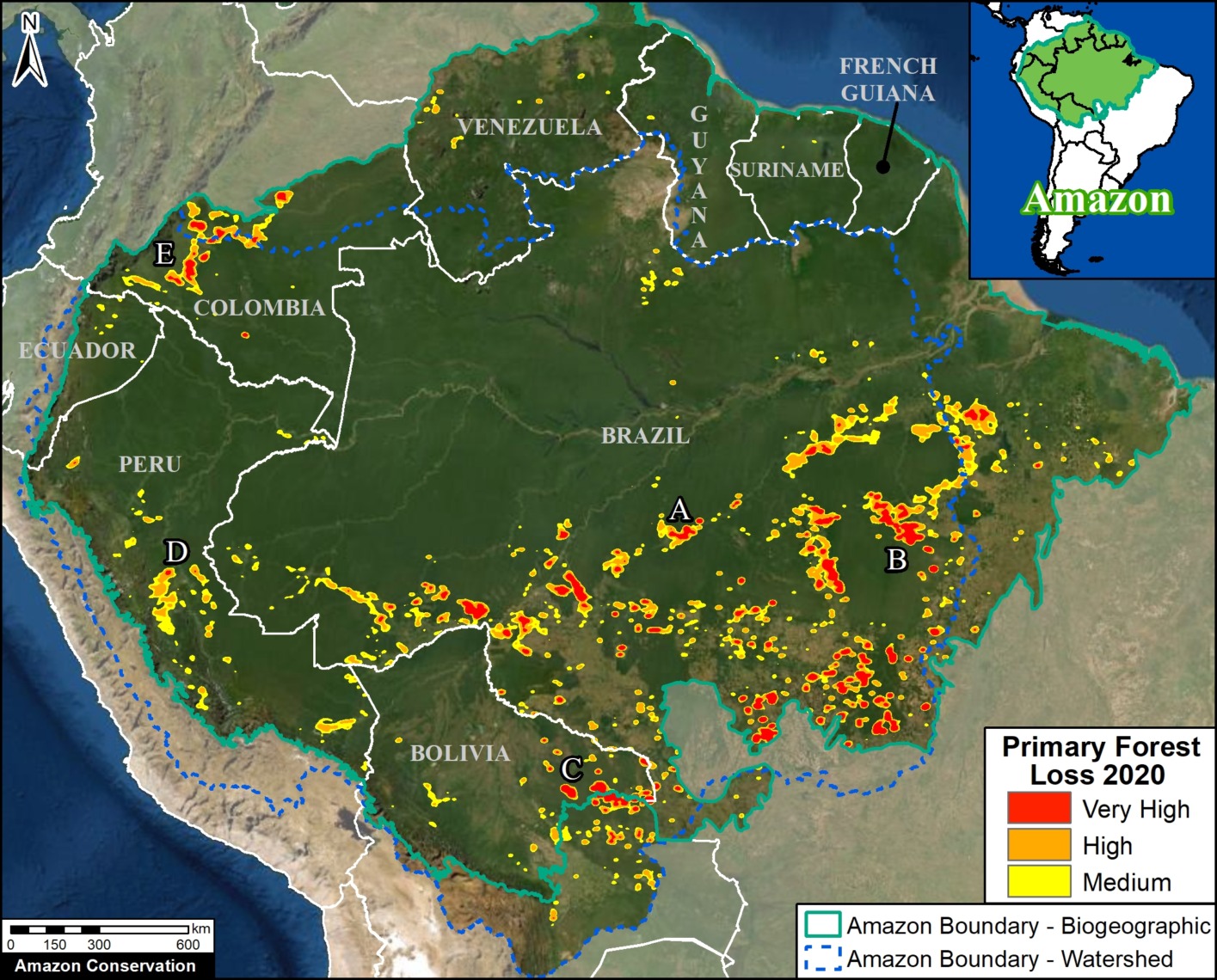
While there is money to be made in preservation, the financial risks associated with the loss of Amazonian acreage are equally significant. For the global financial community, deforestation is not just an environmental issue; it is a supply chain and credit risk.
Agriculture, Rainfall, and Multi-Billion Dollar Yields
The Amazon acts as a “biological pump,” releasing billions of tons of water vapor into the atmosphere every day. This creates “aerial rivers” that provide rainfall to the agricultural heartlands of South America and as far north as the United States’ Midwest.
The agricultural sector, which accounts for a massive portion of the GDP in countries like Brazil and Argentina, is entirely dependent on this hydrological cycle. If the 1.4 billion acres of the forest are further fragmented, the reduction in rainfall could lead to crop failures on a scale that would destabilize global food prices. For institutional investors with holdings in agribusiness, the destruction of the Amazon is a direct threat to the long-term viability of their assets.
The Insurance Industry and Climate-Related Financial Disclosures
Insurance companies are at the forefront of valuing the Amazon. As climate-related disasters increase in frequency and intensity, the cost of premiums rises. The Task Force on Climate-related Financial Disclosures (TCFD) now requires many large corporations to disclose how their operations impact and are impacted by climate change.
Because the Amazon plays such a pivotal role in global climate stability, companies with supply chains linked to Amazonian deforestation face “reputational risk” and “litigation risk.” Banks are increasingly hesitant to provide credit to firms that cannot prove their operations are “deforestation-free.” In this context, the 1.4 billion acres of the Amazon act as a benchmark for corporate responsibility and financial health.
Emerging Frontiers: Investing in the Bio-Economy and Regenerative Finance
The future of the Amazon’s 1.4 billion acres lies in the transition from an extractive economy to a bio-economy. This involves utilizing the forest’s biological resources in a sustainable way, creating value without destroying the asset.
Sustainable Supply Chains as a Competitive Edge
The “bio-economy” focuses on products derived from the standing forest, such as acai, Brazil nuts, oils for the cosmetic industry, and compounds for pharmaceuticals. This sector is ripe for investment. By building sustainable supply chains that empower local communities, investors can tap into the growing consumer demand for ethically sourced products.
The economic potential of the Amazon’s biodiversity—much of which has yet to be mapped or understood—is perhaps its greatest long-term financial asset. A single discovery of a new plant-based enzyme or medicinal compound could lead to a multi-billion dollar industry. In this sense, the 1.4 billion acres represent a vast, untapped laboratory of high-value intellectual property.
Digital Assets and Blockchain-Based Conservation
One of the most innovative trends in “Money” and “Fintech” is the tokenization of the Amazon. By using blockchain technology, developers are creating digital assets backed by specific acres of the rainforest. This allows individual investors to “own” the conservation rights to a piece of the Amazon, providing a transparent and liquid way to fund preservation.
These “Green Tokens” or “Nature-Backed Assets” use smart contracts to ensure that funds are used specifically for land protection and monitoring. This decentralization of environmental finance allows for a more democratic approach to conservation, where anyone with an internet connection can participate in the preservation of the world’s 1.4 billion-acre lung. It represents the ultimate intersection of modern finance and ecological necessity, turning the physical reality of the Amazon into a digital store of value for the 21st century.
aViewFromTheCave is a participant in the Amazon Services LLC Associates Program, an affiliate advertising program designed to provide a means for sites to earn advertising fees by advertising and linking to Amazon.com. Amazon, the Amazon logo, AmazonSupply, and the AmazonSupply logo are trademarks of Amazon.com, Inc. or its affiliates. As an Amazon Associate we earn affiliate commissions from qualifying purchases.