
In the intricate world of personal finance, business operations, and economic trends, one concept consistently emerges as a fundamental building block: the percentage. Far more than just a mathematical quirk, percentages are the language through which we understand growth, evaluate risk, measure efficiency, and plan for the future. From the interest rate on your savings account to the discount on a new purchase, or the profit margin of a burgeoning business, mastering percentages isn’t just about arithmetic; it’s about unlocking a deeper, more nuanced understanding of your financial landscape. This guide will demystify percentages, transforming them from abstract numbers into powerful tools for informed decision-making across all facets of your financial life.
The Ubiquity of Percentages in Personal Finance
Percentages permeate our daily financial interactions, often without us consciously realizing their profound impact. Understanding their basics is the first step towards financial literacy and empowerment.
Understanding the Basics: What a Percentage Really Means
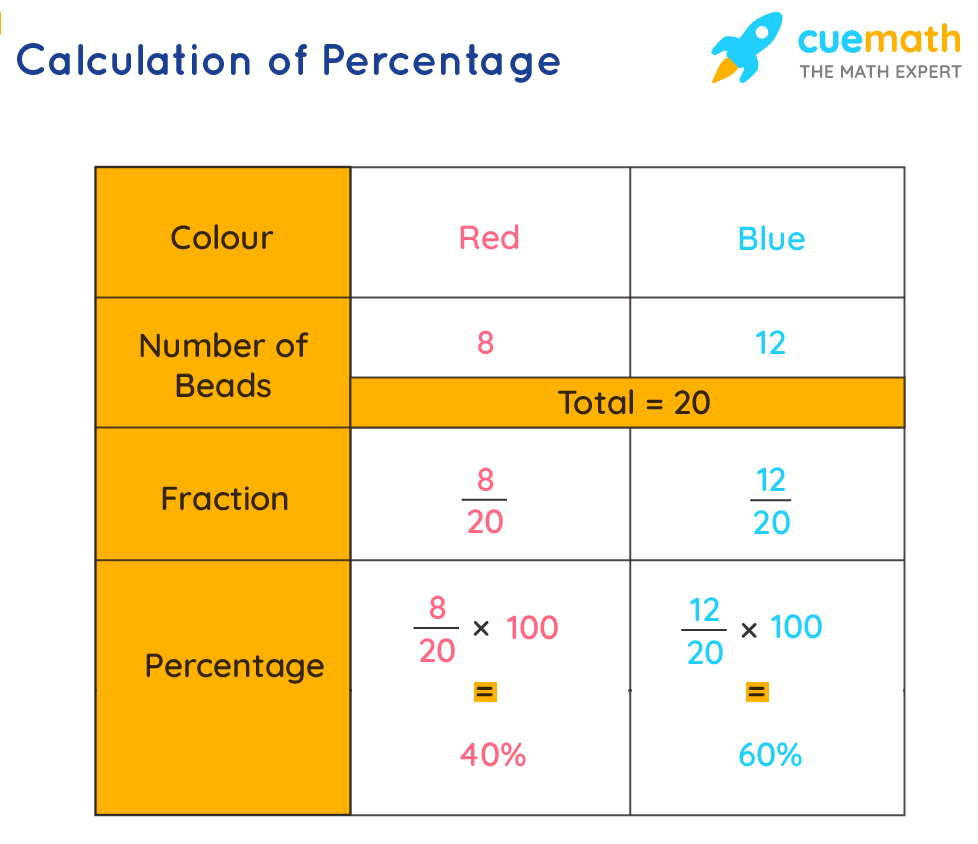
At its core, a percentage simply represents a fraction out of 100. The term “percent” comes from the Latin “per centum,” meaning “by the hundred.” So, 25% means 25 out of 100, which can also be expressed as the fraction 25/100 or the decimal 0.25. This simple conversion is key to performing calculations and grasping the magnitude of any percentage figure. For example, if you see an item is “30% off,” it means you save 30 units for every 100 units of its original price. If something “increases by 10%,” it means its new value is 10 parts higher for every 100 parts of its previous value. This foundational understanding allows us to contextualize and interpret the vast array of percentage-based information we encounter.
Everyday Applications: From Discounts to Tips
Beyond theoretical understanding, percentages have countless practical applications in our daily lives. Think about sales and discounts: a “20% off” sign instantly tells you the magnitude of savings. When dining out, calculating a tip often involves determining 15% or 20% of the total bill. Sales tax, another common financial component, is typically expressed as a percentage of the purchase price. Loan interest rates, whether for a mortgage, car loan, or credit card, are quoted as annual percentages. Even when discussing sports statistics or political polls, percentages provide a standardized way to compare proportions and trends. These everyday examples underscore that percentages are not just academic concepts but essential tools for navigating the economic realities of modern life.
Why Percentages are Crucial for Financial Literacy
A solid grasp of percentages is not merely convenient; it is absolutely crucial for genuine financial literacy. Without it, comprehending the true cost of debt, the potential growth of investments, or the impact of inflation becomes incredibly challenging. How can one compare different savings accounts without understanding their interest rates? How can you budget effectively if you can’t calculate what percentage of your income goes towards rent or groceries? Percentages enable us to compare disparate quantities on a common scale, making complex financial decisions more manageable. They empower individuals to evaluate financial products critically, negotiate better deals, and make informed choices that align with their long-term financial goals. It’s the difference between blindly accepting figures and actively understanding their implications.
Leveraging Percentages for Smart Investing and Savings
In the realm of wealth creation and preservation, percentages are the compass guiding your financial journey. They help you gauge performance, understand growth, and manage risk.
Calculating Returns: ROI, Interest Rates, and Yields
When it comes to investing, percentages are the primary metric for evaluating performance. Return on Investment (ROI), for example, is expressed as a percentage, indicating the profitability of an investment relative to its cost. If you invest $1,000 and it grows to $1,200, your profit is $200, and your ROI is ($200/$1,000) * 100% = 20%. Similarly, interest rates on savings accounts, bonds, or Certificates of Deposit (CDs) are percentages that tell you how much your money will grow over a period. Dividend yields represent the annual dividend income as a percentage of a stock’s price, offering insights into potential income streams. Understanding these percentage calculations allows investors to compare different opportunities, assess their potential gains, and make strategic allocation decisions.
The Power of Compounding: Growth Over Time
Perhaps one of the most powerful financial concepts underpinned by percentages is compound interest. Often called the “eighth wonder of the world,” compounding refers to earning interest not only on your initial principal but also on the accumulated interest from previous periods. When an investment grows by, say, 5% each year, that 5% is applied to an ever-increasing base, leading to exponential growth over time. The formula for compound interest, A = P(1 + r/n)^(nt), heavily relies on the annual interest rate (r) expressed as a percentage. A clear understanding of how even small percentage differences in interest rates, combined with time, can drastically alter the final sum is critical for long-term wealth building, especially for retirement planning and significant savings goals.
Risk Assessment: Understanding Volatility and Drawdowns
Percentages also play a vital role in understanding and managing investment risk. Volatility, often measured by standard deviation, indicates how much an investment’s value fluctuates over a period, expressed as a percentage. Higher volatility percentages suggest greater price swings and thus higher risk. Drawdowns – the peak-to-trough decline of an investment – are typically expressed as percentages, helping investors understand the potential loss they might experience during market downturns. By analyzing these percentage-based risk metrics, investors can select assets that align with their risk tolerance, diversify their portfolios effectively, and prepare for potential market fluctuations, safeguarding their capital from undue exposure.
Saving Strategies: Setting Percentage-Based Goals
Effective saving often revolves around setting clear, measurable goals, and percentages provide the ideal framework for this. Instead of aiming to save a vague amount, many financial advisors recommend allocating a specific percentage of your income to savings and investments. For example, the popular “pay yourself first” principle often suggests dedicating 10-15% of every paycheck directly to savings. This percentage-based approach ensures that as your income grows, your savings automatically grow in proportion, maintaining a consistent trajectory towards your financial objectives, whether it’s a down payment on a house, a child’s education fund, or a comfortable retirement.
Percentages in Budgeting and Debt Management
Effective budgeting and strategic debt management are cornerstones of financial health, and percentages provide the structural integrity for both.
Crafting a Budget: The 50/30/20 Rule and Beyond
Budgeting fundamentally involves allocating your income across different expenditure categories, and percentages offer a clear, actionable framework for this. One widely popular model is the 50/30/20 Rule, which suggests allocating 50% of your after-tax income to needs (housing, utilities, groceries), 30% to wants (entertainment, dining out, hobbies), and 20% to savings and debt repayment. This percentage-based rule provides a simple yet powerful guideline for managing your cash flow. Beyond this specific rule, individuals can customize their budgets by assigning specific percentages to various categories – for instance, 25% for rent, 15% for food, 10% for transportation, and so on. This approach makes budgeting flexible, adaptable to changing incomes, and easy to monitor, ensuring you stay within your financial limits.
Debt Management: Interest Rates and Amortization Schedules
When tackling debt, percentages are the figures that truly reveal the cost of borrowing. The Annual Percentage Rate (APR) on credit cards, personal loans, and mortgages represents the yearly cost of the loan as a percentage of the amount borrowed. A higher APR means more of your payments go towards interest rather than principal, prolonging your debt repayment journey. Understanding how to calculate the interest portion of a payment, or how different interest rates affect an amortization schedule (the breakdown of loan payments over time), is crucial. For instance, even a 1% difference in a mortgage interest rate can translate into tens of thousands of dollars saved over the life of the loan. Knowing these percentages empowers you to prioritize high-interest debts for repayment, evaluate refinancing options, and minimize the overall cost of your borrowing.
Monitoring Spending: Identifying Expenditure Ratios
Beyond initial budgeting, percentages are invaluable for ongoing financial monitoring. By tracking your spending and calculating the percentage of your income (or total spending) allocated to different categories, you can identify spending patterns and areas for potential adjustment. If you discover that 40% of your income is going towards discretionary spending, you might decide to reduce that to 30% to boost your savings. These expenditure ratios provide quick, digestible insights into your financial habits, highlighting where your money is actually going versus where you think it’s going. This continuous assessment, facilitated by percentages, is key to maintaining financial discipline and making necessary course corrections.
Inflation and Purchasing Power: The Hidden Impact
Finally, percentages help us understand the subtle yet significant impact of inflation. Inflation is the rate at which the general level of prices for goods and services is rising, and subsequently, the purchasing power of currency is falling. This rate is almost always expressed as a percentage, e.g., “The annual inflation rate is 3%.” A 3% inflation rate means that what cost $100 last year now costs $103, effectively eroding the value of your money over time. Understanding this percentage helps you make crucial decisions about savings rates, investment returns needed to outpace inflation, and how to preserve your future purchasing power, ensuring your financial plans aren’t silently undermined by rising costs.
Percentages in Business Finance and Online Income
For entrepreneurs, business owners, and those generating online income, percentages are indispensable for measuring performance, profitability, and growth.
Profit Margins: Gross vs. Net
In business, percentages are the ultimate indicators of financial health and operational efficiency. Gross Profit Margin (Gross Profit / Revenue * 100%) tells you what percentage of your revenue is left after subtracting the cost of goods sold. It indicates the profitability of your core products or services. Net Profit Margin (Net Profit / Revenue * 100%) goes a step further, showing the percentage of revenue remaining after all expenses, including operating costs, interest, and taxes, have been deducted. These percentage-based metrics are vital for assessing a business’s pricing strategies, cost control measures, and overall financial viability, helping entrepreneurs understand if their ventures are truly sustainable and profitable.
Conversion Rates: Measuring Marketing Effectiveness
For anyone involved in online income generation, marketing, or e-commerce, conversion rates are critical performance indicators, always expressed as percentages. A conversion rate measures the percentage of website visitors, email recipients, or ad viewers who complete a desired action, such as making a purchase, signing up for a newsletter, or filling out a form. For example, if 100 people visit your online store and 2 make a purchase, your conversion rate is 2%. By tracking and optimizing these percentages, businesses and online earners can fine-tune their marketing campaigns, website design, and sales funnels to maximize their income and grow their customer base more efficiently.
Commission Structures and Royalty Rates
Many online income models, particularly those involving sales, affiliate marketing, or content creation, rely heavily on percentage-based compensation. Commission structures often dictate that you earn a certain percentage of each sale you facilitate. For instance, an affiliate marketer might earn a 10% commission on every product sold through their unique link. Similarly, authors, artists, and musicians often receive royalty rates, which are percentages of the revenue generated from their work (e.g., 15% of book sales). A clear understanding of these percentage agreements is essential for accurately projecting income, negotiating favorable terms, and evaluating the profitability of different ventures.
Scaling Your Business: Growth Percentages
As businesses grow, tracking their expansion through growth percentages becomes paramount. Year-over-year revenue growth, month-over-month customer acquisition growth, or percentage increase in market share all provide crucial insights into a business’s trajectory and potential. For instance, reporting a “25% year-over-year revenue growth” paints a clear picture of success and scalability to investors and stakeholders. These percentages enable entrepreneurs to set ambitious yet realistic growth targets, measure the effectiveness of expansion strategies, and make data-driven decisions about future investments and resource allocation.
Tools and Tips for Mastering Percentage Calculations
While the underlying concepts are crucial, practical application requires proficiency in calculation. Fortunately, numerous tools can assist.
Basic Mental Math and Calculator Usage
For simple percentages, developing mental math shortcuts can be incredibly useful. For example, to find 10% of a number, just move the decimal point one place to the left (e.g., 10% of $250 is $25). To find 5%, halve the 10% value. For more complex calculations, a basic calculator is your best friend. Most modern calculators have a dedicated “%” button, simplifying operations like adding a percentage (e.g., $100 + 5% = $105) or finding a percentage of a number. Understanding how your calculator’s percentage function works can save time and prevent errors in daily financial tasks.
Spreadsheet Software: Excel and Google Sheets for Advanced Analysis
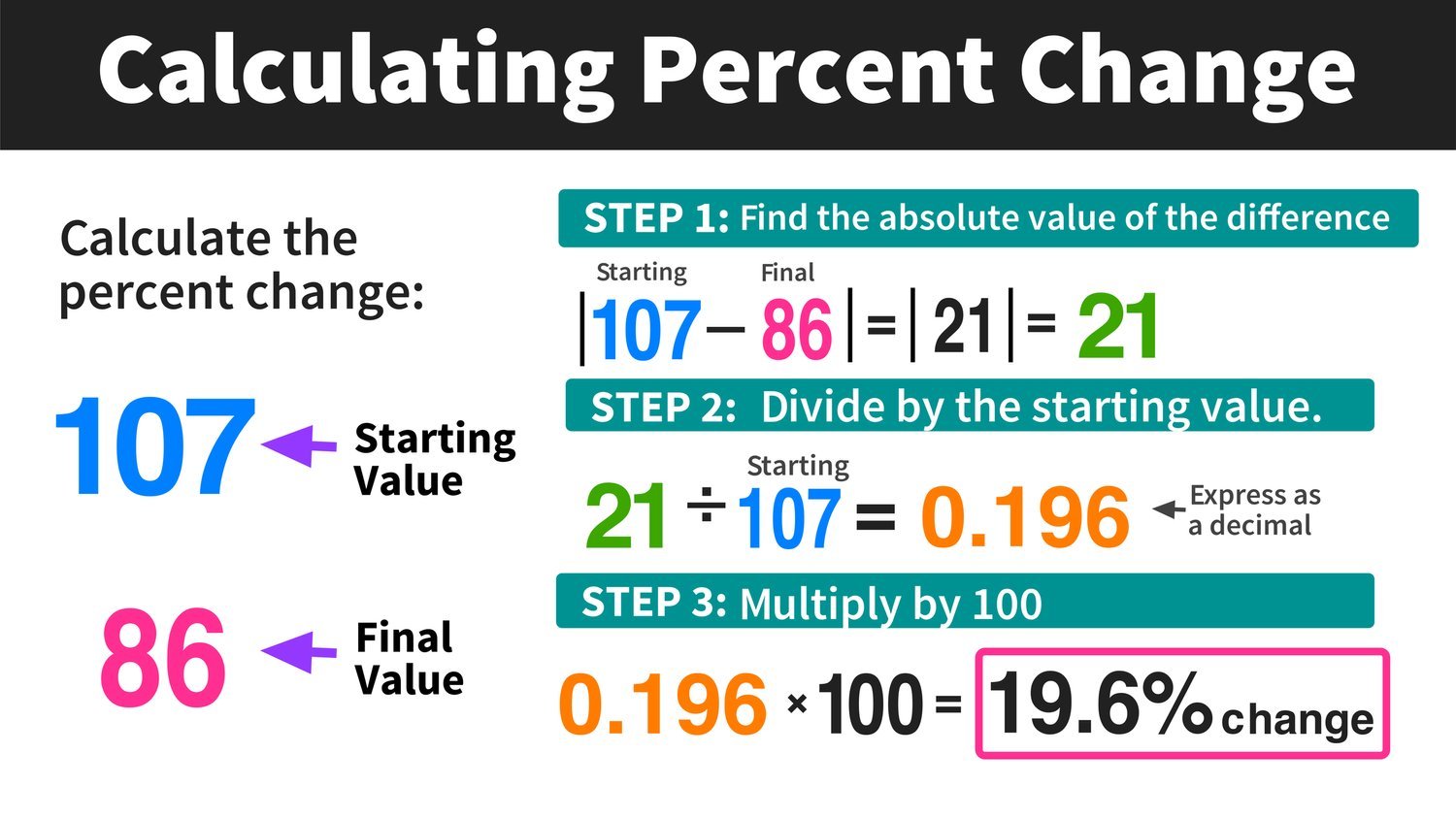
For more complex financial analysis, budgeting, and investment tracking, spreadsheet software like Microsoft Excel or Google Sheets are indispensable. These tools allow you to perform intricate percentage calculations, create dynamic budgets, track investment returns, and visualize financial data. Formulas such as =A1*0.05 (to find 5% of the value in cell A1) or = (A2-A1)/A1 (to calculate percentage change between two values) become powerful mechanisms for managing and analyzing large datasets. Mastering basic percentage formulas in spreadsheets can transform how you handle your personal and business finances, enabling sophisticated forecasting and scenario planning.
Financial Calculators and Apps
Beyond general-purpose calculators, numerous specialized financial calculators and apps are designed to handle complex percentage-based calculations with ease. These can range from online mortgage calculators that factor in interest rates over decades, to investment apps that calculate compound growth and projected returns. Many budgeting apps automatically track your spending and categorize it into percentages of your income. Utilizing these tailored tools can simplify tasks like comparing loan offers, projecting retirement savings, or understanding the long-term impact of various financial decisions.
Avoiding Common Percentage Pitfalls
Despite their apparent simplicity, percentages can sometimes lead to confusion. A common pitfall is misunderstanding the “base” when calculating percentage changes. For instance, if a stock drops by 50% from $100 to $50, it then needs to increase by 100% (not 50%) to return to its original value of $100 ($50 * 100% = $50 gain, bringing it back to $100). Another pitfall is mistaking percentage points for percentages. A change from 5% to 7% is a 2 percentage point increase, but a (7-5)/5 * 100% = 40% percentage increase. Always be clear about what quantity the percentage is being applied to and whether you are discussing an absolute change in percentage points or a relative percentage change.

Conclusion
From managing your household budget to making shrewd investment decisions or scaling a thriving business, percentages are the fundamental metric that empowers intelligent financial action. They provide a universal language for understanding growth, cost, risk, and reward. By moving beyond a superficial understanding to truly grasping how to calculate, interpret, and apply percentages, you unlock a powerful set of skills. This mastery doesn’t just enable you to perform calculations; it equips you with the financial literacy to critically evaluate opportunities, avoid pitfalls, and confidently navigate the complex economic landscape, ultimately paving your way to greater financial freedom and success.
aViewFromTheCave is a participant in the Amazon Services LLC Associates Program, an affiliate advertising program designed to provide a means for sites to earn advertising fees by advertising and linking to Amazon.com. Amazon, the Amazon logo, AmazonSupply, and the AmazonSupply logo are trademarks of Amazon.com, Inc. or its affiliates. As an Amazon Associate we earn affiliate commissions from qualifying purchases.