
In the world of corporate identity, few stories are as polarizing or as strategically fascinating as the naming of Lululemon Athletica. While many brands choose names based on heritage, abstract concepts, or linguistic simplicity, the origin of Lululemon is rooted in a specific, calculated—and arguably controversial—approach to market psychology and brand perception. For branding professionals and marketers, the story offers a masterclass in how phonetic appeal, niche targeting, and even calculated risk-taking can converge to create a global powerhouse.
Understanding how Lululemon got its name requires more than just looking at a dictionary; it requires an analysis of the brand’s founder, Chip Wilson, and his observations of the global marketplace in the late 1990s. The name was not an accident, nor was it a traditional marketing exercise. It was a deliberate attempt to manufacture a specific brand “vibe” that would resonate with a burgeoning demographic of health-conscious, affluent consumers.

The Phonetic Strategy: Why the Letter ‘L’ Defined a Global Empire
The most cited story regarding the Lululemon name involves its founder’s previous business ventures and his observations of the Japanese market. Before founding Lululemon in 1998, Chip Wilson operated a skateboard and snowboard brand called “Homless.” According to Wilson’s own accounts, he noticed that Japanese consumers often sought out brands with the letter “L” because the phoneme does not exist in the Japanese language. In the eyes of certain consumers at the time, a name containing “L” signaled that a brand was authentically Western and premium.
The Power of Phonetic Complexity
Wilson’s strategy was to create a name that was difficult to pronounce for specific demographics, thereby enhancing its “exotic” and premium appeal. By loading the name with three distinct “L” sounds—Lululemon—he intended to maximize the brand’s perceived Western authenticity in international markets.
From a branding perspective, this is a form of cultural arbitrage. It utilizes linguistic nuances to create a perception of status. While this approach has been criticized for being culturally insensitive, from a purely strategic marketing standpoint, it highlights a profound understanding of how sounds influence brand perception. Names aren’t just identifiers; they are phonetic signatures that carry weight, texture, and origin stories within their syllables.
Distinctiveness Through Repetition
Beyond the cultural implications, the repetition of the “L” sound provides a rhythmic, almost playful quality to the brand. In the landscape of late-90s athletic wear, dominated by aggressive and masculine names like Nike (the Goddess of Victory) or Adidas (the founder’s nickname), Lululemon was intentionally soft, whimsical, and memorable. It stood out because it didn’t sound like an athletic brand. It sounded like an experience, a lifestyle, or even a community.
More Than a Moniker: Building a Lifestyle Through Brand Identity
While the name Lululemon provided the phonetic foundation, the brand’s strategy was further solidified through its visual identity and its laser-focused targeting of a specific demographic. A brand name is only as strong as the “soul” poured into it, and Wilson spent years defining who the “Lululemon person” was.
The “Super Girl” Archetype
Lululemon’s initial branding strategy was built around a fictional persona named “Ocean.” Ocean was a 32-year-old single professional woman who earned $100,000 a year, was health-conscious, and valued high-quality, fashionable athletic gear. The name “Lululemon” was designed to appeal to this archetype—someone who wanted a brand that felt sophisticated yet approachable, and distinct from the mass-market offerings of the time.
This approach to personal branding at a corporate scale changed how athletic companies marketed to women. Instead of simply “shrinking and pinking” men’s products, Lululemon built an identity from the ground up that spoke to a new social class: the yoga-practicing, latte-drinking, career-driven urbanite. The name served as the secret handshake for this community.
The Logo Mystery
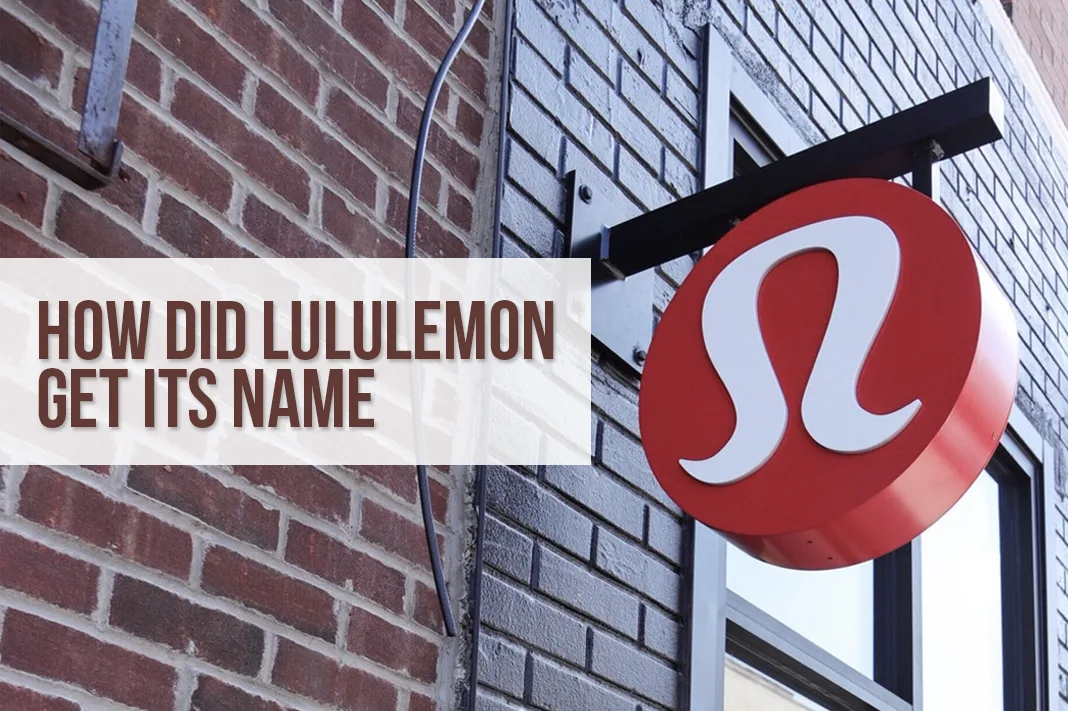
Interestingly, the Lululemon logo—a stylized “A”—actually predates the final name. Originally, Wilson had considered the name “Athletically Hip,” and the logo was designed as a stylized “A.” When the name Lululemon was eventually chosen through a survey of 100 people, the logo remained.
This disconnect between the name (Lululemon) and the logo (an ‘A’) is a branding anomaly that worked in the company’s favor. It added a layer of mystery and required consumers to “lean in” to understand the brand. In modern branding, consistency is usually king, but Lululemon proved that if the product and the community are strong enough, the brand can survive—and even thrive—on idiosyncratic choices.
The Risks and Rewards of Provocative Branding
The story of Lululemon’s name is inseparable from the controversies that have occasionally surrounded it. For brand strategists, this serves as a cautionary tale about the thin line between clever differentiation and reputational risk.
The Controversy of Intent
The admission that the name was partially chosen because it was difficult for Japanese speakers to pronounce led to significant backlash years later. In a globalized world where consumers demand transparency and inclusivity, such a strategy can be seen as exclusionary or offensive.
However, looking at it through a brand-strategy lens, the controversy itself contributed to the brand’s “top-of-mind” awareness. Lululemon has often leaned into a “love it or hate it” mentality. By not trying to appeal to everyone, they solidified a fiercely loyal base. This is a classic example of “niche-down” marketing: by being specific (and occasionally provocative), you create a tribe.
Resilience Through Quality and Community
Despite the naming controversies and various PR hurdles over the years, the brand has maintained its position as a market leader. This is largely because the “Lululemon identity” became synonymous with technical excellence. The name, which could have been a liability, was saved by the “Guest Experience.”
Lululemon didn’t just sell leggings; they sold a philosophy of “mindful living.” They turned their stores into community hubs and their employees into “educators.” When a brand provides that much value at the retail level, the oddities of its naming origin become secondary to the benefits it provides to the consumer’s lifestyle.
Lessons in Corporate Identity: What Entrepreneurs Can Learn
The evolution of Lululemon offers several critical takeaways for anyone looking to build a brand in the modern age. It challenges traditional notions of how a business should be named and marketed.
1. Distinctiveness Over Description
A common mistake in branding is choosing a name that is too descriptive (e.g., “The Yoga Pant Company”). Descriptive names are easy to understand but hard to protect and even harder to turn into a lifestyle brand. “Lululemon” is a nonsense word. Because it had no prior meaning, the company was able to imbue it with its own values, aesthetics, and culture. A unique name allows a brand to own a space in the consumer’s mind that isn’t cluttered by pre-existing definitions.
2. Emotional Resonance and Phonetics
The way a brand name feels in the mouth (its mouthfeel) and sounds to the ear is vital. The softness of the “L”s in Lululemon contrasts with the sharp “K” in Nike or the hard “D” in Adidas. For a brand centered around yoga and wellness, this softer phonetic palette was a strategic masterstroke. It signaled a shift from “competitive athletics” to “holistic wellness.”
3. The Power of the Niche
Lululemon’s name was part of a larger strategy to dominate a specific, high-value niche. They didn’t want to be everything to everyone; they wanted to be everything to a very specific group of women. By aligning their name, their logo, and their store experience with that group, they created a level of brand equity that few companies ever achieve.

The Future of the Lululemon Identity
Today, Lululemon has transcended its yoga roots to become a multi-billion dollar athletic giant, competing directly with the likes of Nike and Under Armour. The name has moved past its controversial origins to become a symbol of high-end performance gear.
As the brand expands into footwear, men’s apparel, and digital fitness, the “Lululemon” name continues to serve as a beacon of premium quality. It is a testament to the fact that in branding, the “why” and the “how” behind a name are often just as important as the name itself. Whether you view the origin of the name as a clever marketing trick or a cultural misstep, there is no denying that Lululemon’s corporate identity is one of the most successful and resilient in modern history.
For brand builders, the lesson is clear: Be bold, be distinctive, and understand the deep psychological levers that drive consumer perception. A name is the start of a conversation; what you do with that conversation determines the longevity of the brand.
aViewFromTheCave is a participant in the Amazon Services LLC Associates Program, an affiliate advertising program designed to provide a means for sites to earn advertising fees by advertising and linking to Amazon.com. Amazon, the Amazon logo, AmazonSupply, and the AmazonSupply logo are trademarks of Amazon.com, Inc. or its affiliates. As an Amazon Associate we earn affiliate commissions from qualifying purchases.