
The allure of historically low mortgage rates has captivated homeowners and aspiring buyers for decades. A lower rate translates directly into reduced monthly payments and significant savings over the life of a loan, making homeownership more accessible and refinancing more attractive. But in a world where economic landscapes are constantly shifting, driven by everything from central bank policies to global events, a fundamental question persists: just how low can mortgage rates realistically go? Is there a theoretical floor, or could we see unprecedented levels in the future? This article delves into the intricate mechanisms that govern mortgage rates, exploring their determinants, historical lows, the barriers to further decreases, and what the future might hold for these crucial financial instruments.

The Core Determinants of Mortgage Rates
Understanding the interplay of various economic forces is essential to grasp why mortgage rates fluctuate. It’s not a single factor but a complex symphony of indicators that dictates the cost of borrowing for a home.
Federal Reserve Policy and the Federal Funds Rate
At the heart of the U.S. financial system lies the Federal Reserve, the nation’s central bank. While the Fed does not directly set mortgage rates, its monetary policy decisions have a profound indirect impact. The primary tool is the federal funds rate, the target rate for overnight lending between banks. When the Fed raises this rate, borrowing costs generally increase across the economy, including for consumers and businesses. Conversely, a reduction in the federal funds rate aims to stimulate economic activity by making money cheaper to borrow. This influence cascades through the financial system, affecting banks’ prime lending rates and, subsequently, the rates they offer on various loans, including adjustable-rate mortgages (ARMs). While fixed-rate mortgages are more closely tied to longer-term bond yields, the Fed’s overall stance on monetary policy creates the prevailing interest rate environment that affects all credit products.
Inflation Expectations
One of the most significant adversaries of low mortgage rates is inflation. Lenders price future inflation into fixed-rate mortgages because inflation erodes the purchasing power of the money they will be repaid over time. If lenders anticipate higher inflation, they demand a higher interest rate to ensure their real return on investment is preserved. Conversely, periods of low or stable inflation expectations can create an environment conducive to lower rates. The perception of future price stability gives lenders confidence that the value of future repayments will not be significantly diminished. This forward-looking aspect makes inflation expectations, often gleaned from market indicators like Treasury Inflation-Protected Securities (TIPS), a critical determinant.
Economic Growth and Stability
The health of the broader economy plays a pivotal role. A strong, growing economy typically implies higher demand for credit and potentially higher inflation, which can push rates up. Businesses expand, consumers spend more, and the demand for housing can increase, putting upward pressure on home prices and, indirectly, on rates as the market balances supply and demand for credit. Conversely, during periods of economic slowdown or recession, central banks often lower rates to stimulate activity. Weaker economic performance can also lead to lower demand for credit, contributing to a downward pressure on rates. Economic stability, or the lack thereof, can also introduce a risk premium; in uncertain times, lenders might demand higher rates to compensate for perceived higher risks.
The Bond Market (Specifically, 10-Year Treasury Yields)
For fixed-rate mortgages, the yield on the 10-year U.S. Treasury note is an exceptionally strong predictor. Mortgage rates tend to track the 10-year Treasury yield very closely, albeit with a spread. This is because mortgage-backed securities (MBS), which are bundles of individual mortgages sold to investors, compete with Treasuries for investor capital. Both are considered relatively safe investments. When the yield on the 10-year Treasury rises, investors demand a higher yield on MBS to make them competitive, which translates to higher mortgage rates for consumers. Conversely, a drop in Treasury yields often signals a flight to safety or lower growth expectations, prompting a corresponding decrease in mortgage rates.
Supply and Demand for Mortgage-Backed Securities (MBS)
Beyond Treasury yields, the specific dynamics of the MBS market itself are crucial. When there is high demand from investors for MBS, perhaps due to their perceived safety and attractive yields compared to other assets, the prices of these securities rise. As MBS prices increase, their effective yields (and thus mortgage rates) fall. Conversely, if demand for MBS is low, prices fall, and yields (mortgage rates) rise. Major buyers of MBS include large institutional investors, pension funds, and notably, the Federal Reserve during periods of quantitative easing (QE). The Fed’s large-scale asset purchases during and after crises, which included MBS, were instrumental in driving down mortgage rates by increasing demand and pushing up MBS prices.
Historical Lows and Their Context
The past two decades have witnessed unprecedented periods of historically low mortgage rates, largely driven by significant economic events and aggressive central bank interventions.
The Post-2008 Financial Crisis Era
Following the 2008 global financial crisis, the Federal Reserve embarked on a series of unconventional monetary policies to stabilize the economy and stimulate recovery. With the federal funds rate pushed to near zero, the Fed initiated Quantitative Easing (QE) programs, which involved large-scale purchases of U.S. Treasury bonds and mortgage-backed securities. The goal was to inject liquidity into the financial system, reduce long-term interest rates, and encourage borrowing and investment. These policies successfully pushed the 30-year fixed mortgage rate down from over 6% in 2008 to below 4% for extended periods, and even touched rates in the mid-2s in some instances towards the end of this period, creating a boom in refinancing and home purchases for those who qualified.
The COVID-19 Pandemic Response
Another extraordinary period of low rates occurred in response to the economic shock of the COVID-19 pandemic. As economies worldwide shut down in early 2020, central banks reacted swiftly and decisively. The Federal Reserve again cut the federal funds rate to near zero and restarted massive asset purchase programs, buying trillions of dollars in Treasuries and MBS. This intervention, combined with a flight to safety by investors seeking secure assets amidst global uncertainty, pushed the 30-year fixed mortgage rate to record lows, consistently dipping below 3% and even briefly touching under 2.7% for well-qualified borrowers. This period marked the lowest rates seen in recorded history, providing a lifeline for many struggling with economic uncertainty and sparking another surge in housing market activity.
Analyzing the Factors Behind Record Lows
The common thread in both periods of record low rates was an environment of immense economic uncertainty, aggressive monetary easing by central banks, and a global demand for safe assets. In essence, these were crisis-driven lows. Central banks actively suppressed long-term rates to provide liquidity, stimulate lending, and prevent deeper economic contractions. High unemployment, subdued inflation (or deflationary fears), and a global search for yield in a low-growth world all contributed to creating a powerful downward pressure on mortgage rates. These unique circumstances demonstrated that under extraordinary conditions, the perceived floor for rates could be significantly lower than previously imagined.
What Prevents Rates from Going Lower (or Pushes Them Up)?
While history shows how low rates can go, there are fundamental economic forces and inherent financial requirements that act as a natural brake or even reverse the trend.
Inflationary Pressures
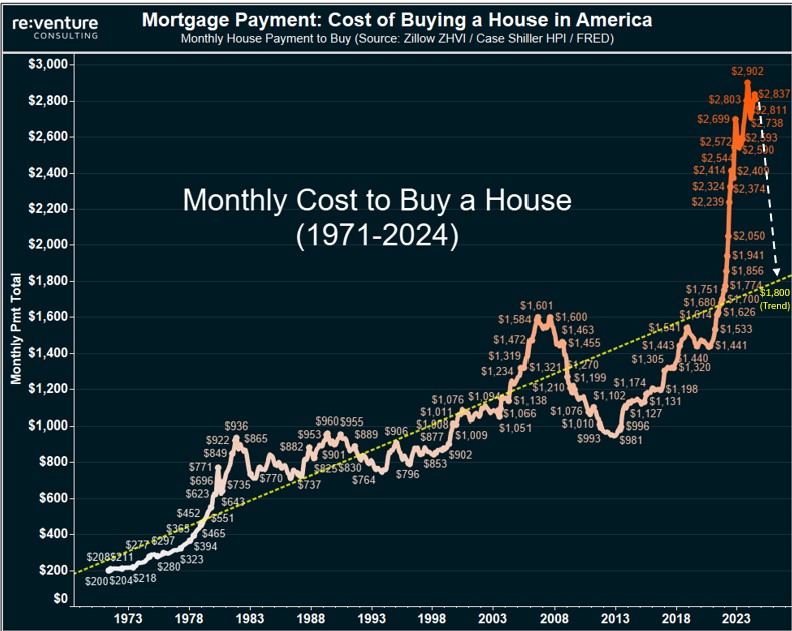
As discussed, persistent inflation is the archenemy of low rates. When the cost of living and goods rises steadily, the purchasing power of money diminishes. Lenders must factor this into their loan pricing. If inflation is high or expected to remain high, lenders will demand a higher nominal interest rate to ensure a positive “real” return (i.e., after accounting for inflation). Central banks often respond to sustained inflation by raising benchmark interest rates, which directly filters through to mortgage rates.
Robust Economic Growth
While a stagnant economy can drive rates down, a robust economy often has the opposite effect. Strong economic growth typically brings with it increased demand for credit, higher employment, and often, inflationary pressures. As businesses expand and consumers feel wealthier, the demand for loans (including mortgages) can increase. This heightened demand, coupled with potentially higher inflation and the Federal Reserve’s response to cool an overheating economy, can lead to steadily rising interest rates across the board.
Central Bank Tightening
When the economy is growing strongly and inflation is a concern, central banks like the Federal Reserve shift from accommodative (easing) policies to tightening (hawkish) policies. This typically involves raising the federal funds rate and potentially unwinding asset purchase programs (quantitative tightening). The intent is to cool down the economy, temper inflation, and ensure sustainable growth. Each hike in the federal funds rate makes borrowing more expensive, pushing up short-term rates and, eventually, long-term rates like those for mortgages.
Geopolitical Events and Market Uncertainty
Global and geopolitical events can introduce significant volatility and uncertainty into financial markets, which can indirectly impact mortgage rates. For instance, a major international crisis might lead to a flight to safety, where investors pour money into U.S. Treasuries, driving their yields down and thus potentially lowering mortgage rates. Conversely, political instability or trade wars could create economic uncertainty, leading investors to demand higher returns for perceived risk, which could push rates up. The exact impact depends on the nature and perceived longevity of the event.
The Theoretical “Floor” for Mortgage Rates
While we’ve seen rates flirt with exceptionally low levels, there’s a practical and theoretical floor below which mortgage rates are unlikely to drop.
Zero Lower Bound and Negative Rates (and why mortgages typically don’t go negative)
In some parts of the world, central banks have implemented negative interest rates, where commercial banks pay the central bank to hold their reserves. While this pushes nominal interest rates very low, it’s highly unlikely that consumer mortgage rates would ever go truly negative in a significant way. For a mortgage to be negative, the lender would effectively be paying the borrower to take money, which defies the fundamental business model of lending.
There are several reasons for this:
- Lender Profitability: Lenders need to cover their operating costs, loan servicing fees, and make a profit. Even at extremely low rates, there are administrative expenses associated with originating and servicing a mortgage.
- Risk Premium: Mortgage loans carry inherent risks, such as default risk, interest rate risk, and prepayment risk. Lenders must be compensated for taking on these risks. This compensation is built into the interest rate.
- Customer Behavior: Negative rates could lead to perverse incentives, like consumers borrowing money they don’t need just to earn interest, or banks being inundated with unprofitable lending requests.
- Deposit Rates: If mortgage rates went negative, deposit rates would almost certainly have to follow, which could destabilize the banking system as depositors withdraw cash.
Therefore, while central bank rates might hover near or slightly below zero, the practical floor for consumer mortgage rates is generally considered to be just above zero, reflecting the costs and risks involved in residential lending.
Lender Profitability and Risk Premium
Even in a perfect economic environment, lenders need to be profitable to operate. Mortgage rates include a spread above the benchmark interest rates to cover their operational costs (staff, technology, regulatory compliance), the cost of capital, and a reasonable profit margin. They also include a risk premium, which compensates the lender for the possibility that a borrower might default on the loan. The higher the perceived risk (e.g., during an economic downturn), the higher this premium will be, making it difficult for rates to drop below a certain threshold.
Servicing Costs and Operational Overheads
Beyond the pure cost of funds, there are substantial costs associated with originating, underwriting, and servicing a mortgage throughout its lifespan. These include processing applications, performing credit checks, property appraisals, legal fees, collecting monthly payments, managing escrow accounts, and handling any delinquencies or foreclosures. These operational overheads are built into the rate structure. Even if the cost of borrowing money for the lender is near zero, these administrative costs mean that the rate offered to the consumer will always need to be sufficiently above zero to cover these essential functions.
Future Outlook and Implications for Homeowners/Buyers
Predicting the precise trajectory of mortgage rates is notoriously difficult, but understanding the influencing factors can help individuals make informed decisions.
Monitoring Economic Indicators
For anyone interested in mortgage rates, keeping an eye on key economic indicators is crucial. This includes inflation reports (Consumer Price Index, Producer Price Index), employment data (jobless claims, non-farm payrolls), GDP growth figures, and especially, statements and decisions from the Federal Reserve. The Fed’s commentary on inflation, economic outlook, and future rate policy can often move markets significantly. Monitoring the yield on the 10-year U.S. Treasury note provides a real-time proxy for the direction of fixed mortgage rates.
Refinancing vs. New Purchases
The implications of rate movements differ for those looking to refinance versus those seeking a new purchase. For existing homeowners, a dip in rates presents an opportunity to lower monthly payments or shorten the loan term through refinancing. For prospective buyers, lower rates increase purchasing power and reduce the overall cost of homeownership, potentially making larger or more desirable homes affordable. Conversely, rising rates can make both options less attractive.
The Long-Term Perspective
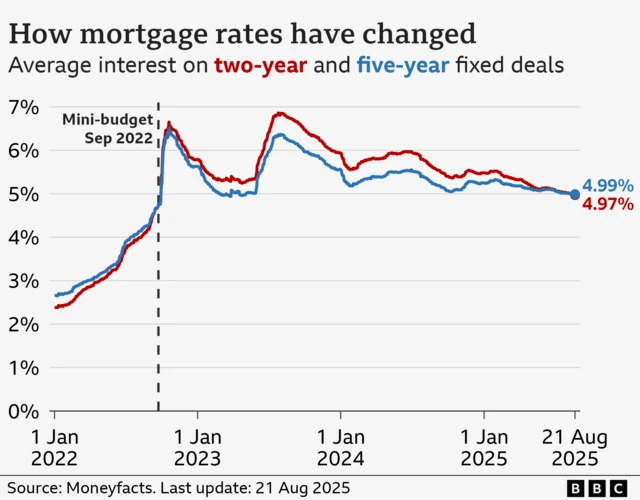
It’s important to remember that mortgage rates operate in cycles driven by long-term economic trends. While we’ve seen extreme lows, rates can also climb significantly when economic conditions warrant it. Individuals should avoid trying to “time the market” perfectly and instead focus on securing a rate that is affordable and aligns with their personal financial goals at the time they need to borrow. Building financial resilience, maintaining a good credit score, and understanding the terms of a mortgage are timeless strategies, regardless of the prevailing interest rate environment.
Conclusion
The question of “how low can mortgage rates go” is answered by a complex interplay of central bank policy, inflation, economic health, and the mechanics of the bond market. While history has shown us unprecedented lows, particularly during periods of crisis and aggressive monetary intervention, there is a practical floor for mortgage rates. This floor is determined by the fundamental need for lenders to cover costs, mitigate risks, and maintain profitability. As we navigate future economic landscapes, vigilance over key financial indicators and a clear understanding of personal financial capacity will remain the best tools for homeowners and buyers alike in making the most of the ever-evolving mortgage rate environment.
aViewFromTheCave is a participant in the Amazon Services LLC Associates Program, an affiliate advertising program designed to provide a means for sites to earn advertising fees by advertising and linking to Amazon.com. Amazon, the Amazon logo, AmazonSupply, and the AmazonSupply logo are trademarks of Amazon.com, Inc. or its affiliates. As an Amazon Associate we earn affiliate commissions from qualifying purchases.