
In the world of business finance, there is a common misconception that the weight of a business plan correlates directly with the weight of the investment it can attract. For decades, entrepreneurs believed that a hundred-page document bound in a professional folder was the gold standard for securing capital. However, as the landscape of venture capital, private equity, and traditional banking has evolved, the philosophy surrounding document length has shifted dramatically. Today, the question is no longer about how much information you can include, but rather how efficiently you can communicate the financial viability and strategic roadmap of your venture.
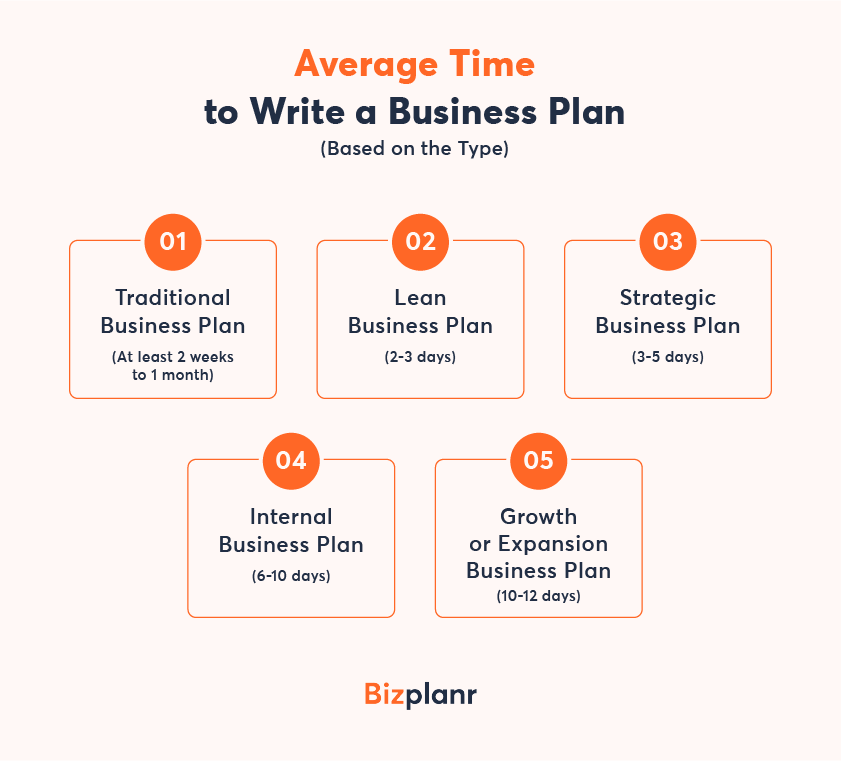
The ideal length for a business plan typically ranges between 15 and 25 pages, but this figure is highly dependent on the purpose of the document, the stage of the business, and the specific requirements of the financial audience. In business finance, clarity is currency. An overly bloated plan can signal a lack of focus or an inability to prioritize key financial drivers, while a plan that is too thin may suggest a lack of rigor or a failure to understand the underlying market risks.
The Purpose-Driven Length: Internal vs. External Documents
The first step in determining the length of your business plan is identifying who will be reading it and what financial action you want them to take. A plan written for an internal management team to guide a side hustle’s growth will look vastly different from a document intended to secure a multi-million dollar Series A funding round.
The Lean Startup Plan (1–5 Pages)
For entrepreneurs in the early stages of a side hustle or a lean startup, a traditional comprehensive plan is often a waste of resources. At this stage, the primary goal is to validate the business model and ensure the unit economics make sense. A lean plan—often referred to as a “business model canvas”—focuses strictly on the core components: the value proposition, revenue streams, cost structure, and key metrics.
In this format, the financial section is high-level. It focuses on the break-even point and the immediate capital required to launch. Because the business environment changes rapidly, a five-page document is easier to pivot and update than a forty-page tome. This length is ideal for internal alignment and for presenting to “friends and family” investors who are more interested in the concept and the founder’s capability than in 5-year discounted cash flow analyses.
The Investment-Ready Plan (15–25 Pages)
When seeking external financing from angel investors or venture capitalists, the document needs more meat on the bones. This is the standard “professional” length. It provides enough space to detail the market opportunity, the competitive landscape, and a robust financial forecast without becoming tedious.
Investors are looking for “the signal in the noise.” They want to see that you have a deep understanding of your customer acquisition cost (CAC), the lifetime value of a customer (LTV), and your burn rate. If these figures are buried in 80 pages of fluff about the “history of the industry,” the investor may lose interest before they reach the data that actually moves the needle.
The Bank or Institutional Loan Plan (30+ Pages)
Traditional financial institutions, such as banks providing SBA loans, often require more exhaustive documentation. Unlike venture capitalists who look for high-growth potential and “moonshot” returns, bankers are focused on risk mitigation and debt service coverage. They want to see detailed lists of collateral, historical financial statements (if applicable), and very conservative, detailed projections. For these audiences, a longer document is often necessary to provide the level of due diligence required by their underwriting departments.
The Core Financial Sections That Dictate Length
The bulk of a business plan’s value—and its length—is often found in the financial section. This is where the narrative of the business is translated into the language of numbers. To maintain a professional length, you must know what to include and what to move to an appendix.
The Executive Summary: The 2-Page Anchor
The executive summary is arguably the most important part of the document. While it is technically part of the plan, it often functions as a standalone piece. It should be no longer than two pages. From a financial perspective, it must highlight the total capital sought, the primary use of funds, and the projected return on investment. If the executive summary is too long, the reader may never make it to the detailed financial projections that follow.
Revenue Models and Projections
This section should provide a three-to-five-year forecast. However, the length should not come from a month-by-month breakdown of every single expense for the next sixty months. Instead, provide high-level annual summaries in the main body of the plan.
The focus here should be on the assumptions behind the numbers. Why do you believe you will capture 2% of the market in year three? What is the financial logic behind your pricing strategy? Explaining the “why” behind the numbers is more valuable to a CFO or an investor than simply providing the numbers themselves.
Cash Flow Analysis
In business finance, cash is king. A business plan must clearly demonstrate the timing of cash inflows and outflows. This is particularly vital for businesses with high inventory costs or long sales cycles. A well-constructed cash flow analysis usually takes up two to three pages, including the narrative and the supporting charts. It must show the “valley of death”—the point where the business has the most significant cash deficit before reaching profitability.
Balancing Detail and Readability
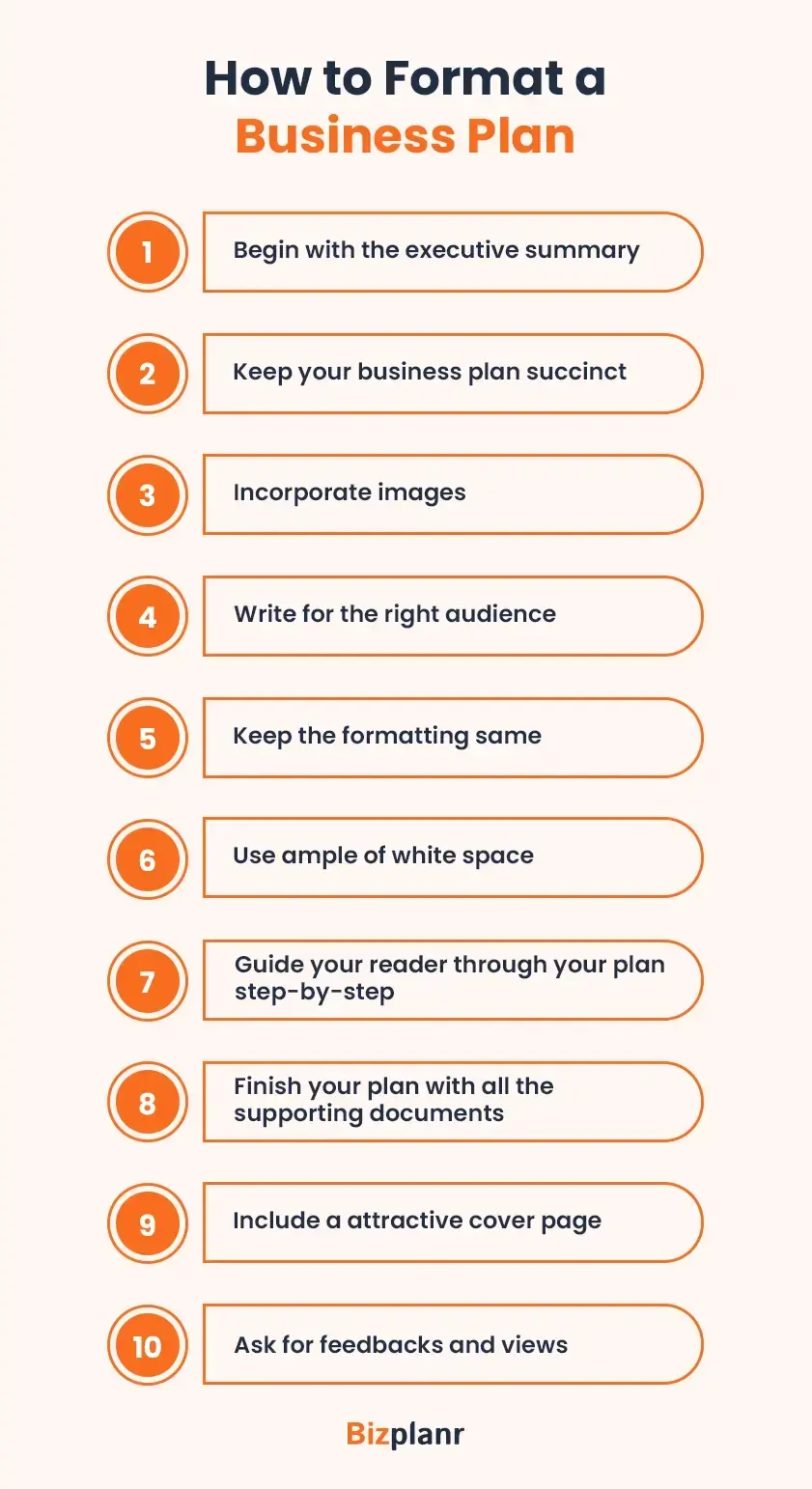
A 20-page business plan that is dense with walls of text is often less effective than a 30-page plan that utilizes white space, charts, and infographics. The goal is to make the financial data digestible.
The Use of Visual Data
Financial trends are often better communicated through visuals than through text. A bar chart showing projected revenue growth over five years is more impactful than a paragraph describing those same numbers. When you use visuals, you can actually reduce the word count of your plan while increasing its clarity. This allows you to stay within the 15–25 page range while still conveying complex financial relationships.
The Role of the Appendix
If you find that your business plan is creeping toward 40 or 50 pages, it is time to utilize the appendix. The main body of the plan should contain the “greatest hits” of your financial data—the summaries that drive the narrative. The granular data—such as full tax returns, detailed resumes of the management team, letters of intent from customers, and month-by-month spreadsheets—should be moved to the appendix.
By moving these technical details to the back, you allow the reader to move through the strategic vision uninterrupted, while still providing the “proof” they need to conduct deep-dive due diligence later in the process.
Why “Short and Focused” Wins in Modern Finance
The shift toward shorter business plans is not just a trend; it is a response to the way modern finance operates. In an era of high-frequency information, the ability to synthesize complex data into a concise strategy is a highly valued leadership trait.
Demonstrating Strategic Focus
A concise business plan demonstrates that the leadership team knows what is important. In business finance, “more” is often an attempt to hide the fact that the “core” isn’t strong enough. When an entrepreneur presents a focused 20-page plan, they are effectively saying, “These are the three levers that will drive our financial success, and here is how we will pull them.”
Respecting the Investor’s Time
Professional investors see hundreds, if not thousands, of plans per year. A document that is unnecessarily long is often viewed as a lack of professional courtesy or a lack of understanding of industry norms. A streamlined plan shows that you respect the reader’s time and that you are confident enough in your financial model that you don’t need to bury it under a mountain of paper.
Adaptability and the Financial Roadmap
A business plan should be a living document. In the realm of online income and fast-moving startups, the financial reality of January might be completely different by June. A shorter, more modular plan is easier to update as you hit (or miss) your financial milestones. It serves as a roadmap rather than a static historical record.
Final Considerations for the Length of Your Plan
Ultimately, the length of your business plan should be “as long as it needs to be to tell the story, and not a page longer.” If you can convincingly demonstrate the path to profitability and the ROI for your investors in 12 pages, do not add 8 more just to hit a quota. Conversely, if you are in a highly regulated industry like fintech or medical manufacturing, you may need 35 pages to cover the necessary compliance and capital expenditure details.
Focus on the following checklist to ensure your length is appropriate:
-
Does the Executive Summary cover the “Big Three” (The Ask, The Market, The Exit)?
-
Are the financial projections realistic and based on clearly stated assumptions?
-
Is the competitive analysis focused on financial positioning rather than just product features?
-
Have you moved secondary data to the appendix?
By adhering to these principles of business finance, you will produce a document that is not only the right length but also a powerful tool for securing the capital and the partnerships necessary to scale your venture. In the modern financial landscape, brevity paired with deep insight is the ultimate competitive advantage.
aViewFromTheCave is a participant in the Amazon Services LLC Associates Program, an affiliate advertising program designed to provide a means for sites to earn advertising fees by advertising and linking to Amazon.com. Amazon, the Amazon logo, AmazonSupply, and the AmazonSupply logo are trademarks of Amazon.com, Inc. or its affiliates. As an Amazon Associate we earn affiliate commissions from qualifying purchases.