
The question “how long is a soccer season?” might seem straightforward, eliciting answers like “nine months” or “from August to May.” However, from a financial and business perspective, the duration of a soccer season is far more than a mere scheduling detail. It is a fundamental determinant of revenue streams, operational costs, strategic investment, and overall economic viability for clubs, leagues, broadcasters, sponsors, and countless ancillary businesses. In the multi-billion-dollar global football industry, the length and structure of a season dictate the rhythm of its financial heartbeat, influencing everything from player contracts and broadcasting deals to merchandising cycles and stadium hospitality. Understanding these dimensions is crucial for any stakeholder looking to grasp the intricate economic landscape of the world’s most popular sport.
The Core Mechanics of a Soccer Season: A Business Perspective
At its heart, a soccer season is a structured business cycle designed to maximize competitive play while generating revenue. Its duration is not arbitrary; it’s a carefully calibrated period that balances athletic performance with commercial imperatives, directly impacting financial flows and operational strategies.
Defining the Standard Season Length
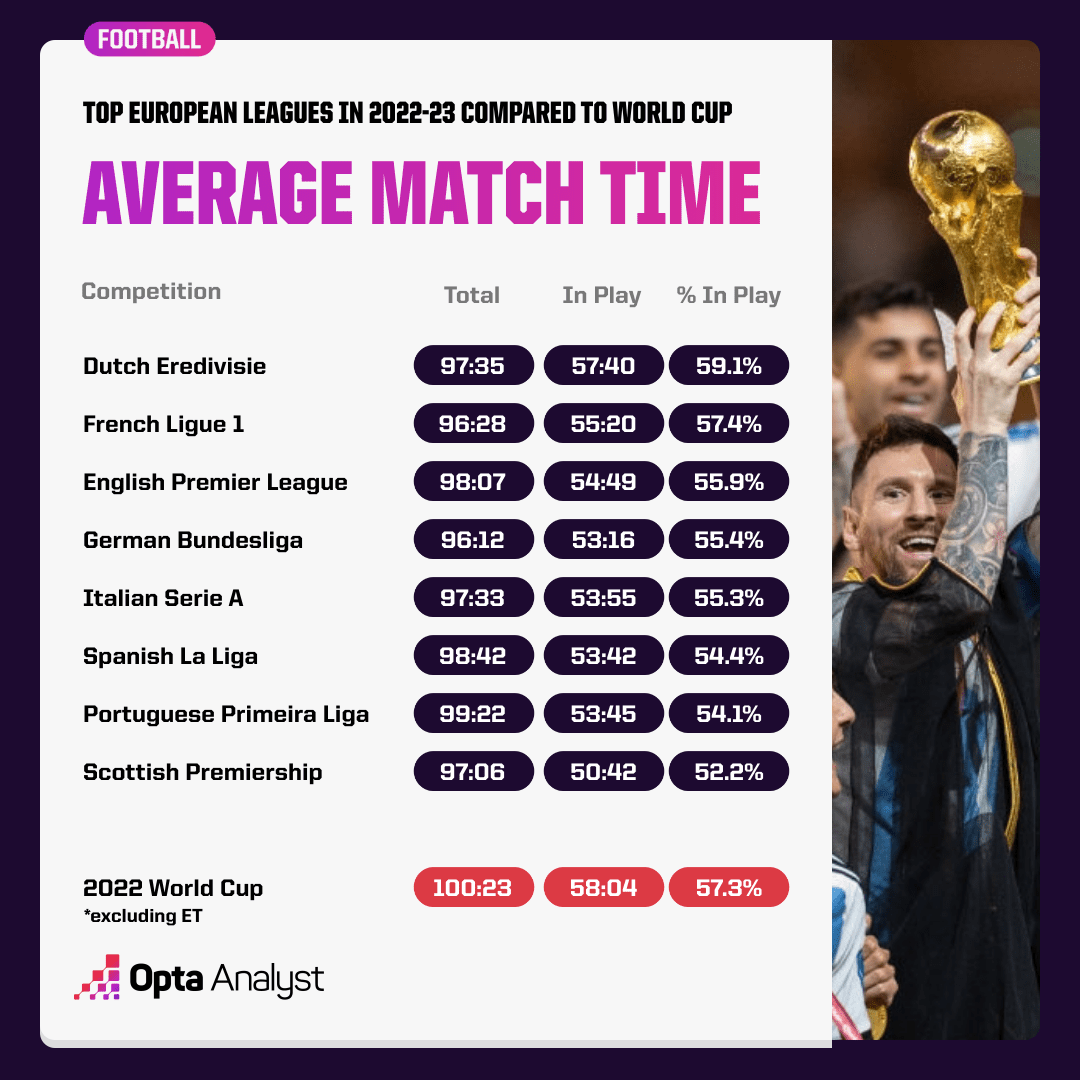
For most major professional soccer leagues globally, particularly in Europe’s top tiers like the Premier League, La Liga, Serie A, and Bundesliga, a standard season typically spans approximately eight to ten months. This usually commences in August or September and concludes in May or June of the following year. This extended period encompasses domestic league fixtures, often complemented by national cup competitions and continental tournaments (like the UEFA Champions League or Europa League). From a financial standpoint, this establishes a predictable revenue window for ticket sales, broadcasting, and sponsorship activations. For leagues like Major League Soccer (MLS) in North America, the season structure can differ, running from early spring (March) to late autumn (October/November), including playoffs, to align with local climatic conditions and competing sports calendars, which in turn influences its unique financial model compared to European counterparts.
League Structures and Their Economic Footprint
The specific structure of a league significantly shapes its economic footprint. A traditional single-table league format, where teams play each other twice (home and away), provides a consistent schedule and a fixed number of matchdays, allowing for stable budgeting of matchday revenue (tickets, concessions, hospitality). The addition of domestic cup competitions, while adding potential additional fixtures and revenue opportunities (especially for teams progressing deep into tournaments), also introduces variables in scheduling and costs. Continental competitions add another layer of complexity and potential financial reward, as successful participation can dramatically increase broadcasting revenue, prize money, and global brand exposure. Each added competitive fixture, whether league or cup, represents an additional opportunity for revenue generation but also incurs increased operational costs, including player wages, travel, accommodation, and stadium operating expenses. The balance between these elements is a constant financial tightrope walk for clubs and league organizers.
The Off-Season: Not a Downtime, But a Different Revenue Cycle
Contrary to popular belief, the “off-season” is far from a period of financial dormancy. While competitive matches cease, a different but equally critical set of financial activities takes center stage. This period typically involves the summer transfer window, where clubs invest heavily in acquiring new talent and divest in others, representing significant capital flows that can dramatically alter a club’s balance sheet and future prospects. Pre-season tours, often conducted in lucrative international markets, serve as vital revenue generators through exhibition matches, sponsorship activations, and merchandise sales, while simultaneously building global brand presence. Furthermore, the off-season is crucial for intensive sponsorship negotiations, facility maintenance and upgrades, and strategic planning for the upcoming season, all of which entail substantial financial outlays and commitments. For club finance departments, the off-season is a period of intense planning, negotiation, and investment, laying the groundwork for the next cycle of revenue generation.
Revenue Generation Across the Seasonal Calendar
The length and intensity of a soccer season are direct contributors to the various revenue streams that fuel the sport’s economy. Each phase of the season offers distinct opportunities for income generation.
Broadcasting Rights and Media Deals: The Cornerstone of Income
For most top-tier professional soccer leagues, broadcasting rights represent the single largest source of revenue. The duration of the season, the number of matches played, and the quality of the competition directly determine the value of these lucrative media deals. A longer, more captivating season offers more content for broadcasters to license, leading to higher bidding wars among media companies vying for exclusive rights. These multi-year, multi-billion-dollar agreements provide clubs with a stable, predictable income stream, which is often distributed based on league position and broadcast exposure. The global appetite for live soccer ensures that these rights are sold to international markets, further amplifying revenue and making the “season” a global financial product. The more consistent, high-quality content a season provides, the greater its value to broadcasters and, consequently, to the clubs and leagues.
Matchday Revenue and Fan Engagement Economics
Matchday revenue, encompassing ticket sales, hospitality packages, concessions, and stadium merchandise, remains a vital income source, particularly for clubs with strong local fan bases. The length of the season directly dictates the number of home games a club hosts, thereby multiplying these opportunities. Each matchday is a mini-economy, generating immediate cash flow. Premium seating, corporate boxes, and enhanced hospitality services offer higher-margin revenue streams that are meticulously planned across the entire season. Furthermore, merchandise sales, both in-stadium and online, are significantly boosted during the active season as fan enthusiasm and engagement are at their peak, driving purchases of kits, scarves, and other club-branded items. The anticipation and excitement of an ongoing season are critical catalysts for these forms of fan-centric economic activity.
Sponsorships and Commercial Partnerships: Year-Round Value
Sponsorships and commercial partnerships are long-term financial commitments that transcend individual matchdays, often spanning multiple seasons. However, the value of these deals is intrinsically tied to the duration and visibility of the active playing season. Major sponsors, from kit manufacturers and main shirt sponsors to stadium naming rights partners, invest based on the sustained exposure their brands receive throughout the competitive calendar. A prominent, well-followed league season provides a continuous platform for brand visibility, engagement with a massive global audience, and association with the positive attributes of the sport. Digital sponsorships and social media activations also peak during the season, leveraging the constant buzz and match-related content. The longer and more globally visible a season, the higher the perceived value for sponsors, translating into more lucrative commercial agreements for clubs and leagues.
Player Transfers and Asset Management
The transfer windows, typically occurring before the start of a season (summer window) and mid-season (winter window), are periods of intense financial activity. These windows represent significant capital flows as clubs buy and sell player registrations, which are treated as assets on their balance sheets. The duration of the season dictates the strategic timing of these investments, as clubs aim to strengthen their squads for immediate performance or sell players to generate revenue and manage wage bills. A player’s valuation is heavily influenced by their performance during the season, their contract length, and market demand, making the active season a critical period for both demonstrating and assessing asset value. Effective management of player transfers is crucial for a club’s financial health, impacting both short-term cash flow and long-term asset development.
Managing Costs and Financial Risks Throughout the Season
While revenue generation is paramount, the protracted nature of a soccer season also necessitates meticulous management of significant operational costs and inherent financial risks.
Player Wages and Operational Overheads: The Major Expenditures
Player wages constitute the single largest operating expense for most professional soccer clubs. These salaries are typically paid year-round, but the costs are directly attributable to maintaining a competitive squad throughout the lengthy season. The financial commitment to players includes not only base salaries but also performance bonuses tied to appearances, goals, and team success during the season. Beyond player wages, clubs face substantial operational overheads for the entire duration of the season: extensive travel and accommodation for away games, stadium operating costs (maintenance, security, utilities for numerous home fixtures), staff salaries (coaching, medical, administrative, commercial teams), and youth academy investments. These costs are continuous and escalate with a longer, more demanding season, requiring robust financial planning and liquidity management.
Injury Management and Squad Depth: Hidden Financial Burdens
The physical toll of a long, intense season, particularly for teams competing on multiple fronts (domestic league, national cups, continental competitions), leads to a high incidence of player injuries. Managing these injuries incurs significant financial burdens, including medical treatments, rehabilitation costs, and the need to maintain larger, more expensive squads to provide adequate cover for injured players. An injured star player not only impacts team performance but also represents a non-performing asset still drawing a substantial wage. Clubs invest heavily in sports science, medical staff, and cutting-edge recovery facilities to minimize injury risks and accelerate recovery times, all contributing to the season’s overall operational costs. The demand for squad depth also drives up transfer market activity and wage bills.
Financial Fair Play (FFP) and Regulatory Compliance
The prolonged financial activity of a soccer season is subject to scrutiny by regulatory bodies, most notably UEFA’s Financial Fair Play (FFP) regulations and similar domestic licensing rules. These regulations aim to prevent clubs from spending more than they earn over a set period, promoting long-term financial sustainability. Clubs must carefully manage their revenue and expenditure over the full seasonal cycle, including transfer activity, wage bills, and operational costs, to ensure compliance. Breaching FFP can lead to severe penalties, including fines, transfer bans, and exclusion from competitions, posing significant financial and reputational risks. The duration of the season essentially defines the reporting period for these financial health checks, making prudent financial management throughout the entire cycle absolutely critical.
Global and Future Trends Impacting Season Length and Finance
The duration and financial impact of a soccer season are not static but are continually influenced by global trends, technological advancements, and unforeseen events.
International Competitions and FIFA/UEFA Calendars
The global soccer calendar is increasingly congested, with major international tournaments (FIFA World Cup, UEFA European Championship, Copa América, Africa Cup of Nations) and continental club competitions (Champions League, Europa League, Copa Libertadores) overlapping with domestic league seasons. This creates both financial opportunities and significant challenges. While these tournaments generate immense revenue for federations and broadcasters, they also disrupt domestic seasons, lead to player fatigue and injuries, and necessitate complex scheduling adjustments. The financial implications for clubs involve lost player availability, potential devaluation of assets through injuries, and the need to adjust commercial strategies around these global events. Future adjustments to the international match calendar will have profound financial ramifications for all stakeholders.
Expansion Leagues and Emerging Markets
New and expanding soccer leagues in regions like North America (MLS), Asia, and the Middle East are continually experimenting with season lengths and structures to optimize for local market conditions, fan engagement, and financial viability. These leagues often tailor their seasons to avoid extreme weather, compete effectively with other sports, or align with international broadcasting windows. Their financial models are often designed with a focus on sustainable growth, leveraging local investor interest, strategic partnerships, and innovative revenue streams. The success or failure of these models, heavily dependent on season design, provides valuable lessons for the broader global football economy.
The Impact of Technology and Data Analytics on Financial Planning
Modern technology and data analytics are increasingly influencing how clubs and leagues manage the financial aspects related to season length. Advanced data science informs decisions on player load management, helping to reduce injury risks and associated costs. Predictive analytics are used to optimize ticket pricing, merchandise inventory, and sponsorship activation throughout the season. Digital platforms and social media extend the fan engagement window beyond match days, creating year-round revenue opportunities through subscription services, exclusive content, and e-commerce. These technological advancements provide more sophisticated tools for financial planning, risk mitigation, and revenue maximization across the entire seasonal calendar.

Climate Change and Global Events: Unforeseen Financial Disruptors
Recent history has demonstrated how unforeseen global events, such as the COVID-19 pandemic, can force drastic alterations to season lengths and structures, leading to colossal financial losses for the industry. Matches played behind closed doors, rescheduled fixtures, and truncated seasons directly impacted matchday revenue, broadcasting commitments, and sponsorship deals. Looking ahead, climate change presents another potential disruptor, with extreme weather events potentially necessitating schedule changes or even impacting the viability of playing in certain conditions, posing ongoing financial risks. The ability of the industry to adapt its financial models and operational strategies to such external pressures will be crucial for its long-term stability.
In conclusion, the answer to “how long is a soccer season?” is deeply intertwined with the financial health and operational strategy of the global football industry. From the predictable revenue cycles dictated by broadcasting deals and matchday sales to the substantial costs of player wages and injury management, every aspect of a season’s duration carries profound economic implications. For club owners, investors, broadcasters, sponsors, and even fans, understanding this intricate relationship is paramount, as it underpins strategic decision-making, risk assessment, and the pursuit of sustained economic success in the world’s most beloved sport. The season is not just a series of games; it is the fundamental business cycle driving a colossal global enterprise.
aViewFromTheCave is a participant in the Amazon Services LLC Associates Program, an affiliate advertising program designed to provide a means for sites to earn advertising fees by advertising and linking to Amazon.com. Amazon, the Amazon logo, AmazonSupply, and the AmazonSupply logo are trademarks of Amazon.com, Inc. or its affiliates. As an Amazon Associate we earn affiliate commissions from qualifying purchases.