
Understanding the longevity of a business like Spirit Airlines offers crucial insights into its financial resilience, strategic evolution, and ability to navigate dynamic market forces. Tracing its operational history reveals not just a timeline, but a story of capital allocation, revenue generation, cost management, and market adaptation within the highly competitive aviation industry. Spirit Airlines has been in business for over three decades, evolving significantly from its origins to become a prominent ultra-low-cost carrier (ULCC) in North America.
The Financial Genesis of an Ultra-Low-Cost Pioneer
The journey of Spirit Airlines began in 1964, not as the commercial airline recognized today, but as Clipper Trucking Company. This initial iteration had no direct relation to passenger aviation. The true precursor to Spirit Airlines emerged much later, in 1983, when it was founded as Charter One. This charter tour operator based in Macomb County, Michigan, initially focused on package vacation travel to popular destinations like Atlantic City, Las Vegas, and the Bahamas. This marks the foundational start of the aviation business that would eventually become Spirit.

Early Operations and Initial Capitalization
Charter One’s initial capitalization and business model were tailored for the charter market, which differs significantly from scheduled commercial air travel. It operated with a focus on maximizing seat occupancy for pre-arranged travel groups, often involving tour operators and casinos. This model allowed for more predictable revenue streams per flight, as blocks of seats were sold in advance, reducing the financial risk associated with individual ticket sales. The capital required for its early fleet acquisition, typically older, smaller aircraft, was managed to align with its limited route network and operational scope, reflecting a cautious approach to financial expansion in its nascent stages. Its early financial structure likely involved private investment and potentially asset-backed financing for aircraft.
The Transition to Scheduled Service and Rebranding
A pivotal financial and strategic shift occurred in 1990 when Charter One made its foray into scheduled airline service, commencing flights from Boston and Providence, Rhode Island, to Atlantic City. This move represented a significant increase in operational complexity and financial commitment. Scheduled service demanded more robust ticketing systems, marketing efforts to individual consumers, and adherence to a stricter flight schedule regardless of immediate demand.
The most significant transformation, however, came in 1992 when Charter One rebranded itself as Spirit Airlines. This rebranding was not merely cosmetic; it signaled a strategic pivot towards establishing a distinct market identity and expanding its footprint as a scheduled carrier. Financially, this transition would have required substantial investment in marketing, brand development, and potentially further fleet upgrades or expansion to support a broader scheduled network. The early 1990s saw Spirit rapidly expand its route network, adding destinations in Florida and Los Angeles, which necessitated greater capital outlay for aircraft leases or purchases, maintenance, and personnel, all contributing to a growing financial commitment and risk profile.
Navigating Decades of Market Dynamics and Financial Pressures
The longevity of Spirit Airlines is a testament to its ability to adapt its financial and operational strategies through various economic climates and competitive landscapes. From its rebranding in 1992, the airline has continuously refined its ultra-low-cost carrier (ULCC) model, proving its financial viability over extended periods.
Weathering Economic Cycles
Over its operational history spanning more than 30 years as Spirit Airlines, the company has endured multiple economic downturns, including the dot-com bust of the early 2000s, the aftermath of 9/11, the Great Recession of 2008, and the unprecedented challenges of the COVID-19 pandemic. Each period presented unique financial pressures, from reduced passenger demand and increased security costs to volatile fuel prices and travel restrictions. Spirit’s ability to weather these storms is largely attributed to its rigorous focus on cost control and flexible operational strategies. During lean times, the ULCC model allows for rapid adjustments to capacity, route cancellations, and deferred capital expenditures, mitigating the financial impact compared to full-service carriers with higher fixed costs and more rigid structures.
The Ultra-Low-Cost Model: A Financial Strategy
Spirit Airlines fully embraced and aggressively implemented the ultra-low-cost carrier (ULCC) model in the early 2000s, a strategic decision with profound financial implications. This model is fundamentally designed to offer the lowest possible base fares by unbundling services and charging for virtually every amenity beyond the seat itself—including checked bags, carry-on bags, seat assignments, and even water. This strategy shifts a significant portion of revenue generation from the base fare to ancillary services.
Financially, this model aims for:
- High Load Factors: Lower base fares stimulate demand, helping to fill aircraft and maximize revenue per flight.
- Low Operating Costs: Achieved through standardized fleets (primarily Airbus A320 family), efficient turnaround times, high aircraft utilization, and a lean operational structure.
- Diversified Revenue Streams: Ancillary fees, which often boast higher profit margins than base fares, provide a robust and growing component of total revenue. For Spirit, ancillary revenue often accounts for a substantial portion of total operating revenue, making its financial performance less susceptible to fluctuations in base fare pricing power. This diversification acts as a financial hedge.

Expansion and Fleet Modernization
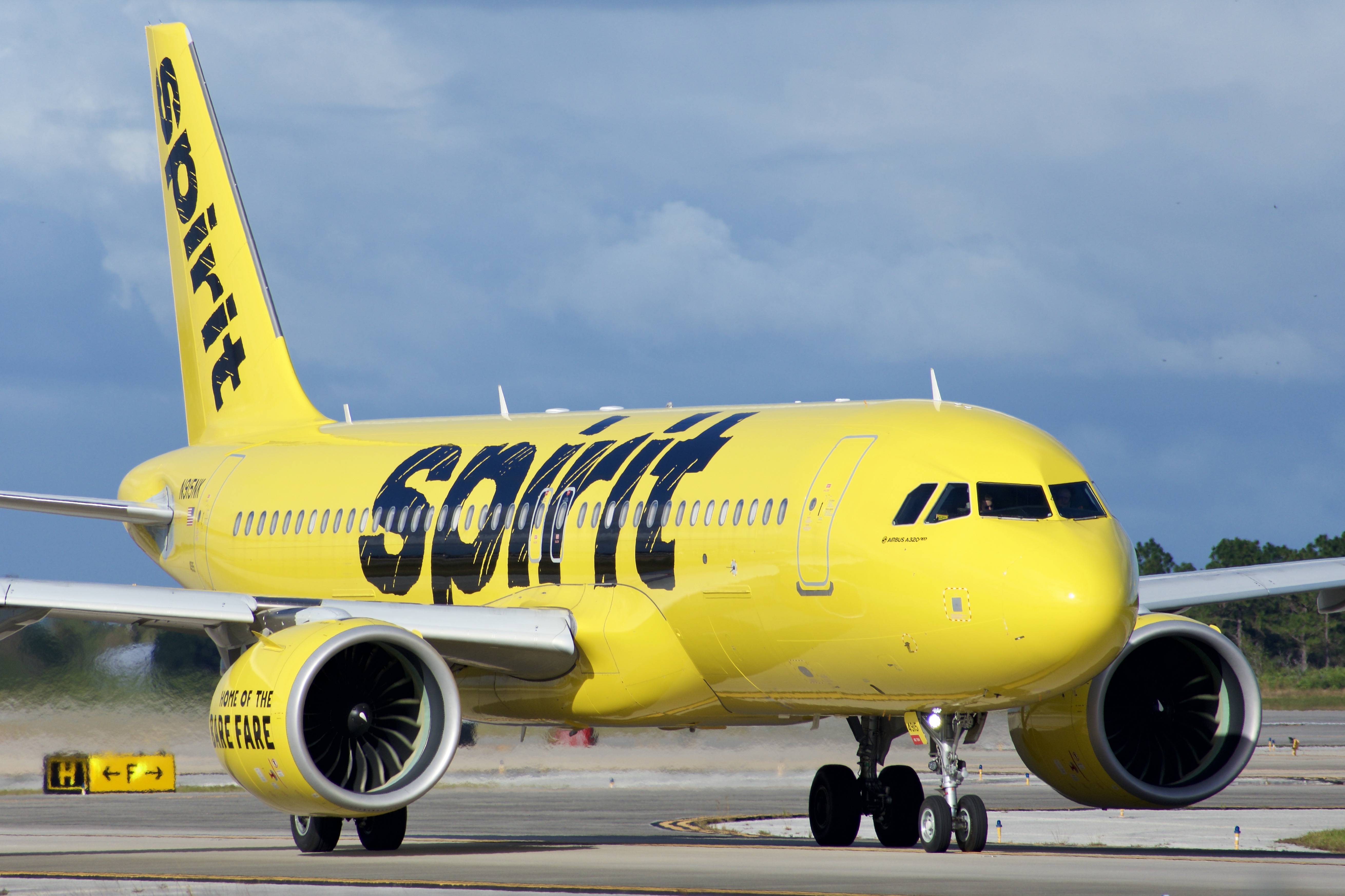
Throughout its history, Spirit has demonstrated a disciplined approach to fleet expansion and modernization, crucial for maintaining its low-cost structure. New, more fuel-efficient aircraft like the Airbus A320neo family represent significant capital expenditures, but they also promise long-term operational savings through reduced fuel burn and lower maintenance costs. The financing for these acquisitions typically involves a mix of direct purchases, sale-and-leasebacks, and operating leases, carefully managed to optimize the airline’s balance sheet and cash flow. The airline’s growth strategy has always been intertwined with financial viability, ensuring that route expansion and increased capacity are supported by a profitable underlying model.
Financial Growth and Market Position in the 21st Century
The turn of the millennium marked a period of significant growth and financial maturity for Spirit Airlines, culminating in its entry into the public markets and a solidified position as a major player in North American aviation.
Public Offering and Investor Confidence
A critical milestone in Spirit’s financial history was its Initial Public Offering (IPO) in 2011. Going public allowed the airline to raise substantial capital, reduce debt, and provide liquidity to early investors. The IPO demonstrated investor confidence in the ULCC model and Spirit’s ability to generate sustained profitability. Since its listing on the NASDAQ under the ticker symbol “SAVE,” Spirit has been subject to public financial scrutiny, with quarterly earnings reports, investor calls, and regular financial disclosures providing transparency into its performance. Its stock performance has often been a barometer of investor sentiment towards the ULCC model and the broader airline industry, influenced by factors such as fuel prices, economic growth, and competitive dynamics. The capital raised from the IPO and subsequent equity offerings has fueled further fleet expansion, technological investments, and strategic route development, all contributing to its long-term financial growth.
Revenue Streams Beyond the Fare
Spirit Airlines has become a master of ancillary revenue generation, a financial strategy that has been central to its profitability and growth. Unlike traditional carriers that include many services in the base fare, Spirit meticulously itemizes and charges for everything from seat selection and priority boarding to checked and carry-on luggage. This approach ensures that passengers pay only for the services they choose, allowing the airline to offer incredibly low base fares to attract a wide customer base. Financially, ancillary revenues often carry higher profit margins compared to base ticket sales, significantly boosting Spirit’s overall profitability and cash flow. This model has allowed Spirit to maintain financial health even during periods of intense competition or economic pressure on base fares. This financial innovation has even influenced other airlines to adopt similar unbundling strategies to some extent.
The Competitive Landscape and Consolidation
Operating for over three decades, Spirit has navigated an industry characterized by intense competition and significant consolidation. The airline has competed against both legacy carriers and other low-cost airlines, often leading to fare wars that test the financial resilience of all players. Spirit’s ULCC model provides a competitive advantage during these times, allowing it to maintain profitability at price points that full-service carriers find unsustainable. The industry has also seen numerous mergers and acquisitions, reshaping the market. While Spirit itself has been the subject of acquisition attempts (notably by Frontier Airlines and JetBlue Airways in 2022-2023), its independent journey underscores the financial strength and strategic clarity of its standalone business model. The prolonged uncertainty around these potential mergers, however, did impact investor perception and its stock valuation, highlighting how broader industry dynamics directly influence individual company financials.
The Financial Outlook: Stability, Challenges, and Future Trajectory
After more than 30 years as Spirit Airlines, the company’s financial trajectory continues to be a subject of intense scrutiny, reflecting both its proven model and the volatile nature of the aviation industry. Its ability to manage debt, maintain profitability, and generate robust cash flow will dictate its future stability.
Debt, Profitability, and Cash Flow Management
Like most airlines, Spirit Airlines operates with a significant amount of debt, primarily related to aircraft financing. Effective debt management, including refinancing and strategic repayment, is crucial for its financial health. The airline’s profitability fluctuates with fuel prices, economic conditions, and competitive intensity, yet its ULCC model has historically allowed it to achieve strong operating margins. Cash flow generation, particularly from operations, is vital for funding ongoing expenses, debt servicing, and future investments. Monitoring key financial ratios such as debt-to-equity, operating margin, and free cash flow provides a clear picture of Spirit’s financial stability and its capacity for sustained operations and growth in the coming years.
Future Investments and Strategic Partnerships
Looking ahead, Spirit Airlines continues to invest in its fleet, technology, and operational infrastructure to enhance efficiency and customer experience—all with financial returns in mind. Future investments will likely focus on further modernizing its fleet with more fuel-efficient aircraft, enhancing digital platforms for booking and ancillary sales, and potentially exploring new markets that fit its low-cost model. Strategic partnerships, whether with other airlines for network expansion or with technology providers for operational improvements, will be evaluated based on their potential to drive financial growth and operational synergies. The company’s financial discipline and commitment to its ULCC ethos will be paramount as it seeks to extend its financial success into its fourth decade and beyond.
aViewFromTheCave is a participant in the Amazon Services LLC Associates Program, an affiliate advertising program designed to provide a means for sites to earn advertising fees by advertising and linking to Amazon.com. Amazon, the Amazon logo, AmazonSupply, and the AmazonSupply logo are trademarks of Amazon.com, Inc. or its affiliates. As an Amazon Associate we earn affiliate commissions from qualifying purchases.