
Lululemon Athletica Inc. has firmly established itself as a titan in the global athleisure market, becoming synonymous with premium yoga wear, athletic apparel, and a lifestyle centered around well-being. But for a brand that feels so deeply ingrained in contemporary culture, a common question arises: exactly how long has Lululemon been around? The answer dates back to 1998, when Chip Wilson opened the first Lululemon store in Kitsilano, Vancouver, Canada. This initial venture, which began as a design studio by day and a yoga studio by night, laid the groundwork for what would become a multinational phenomenon. Lululemon’s journey spans over two decades, a period marked by innovative product development, shrewd marketing, and the cultivation of an intensely loyal community. Its history isn’t just a chronological timeline; it’s a compelling case study in brand building, strategic evolution, and the art of transforming a niche product into a global lifestyle empire.
The Genesis of an Athleisure Empire: 1998 and Beyond
The story of Lululemon begins not in a corporate boardroom, but in a humble space with a specific vision: to create comfortable, high-quality athletic apparel for women. This initial focus, while seemingly narrow, proved to be the fertile ground from which a robust brand identity would sprout. Understanding its origins is key to appreciating the enduring strength of the Lululemon brand.
The Founding Vision: From Yoga Studio to Retail Innovator
Chip Wilson, the entrepreneurial founder, identified a significant gap in the market in the late 1990s. While surfing and skateboarding apparel had seen innovation, athletic wear for women, particularly for yoga, was largely functional but aesthetically uninspiring and often uncomfortable. Recognizing the growing popularity of yoga and the desire among women for technical, form-flattering, and durable athletic clothing, Wilson opened Lululemon. The first store in Vancouver served a dual purpose: a design studio where prototypes were created and refined, and a yoga studio that doubled as a testing ground, allowing for immediate feedback from the target demographic. This direct engagement with consumers from day one instilled a deep understanding of their needs and desires, forming the bedrock of Lululemon’s product development philosophy. The brand’s premium positioning was intentional from the outset, signaling a commitment to superior quality and an aspirational lifestyle.
Cultivating Community and Lifestyle
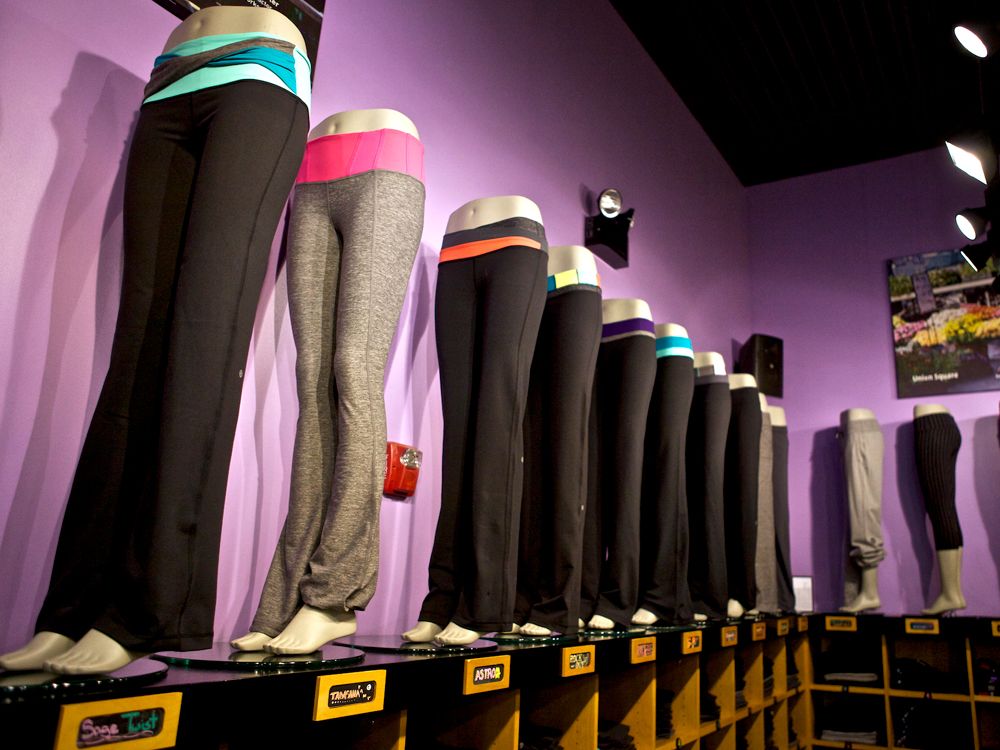
From its earliest days, Lululemon understood that it was selling more than just clothing; it was selling a lifestyle and a sense of belonging. The brand cultivated a strong community around its stores, offering complimentary yoga classes and hosting community boards that connected local fitness enthusiasts. These efforts fostered a genuine sense of camaraderie among customers, transforming retail spaces into hubs for wellness and social interaction. This strategy was revolutionary, moving beyond traditional transaction-based retail to create an experiential environment where customers felt valued and understood. The Lululemon brand identity thus became inextricably linked with well-being, health, and personal growth. Ambassadors – local yoga instructors and fitness professionals – were enlisted not just to promote products, but to embody the brand’s values, further strengthening its community ties and authentic appeal. This early investment in community building laid the foundation for Lululemon’s sustained brand loyalty, proving that a brand built on shared values can transcend mere commercialism.
Navigating Growth and Brand Evolution: From Niche to Global Powerhouse
As Lululemon gained traction, its brand strategy pivoted from a purely niche focus to a broader expansion, all while maintaining its core tenets of quality and community. This phase saw the brand mature, expand its footprint, and navigate the complexities of scaling a premium brand globally.
Expanding Product Lines and Market Reach
The early 2000s marked a period of significant expansion for Lululemon. What started with women’s yoga apparel quickly diversified to include activewear for men, running gear, swimwear, and a range of accessories. This strategic broadening of its product portfolio allowed Lululemon to capture a wider demographic and solidify its position within the burgeoning “athleisure” category – a term it arguably helped define. Geographic expansion also accelerated, with new stores opening across Canada, the United States, and eventually, internationally. Each new market was approached with a careful consideration of local nuances, yet the core brand message of quality, community, and an active lifestyle remained consistent. This controlled, yet ambitious, growth strategy was crucial in transitioning Lululemon from a beloved regional brand to a recognizable global entity. The expansion also involved a subtle but significant shift from purely “yoga wear” to broader “athletic apparel,” encompassing a wider range of activities and appealing to a more diverse customer base.
Branding Through Innovation and Premium Positioning
A cornerstone of Lululemon’s brand appeal has always been its relentless focus on product innovation. The brand invested heavily in proprietary fabrics, such as its signature Luon and later Nulu, known for their buttery soft feel, stretch, and moisture-wicking properties. These fabric innovations weren’t just about technical performance; they became a key part of the brand narrative, justifying the premium price point and fostering a perception of superior quality and exclusivity. The design aesthetic also played a critical role: sleek, minimalist, and functional, Lululemon apparel was designed to transition seamlessly from a workout to everyday life, further cementing the athleisure concept. This emphasis on performance, comfort, and style, combined with high-quality materials, allowed Lululemon to maintain its premium brand positioning even as competitors emerged. The perception of Lululemon as an aspirational brand, one that offers superior products and embodies a certain lifestyle, was meticulously crafted through this combination of innovation and marketing.
Overcoming Challenges and Reinforcing Brand Values
No brand’s journey is without its trials, and Lululemon faced its share of public relations challenges. Incidents such as issues with sheer yoga pants in 2013 and controversial remarks by founder Chip Wilson led to significant public scrutiny and damaged the brand’s image. These crises tested Lululemon’s resilience and forced a critical re-evaluation of its brand communication and values. In response, the company focused on transparent communication, product improvements, and a renewed emphasis on inclusivity and diversity. Leadership changes brought fresh perspectives, and the brand embarked on initiatives to demonstrate a stronger commitment to ethical practices, body positivity, and broader representation in its marketing. By actively addressing these challenges and learning from them, Lululemon not only navigated through difficult periods but also emerged with a stronger, more refined brand identity that was better aligned with contemporary societal values, demonstrating its adaptability and commitment to continuous improvement.
The Modern Lululemon Brand: Diversification and Digital Dominance
In recent years, Lululemon has continued to evolve, demonstrating a keen understanding of shifting consumer behaviors and technological advancements. Its brand strategy has expanded beyond apparel to embrace a more holistic approach to wellness and community.
Beyond Apparel: Mirror, Experiential Retail, and Ecosystem Expansion
Recognizing that modern wellness encompasses more than just clothing, Lululemon made a significant move in 2020 by acquiring Mirror, a connected fitness company. This strategic acquisition signaled the brand’s ambition to create a comprehensive wellness ecosystem, integrating digital fitness experiences with its physical products. Beyond digital, Lululemon has also innovated its physical retail spaces. Experiential stores, often larger than traditional outlets, incorporate community areas, cafes, and specialized services like meditation classes and workout studios, transforming them into true wellness hubs. The “Lululemon Lab” concept, focused on hyper-local design and limited-edition collections, further showcases the brand’s commitment to innovation and tailored experiences. By expanding its offerings beyond apparel into connected fitness and immersive retail, Lululemon is cementing its brand as a leader in the broader wellness industry, not just in athleisure wear.
Digital Engagement and Community Building in the 21st Century
Lululemon has masterfully leveraged digital platforms to enhance its brand presence and engage with its community. Its robust e-commerce platform provides a seamless shopping experience, complemented by a strong presence across social media channels. The brand uses platforms like Instagram and TikTok for aspirational content, influencer marketing, and direct customer interaction, effectively turning followers into brand advocates. Virtual community events, online fitness challenges, and digital workshops have replaced or augmented in-store gatherings, allowing Lululemon to connect with its global audience in innovative ways. This digital-first approach ensures that the brand remains relevant and accessible to younger, digitally native consumers, while still fostering the sense of community that has been a hallmark of its brand identity since the beginning. By bridging the gap between physical and digital, Lululemon is building a resilient, interconnected brand experience.
Strategic Partnerships and Sustainability Commitments
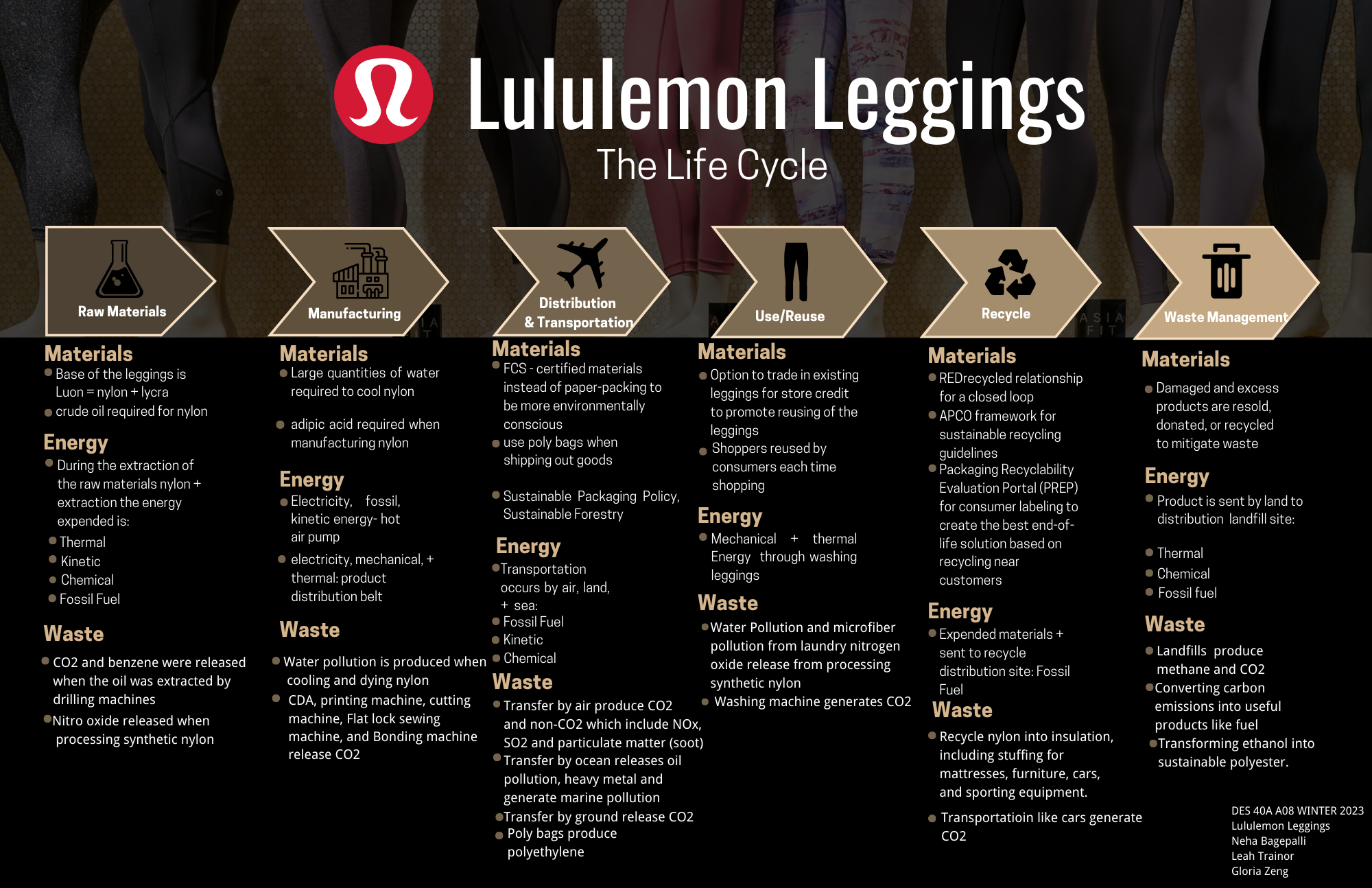
Modern branding increasingly demands a commitment to social and environmental responsibility, and Lululemon has responded by integrating sustainability and ethical practices into its core brand strategy. The company has set ambitious goals for circularity, aiming to make 100% of its products with sustainable materials and end-of-life solutions. Initiatives focused on ethical sourcing, reducing environmental impact, and promoting diversity, equity, and inclusion (DEI) within its workforce and marketing are actively communicated. Strategic partnerships with organizations and ambassadors who align with these values further strengthen Lululemon’s brand image as a responsible and forward-thinking company. These commitments are not just about compliance; they are integral to building a modern brand that resonates with conscientious consumers and positions Lululemon as a leader not just in products, but in purpose.
The Lululemon Effect: A Legacy of Brand Influence
Lululemon’s journey over the past two decades has had a profound impact, not only on its own market segment but also on the broader retail and branding landscape. Its success offers valuable lessons in building a powerful brand from the ground up.
Defining the Athleisure Category
Perhaps Lululemon’s most significant brand legacy is its role in pioneering and popularizing the athleisure category. Before Lululemon, athletic wear was largely confined to gyms and sports fields. The brand’s focus on stylish, comfortable, and versatile apparel that could be worn for workouts and everyday activities blurred the lines between activewear and casual fashion. This created an entirely new segment of the market, which countless other brands have since sought to emulate. Lululemon didn’t just sell products; it sold a cultural shift, convincing consumers that performance apparel could also be fashion-forward and integral to a balanced lifestyle. Its influence reshaped consumer expectations and forced traditional fashion and sportswear brands to adapt, showcasing the immense power of a brand to define an entire industry trend.
The Power of Brand Community and Advocacy
From its inception, Lululemon understood the power of community, and this remains a core pillar of its brand success. Its loyal customer base, often referred to as a “cult following,” is a testament to the effectiveness of its community-building efforts. Through in-store experiences, ambassador programs, and digital engagement, Lululemon has fostered a strong sense of belonging among its consumers. This brand advocacy translates into powerful word-of-mouth marketing, with customers not just purchasing products but actively promoting the Lululemon lifestyle. The “Lululemon uniform” phenomenon – where specific items become ubiquitous – is a direct result of this intense brand loyalty and the aspirational appeal that drives customers to identify with the brand. This dedication to nurturing its community has created a virtuous cycle of engagement, loyalty, and organic growth, proving that a strong brand relationship is often more valuable than traditional advertising.
Lessons in Premium Branding and Experiential Retail
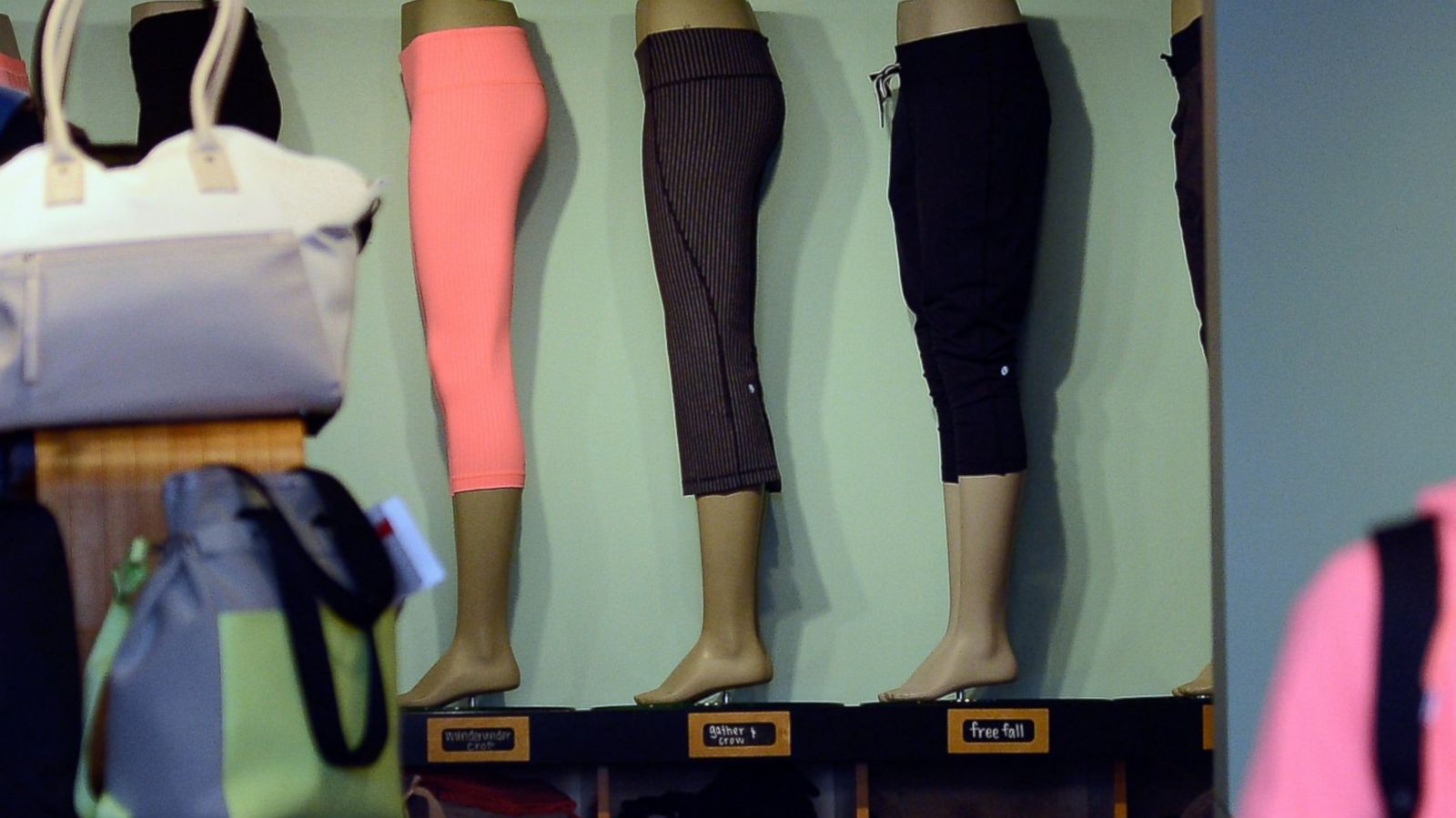
Lululemon’s enduring presence offers crucial insights for any brand aspiring to premium positioning and customer engagement. Its success demonstrates that a clear product vision, uncompromising quality, and continuous innovation are essential for justifying higher price points. Furthermore, the brand has consistently proven the value of experiential retail, transforming physical stores from mere points of sale into vibrant community hubs where customers can connect with the brand’s values and each other. The integration of “people” – from knowledgeable staff to community ambassadors – as central to the brand experience has humanized Lululemon, making it feel more approachable and authentic despite its premium status. By combining exceptional product, engaging retail environments, dedicated people, and a clear brand purpose, Lululemon provides a masterclass in building a brand that transcends commodities to offer a truly enriching lifestyle experience.
In conclusion, Lululemon has been around for over 25 years, evolving from a single yoga studio in Vancouver in 1998 into a global athleisure and wellness powerhouse. Its journey is a testament to the power of a well-crafted brand strategy, one that prioritizes product innovation, community building, and adaptability. From pioneering the athleisure category to embracing digital transformation and sustainability, Lululemon continues to redefine what it means to be a modern lifestyle brand. Its enduring legacy is a compelling narrative of how a clear vision, combined with strategic growth and a deep understanding of its customer base, can build a brand that not only withstands the test of time but also shapes an entire industry.
aViewFromTheCave is a participant in the Amazon Services LLC Associates Program, an affiliate advertising program designed to provide a means for sites to earn advertising fees by advertising and linking to Amazon.com. Amazon, the Amazon logo, AmazonSupply, and the AmazonSupply logo are trademarks of Amazon.com, Inc. or its affiliates. As an Amazon Associate we earn affiliate commissions from qualifying purchases.