
Spirit Halloween, the ubiquitous pop-up retailer that seemingly materializes overnight in vacant storefronts across North America, is as synonymous with the spooky season as pumpkin spice and changing leaves. The question of “how long does Spirit Halloween stay open?” isn’t just a query about their operating hours; it’s an inquiry into a brilliant, unconventional, and highly successful brand strategy rooted in seasonality and transience.
Spirit Halloween typically begins its annual operation in late August or early September, gradually opening stores as Halloween approaches. Its doors then remain open until November 1st, or sometimes a few days after for clearance sales, before the entire operation vanishes as quickly as it appeared, leaving behind a trail of spooky memories and empty retail spaces. This temporary existence, far from being a limitation, is the very essence of its brand genius. It creates a powerful blend of urgency, anticipation, and spectacle that drives customer engagement and defines its unique market position. Understanding this fleeting presence offers profound insights into brand strategy, marketing, and the psychology of consumer behavior.
The Ephemeral Empire: Spirit Halloween’s Unique Business Model
Spirit Halloween’s business model is a masterclass in exploiting market dynamics and consumer psychology through temporary retail. Their strategic decision to operate for a limited window each year isn’t a logistical necessity but a deliberate brand choice that underpins their entire operation.
The Pop-Up Phenomenon: From Empty Stores to Halloween Havens
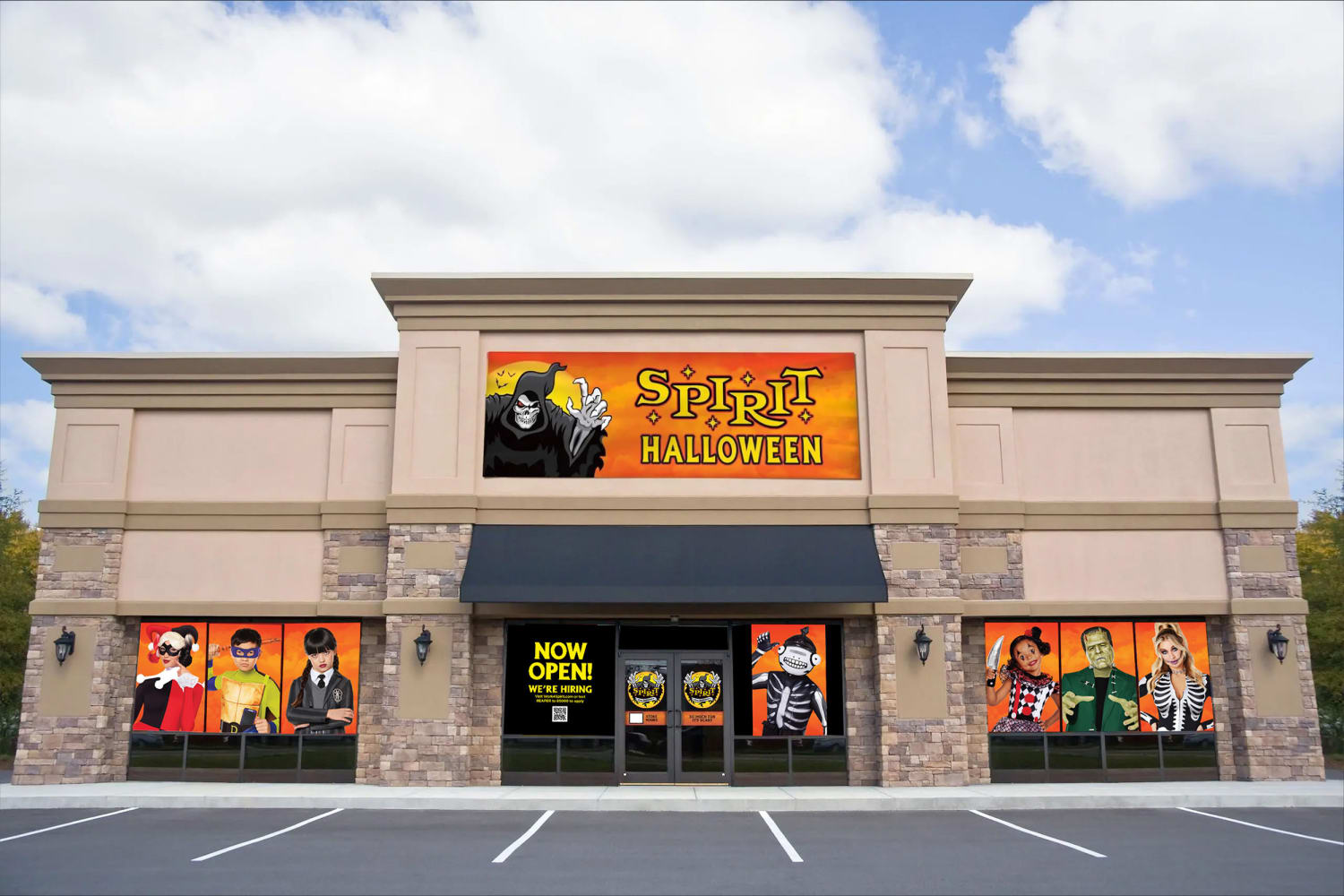
The most visible aspect of Spirit Halloween’s strategy is its reliance on the pop-up model. Unlike traditional retailers seeking long-term leases, Spirit Halloween actively targets short-term leases in vacant big-box stores, defunct grocery chains, or other large retail spaces. This approach is mutually beneficial: landlords get temporary income from otherwise dormant properties, and Spirit Halloween gains access to prime retail locations without the burden of year-round overhead.
This transformation of abandoned spaces into vibrant, albeit temporary, Halloween destinations creates a sense of surprise and wonder. Consumers track the arrival of these stores, knowing their appearance signals the true start of the Halloween season. The sheer scale of these temporary transformations—from dusty, forgotten interiors to fully themed, costume-filled emporiums—is part of the brand’s allure, making the shopping experience itself a highly anticipated event. This model inherently creates a “destination shopping” environment, where customers are often willing to travel further or make a special trip to experience the temporary magic.
Strategic Timing: Maximizing Impact in a Short Window
The timing of Spirit Halloween’s operation is meticulously planned to align with the peak consumer interest for Halloween. Opening in late summer allows them to capture early planners, impulse buyers, and those organizing group costumes. The run-up to Halloween is their peak season, where every day counts. By concentrating their sales efforts into approximately two months, they create an incredibly focused and high-intensity selling environment.
This compressed timeframe means every marketing dollar, every inventory decision, and every customer interaction must be optimized for maximum impact. It forces the brand to be exceptionally agile and efficient, leveraging the limited window to its fullest potential. They don’t just sell costumes; they sell the experience of Halloween, knowing that consumers are highly receptive during this specific cultural moment. The brand becomes synonymous with the season itself, making its appearance a cultural marker.
Leveraging Scarcity and Urgency
The limited operational window is perhaps the most powerful psychological tool in Spirit Halloween’s arsenal. It intrinsically creates a sense of scarcity and urgency. Consumers know that if they don’t buy that specific costume, decoration, or accessory now, it might not be there tomorrow, or the store itself will be gone. This “fear of missing out” (FOMO) is a potent motivator, driving quicker purchase decisions and encouraging impulse buys.
Unlike year-round retailers that might offer endless opportunities to purchase, Spirit Halloween’s temporary nature mandates immediate action. This urgency is not artificially manufactured; it’s a fundamental aspect of their business model. For the consumer, it transforms shopping into an event that must be seized, elevating the perceived value of the goods and the experience. This strategic use of scarcity deepens customer engagement and ensures high foot traffic and conversion rates during their operational period.
Crafting Brand Identity Through Transience
Spirit Halloween’s brand identity is intrinsically linked to its temporary nature. Its fleeting presence isn’t a drawback but a cornerstone that shapes how consumers perceive, anticipate, and interact with the brand.
The Anticipation Engine: Building Hype Year-Round
The brand effectively uses its absence to its advantage. For ten months of the year, Spirit Halloween is virtually invisible, yet anticipation for its return begins almost immediately after its departure. Social media lights up with discussions and memes about “When will Spirit Halloween open?” or humorous observations about vacant stores being potential sites. This organic, community-driven buzz is invaluable.
Spirit Halloween doesn’t just sell products; it sells an annual tradition. The mystery surrounding its locations, the speculation about new merchandise, and the sheer excitement of its arrival combine to create a sustained, low-level hum of anticipation that culminates in a flurry of activity when signs start to appear. This annual cycle transforms the brand from a mere retailer into a cultural phenomenon, a bellwether for the Halloween season itself. The brand effectively leverages nostalgia and the human inclination for tradition, embedding itself into the cultural fabric of autumn.
“Here Today, Gone Tomorrow”: A Core Brand Message
The transient nature of Spirit Halloween is more than just a logistical detail; it’s a core component of its brand message. It communicates excitement, exclusivity, and the fleeting joy of the Halloween season. This “here today, gone tomorrow” ethos reinforces the specialness of the brand and its offerings. It’s not a generic department store; it’s the Halloween store, an entity that exists solely to celebrate this one holiday.
This message is subtly conveyed through their marketing, their store setup, and even their product range, which is hyper-focused on all things spooky. The temporary existence aligns perfectly with the ephemeral magic of Halloween itself – a night of costumes, candy, and frights that passes quickly, leaving behind memories. Spirit Halloween captures and encapsulates this fleeting magic, making itself an indispensable part of the annual ritual.
Cultivating Nostalgia and Tradition
For many, Spirit Halloween isn’t just a store; it’s a part of their annual Halloween tradition. Visiting the store becomes an event, often done with family or friends, building anticipation for the holiday. This cultivates a strong sense of nostalgia, especially for repeat customers who associate the brand with cherished memories of past Halloweens. The consistent annual return, despite its temporary nature, reinforces this feeling of tradition.
The brand taps into the powerful emotional connection people have with holidays. By appearing predictably each year, it solidifies its place in the seasonal calendar, becoming a reliable marker for the approaching celebration. This deep emotional resonance fosters brand loyalty that transcends typical retail relationships, making Spirit Halloween an eagerly awaited part of many people’s autumn experience.

Marketing the Moment: Driving Seasonal Engagement
Spirit Halloween’s marketing strategy is as unique and seasonal as its business model, designed to maximize engagement within its limited window of operation and sustain interest throughout its absence.
Pre-Season Buzz and Digital Footprint
Long before the first store opens its doors, Spirit Halloween begins to generate buzz. This typically starts with online teasers, social media campaigns, and sneak peeks of new products. Memes about their imminent arrival (“The Spirit Halloween store moved into that abandoned K-Mart!”) are organically shared, showcasing the brand’s strong cultural footprint. Their digital presence, including their website and social media channels, becomes crucial for feeding this anticipation, even when physical stores are non-existent.
The brand often uses countdowns, themed content, and interactive posts to engage its audience, turning the wait into part of the fun. This pre-season engagement is vital for directing future foot traffic and online sales, ensuring that when the stores do open, there’s already a built-in audience eager to explore. This strategy demonstrates how a highly seasonal brand can maintain relevance and generate excitement year-round through smart digital marketing.
In-Store Experience: The Theatrical Transformation
Once open, the physical store itself becomes a major marketing tool. Spirit Halloween transforms often drab, empty retail spaces into highly immersive, theatrical environments. Dark lighting, spooky soundscapes, animatronics, and densely packed aisles of costumes and decorations create a sensory-rich experience that goes beyond mere shopping. It’s an entertainment destination.
This immersive experience encourages exploration and extended visits, increasing the likelihood of purchases. The stores are designed to evoke the spirit of Halloween, making customers feel like they are stepping into a haunted house or a festive costume party. This focus on experiential retail is crucial for a brand that only operates for a short period; it makes every visit memorable and reinforces the brand’s identity as the ultimate Halloween destination. The staff often contribute to this atmosphere, embodying the festive spirit of the season.
Post-Season Reflections and Future Planning
Even after the stores close, Spirit Halloween continues its marketing cycle. This might involve post-Halloween sales online, content featuring customer costume ideas, or even early teasers for the next year. The brand uses the post-season period to analyze sales data, gather customer feedback, and begin planning for the following year’s themes, inventory, and location scouting.
This continuous cycle, despite the physical absence, ensures brand continuity and strengthens its position as the authority on Halloween. It’s a testament to a brand that understands its seasonal nature is its strength, not a weakness, and leverages every phase of the year to reinforce its unique market standing.
Operational Genius: Behind the Seasonal Curtain
The brand strategy of Spirit Halloween is inextricably linked to its operational prowess. Managing a national chain of temporary stores requires immense logistical precision and strategic planning.
Agile Supply Chain and Inventory Management
Spirit Halloween’s ability to stock hundreds of temporary stores with a vast array of unique and trending Halloween merchandise in a matter of weeks is an incredible logistical feat. This requires an exceptionally agile and responsive supply chain, often working with numerous manufacturers globally to procure items ranging from costumes and wigs to elaborate animatronics and makeup kits.
Inventory management is also critical. They must accurately forecast demand for thousands of SKUs within a very tight selling window, minimizing overstock (which can be costly to store and liquidate) and understock (which leads to missed sales). The “here today, gone tomorrow” model creates a natural pressure to sell through inventory, often leading to rapid clearance sales in the final days, which adds another layer of urgency for consumers. Their systems must be robust enough to handle the rapid setup, stock, and then breakdown of stores.
Real Estate Acumen: Spotting Opportunity in Vacancy
Spirit Halloween’s real estate team is arguably one of the most vital components of its operational success. They have a honed ability to identify and secure suitable vacant retail spaces nationwide, often negotiating short-term leases at favorable rates. This requires extensive market knowledge, relationships with commercial landlords, and quick decision-making.
The selection of these locations is strategic, aiming for high visibility, ample parking, and easy accessibility, often in former big-box stores that offer the vast square footage needed for their extensive product lines and themed displays. Their process for rapidly converting these empty shells into fully functional retail environments is a testament to standardized processes and efficient project management. This strategic occupation of dormant retail space also carries a symbolic weight, turning commercial blight into seasonal delight, which resonates with local communities.
Employee Engagement for a High-Turnover Model
Recruiting, hiring, and training thousands of seasonal employees across hundreds of locations in a very short timeframe is a monumental human resources challenge. Spirit Halloween must cultivate a compelling brand culture that attracts temporary staff, many of whom are looking for short-term work or are simply passionate about Halloween.
They likely employ efficient onboarding processes and training modules that quickly get employees up to speed on products, point-of-sale systems, and customer service. Given the high-energy, high-volume nature of their operations, fostering employee engagement and enthusiasm is crucial for maintaining a positive in-store experience. The brand leverages the excitement of the Halloween season to create a unique, albeit brief, work environment that appeals to a specific demographic.

Conclusion
The question “how long does Spirit Halloween stay open?” belies the depth of strategic brilliance behind its answer. Its brief operational window, typically from late August/early September until November 1st, is not a limitation but the very foundation of its profound brand success. By embracing transience, Spirit Halloween has cultivated an unparalleled sense of urgency, anticipation, and tradition that resonates deeply with consumers.
It’s a masterclass in leveraging a pop-up model, seasonal timing, and the psychology of scarcity to create a powerful brand identity. From its agile supply chain and real estate savvy to its effective pre-season buzz and immersive in-store experience, every facet of Spirit Halloween’s operation is meticulously designed to maximize impact within its short lifespan. The brand doesn’t just sell Halloween; it is Halloween, offering invaluable lessons for any business looking to carve out a distinct niche and cultivate lasting consumer engagement through innovative brand strategy. Its annual reappearance isn’t just about commerce; it’s a cherished ritual, solidifying its place as an iconic and enduring fixture of the autumn season.
aViewFromTheCave is a participant in the Amazon Services LLC Associates Program, an affiliate advertising program designed to provide a means for sites to earn advertising fees by advertising and linking to Amazon.com. Amazon, the Amazon logo, AmazonSupply, and the AmazonSupply logo are trademarks of Amazon.com, Inc. or its affiliates. As an Amazon Associate we earn affiliate commissions from qualifying purchases.