
The allure of a remote start system is undeniable: stepping into a pre-warmed car on a frigid winter morning or a cool cabin after a scorching summer day. It’s a modern convenience that elevates the daily driving experience from a mundane chore to a small luxury. But before enjoying this comfort, there’s the question of installation. For many, the decision hinges not just on cost but also on the time commitment involved. Is it a quick in-and-out job, or does it demand a significant chunk of your day (or weekend)?
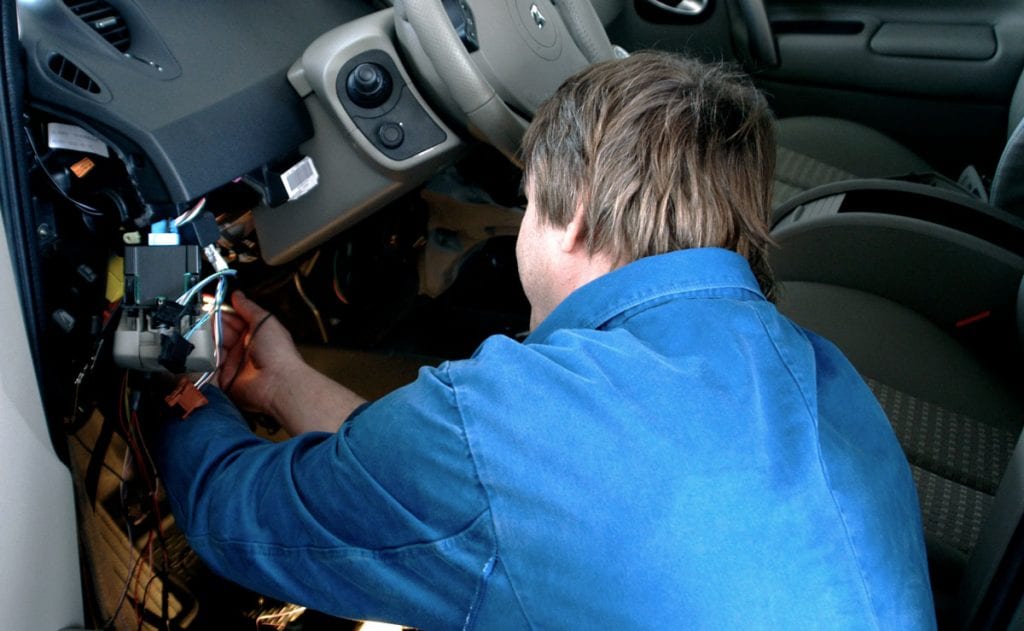
The answer, like many things in the world of automotive technology, is nuanced. There’s no single, universal timeframe, as the process is influenced by a myriad of factors ranging from the complexity of the system itself to the specific make and model of your vehicle, and crucially, whether you opt for a DIY approach or professional installation. Understanding these variables is key to setting realistic expectations and planning accordingly, whether you’re a tech enthusiast, a budget-conscious consumer, or simply seeking an efficient upgrade. This article delves deep into the timelines, factors, and considerations surrounding remote start installation, offering insights for every type of car owner looking to integrate this smart upgrade.
Decoding Remote Start Installation Time: The Core Variables
At its heart, remote start installation involves integrating an aftermarket electronic system with your vehicle’s existing electrical and ignition systems. This isn’t just about plugging in a device; it often requires intricate wiring, module programming, and bypassing certain security features like immobilizers. The “how long” question, therefore, largely depends on the specific circumstances of this integration.
The “Typical” Installation Window: What to Expect
When speaking generally, professional installation of a basic remote start system typically falls within a window of 1 to 4 hours. This timeframe is a rough average, assuming a straightforward installation on a commonly serviced vehicle by an experienced technician. More complex systems or challenging vehicle models can push this closer to the upper end, or even slightly beyond. For the intrepid DIY enthusiast, the timeline is vastly different, ranging from 4 to 8 hours for someone with prior automotive electrical experience, potentially stretching to 8-20+ hours or even multiple days for a novice tackling the project for the first time. The difference highlights the value of specialized knowledge and tools.
Key Factors That Influence Installation Duration
Several critical factors conspire to dictate how long a remote start installation will actually take. Understanding these can help you anticipate the process more accurately and make informed choices.
-
Complexity of the System: Remote start systems aren’t one-size-fits-all. Basic one-way systems, which simply start the engine from a limited distance, are generally quicker to install. However, many modern systems integrate a plethora of advanced features, significantly increasing installation time. These include:
- Two-way communication: The remote provides feedback (e.g., engine running, doors locked).
- Smartphone control: Requires integration with telematics modules and app setup, often involving cloud services and potentially GPS tracking features, aligning with current Tech Trends.
- Keyless entry and alarm system integration: Combining multiple functions into one system means more wiring connections and programming steps.
- Proximity unlock, push-button start integration, heated seat/steering wheel activation: These advanced features require more intricate wiring diagrams, additional modules, and sometimes, custom programming to communicate seamlessly with the vehicle’s onboard computers. The deeper integration into a car’s sophisticated electronics adds layers of complexity that demand more time and specialized diagnostic tools.
-
Vehicle Make, Model, and Year: This is arguably the most significant variable.
- Older vs. Newer Vehicles: Older vehicles (pre-2000s) often have simpler electrical systems, which can sometimes make wiring more straightforward, but may also lack readily available integration points. Newer vehicles, especially those from the last decade, rely heavily on CAN-bus (Controller Area Network) systems and advanced modules. Installing a remote start on these requires precise digital integration, often using data interfaces or bypass modules that translate signals between the remote start unit and the car’s computer. This digital handshake, while cleaner, requires specific programming and understanding of the vehicle’s particular network architecture.
- Luxury and European Vehicles: Brands like BMW, Mercedes-Benz, Audi, and some high-end domestic models often feature highly complex and proprietary electrical systems. Their advanced immobilizer systems and integrated modules can make remote start installation significantly more challenging, sometimes requiring specialized bypass modules or even manufacturer-specific wiring diagrams. This often translates to higher labor costs and longer installation times, even for seasoned professionals.
- Accessibility: Some vehicles are simply designed in a way that makes accessing wiring harnesses and crucial components more difficult, requiring more time for disassembly and reassembly of interior panels.
-
Installer Experience and Expertise: This factor cannot be overstated. A highly experienced and certified technician will complete an installation much faster and more reliably than a novice. Their efficiency stems from:
- Familiarity with various vehicle models: They’ve likely worked on similar cars before and know common wiring points and potential pitfalls.
- Knowledge of best practices: They understand proper wiring techniques, soldering, and wire management to ensure long-term reliability and safety.
- Specialized tools: From multi-meters to soldering irons and diagnostic scanners, professionals have the right equipment to perform the job efficiently and accurately.
- Troubleshooting skills: If an issue arises, an experienced installer can quickly diagnose and resolve it, minimizing delays. This contributes not only to speed but also to the overall Brand reputation of the installer.
-
Tools and Equipment Availability: For DIYers, having the right tools is paramount. Lacking a specific wire stripper, multimeter, or soldering iron can lead to significant delays and frustration. Professional shops are fully equipped, ensuring every step can be executed without interruption. This efficiency in tooling directly translates to faster completion times.
DIY vs. Professional Installation: A Time and Skill Conundrum
The choice between installing a remote start yourself or entrusting it to professionals is often a battle between budget and convenience, but also crucially, between time and skill. Both routes have distinct advantages and disadvantages that heavily impact the overall timeline and outcome.
The DIY Route: A Test of Patience and Skill (and Time)
For those who enjoy tinkering with their vehicles and possess a decent level of electrical and mechanical aptitude, the DIY route can seem appealing. The primary draw is the potential cost saving on labor fees, which can be substantial. Furthermore, it offers a deep dive into your vehicle’s electronics, providing a valuable learning experience.
However, the time investment for DIY is significantly higher, especially for novices.
- Time-Consuming Research: Before even touching a wire, you’ll spend hours researching wiring diagrams, watching tutorials, and understanding the specific requirements for your vehicle and remote start system. This initial phase alone can take several hours or even days.
- Actual Installation: The physical installation involves dismantling dashboard panels, locating specific wires (ignition, constant power, ground, brake, door trigger, tachometer, etc.), making secure connections (soldering is recommended for durability, crimping with proper connectors is an alternative), and carefully routing wires to prevent shorts or interference. Each step requires precision and patience. What a professional might do in minutes, a DIYer might spend an hour on, double-checking every connection.
- Potential for Errors: Mistakes in wiring can lead to a host of problems, from non-functional remote start to draining your car battery, triggering check engine lights, or even damaging sensitive electronic components. Diagnosing and correcting these errors adds immense time and frustration.
- Specialized Tools and Bypass Modules: You might need to purchase specific tools you don’t already own, like a good multimeter, wire strippers, soldering iron, and various plastic trim removal tools. Additionally, many modern cars require a “bypass module” to temporarily disable the factory immobilizer system, allowing the car to start without the key present. These modules often need to be programmed, sometimes requiring specific software or services.
- Warranty Concerns: Improper DIY installation can void portions of your vehicle’s warranty, particularly related to the electrical system. Many remote start manufacturers also void their product warranty if it’s not professionally installed.
For an experienced hobbyist, a DIY remote start installation might take 4-8 hours. For someone new to automotive electronics, this could easily stretch to 8-20+ hours over multiple days, requiring significant patience and problem-solving skills. The time saved in labor costs might be spent many times over in personal effort and potential troubleshooting.
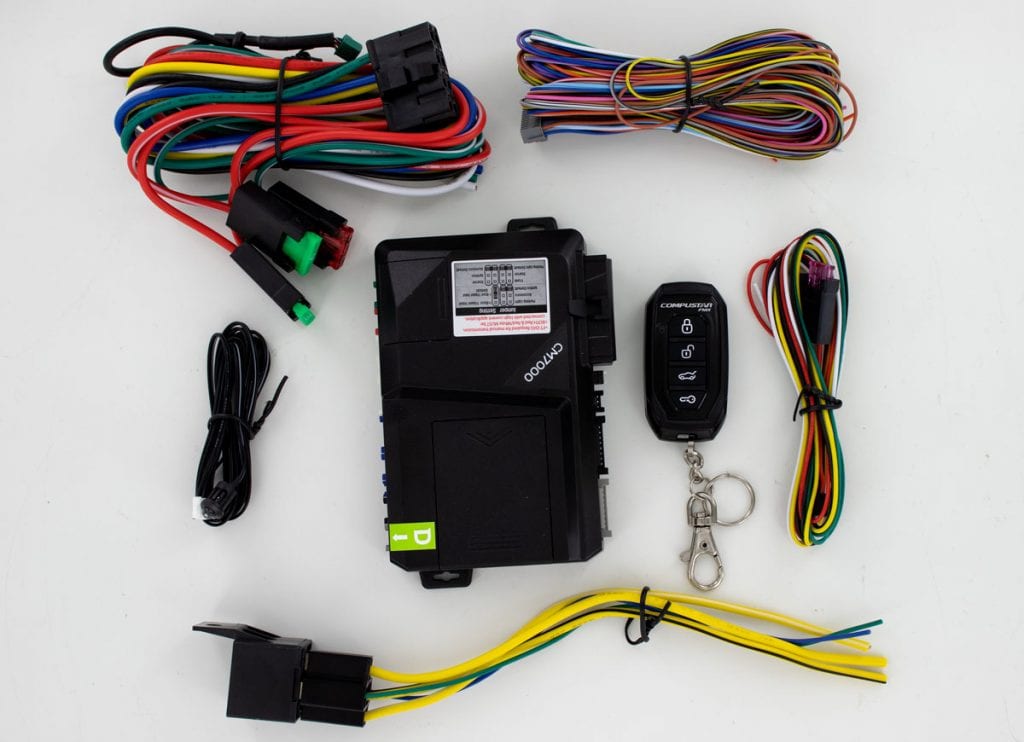
Opting for Professional Installation: Efficiency and Assurance (for a Price)
For the majority of car owners, professional installation is the recommended path. While it involves an upfront cost, the benefits in terms of time, reliability, and peace of mind often outweigh the expense. This aligns with the “Money” topic, as a smart financial decision isn’t always about the lowest upfront cost, but the best long-term value.
- Speed and Efficiency: As mentioned, professionals can typically complete an installation in 1-4 hours. Their efficiency comes from their experience, specialized tools, and access to up-to-date technical documentation and wiring diagrams for almost every vehicle. They perform these installations daily, honing their skills and streamlining the process.
- Expertise and Reliability: Certified technicians are trained in proper installation techniques, ensuring secure and durable connections. They understand the intricacies of vehicle electrical systems, including CAN-bus integration and immobilizer bypass procedures. This expertise minimizes the risk of errors and ensures the system functions flawlessly.
- Warranty and Support: Reputable installers typically offer a warranty on their labor, in addition to the manufacturer’s warranty on the remote start unit. This provides crucial peace of mind. Should any issues arise post-installation, you have a professional to turn to for support and rectification. This also reinforces the importance of choosing a strong “Brand” in installation services.
- No Risk of Vehicle Damage: Professional installers assume the risk of any accidental damage during the process. This safeguards you from costly repairs that could result from a DIY mishap.
- Seamless Integration: Professionals ensure that the remote start system integrates smoothly with your vehicle’s existing electronics, preventing conflicts or unintended side effects. They also ensure wiring is neatly routed and secured, maintaining the integrity of your vehicle’s interior.
While professional installation incurs a labor cost (typically ranging from $100 to $400, depending on complexity and location), the time savings, guaranteed quality, and peace of mind make it a worthwhile investment for most.
Beyond Installation Time: Costs, Benefits, and Smart Choices
Understanding the installation time is just one piece of the puzzle. A holistic view requires considering the financial outlay, the tangible benefits, and how to make the best decision for your specific needs, touching on the “Money” and “Tech” aspects of the website’s focus.
The Financial Investment: What You’re Paying For (Money Topic)
The total cost of a remote start system encompasses both the unit itself and the installation labor. This can vary widely.
- System Cost:
- Basic one-way systems: Can start from $50 – $150. These are typically simpler to install.
- Two-way systems: Range from $150 – $300, offering confirmation and extended range.
- Smartphone-controlled/Advanced systems: Can cost $250 – $600+, sometimes more for premium brands or systems with integrated security and GPS. These represent the cutting edge in Tech, offering unparalleled convenience but demanding more complex installation.
- Installation Labor Costs: As discussed, these typically range from $100 to $400. Factors like vehicle complexity (e.g., European luxury cars often costing more), advanced system features, and regional labor rates all play a role.
- Hidden Costs/Add-ons: Be aware of potential extra charges:
- Bypass Modules: Most modern vehicles require an immobilizer bypass module, which can add $50 – $150 to the cost. This is almost always a necessity for seamless integration with modern Tech in vehicles.
- Additional Key Fobs: If you want more than the standard remotes, these are extra.
- Advanced Features: Activating specific features like heated seats or rear defrost via remote start might require additional wiring or modules, incurring extra labor.
- Subscription Fees: Smartphone-controlled systems often come with annual subscription fees (e.g., $50-$100/year) for cellular connectivity and app services. This is a crucial “Money” consideration for long-term ownership.
Total Cost Estimates: Generally, you can expect to pay anywhere from $250 to $800+ for a complete remote start system and professional installation, depending on the chosen system’s features and your vehicle. Investing in a quality system from a reputable Brand and professional installation can prevent future issues, saving money on diagnostics and repairs down the line.
The Irrefutable Benefits of Remote Start (Why It’s Worth the Time)
Despite the time and monetary investment, the popularity of remote start systems is a testament to their significant benefits, greatly enhancing convenience and comfort.
- Unparalleled Comfort: This is the primary driver. Imagine starting your car from your home or office, allowing it to warm up in winter or cool down in summer. No more shivering in an icy cabin or burning your hands on a scorching steering wheel.
- Engine Warm-up/Cool-down: For some, allowing the engine to warm up properly before driving is beneficial, especially in extremely cold climates. Conversely, running the A/C pre-emptively helps cool interior components.
- Increased Safety and Security: Many remote start systems come with integrated security features, such as alarm systems, door lock/unlock control, and even GPS tracking in advanced models. Starting your car from a distance means you don’t have to go outside to a potentially unlit or unsafe area. The added peace of mind is invaluable, linking to aspects of Digital Security for your vehicle.
- Defrosting and De-icing: In winter, a remote start allows the vehicle’s heating system to begin defrosting the windshield and windows before you even step outside, saving precious minutes and improving visibility.
- Minor Resale Value Boost: While not a massive selling point, a professionally installed, fully functional remote start system can be an attractive feature for potential buyers, subtly enhancing your vehicle’s appeal and potentially its resale value.
Making an Informed Decision: Tech, Brand, and Trust
Choosing the right remote start system and installer is crucial for a smooth experience and long-term satisfaction.
- Choosing the Right System (Tech Trends, Reviews):
- Assess your needs: Do you need basic functionality, or do you crave smartphone control, GPS tracking, and advanced security? Researching different types of systems and their features, considering Tech Trends like AI integration (though subtle here, it points to smart features), will guide your choice.
- Read reviews: Look for systems with positive reviews regarding reliability, range, and user-friendliness.
- Compatibility: Ensure the system is fully compatible with your vehicle’s make, model, and year. A good installer will confirm this.
- Selecting a Reputable Installer (Brand Reputation, Digital Security):
- Look for certification: Choose installers certified by industry organizations (e.g., MECP). This indicates a commitment to professional standards.
- Check online reviews and testimonials: Platforms like Google, Yelp, and local forums can provide insight into an installer’s reputation, customer service, and quality of work. A strong “Brand” in service ensures trust.
- Ask for recommendations: Word-of-mouth from friends or family can be invaluable.
- Inquire about warranty: Ensure the installer offers a warranty on their labor.
- Discuss the installation process: A good installer will be transparent about the process, estimated time, and total cost, including any bypass modules or additional parts required. They should be able to articulate how they ensure Digital Security by properly integrating the system without compromising your vehicle’s existing safety protocols.
- Asking the Right Questions: Before committing, ask:
- What is the total cost, including all parts and labor?
- How long will the installation take?
- What kind of warranty do you offer on labor and parts?
- Will my vehicle’s factory warranty be affected? (A professional installation should typically not void it, but it’s good to confirm).
- What specific features does this system offer, and how will they integrate with my car?
Maximizing Efficiency and Ensuring a Smooth Installation
To further streamline the process and ensure you get the most out of your remote start installation, consider these practical tips:
- Pre-installation Check-in: Before your appointment, ensure your vehicle’s battery is in good condition and there are no existing electrical issues. Inform the installer of any aftermarket accessories already present.
- Clear Communication: Be precise about your expectations regarding the system’s features and operation. Clarify any questions you have about the process or costs upfront. A well-informed customer makes for a smoother interaction.
- Plan Your Day: If opting for professional installation, be prepared to leave your car for the estimated duration. Have alternative transportation arranged. For DIY, clear your schedule and set aside dedicated, uninterrupted time.
- Post-Installation Testing: Once the installation is complete, whether professional or DIY, thoroughly test all features of the remote start system. Check if the engine starts, shuts off, locks, unlocks, and if any integrated features (like heated seats) function as expected. Ensure no warning lights are illuminated on your dashboard that weren’t there before.
In conclusion, while the question “how long does it take to install remote start?” doesn’t have a single definitive answer, understanding the factors at play allows for accurate planning. From the basic 1-4 hours for a professional job on a standard vehicle to the potential for a multi-day DIY project, the timeline is heavily influenced by system complexity, vehicle specifics, and installer expertise. By making informed decisions about your system, choosing a reputable installer, and understanding the financial implications, you can ensure a smooth process and quickly enjoy the significant comfort and convenience that a remote start system brings to your driving experience. It’s an investment in Tech and convenience that, when handled correctly, yields daily returns.
aViewFromTheCave is a participant in the Amazon Services LLC Associates Program, an affiliate advertising program designed to provide a means for sites to earn advertising fees by advertising and linking to Amazon.com. Amazon, the Amazon logo, AmazonSupply, and the AmazonSupply logo are trademarks of Amazon.com, Inc. or its affiliates. As an Amazon Associate we earn affiliate commissions from qualifying purchases.