
Closing a bank account might seem like a straightforward task, but the actual timeline can vary significantly depending on a multitude of factors. For many, it’s a necessary step when changing banks, simplifying finances, or dealing with the affairs of a deceased loved one. While the desire for a swift, seamless process is universal, understanding the intricacies involved is key to managing expectations and avoiding potential frustrations. This comprehensive guide will dissect the bank account closure process, shed light on the variables that influence its duration, and equip you with the knowledge to navigate it efficiently. From initial preparations to receiving final confirmation, we’ll explore what you can expect and how to minimize delays in a process that typically ranges from a few business days to several weeks.

Understanding the Bank Account Closure Process
Before diving into timelines, it’s crucial to grasp the fundamental steps involved in closing a bank account. This isn’t just about emptying your funds; it’s a systematic process designed to ensure all financial ties are severed responsibly and legally. Each bank has its own internal protocols, but the core requirements are generally universal, focusing on verification, fund reconciliation, and severing connections.
Initial Steps and Preparations
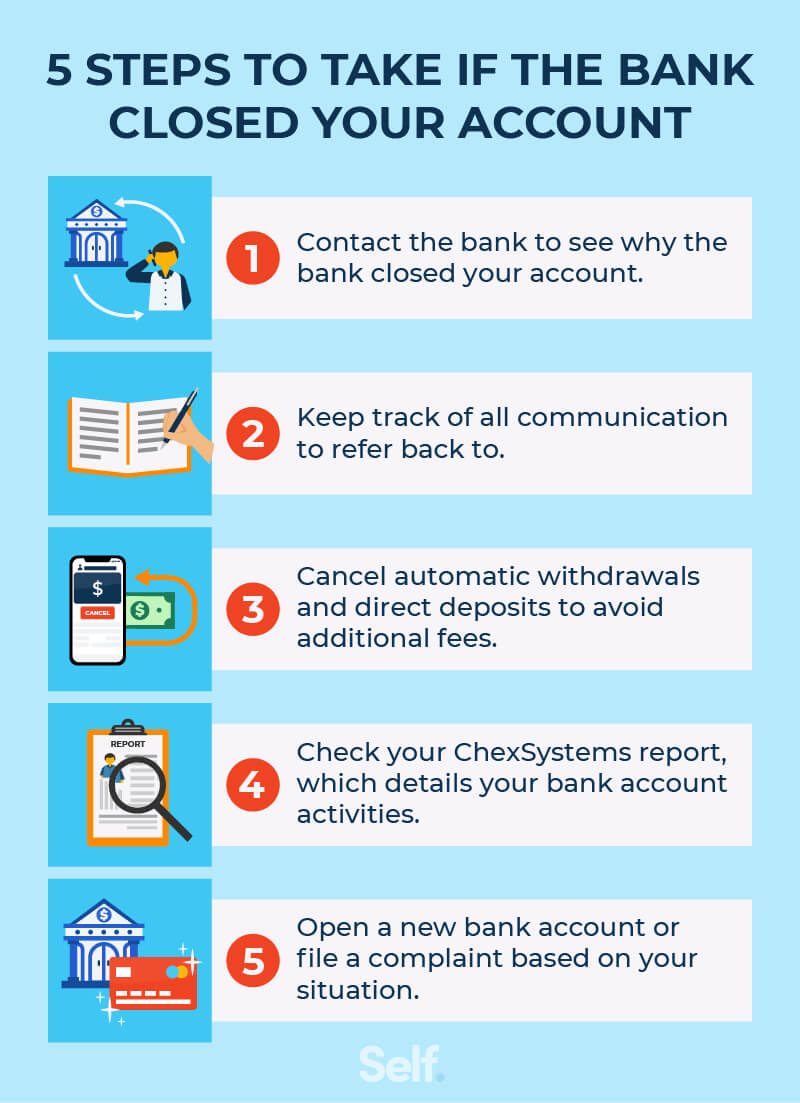
The journey to closing an account begins with thorough preparation on your part. This often involves more than just ensuring a zero balance. First, you must identify all recurring payments (direct debits, standing orders) and incoming funds (salary, benefits) linked to the account. These must be redirected to a new account or cancelled entirely. Failure to do so can lead to missed payments, late fees, and significant delays in closure, as banks are often hesitant to close an account with active transactions. Next, ensure you have an alternative account ready to receive any remaining funds. It’s also wise to download or request statements for your records, especially for tax purposes or future financial reference. Many banks require you to submit a formal request, often in writing or through a specific online portal, clearly stating your intention to close the account and providing any necessary identification.
Different Account Types and Their Nuances
The type of account you wish to close can also impact the process. A standard individual checking or savings account is usually the simplest. Joint accounts, however, typically require the consent and signature of all account holders, adding an extra layer of coordination. Business accounts, due to their often complex transaction history and potential for outstanding liabilities, may demand more extensive documentation and a longer review period. Similarly, accounts with attached services like overdraft facilities, credit cards from the same institution, or investment linkages might necessitate separate closure procedures or a more integrated review by the bank before final approval. Estates and trusts also have unique legal requirements, often demanding court orders or letters of administration, which naturally extend the timeline considerably.
The Role of Pending Transactions and Outstanding Debts
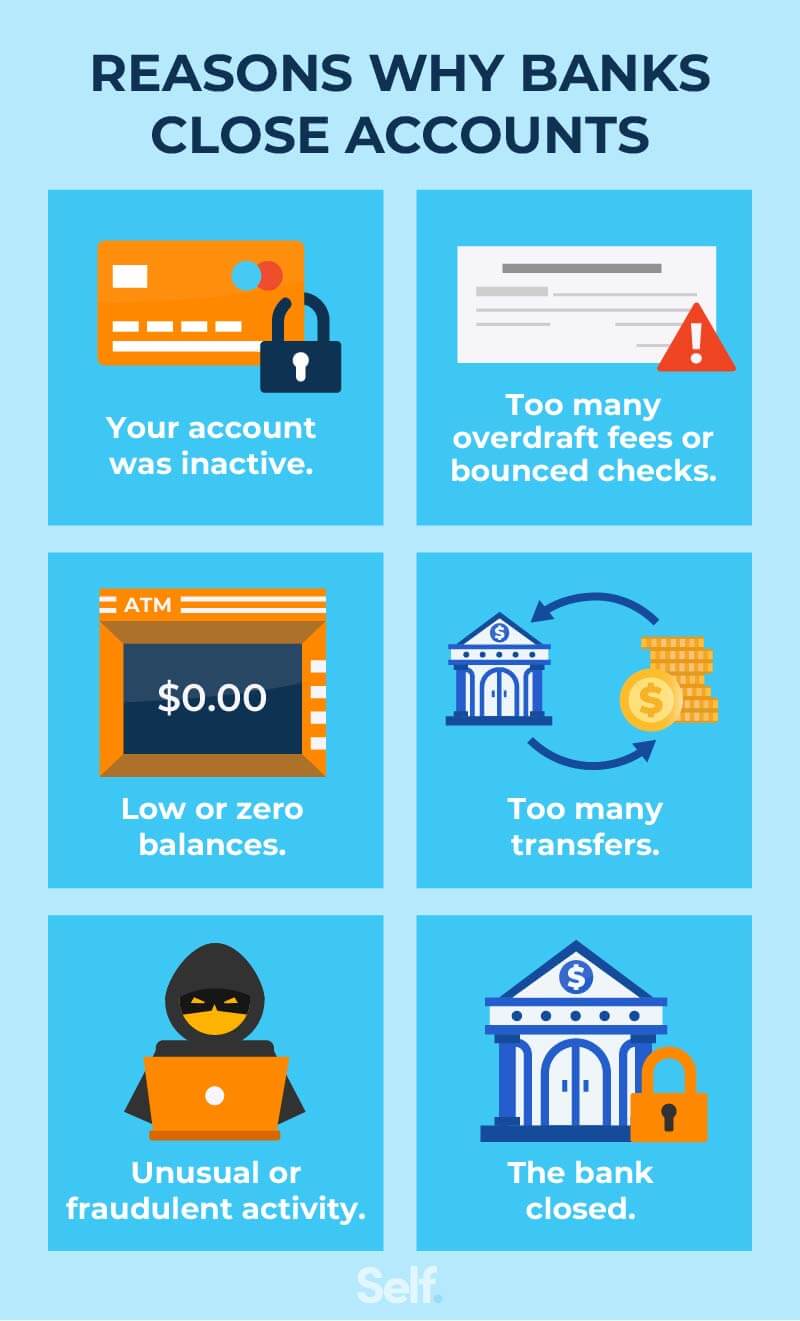
One of the most significant hurdles to swift account closure is the presence of pending transactions or outstanding debts. Banks cannot close an account if there are checks that haven’t cleared, pending direct debits, or active card transactions awaiting settlement. Even a small outstanding overdraft or a hold on funds from a recent deposit can prevent immediate closure. The bank’s system is designed to protect both the customer and the institution from financial loss or disputes. Therefore, it will often wait until all transactions have fully settled, which can take several business days, especially for international transfers or checks. Similarly, any outstanding fees or charges must be settled before the account can be finalized. Attempting to close an account with unresolved financial matters is a common reason for delays and requires proactive management from the account holder.
Key Factors Influencing the Closure Timeline
While you might hope for an immediate closure, several factors outside your direct control can dictate how long the process truly takes. Understanding these variables helps in setting realistic expectations.
Bank Policies and Internal Procedures
Every financial institution operates under its own set of policies and internal procedures for account closure. Larger banks, with their extensive customer base and often more rigid bureaucratic structures, might have longer processing times compared to smaller, community-focused banks or credit unions that can offer a more personalized and expedited service. Some banks might require a mandatory waiting period to ensure all outstanding transactions clear, which could be anywhere from 3 to 10 business days. Others might have specific “cut-off” times for processing requests, meaning a request submitted late in the day might only begin processing on the next business day. Researching your bank’s specific policy beforehand can provide valuable insight.
Method of Request (Online, Branch, Mail)
The channel through which you submit your closure request can significantly influence the timeline.
- In-person at a Branch: Often the quickest method for simple accounts, especially if you have all necessary documentation and the account is ready for immediate closure (zero balance, no pending transactions). A branch representative can process the request on the spot and provide instant confirmation, though the final administrative closure might still take a few days.
- Online/App: Many modern banks offer the convenience of online account closure. While seemingly instant, these requests still go through an internal verification and processing queue. The actual closure might take a few business days for the bank to review and execute. The advantage here is convenience; the disadvantage can be a lack of immediate human interaction for complex cases.
- By Mail: This is generally the slowest method. The time taken for your letter to reach the bank, for it to be routed to the correct department, and then for processing can easily add an extra week or more to the overall timeline. This method is usually reserved for situations where in-person or online options are unavailable or inconvenient.
Complexity of Your Account (e.g., joint accounts, linked services)
As mentioned earlier, the complexity of your account directly correlates with the closure timeline. Joint accounts necessitate communication and agreement from all parties, and banks often require signatures from everyone. If one account holder is difficult to reach or uncooperative, the process can stall indefinitely. Accounts linked to investment portfolios, lines of credit, or complex business operations will involve multiple departments and a more thorough audit, naturally extending the time needed for closure. Even seemingly minor linkages, like a savings account designated as overdraft protection for a checking account, might require both to be closed simultaneously or in a specific order.
Geographical Location and Regulatory Differences
For individuals with accounts in different countries or even different states within a federal system, local banking regulations can introduce additional layers of complexity and variation in closure times. Some jurisdictions might have specific consumer protection laws or anti-money laundering regulations that mandate longer holding periods or more stringent identity verification before an account can be fully closed. International bank transfers involved in moving funds can also add days or weeks to the overall process due to varying banking hours, public holidays, and interbank processing times across different time zones.
Proactive Steps to Ensure a Smooth and Swift Closure
While some aspects of the closure timeline are beyond your control, there are many proactive measures you can take to significantly expedite the process and minimize headaches. Preparation is paramount, turning what could be a drawn-out affair into a relatively quick task.
Zeroing Out Your Account Balance Strategically
The most common advice is to ensure your account balance is zero. However, doing this too abruptly can cause issues. It’s best to gradually reduce your balance over a few weeks, ensuring all incoming and outgoing transactions have cleared. Once you are confident that only a small sum remains, transfer it to your new account. Many banks prefer accounts to be entirely empty before closure, or they may issue a check for a small remaining balance, which can take time to process. Be aware of any minimum balance requirements or monthly maintenance fees that could unexpectedly put your account into the negative just before you intend to close it, preventing immediate action. Confirming these details with your bank can save you from last-minute surprises.
Updating Direct Debits and Standing Orders
This is perhaps the most critical step. Create a comprehensive list of all direct debits (e.g., utility bills, subscriptions, loan repayments) and standing orders (e.g., rent, regular transfers to savings). Contact each service provider to update your payment details to your new bank account. Do this well in advance of your intended closure date – ideally, at least a month beforehand. Once you’ve updated them, monitor your new account for a cycle or two to ensure all payments are successfully transferring from the new account. Missing a crucial payment due to an un-updated direct debit can lead to late fees, service interruptions, and significant stress. Only when you are certain all financial links have been successfully migrated should you proceed with the closure request.
Retaining Key Documents and Confirmations
Before, during, and after the closure process, diligent record-keeping is essential. Download or request copies of your account statements for at least the past year, or longer if required for tax purposes. Keep records of all correspondence with your bank regarding the closure, including dates, names of representatives you spoke with, and any reference numbers. If you submit a written request, keep a copy for yourself. Once the bank confirms closure, request written confirmation that the account has been fully closed and there are no outstanding liabilities. This documentation serves as crucial proof should any disputes or unexpected charges arise in the future, providing peace of mind and legal protection.
What Happens After You Submit Your Closure Request?
Once you’ve submitted your formal request to close your bank account, the ball is largely in the bank’s court. However, understanding their internal process and what to expect during this waiting period is crucial for managing your finances effectively.
Bank’s Internal Review and Verification
Upon receiving your closure request, the bank initiates an internal review. This typically involves several checks:
- Identity Verification: Even if you’ve submitted your request in person, the bank will verify your identity against their records to prevent fraudulent activity.
- Balance Reconciliation: They will confirm your account balance, looking for any pending deposits, withdrawals, or holds. This often includes checking for any outstanding interest payments due to you or fees owed to the bank.
- Linked Services Check: The bank will cross-reference your account with any linked services, such as overdraft facilities, credit cards, loans, or investment accounts, to ensure all interdependencies are addressed.
- Transaction Clearance: They will wait for any recent checks, card transactions, or direct debits to fully clear through the system. This is a common reason for a delay of several business days, as funds movement between banks isn’t always instantaneous.
Only after these checks are satisfactorily completed can the account proceed towards final closure.
Transferring Remaining Funds and Final Statement
If there’s a remaining positive balance in your account after all transactions have cleared and fees are settled, the bank will transfer these funds to your designated new account. This transfer is usually done electronically (e.g., via ACH in the US, Faster Payments in the UK) and typically takes 1-3 business days to appear in your new account. If you didn’t provide a new account for transfer, or if the remaining balance is very small, the bank might issue a check, which will be mailed to your address on file and can take longer to receive and deposit.
Following the transfer of funds, the bank will prepare a final statement. This statement will reflect all transactions up to the point of closure, confirming a zero balance and indicating that the account is officially closed. This document is vital for your records and serves as proof that your relationship with that account has been terminated. It’s crucial to wait for and review this final statement to ensure accuracy and confirm the closure.
Receiving Confirmation of Closure
The final step in the process, from the bank’s perspective, is to send you a formal confirmation of closure. This communication might come via email, mail, or a secure message within your online banking portal. It typically confirms the date of closure and states that the account is no longer active. The timeline for receiving this confirmation can vary, often taking 5-10 business days after the funds have been transferred. It is imperative to keep this confirmation with your other financial records. If you do not receive a confirmation within the expected timeframe, proactively contact your bank to inquire about the status. Until you have received this official confirmation, consider the account closure process incomplete.
In conclusion, while closing a bank account can seem like a minor administrative task, it is a process that requires careful planning, attention to detail, and a clear understanding of your bank’s procedures. By proactively managing your account, updating all linked transactions, and diligently tracking the bank’s actions, you can navigate the process smoothly and efficiently. Expect the entire timeline to range from a few business days for a simple, prepared account to several weeks for more complex scenarios, but with the right approach, you can significantly reduce the potential for delays and ensure a hassle-free transition of your financial affairs.
aViewFromTheCave is a participant in the Amazon Services LLC Associates Program, an affiliate advertising program designed to provide a means for sites to earn advertising fees by advertising and linking to Amazon.com. Amazon, the Amazon logo, AmazonSupply, and the AmazonSupply logo are trademarks of Amazon.com, Inc. or its affiliates. As an Amazon Associate we earn affiliate commissions from qualifying purchases.