
The act of sending a check to the Internal Revenue Service (IRS) is a routine financial obligation for millions of taxpayers annually. Whether it’s for tax liabilities, estimated taxes, or an amended return, the expectation is that the payment will be processed in a timely manner. However, the exact timeline for the IRS to cash a check isn’t always clear-cut, leading to questions and, at times, anxiety among those who have sent their hard-earned money. Understanding this process is crucial for effective financial planning, avoiding potential penalties, and ensuring your tax obligations are met smoothly.

This guide delves into the various factors that influence how quickly the IRS processes and cashes a paper check, offers insights into managing your finances during this period, and explores alternative payment methods that might offer greater speed and peace of mind. Navigating the complexities of tax payments requires diligence and awareness, especially when dealing with a massive federal agency responsible for the nation’s revenue collection.
The IRS Check Processing Timeline: What to Expect
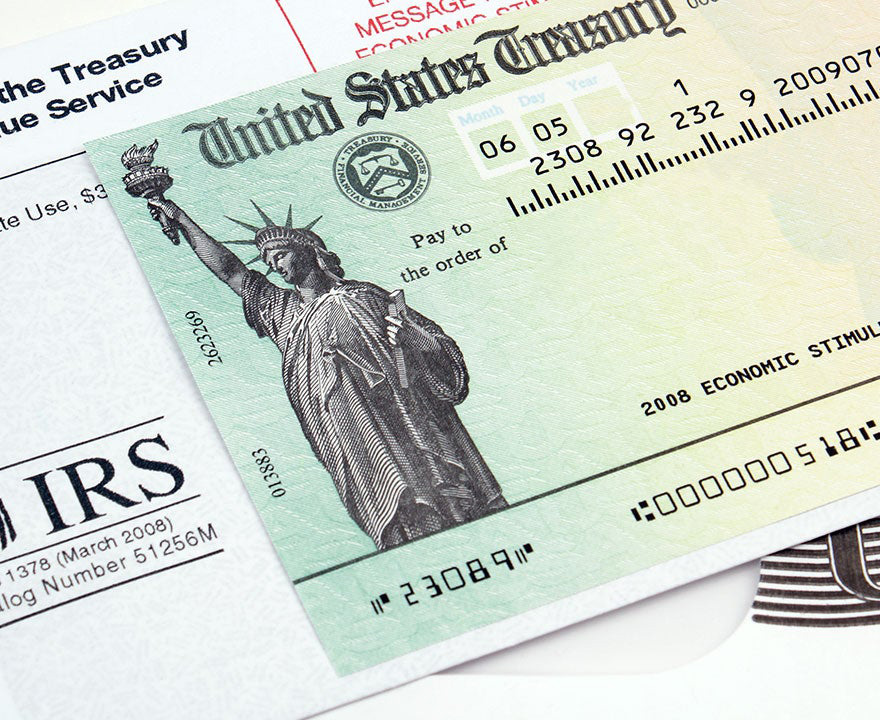
When you mail a check to the IRS, it enters a vast administrative system designed to handle millions of payments each year. The time it takes for your check to clear your bank account can vary significantly based on several factors. While there isn’t a single definitive answer, taxpayers can typically expect a range rather than a fixed number of days.
Standard Processing Period
In ideal circumstances, under normal operating conditions and outside of peak tax seasons, the IRS might cash a mailed check within one to three weeks of receiving it. This timeframe includes the time for the mail to reach the processing center, for the check to be physically opened and sorted, and then for the electronic debit to be initiated through the banking system. For some taxpayers, especially those in less populated areas or whose payments are sent to less busy processing centers, this process might even occur within a few days. However, it’s safer to budget for a slightly longer wait.
Peak Season vs. Off-Peak Season
The most significant variable affecting check cashing times is the volume of payments the IRS receives. This volume spikes dramatically during specific periods:
- April 15th (or the closest business day): The primary tax filing deadline for most individual income tax returns.
- June 15th, September 15th, January 15th: Estimated tax payment deadlines.
- October 15th: The extended tax filing deadline.
During these peak periods, the IRS experiences an immense influx of mail and payments. This surge can significantly slow down processing times, extending the wait for a check to be cashed to four to six weeks, or even longer in exceptional cases, especially if there are unforeseen backlogs or operational challenges. It’s not uncommon for checks mailed around the April deadline to be cashed well into May or early June.
Electronic vs. Mailed Payments
While this article focuses on mailed checks, it’s worth noting the stark difference in processing speed with electronic payments. Methods like IRS Direct Pay or credit/debit card payments are typically processed within 24-48 hours, providing immediate confirmation and faster debit from your account. This contrast highlights why many financial advisors recommend electronic options for those seeking quicker processing and greater certainty. For mailed checks, patience is indeed a virtue.
Factors Influencing IRS Check Cashing Speed
Beyond peak seasons, several other elements can contribute to how quickly – or slowly – your IRS check is processed. Understanding these can help you anticipate the timeline and ensure your payment doesn’t face unnecessary delays.
Volume of Payments Received
As mentioned, the sheer volume of mail is the primary determinant. The IRS has designated processing centers across the country, and each handles millions of pieces of correspondence. During peak times, these centers can become overwhelmed, leading to temporary backlogs in sorting and data entry, which directly impacts check cashing.
Accuracy and Completeness of Payment
Ensuring your check is filled out correctly is paramount. Any errors can lead to delays or even the return of your payment. Key elements include:
- Legible Writing: Amount and payee must be clear.
- Correct Payee: “United States Treasury” is the correct payee.
- Signed Check: An unsigned check is invalid.
- Correct Amount: Matching the amount on your tax form.
- Proper Endorsements/Information: Including your tax ID number (SSN or EIN), the tax year, and the related tax form/schedule on the memo line. Missing or incorrect information here can cause delays in associating the payment with your account.
IRS System Efficiency and Backlogs
Like any large organization, the IRS can experience internal system efficiencies or unforeseen backlogs. These can stem from technological issues, staffing shortages, or even external events that disrupt operations. While usually temporary, such issues can contribute to delays in processing all forms of correspondence, including checks. The IRS has sometimes openly communicated about backlogs in processing mail or tax returns, which inherently affects payment processing as well.
Method of Submission and Delivery
How you mail your check can also play a minor role. While standard mail is most common, using certified mail with a return receipt can provide proof of delivery, though it doesn’t necessarily speed up the IRS’s internal processing once received. The physical distance to the designated IRS processing center also factors into the overall mail delivery time. Always use the specific address provided in the instructions for your tax form, as sending it to the wrong address will cause significant delays.
Why the IRS Processing Time Matters for Your Financial Planning
The period between mailing your check and its being cashed isn’t just a waiting game; it’s a critical window that requires careful financial management. Mismanaging this period can lead to unforeseen financial complications or even tax penalties.

Impact on Bank Account Balances and Cash Flow
The most immediate impact is on your bank account. The funds dedicated to your tax payment are still technically in your account until the check is cashed. This means you need to ensure you maintain sufficient funds in that account to cover the payment whenever the IRS decides to process it. Failing to do so can lead to a bounced check, which incurs bank fees, potentially an IRS returned check penalty, and complicates your tax situation. Prudent financial planning dictates treating those funds as already spent, keeping them separate or at least mentally allocated.
Avoiding Overdrafts and Fees
A bounced check due to insufficient funds is a costly mistake. Banks typically charge an overdraft fee, and the IRS will also levy a penalty for a dishonored check. As of 2024, the IRS penalty for a returned check is $25 or 2% of the payment, whichever is less, for payments of $1,250 or more. For payments under $1,250, the penalty is $25. These fees are easily avoidable by carefully managing your cash flow and ensuring the payment amount is always available.
Reconciliation of Records
Knowing when your check is cashed allows you to reconcile your bank statements with your tax records. This is a crucial step for accurate financial accounting. Once the check clears, you have definitive proof that the payment has been debited from your account, helping you to confirm that your tax obligation for that specific payment has been met from your end. This also provides a clear timestamp for when the IRS received and processed the payment, which can be important for dispute resolution or record-keeping.
Tax Compliance and Penalties
While mailing your check on time is important, the IRS’s “received” date is often critical for avoiding failure-to-pay penalties. Generally, for mailed payments, the postmark date is considered the payment date if it’s sent via USPS by the due date. However, an uncashed check might raise concerns for some taxpayers. If an extended delay leads to questions about whether the payment was truly received and processed, it can create stress. While a delay in cashing the check doesn’t automatically mean a failure-to-pay penalty (as long as it was mailed on time), it’s best to track its status to ensure it eventually clears.
Tracking Your Payment and What to Do If There’s a Delay
Given the potential for delays, especially during busy periods, it’s wise to actively monitor the status of your payment and know what steps to take if your check isn’t cashed within the expected timeframe.
Utilizing IRS Tools: “Where’s My Payment?”
The IRS offers an online tool called “Where’s My Payment?” While primarily designed for estimated tax payments and certain other direct payments, it can sometimes provide information on received checks if they’ve been logged into the system. It requires your Social Security Number or ITIN, date of birth, and ZIP code. However, it’s not always instantly updated for mailed checks, as the system relies on physical processing before digital input. This tool is more effective for electronic payments.
Bank Statement Monitoring
The most reliable way to track your check is by regularly checking your bank account statements (online banking is ideal for this). Look for a debit entry from the “U.S. Treasury” or “IRS.” Once you see this, you know the check has been cashed. Set up alerts with your bank for large debits if possible, to be notified immediately.
When and How to Contact the IRS for Inquiries
If an unreasonable amount of time has passed (e.g., more than 6-8 weeks during peak season, or 4-5 weeks off-peak) and your check still hasn’t been cashed, and you’ve confirmed it hasn’t appeared on “Where’s My Payment?”, you may consider contacting the IRS.
- Before calling: Double-check your bank statements, confirm the amount, and have all your tax information ready (SSN, tax year, form number).
- IRS Phone Numbers: The main IRS taxpayer assistance line is 1-800-829-1040. Be prepared for potentially long wait times, especially during tax season.
- IRS Taxpayer Advocate Service: If you’re experiencing significant financial hardship due to an uncashed payment or other IRS issues, the Taxpayer Advocate Service (TAS) might be able to help.
Retaining Payment Records
Always make a copy of your check before mailing it. Include a copy of the payment voucher (Form 1040-V or similar) if applicable. If you send it via certified mail, retain the certified mail receipt and the electronic return receipt. These records are invaluable proof that you made the payment and mailed it on time, should any discrepancies arise with the IRS. Do not stop payment on a check without first contacting the IRS, as this can lead to further complications and penalties.
Alternative Payment Methods and Best Practices for IRS Payments
Given the potential for delays and the administrative burden associated with paper checks, the IRS strongly encourages taxpayers to use electronic payment methods. These alternatives offer increased speed, security, and traceability, streamlining the payment process for both taxpayers and the agency.
Electronic Payment Options
- IRS Direct Pay: This free service allows you to make payments directly from your checking or savings account. It’s simple, secure, and provides immediate confirmation. Payments are typically processed within 1-2 business days.
- Debit Card, Credit Card, or Digital Wallet Options: You can pay your taxes using a third-party payment processor via debit or credit card, or digital wallet services. While these options come with a processing fee charged by the third-party provider, they offer convenience and the ability to earn credit card rewards. Processing is typically very fast, often within 24-48 hours.
- Electronic Federal Tax Payment System (EFTPS): This free service is primarily for businesses and federal tax deposits but is also available to individuals. It requires enrollment but allows scheduled payments up to 365 days in advance. Payments are processed electronically and securely.
Payment by Money Order or Cashier’s Check
If you prefer not to use electronic methods but want an alternative to a personal check, a money order or cashier’s check can be used. These guarantee funds, as they are pre-paid. However, they still need to be mailed to the IRS and will be subject to the same physical processing delays as personal checks once received. They offer an advantage if you don’t have a checking account or prefer not to send a personal check.
Best Practices for Mailing Checks
If mailing a check is your only or preferred option, follow these best practices:
- Mail Early: Send your payment well in advance of the deadline, especially during peak seasons.
- Use the Correct Address: Refer to the IRS instructions for your specific tax form to find the correct mailing address. The address can vary based on your state and the form you are filing.
- Fill Out Completely and Accurately: Ensure all fields are legible, correct, and include your identifying information (SSN/EIN, tax year, form type) on the memo line.
- Do Not Staple or Attach Anything to the Check: Send it loose with your payment voucher.
- Consider Certified Mail: While it doesn’t speed up processing, it provides proof of mailing and delivery, offering peace of mind.
Proactive Financial Planning
Ultimately, the best strategy is proactive financial planning. Setting aside funds for your tax obligations throughout the year ensures that when payment is due, the money is readily available, regardless of how long it takes the IRS to cash your check. This approach eliminates stress, prevents overdrafts, and supports sound financial health.
In conclusion, while the IRS endeavors to process payments efficiently, the timeframe for cashing a paper check can range from a few days to several weeks, particularly during peak tax seasons. By understanding the influencing factors, diligently tracking your payment, and considering faster, more secure electronic alternatives, you can navigate your tax obligations with greater confidence and maintain robust financial control.
aViewFromTheCave is a participant in the Amazon Services LLC Associates Program, an affiliate advertising program designed to provide a means for sites to earn advertising fees by advertising and linking to Amazon.com. Amazon, the Amazon logo, AmazonSupply, and the AmazonSupply logo are trademarks of Amazon.com, Inc. or its affiliates. As an Amazon Associate we earn affiliate commissions from qualifying purchases.