
Navigating the world of credit cards often involves understanding more than just your interest rate or rewards program; it also requires a firm grasp of the operational mechanics, particularly how long it takes for a payment to process. For Credit One cardholders, knowing the typical processing times is not just a matter of curiosity, but a crucial element of sound financial management. A payment’s journey from your bank account to your credit card statement is not instantaneous, and the duration can have significant implications for your credit score, available credit, and the avoidance of late fees.

In this comprehensive guide, we’ll delve into the intricacies of Credit One’s payment processing timelines, dissecting the various factors that influence these periods, and outlining best practices to ensure your payments are always posted promptly and effectively. Understanding these nuances is paramount for anyone looking to maintain a healthy financial standing and maximize the benefits of their credit card.
Understanding the Payment Processing Ecosystem
Before we zero in on Credit One specifically, it’s essential to grasp the broader ecosystem involved in moving money from your bank to your credit card issuer. A payment is not a single, isolated event but rather a series of interconnected steps, each with its own potential for slight delays.
The Journey of a Payment: From Click to Cleared
When you initiate a payment to your Credit One card, whether online, via phone, or through the mail, it sets off a multi-stage process:
-
Initiation: This is the moment you click “submit” or drop your check in the mail. At this point, your bank or payment processor acknowledges your request to transfer funds.
-
Authorization: Your bank confirms that you have sufficient funds available and authorizes the payment request. For online payments, this often happens almost instantly.
-
Settlement: This is where the actual transfer of funds occurs between your bank and Credit One’s bank. This interbank communication typically happens through networks like the Automated Clearing House (ACH) system in the U.S.
-
Posting: This is the final and most critical step for you as a cardholder. Posting means the payment has been fully processed and applied to your Credit One account, reducing your balance and potentially restoring your available credit. This is the date that matters for due dates and late fees.
The distinction between when a payment is initiated and when it posts is fundamental. Many cardholders mistakenly believe that their payment is “on time” as soon as they send it, but for most financial purposes, it’s the posting date that counts.
Key Players in the Processing Chain
The smooth (or sometimes not-so-smooth) flow of your payment depends on several entities working in concert:
-
Your Originating Bank: The bank account from which you’re drawing funds. Their internal processing times and cut-off times play a role.
-
Credit One Bank: The recipient of your payment. Their internal systems handle the processing and posting to your credit card account.
-
Payment Networks (ACH, Visa/Mastercard): These are the infrastructure providers that facilitate the electronic transfer of funds between banks. The ACH network, for instance, operates in daily batches, not real-time, which introduces inherent delays.
-
Payment Processors: Sometimes third-party companies are involved in handling the transaction, especially if you’re using a bill pay service from a different bank or a non-standard payment method. Each additional intermediary can add to the processing time.
Credit One’s Specific Processing Timelines
Credit One Bank, like most financial institutions, has established timelines for processing payments, which can vary based on the payment method used. Understanding these specific windows is crucial for timely account management.
Standard Online Payments and ACH Transfers
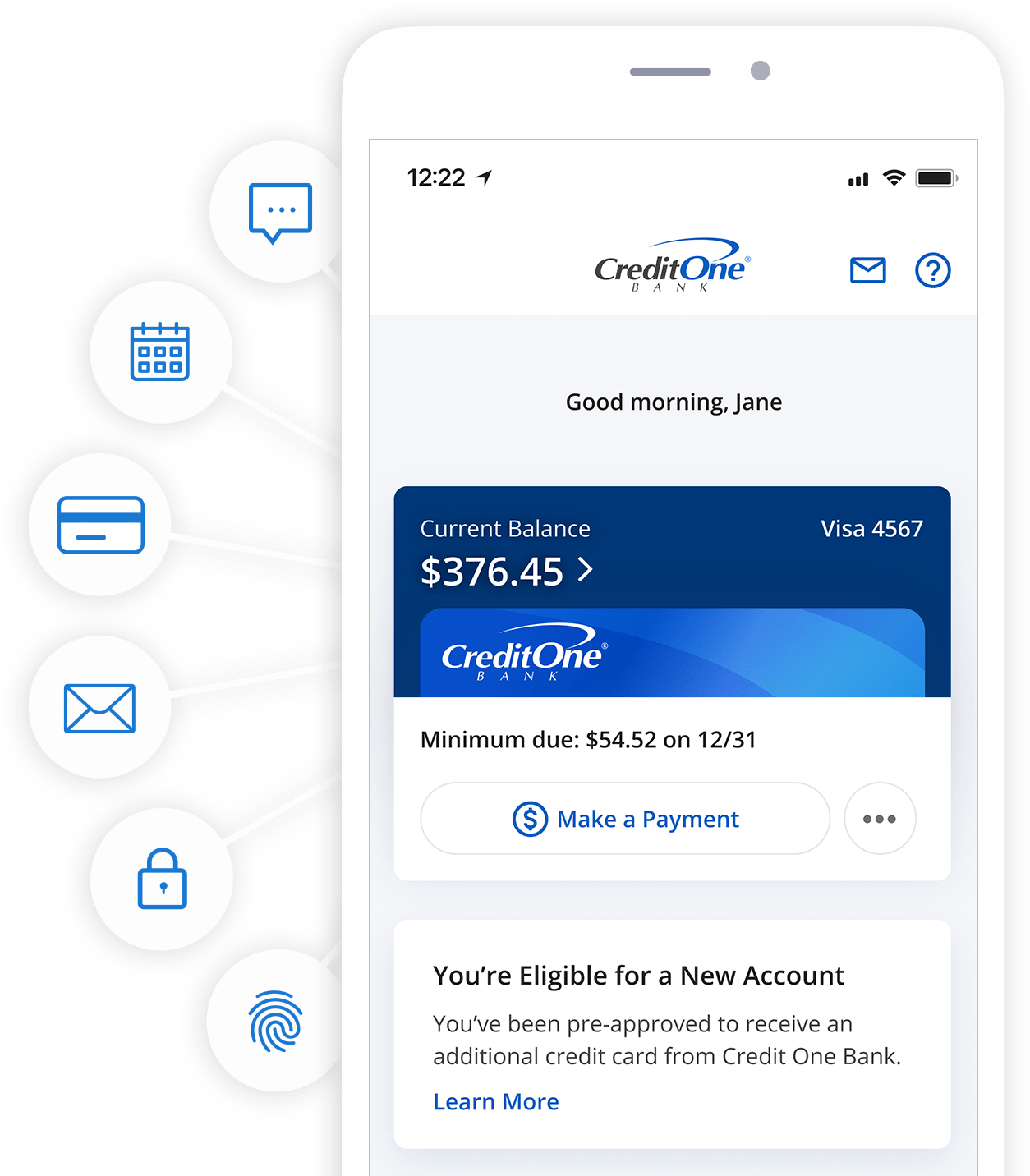
For the vast majority of Credit One cardholders, online payments initiated through their Credit One account portal are the most common and generally the most efficient method.
-
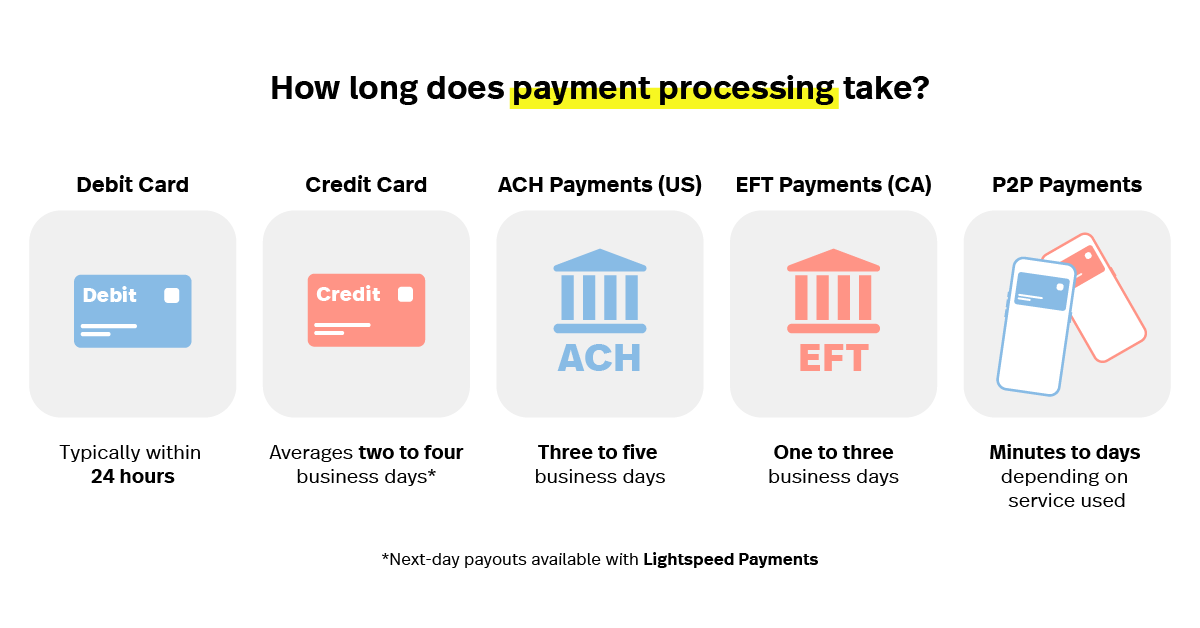
Typical Timeline: Most standard online payments initiated via the Credit One website or mobile app, using an ACH transfer from your checking or savings account, will process and post within 1 to 3 business days.
-
Business Days are Key: It’s vital to remember that “business days” exclude weekends and federal holidays. If you make a payment on a Friday, it might not even begin processing until Monday and could post by Wednesday.
-
Cut-off Times: Credit One, like other banks, typically has a daily cut-off time (e.g., 5:00 PM Eastern Time). Any payment submitted after this time will generally be treated as if it were received on the next business day, pushing back the entire processing timeline. For instance, a payment made at 6:00 PM ET on a Monday might not start processing until Tuesday, posting by Thursday or Friday.
Expedited Payments and Their Costs
In situations where a payment is urgently needed to avoid a late fee or to free up available credit, Credit One may offer expedited payment options.
-
Faster Processing: These typically involve payments made over the phone with a customer service representative, often using a debit card. These might process and post faster, sometimes within 24 hours, but this is not guaranteed and still subject to bank cut-off times.
-
Associated Fees: Expedited payments almost invariably come with a service fee, which can range from a few dollars to a more substantial charge. Cardholders should weigh the cost of the expedited payment against the potential cost of a late fee or the need for immediate available credit. These options are generally meant for emergencies, not routine payments.
Mail-In Payments and Bill Pay Services
While less common in the digital age, some cardholders still opt for traditional mail-in payments or use their bank’s third-party bill pay service.
-
Mail-In Payments: These carry the longest processing times. You must account for mail transit time (which can be 3-7 business days, depending on your location and postal service efficiency) plus Credit One’s internal processing time once they receive the check. This means a mail-in payment could easily take 5-10 business days or even longer to post. This method is highly discouraged for time-sensitive payments.
-
Third-Party Bill Pay Services: If you use your personal bank’s online bill pay service to send a payment to Credit One, your bank typically sends an electronic payment (ACH) or, in some cases, a physical check. If it’s an electronic payment, it usually follows the 1-3 business day rule once released by your bank. However, if your bank sends a physical check on your behalf, it reverts to the longer mail-in timeline. It’s crucial to understand how your specific bank’s bill pay service operates.
Factors Influencing Payment Processing Delays
Beyond the chosen payment method, several external and internal factors can affect how quickly your payment clears and posts to your Credit One account.
Weekends, Holidays, and Banking Cut-off Times
As previously mentioned, these are perhaps the most significant disruptors to payment timelines:
-
Non-Business Days: Any payment initiated on a weekend or federal holiday will not begin processing until the next business day. This can effectively add 1-3 extra days to your payment timeline. For example, a payment made on a Saturday won’t start processing until Monday, pushing a typical 2-day posting timeline to Wednesday.
-
Daily Cut-off Times: Strict daily cut-off times mean that even a payment submitted early in the evening can miss the processing window for that day, delaying it by a full business day. Always assume payments made in the late afternoon or evening will be processed the following day.
Payment Method and Originating Bank Differences
The method you use and the bank account linked to your payment can also introduce variations:
-
ACH Network: The ACH network processes transactions in batches, not in real-time. There are typically two or three processing windows per business day, but interbank settlement can still take time.
-
Bank Efficiency: While most banks operate on similar ACH schedules, some smaller banks or credit unions might have slightly different internal processing workflows that could add marginal delays compared to larger financial institutions.
-
Debit Card Payments: When accepted, payments made directly with a debit card (as opposed to an ACH transfer from a checking account) are sometimes faster because they involve a direct debit from a card network, which can sometimes clear more quickly. However, this varies by issuer and often incurs an expedited fee.
System Glitches, Verification, and Fraud Prevention
While less common, certain operational aspects can temporarily halt or delay a payment:
-
Technical Issues: Rare but possible system outages or technical glitches at either your bank, Credit One, or within the payment network can cause unexpected delays.
-
Payment Verification: If a payment is unusually large, comes from a new or unfamiliar bank account, or triggers other red flags, Credit One’s fraud prevention systems might place a temporary hold on the payment for verification. This is for your protection but can delay posting.
-
Insufficient Funds: If your originating bank account has insufficient funds to cover the payment, the payment will be rejected, and you may incur fees from both your bank and Credit One, compounding the problem and delaying a successful payment significantly.
The Critical Impact of Payment Posting on Your Finances
Understanding when your payment posts is not just about logistics; it has profound implications for your personal finance and credit health.
Avoiding Late Fees and Interest Charges
This is arguably the most immediate and tangible impact.
-
Due Date is Paramount: Your credit card statement specifies a payment due date. To avoid a late fee, your payment must be posted to your Credit One account by this date. If you send a payment on the due date and it takes 2 business days to post, it will be considered late.
-
Interest Accrual: If your payment isn’t posted by the due date (especially if you carry a balance), interest charges may continue to accrue on your outstanding balance, even if you eventually pay it off. Making the minimum payment on time is crucial to avoid late fees, but paying the full statement balance by the due date is essential to avoid interest charges.
Credit Score Implications
Your payment history is the single most important factor in calculating your FICO credit score (making up 35%).
-
Late Payments Hurt: A payment reported as 30 days or more past due can severely damage your credit score. This negative mark can remain on your credit report for up to seven years, impacting your ability to get future loans, credit cards, or even housing and insurance. Even if a payment is only a few days late, if Credit One reports it to the credit bureaus as 30+ days past due, the damage is done.
-
Utilization Ratio: A prompt payment can also positively affect your credit utilization ratio (how much credit you’re using vs. your total available credit), which accounts for 30% of your FICO score. If a payment posts quickly, your reported balance to the credit bureaus will be lower, potentially improving your utilization and credit score.
Managing Available Credit and Future Spending
For many cardholders, available credit is a crucial aspect of managing their finances.
-
Restoring Buying Power: Your available credit is generally not restored until your payment has fully posted and cleared. If you’ve made a large payment and need to make another significant purchase soon after, waiting for the payment to post is critical.
-
Planning Large Purchases: If you anticipate making a large purchase that will push you close to your credit limit, ensuring your previous payments have posted well in advance is essential to avoid potential declines or exceeding your limit.
Best Practices for Timely Credit One Payments
Given the importance of payment processing times, adopting best practices is essential for seamless financial management and avoiding unnecessary stress or fees.
Pay Well Before the Due Date
This is the golden rule of credit card payments.
-
Build a Buffer: Aim to submit your payment at least 3 to 5 business days before your actual due date. This buffer accounts for weekends, holidays, cut-off times, and any unexpected minor processing delays.
-
Automate Payments (with caution): Consider setting up automatic payments through Credit One’s portal or your bank’s bill pay service. This ensures you never miss a due date. However, always set the automatic payment to occur several days before the due date and regularly monitor your account to confirm funds are available and payments are successfully posting.
Monitor Your Account Activity
Regularly checking your Credit One account is a simple yet effective way to stay on top of your payments.
-
Check Online/App: After initiating a payment, log into your Credit One online account or use their mobile app to confirm that the payment has been reflected in your transaction history and, crucially, that your balance has been updated (indicating it has posted).
-
Review Statements: Always review your monthly statements to confirm all payments were processed correctly and that no late fees or unexpected charges appeared.
Keep Records and Contact Support When Needed
Documentation can be your best friend if a payment goes awry.
-
Confirmation Numbers: Always note or screenshot payment confirmation numbers provided by Credit One. These are vital if you need to dispute a payment or inquire about a delay.
-
Contact Support: If a payment seems unusually delayed or hasn’t posted within the expected timeframe, do not hesitate to contact Credit One’s customer service. Provide them with your confirmation number and the date you initiated the payment.
Understanding Payment Confirmation vs. Posting
Reiterate this critical distinction to avoid confusion.
-
Confirmation is Receipt: A confirmation email or message simply indicates that Credit One has received your instruction to make a payment. It does not mean the payment has cleared your bank and posted to your credit card account.
-
Posting is Application: Only when the payment posts is it officially applied to your balance and considered “made” for the purpose of due dates, interest calculations, and credit reporting.
Conclusion
Understanding how long Credit One takes to process a payment is more than just a logistical detail; it’s a cornerstone of responsible credit card management and financial health. While most online payments will process and post within 1 to 3 business days, numerous factors—from weekends and holidays to the originating bank and system safeguards—can influence this timeline.
By grasping the payment processing ecosystem, familiarizing yourself with Credit One’s specific timelines, and adopting best practices like paying several days in advance and diligently monitoring your account, you can confidently navigate your credit card payments. This proactive approach ensures you avoid late fees, prevent adverse effects on your credit score, and maintain optimal control over your available credit, ultimately empowering you to use your Credit One card wisely and effectively.
aViewFromTheCave is a participant in the Amazon Services LLC Associates Program, an affiliate advertising program designed to provide a means for sites to earn advertising fees by advertising and linking to Amazon.com. Amazon, the Amazon logo, AmazonSupply, and the AmazonSupply logo are trademarks of Amazon.com, Inc. or its affiliates. As an Amazon Associate we earn affiliate commissions from qualifying purchases.