
Understanding the duration of a pending transaction on Cash App is crucial for effective personal finance management, ensuring funds are available when needed and preventing unexpected cash flow disruptions. While many Cash App transactions are instantaneous, a “pending” status indicates a temporary hold or review process that can range from a few minutes to several business days, depending on the underlying cause and the specific nature of the transaction. This delay directly impacts your financial liquidity and planning, making it essential to comprehend the factors at play.
Decoding the “Pending” Status: Financial Implications
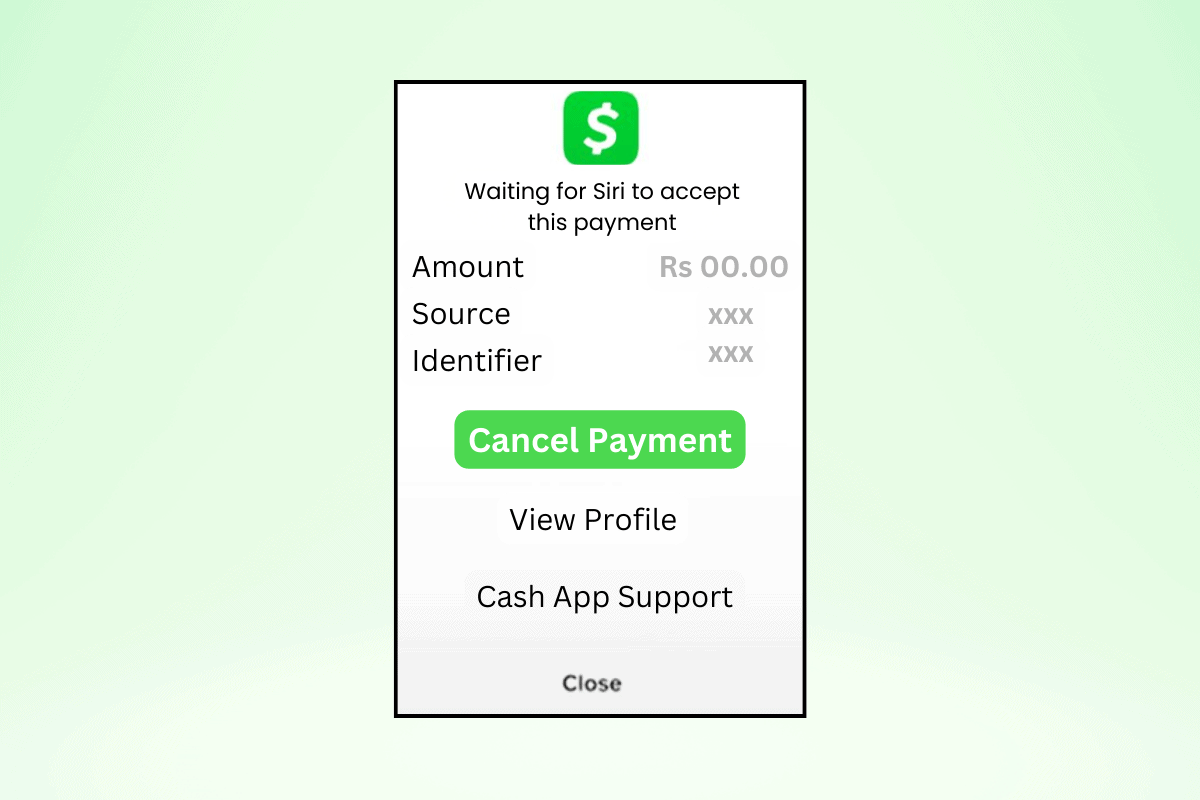
When a Cash App transaction is labeled “pending,” it signifies that the funds have left the sender’s account (or are earmarked to do so) but have not yet been fully credited to the recipient’s account. From a financial perspective, this means the money is in limbo, temporarily unavailable for use by the recipient and, in some cases, not yet fully reconciled by the sender’s bank. This status is not inherently negative but rather a protective measure or a consequence of standard financial protocols designed to ensure transaction integrity and security.

Financial Tools and Transaction Visibility
Cash App, as a prominent financial tool, provides users with transaction history to track the status of their money. A pending status demands close monitoring, as it can affect budgeting and bill payment schedules. For individuals and small businesses relying on timely fund transfers, delays can create significant operational or personal finance challenges, highlighting the importance of understanding the potential hold-ups and how they relate to your overall financial strategy.
Impact on Budgeting and Cash Flow
For senders, a pending transaction means funds are effectively committed, even if not yet fully settled. For recipients, the money cannot be accessed or spent. This period of uncertainty can complicate cash flow forecasting and budgeting, especially for time-sensitive payments or expenses. It necessitates careful financial planning to account for potential delays, perhaps by maintaining buffer funds or initiating transfers well in advance of deadlines. Proactive financial management reduces the stress and potential penalties associated with delayed access to funds.
Common Reasons for Cash App Transaction Delays: Protecting Your Funds
Several factors can contribute to a Cash App transaction remaining in a pending state. Many of these reasons are rooted in financial security protocols, regulatory compliance, or technical requirements designed to safeguard users and prevent illicit activities.
Security Reviews and Fraud Prevention
One of the most frequent causes for pending transactions is Cash App’s internal security review system. To protect users from unauthorized transactions, fraud, and scams, large transfers, unusual activity, or transactions flagged by their algorithms might be held for manual review. This process involves verifying the legitimacy of the transaction and the identities of the involved parties. While inconvenient, these measures are vital for maintaining the integrity of the financial platform and securing user assets. The duration of such reviews can vary significantly, from a few minutes to several hours, and in complex cases, even a few business days if additional information is required from the user or their bank.
Bank Verification and Processing Times
When a transaction involves linking to an external bank account, the processing times of the involved financial institutions come into play. Transfers from Cash App to a bank account, or vice versa, are subject to standard Automated Clearing House (ACH) network processing times, which typically range from 1-3 business days. Weekends, public holidays, and bank cut-off times can further extend these periods. For instance, a transfer initiated late on a Friday might not begin processing until the following Monday, pushing its completion to mid-week. These delays are not specific to Cash App but are inherent to the broader banking system.
Account Limits and Verification Status
Cash App imposes transaction limits, both daily and weekly, which vary depending on whether a user’s account is verified. Unverified accounts have lower limits, and attempts to send or receive funds exceeding these limits can result in a pending status while the system prompts for verification. Verification typically involves providing personal information such as your full name, date of birth, and the last four digits of your Social Security Number. Once verified, limits are significantly increased, but failure to complete verification promptly will keep affected transactions pending or lead to their cancellation.
Insufficient Funds or Account Issues
Although less common for outgoing payments (as Cash App usually prevents a transaction if funds are truly insufficient), a pending status can sometimes occur if there’s a temporary hold on funds in the linked bank account or if the bank flags the transfer. For incoming payments, if the sender’s linked bank account has issues (e.g., overdraft, temporary freeze), the transaction may remain pending until the sender resolves these issues. Similarly, if there are problems with your own Cash App account (e.g., suspicious activity, security breach), Cash App may place a hold on transactions until the issue is investigated and resolved.
Navigating Different Pending Scenarios: When to Expect Resolution
The expected resolution time for a pending Cash App transaction varies widely based on the specific circumstances. Categorizing these scenarios can help users anticipate wait times and plan their financial activities accordingly.
Instant Transactions with Brief Holds
Most peer-to-peer (P2P) transfers between Cash App users are instant. However, even these can occasionally be pending for a few minutes to an hour if Cash App’s security system detects a minor anomaly. In such cases, the system usually clears the transaction automatically once its automated checks are complete. These brief holds are generally resolved quickly without user intervention.
Bank Transfers (ACH) and Standard Delays
Transfers from Cash App to a linked bank account, or funds being added from a bank account to Cash App, typically involve the ACH network. These transactions often show a pending status for 1-3 business days. This timeframe does not include weekends or federal holidays. For example, a transfer initiated on Tuesday could clear by Thursday or Friday, while one started on Friday might not settle until the following Tuesday or Wednesday. Expedited “Instant Deposit” options are available for a fee, which bypasses the ACH network for a quicker transfer (typically within minutes), but standard deposits will adhere to the longer pending period.
Security Review Holds and Extended Delays
Transactions flagged for a security review can lead to more extended pending periods. These might take several hours, 24-48 hours, or even up to 3-5 business days if Cash App requires additional information or conducts a more thorough investigation. During this time, Cash App might reach out to the user via email or in-app notification for verification documents or clarification. It’s crucial to respond promptly to these requests to expedite the resolution. If no action is taken by the user or if the transaction is deemed high-risk, it may eventually be canceled.
Strategies for Expediting or Resolving Pending Transactions: Taking Control of Your Finances
While some pending statuses are unavoidable due to system protocols, there are proactive steps users can take to minimize delays or resolve issues when a transaction is pending. These strategies empower users to better manage their financial interactions with Cash App.
Proactive Account Verification
Ensuring your Cash App account is fully verified before engaging in significant transactions is paramount. Verification increases your transaction limits and reduces the likelihood of transactions being flagged for exceeding unverified limits. Providing accurate personal information helps Cash App’s security systems recognize legitimate activity, potentially reducing the frequency of security-related holds.
Confirming Recipient Details Meticulously
A common cause for transaction issues, though not always a pending status, can be incorrect recipient details (Cashtag, phone number, email). While Cash App usually prevents sending to non-existent accounts, an incorrect but valid recipient detail means the money goes to the wrong person, which can complicate recovery. Double-checking details before confirming a transaction is a fundamental financial best practice.
Monitoring Transaction Status and Notifications
Regularly checking the transaction status within the Cash App is essential. Pay attention to any in-app notifications or emails from Cash App. These communications often provide crucial information about why a transaction is pending and what steps, if any, are required from you to resolve it. Promptly providing requested documentation or verifying information can significantly speed up the resolution process.
Contacting Cash App Support
If a transaction remains pending for an unusually long time (beyond typical processing windows) or if you haven’t received any communication from Cash App regarding the delay, it’s advisable to contact their customer support. They can provide specific insights into the transaction’s status and guide you through any necessary steps. Be prepared to provide transaction details, including the amount, date, time, and recipient information, to facilitate a quicker resolution. While Cash App support is not always instantaneous, reaching out is a critical step for prolonged pending issues.
Understanding Bank-Specific Policies
If your pending transaction involves a linked bank account, familiarizing yourself with your bank’s policies regarding electronic transfers and holds can be beneficial. Some banks have different cut-off times or review processes that might impact the timing of funds clearing to or from Cash App. In rare cases, your bank might have placed a hold on an outgoing transfer, in which case contacting your bank directly may be necessary.
The Financial Impact of Pending Transactions: Budgeting and Cash Flow Considerations
The existence of pending transactions underscores a critical aspect of personal finance: the importance of managing expectations for fund availability. While Cash App offers convenience, the possibility of delays means users must adopt robust financial planning strategies.
Buffer Funds and Financial Contingencies
For critical payments or expenses, it’s prudent to account for potential delays by initiating transfers with a buffer of several business days. Alternatively, maintaining a small emergency fund or buffer in your primary checking account can mitigate the impact of unexpected pending periods, ensuring you can still meet immediate financial obligations even if a Cash App transfer is delayed. This aligns with broader personal finance principles of having a contingency plan for unforeseen circumstances.
Record Keeping and Reconciliation
Meticulous record-keeping of Cash App transactions, especially those that remain pending, is vital. This includes noting transaction IDs, dates, amounts, and any communications with Cash App support. Such records are invaluable for reconciling your accounts and can serve as evidence should a dispute arise or if you need to follow up on a lost or delayed transaction. Regular reconciliation helps ensure that your recorded financial position accurately reflects your actual cash availability.
Ultimately, while Cash App simplifies peer-to-peer payments, understanding the mechanics and potential delays of its “pending” status is an essential component of modern financial literacy. By adopting proactive measures and informed strategies, users can navigate these situations effectively, minimize financial inconvenience, and maintain control over their personal finances.
aViewFromTheCave is a participant in the Amazon Services LLC Associates Program, an affiliate advertising program designed to provide a means for sites to earn advertising fees by advertising and linking to Amazon.com. Amazon, the Amazon logo, AmazonSupply, and the AmazonSupply logo are trademarks of Amazon.com, Inc. or its affiliates. As an Amazon Associate we earn affiliate commissions from qualifying purchases.