
In the modern financial landscape, speed and accessibility are the pillars of personal finance management. Whether you are a freelancer receiving a payment for services rendered or an individual depositing a gift from a family member, the question of when those funds will hit your balance is paramount. Capital One, known for its robust digital banking infrastructure and customer-centric 360 accounts, has streamlined the check deposit process, but certain variables still dictate exactly how long you will wait to access your money.
Understanding these timelines is not just about convenience; it is a critical component of managing cash flow and avoiding overdrafts. This guide examines the intricacies of Capital One’s deposit policies, the impact of federal regulations, and the specific factors that can either accelerate or delay your funds.
The Mechanics of Modern Banking: Understanding Funds Availability
Before diving into specific hours and days, it is essential to understand that “depositing” a check and the “availability” of those funds are two different concepts in the banking world. When you deposit a check at Capital One, the bank provides you with a provisional credit. However, the actual transfer of money from the issuing bank to Capital One can take several days.
The Role of Regulation CC
Capital One, like all federally insured banks in the United States, must adhere to the Expedited Funds Availability Act, implemented via Regulation CC. This federal mandate sets the maximum hold times that banks can place on checks. While the regulation provides a ceiling, Capital One often clears funds faster than the legal requirement to enhance the user experience.
Generally, Regulation CC requires banks to make the first $225 of a check deposit available by the next business day. The remaining balance is typically made available within two to five business days, depending on the risk profile of the check and the account’s history.
What Constitutes a “Business Day”?
In the eyes of Capital One, a business day is defined as Monday through Friday, excluding federal holidays. This distinction is vital for financial planning. If you deposit a check on a Saturday afternoon via the mobile app, the “clock” for processing does not officially start until the following Monday morning. If that Monday happens to be a holiday, such as Labor Day or Juneteenth, the processing window begins on Tuesday.
The Timeline: From Endorsement to Available Balance
The method you choose to deposit your check—whether through a mobile app, an ATM, or a physical branch—significantly influences the speed of the transaction.
Mobile Deposit via the Capital One App
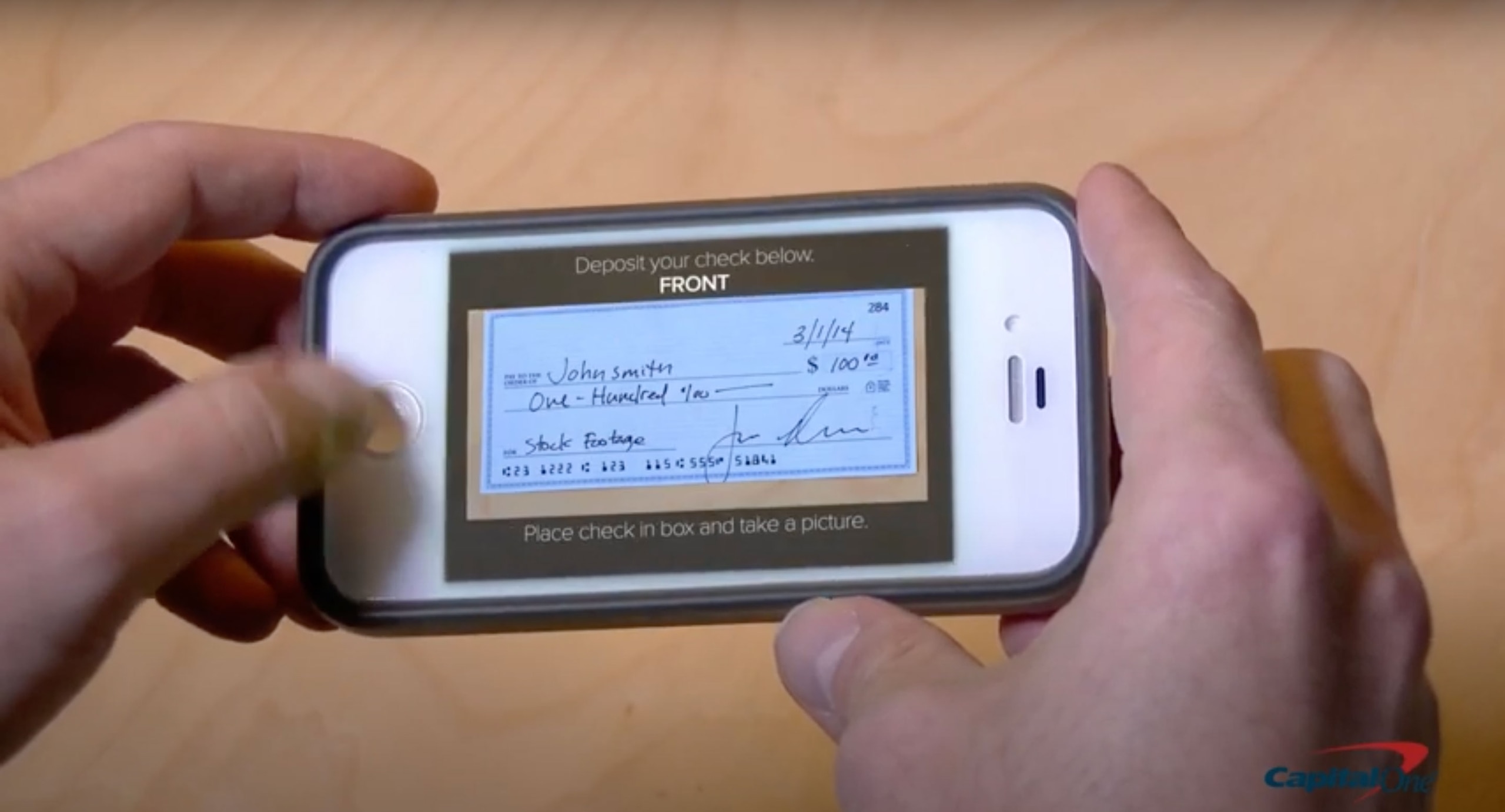
Mobile Deposit (Remote Deposit Capture) is the most popular method for Capital One 360 customers.
-
Cutoff Time: For Capital One, the daily cutoff for mobile deposits is generally 9:00 PM Eastern Time. Deposits made before this time are considered received on that business day.
-
Availability: Typically, for well-maintained accounts, a portion of the check (often up to $225) is available the next business day. The full amount is usually cleared within two business days. However, for larger checks or newer accounts, Capital One may extend this to five business days.
Deposit via Capital One Cafés and Branches
Depositing a check in person at a Capital One Branch or a Capital One Café often provides the most immediate clarity.
- Availability: If you deposit a check with a teller before the branch closes (usually 5:00 PM local time), it is processed that same day. You may find that funds are available faster because the physical check has been verified by a staff member on-site.
ATM Deposits
Capital One’s network of ATMs, including those at Target and CVS, allows for check deposits.
-
Cutoff Time: The cutoff for ATM deposits is typically 8:00 PM or 9:00 PM local time.
-
Availability: These often mirror mobile deposit timelines, but there is a slight delay as the physical check must eventually be collected and verified if the ATM does not utilize real-time imaging technology.
Why Your Deposit Might Be Delayed: Common Hold Triggers
While Capital One strives for rapid processing, several “red flags” or logistical hurdles can trigger a hold on your funds. Understanding these can help you anticipate delays in your personal or business cash flow.
New Account Status
If your Capital One account has been open for less than 30 days, you are in a high-risk window. Banks are traditionally more cautious with new relationships because there is no established history of successful deposits. During this period, Capital One may hold the entirety of a check for up to five or even seven business days to ensure the issuing bank honors the payment.

Large Deposit Amounts
Capital One may apply “Large Deposit” holds on checks exceeding $5,525. Under Regulation CC, banks are permitted to hold the amount over $5,525 for a longer duration—often up to seven business days. This is a protective measure against high-value fraud.
Frequent Overdrafts and Account History
Your “financial reputation” with Capital One matters. If your account has a history of frequent overdrafts or if you have had checks returned unpaid in the past six months, the bank is more likely to place an “Exception Hold” on your deposits. This extends the clearing time as the bank waits for the funds to be fully collected from the payer’s institution.
External Factors: The Issuing Bank
Sometimes the delay has nothing to do with Capital One. If the bank the check is drawn from is slow to respond or if the check is an international item, the process slows down significantly. Foreign checks can take weeks to clear, as they must pass through international clearinghouses and currency exchange protocols.
Navigating Specific Check Types
Not all checks are created equal. The source of the funds plays a massive role in how quickly Capital One will release the money to your available balance.
Government and Official Checks
Checks issued by the U.S. Treasury (such as tax refunds or Social Security payments), cashier’s checks, and certified checks are considered “low risk.” In most cases, if deposited in person to a teller, these funds are available the next business day in their entirety. Even when deposited via mobile, Capital One prioritizes these items for faster clearing.
Personal and Business Checks
These carry the highest risk of being returned for “Non-Sufficient Funds” (NSF). Consequently, they are the most likely to be subjected to the standard two-to-five-day clearing window. If the check is from an out-of-state bank, the clearing process may occasionally lean toward the longer end of that spectrum.
Maximizing Your Cash Flow: Strategies for Faster Check Clearing
For those who rely on timely deposits for bill payments or investments, waiting five days for a check to clear can be a significant hurdle. Here are professional strategies to ensure you get your money as quickly as possible.
1. Prioritize Direct Deposit
Whenever possible, opt for Direct Deposit or ACH transfers over physical checks. These electronic transfers are processed through the Automated Clearing House network and are often available at Capital One the same day they are received—sometimes even two days early with Capital One’s “Early Payday” feature.
2. Observe Cutoff Times Rigorously
A deposit made at 9:05 PM ET on a Friday is technically not received until Monday. This adds three days to your wait time. By ensuring your mobile deposits are completed well before the 9:00 PM ET cutoff, you can shave days off the total wait time.
3. Use the “Check Services” Feature in the App
Capital One’s mobile app provides real-time notifications. Monitor your “Pending” transactions. If a hold is placed, the app will usually specify the date the funds will be released. Being proactive allows you to adjust your spending or move funds from a savings account to cover immediate needs.
4. Verify the Check Details
Simple errors are a leading cause of deposit delays. Ensure the check is signed by the payer, endorsed by you on the back (ideally with “For Mobile Deposit at Capital One only”), and that the written amount matches the numerical amount. Any discrepancy can trigger a manual review, which adds 24 to 48 hours to the process.

The Capital One Advantage: Digital Efficiency
Despite the standard holds required by risk management, Capital One remains one of the most efficient institutions for check processing. Their investment in AI-driven image recognition for mobile deposits means that most checks are verified instantly. For the average user with a healthy account history, the “Next Day Availability” for the first $225 is a consistent and reliable feature.
In conclusion, while the standard answer to “how long does it take” is typically one to two business days, savvy users must account for the 9:00 PM cutoff, the “Business Day” definition, and the potential for holds on large or unusual deposits. By understanding these mechanics, you can master your personal finances and ensure that your capital is always where you need it, when you need it.
aViewFromTheCave is a participant in the Amazon Services LLC Associates Program, an affiliate advertising program designed to provide a means for sites to earn advertising fees by advertising and linking to Amazon.com. Amazon, the Amazon logo, AmazonSupply, and the AmazonSupply logo are trademarks of Amazon.com, Inc. or its affiliates. As an Amazon Associate we earn affiliate commissions from qualifying purchases.