
In the landscape of professional sports, time is more than just a regulatory constraint; it is a commodity. For Major League Soccer (MLS), the duration of a match—standardized yet subject to the variability of “stoppage time”—dictates the league’s commercial value, broadcasting strategy, and overall financial health. While a casual fan might ask how long a game lasts to plan their afternoon, investors and brand partners ask the same question to calculate return on investment (ROI) and ad-inventory exposure.
Generally, an MLS match spans approximately 115 to 125 minutes from the opening whistle to the final signal. This window includes two 45-minute halves, a 15-minute halftime interval, and the increasingly influential “added time.” Understanding the nuances of this timeframe is essential for grasping the business model of North American soccer.

The Anatomy of an MLS Match Clock: Beyond the 90 Minutes
The fundamental structure of an MLS game is rooted in the IFAB Laws of the Game, which dictate two 45-minute halves. However, from a business and logistics perspective, the game is never just 90 minutes. The elasticity of soccer’s clock is one of its most unique financial attributes compared to the rigid, stop-start nature of the NFL or NBA.
The Role of Stoppage Time in Commercial Exposure
In recent seasons, there has been a global push, mirrored by MLS, to increase “effective playing time.” This has resulted in longer periods of stoppage time—often exceeding 10 minutes per game. From a financial standpoint, these extra minutes are premium real estate. The tension is at its peak, viewership numbers typically spike during the final moments, and on-field digital board advertisements receive their highest engagement.
For broadcasters, the unpredictability of stoppage time creates a challenge for “programming out,” but it offers a unique “live-drama” premium that few other sports can replicate. In the MLS-Apple TV era, where linear time slots are less restrictive than traditional cable, these extra minutes represent bonus content that keeps users within the ecosystem longer without increasing production overhead.
Halftime: The 15-Minute Revenue Hub
The 15-minute interval between halves is perhaps the most concentrated period of financial activity in a stadium. For the club, this is the peak window for high-margin concession sales and merchandise turnover. For broadcasters, it is the primary block for long-form commercial inventory and sponsored studio analysis. The rigid 15-minute limit ensures a predictable flow, allowing advertisers to time their campaigns with precision, ensuring that the “Money Minute” (the minute before play resumes) is maximized for brand visibility.
The Commercial Value of Professional Soccer Time
The duration of an MLS game is a critical factor in the league’s $2.5 billion broadcasting deal with Apple. Unlike the four-hour marathons often seen in Major League Baseball or the frequent commercial interruptions in the NFL, MLS offers a “lean-in” experience with a predictable two-hour commitment. This efficiency is a major selling point for the league’s brand identity and its attractiveness to high-net-worth investors.
Streamlined Broadcasting and Global Appeals
The “two-hour window” is a goldmine for international rights. Because an MLS game starts and ends within a predictable timeframe, it is easier to slot into international broadcast schedules in Europe, South America, and Asia. This predictability reduces the “spillover” risk that plagues other sports, where a game running long might bump a news program or another high-value broadcast. For investors, this makes MLS a “low-friction” export, increasing the potential for global ad-revenue sharing.
Ad Inventory and the Lack of Commercial Breaks
Soccer is famously “commercial-free” during play. This creates a scarcity of ad space, which paradoxically drives up the price of the inventory that does exist. Since brands cannot interrupt the 45-minute halves, they pivot toward jersey sponsorships (kit partners), sleeve patches, and “presented by” integrations. The length of the game determines the “dwell time” of these logos on the screen. If a game lasts 120 minutes including pre-game and stoppage, a primary kit sponsor like Alaska Airlines or Target gains 120 minutes of continuous brand impressions, a feat unattainable in sports with frequent cuts to commercial breaks.
Betting Markets and the Financial Volatility of Stoppage Time
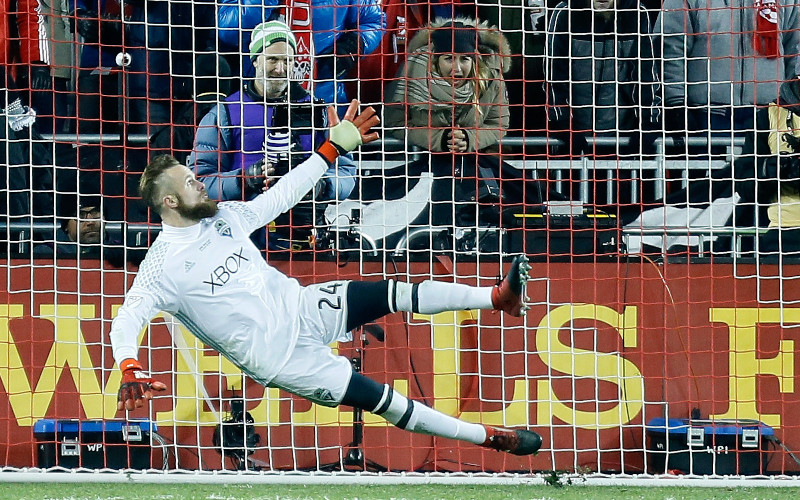
The duration of MLS games has a direct correlation with the burgeoning sports betting industry, a sector that now contributes significantly to the league’s ecosystem through partnerships and fan engagement. The final minutes of an MLS match are among the most volatile and high-volume periods for live, “in-play” betting.
The “90th Minute” Economy
In-game betting markets rely on the clock. As a match approaches the 90-minute mark, the odds for “Next Goal Scored” or “Final Result” fluctuate wildly. The length of stoppage time—whether it’s three minutes or nine—can result in millions of dollars in swung handle for sportsbooks. MLS has embraced this by integrating betting data into its digital platforms, recognizing that the longer a game stays competitive in added time, the higher the “handle” (total amount wagered) becomes.
Risk Management for Investors
For those investing in sports betting technology or platforms, the consistency of MLS game lengths provides a stable environment for algorithmic modeling. Unlike sports that can go into indefinite overtime (like baseball), most MLS regular-season games end in a draw after the 90+ minute mark. This “fixed-end” nature allows for more accurate risk assessment and liquidity management for betting operators, making MLS a favored product for the gambling industry’s bottom line.
Fan Engagement and the “Dollar-Per-Minute” Metric
When analyzing the financial viability of an MLS franchise, one must look at the “Fan Cost Index” and the value the consumer receives for their time. In a professional landscape where attention is the ultimate currency, the 115-minute MLS experience is positioned as a premium, high-density entertainment product.
Stadium Logistics and Concessions Revenue
Every minute a fan spends in the stadium has a calculated value. MLS clubs spend millions on stadium infrastructure (like the billion-dollar projects in St. Louis or Los Angeles) to ensure that the time spent outside the 90 minutes of play is also monetized.
The duration of the pre-game “fan zone” experience, combined with the game length, determines the total “dwell time.” If a game is too short, concession revenue drops. If it is too long, labor costs for stadium staff (security, vendors, janitorial) begin to eat into the night’s margins. MLS has found a “sweet spot” where the game is long enough to justify a $50–$100 ticket price but short enough to keep operational overhead controlled.
Subscription Retention in the Digital Age
With the transition to the MLS Season Pass on Apple TV, the “length” of a game is also measured in digital retention. Longer games with more stoppage-time drama lead to higher “minutes viewed” metrics, which are the primary currency for digital platforms. High retention rates signal to potential sponsors that the MLS audience is captive and engaged, allowing the league to command higher rates for digital ad insertions and “exclusive content” sponsorships.
Future Financial Trends: Timing Regulation and Profitability
As the MLS continues to evolve, the way it manages the clock will likely change to further align with commercial interests. Discussions regarding “effective playing time”—where the clock stops when the ball is out of play—could fundamentally shift the league’s financial structure.
The Shift Toward Effective Playing Time
If MLS were to move toward a 60-minute “stop-clock” format (similar to basketball but with longer periods), the total duration of the broadcast would become more consistent, even if the “real-time” length increased. This would allow for even more precise ad-slotting and could potentially open the door for “micro-breaks” that would revolutionize the league’s revenue per match. While purists resist this, the financial incentive to have a “guaranteed” broadcast window is a powerful motivator for league executives and team owners looking to maximize the valuation of their franchises.

Investment Outlook for MLS Franchises
The predictability and efficiency of the MLS game length contribute to the rising valuations of its teams. With the average MLS franchise now valued at over $500 million—and some exceeding $1 billion—the “product” must remain tight, exciting, and commercially viable. The roughly two-hour commitment of an MLS game fits perfectly into the modern consumer’s lifestyle, making it a “growth stock” in the world of professional sports.
In conclusion, how long an MLS game lasts is a question that sits at the intersection of sport and high-finance. The 115 to 125 minutes of a typical matchday are meticulously managed to maximize ad impressions, betting volume, and stadium revenue. As the league grows, the clock will remain its most valuable asset, ensuring that every second of “stoppage time” is accounted for on the balance sheet.
aViewFromTheCave is a participant in the Amazon Services LLC Associates Program, an affiliate advertising program designed to provide a means for sites to earn advertising fees by advertising and linking to Amazon.com. Amazon, the Amazon logo, AmazonSupply, and the AmazonSupply logo are trademarks of Amazon.com, Inc. or its affiliates. As an Amazon Associate we earn affiliate commissions from qualifying purchases.