
For most people, purchasing a home represents the single largest financial commitment of their lives. Beyond the excitement of finding the perfect property, a critical decision awaits: choosing the right mortgage term. The length of your house loan, often referred to as the mortgage term, is far more than just a number; it’s a fundamental financial lever that dictates your monthly payments, the total interest you’ll pay over decades, and the speed at which you build equity in your home. Understanding the various terms available and their profound implications is essential for any savvy homebuyer or homeowner looking to refinance.
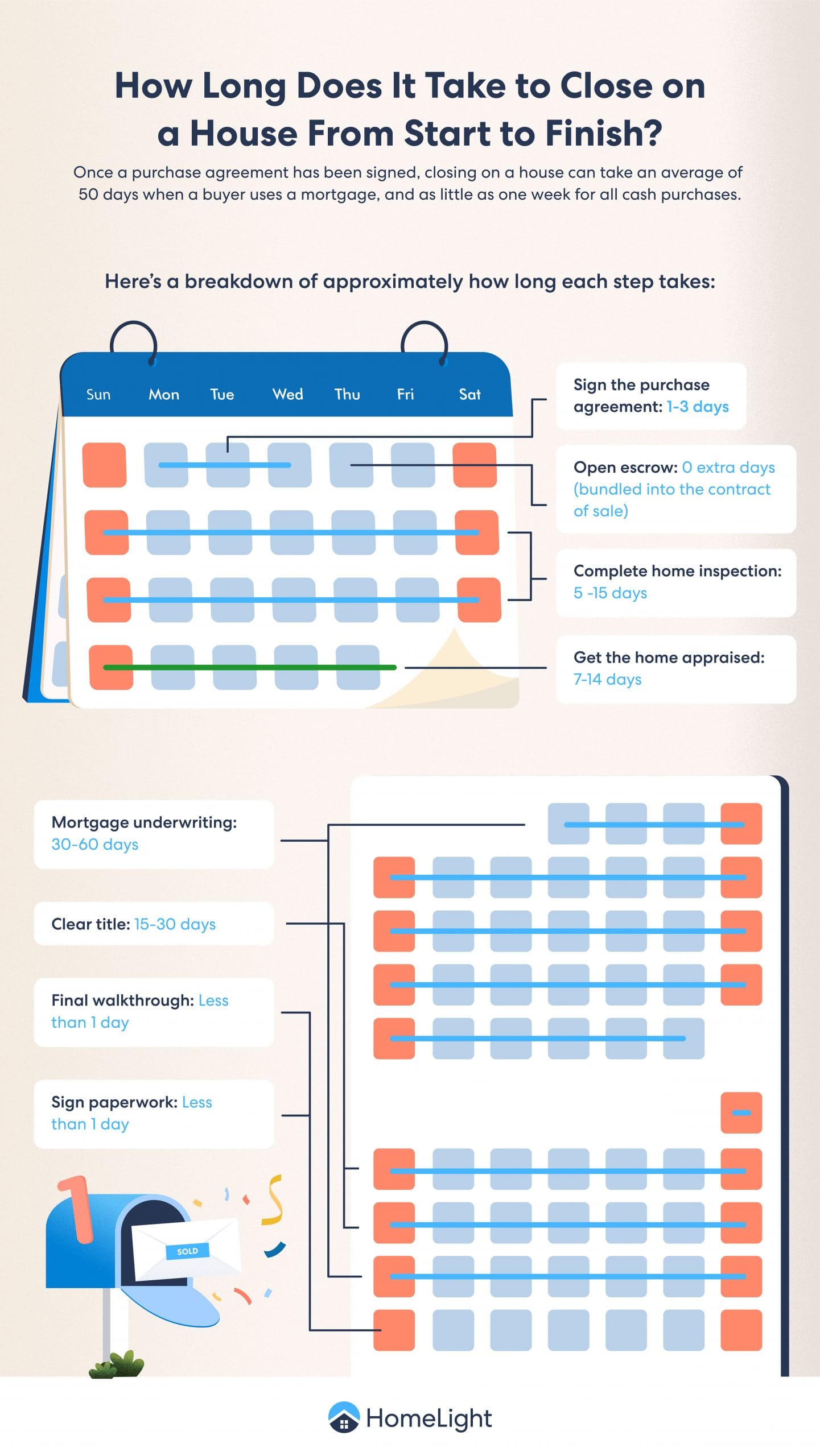
This article delves into the standard mortgage durations, explores the factors that should influence your decision, dissects the financial ramifications of different choices, and provides insights into optimizing your mortgage strategy for long-term financial health.
The Standard Mortgage Terms: A Foundation for Homeownership
The mortgage market offers a range of loan durations, each designed to cater to different financial situations and goals. While innovation continues to introduce new products, a few terms have become industry standards, forming the bedrock of home financing.
The 30-Year Fixed-Rate Mortgage: The American Standard
Without a doubt, the 30-year fixed-rate mortgage is the most popular choice among homebuyers in the United States. Its appeal stems primarily from its affordability. By spreading the principal and interest payments over three decades, this loan structure results in the lowest possible monthly payment compared to shorter terms for the same loan amount and interest rate. This lower payment provides greater financial flexibility, making homeownership accessible to a wider range of individuals and families. The “fixed-rate” component means that your interest rate and, consequently, your principal and interest payment, will remain constant for the entire 30-year duration, offering unparalleled predictability and protection against rising interest rates. This stability is a significant advantage, allowing homeowners to budget with confidence and sleep soundly knowing their housing costs won’t unexpectedly increase. However, the trade-off for this flexibility and predictability is that you will pay substantially more in total interest over the life of the loan compared to shorter terms, as the interest accrues for a longer period.
The 15-Year Fixed-Rate Mortgage: A Path to Faster Equity
For those with stronger financial positions or a desire to pay off their home sooner, the 15-year fixed-rate mortgage presents an attractive alternative. As its name suggests, this loan is paid off in half the time of a 30-year mortgage. While the interest rate on a 15-year loan is often slightly lower than a 30-year loan, the monthly payments are significantly higher because you’re paying off the same principal amount in fewer installments. The immediate benefit of a 15-year term is the dramatic reduction in the total interest paid over the life of the loan. By accelerating the repayment schedule, homeowners save tens, even hundreds of thousands of dollars in interest, effectively making their home much cheaper in the long run. Furthermore, a 15-year mortgage allows homeowners to build equity at a much faster pace, providing quicker access to home equity lines of credit or the ability to sell their home with a larger portion of the sale price representing pure profit. This option is ideal for individuals or couples who prioritize long-term savings and financial freedom, or those nearing retirement who wish to eliminate housing debt before their income streams change.
Other Common Terms: ARMs and Shorter Durations
Beyond the dominant 30- and 15-year fixed-rate options, the market offers other terms. Adjustable-Rate Mortgages (ARMs) typically feature an initial fixed-rate period (e.g., 5, 7, or 10 years), after which the interest rate adjusts periodically based on a market index. While ARMs can offer lower initial interest rates, their unpredictable nature means future payments could increase, introducing a level of risk. Shorter fixed-rate terms, such as 10-year or 20-year mortgages, also exist, providing middle-ground options for those who want to pay off their loan faster than 30 years but find the 15-year payment too steep. These options, while less common, cater to specific niches within the homebuyer demographic.
Factors Influencing Your Mortgage Term Decision
Choosing the right mortgage term isn’t a one-size-fits-all decision. It requires a thorough assessment of your current financial situation, future goals, and risk tolerance. Several key factors should guide your choice.
Monthly Payment Affordability vs. Total Interest Paid
This is often the primary trade-off. A longer term means lower monthly payments, which can free up cash flow for other expenses, investments, or simply provide a larger financial cushion. However, this flexibility comes at the cost of significantly more interest paid over time. Conversely, a shorter term demands higher monthly payments but drastically reduces the total interest, saving you a substantial sum over the life of the loan. Homebuyers must honestly evaluate their budget to determine the maximum comfortable monthly payment without stretching themselves too thin. It’s crucial to consider not just your current income, but also potential future income changes, job stability, and other financial obligations.
Interest Rate Environment and Market Volatility
The prevailing interest rate environment plays a significant role. In a low-interest-rate environment, the difference in total interest paid between a 15-year and a 30-year mortgage might be less stark, making the 30-year option even more attractive due to its affordability. However, when interest rates are high, opting for a shorter term can lock in a lower rate and save you more by reducing the exposure to the higher rate for fewer years. Furthermore, market volatility, while primarily impacting ARMs, can also influence fixed-rate terms as lenders price in future economic expectations. Understanding the broader economic landscape can help inform your decision.
Personal Financial Goals and Future Plans
Your personal financial philosophy and future aspirations are paramount. Do you prioritize minimizing debt and achieving mortgage-free living as quickly as possible? Or do you prefer lower payments to maximize investments in retirement accounts, college funds, or other ventures that could potentially offer a higher return than the interest saved on a mortgage? For some, the peace of mind that comes with paying off a mortgage quickly outweighs the potential for higher investment returns. For others, particularly younger buyers, leveraging a lower monthly payment to invest aggressively might align better with their long-term wealth accumulation strategies. Life events like starting a family, career changes, or planning for retirement also significantly influence how long you want to be saddled with a mortgage payment.
Age and Retirement Planning
Age is another critical consideration, especially as one approaches retirement. Many individuals aim to pay off their mortgage before retiring, ensuring stable housing costs during a period of potentially reduced income. For someone in their 50s, a 15-year mortgage might be a strategic move to eliminate housing debt by their mid-60s. A younger borrower in their 20s or 30s might opt for a 30-year mortgage to keep payments low, allowing them to focus on career development, saving for other goals, and building an emergency fund, with the possibility of refinancing to a shorter term later or making extra payments to accelerate repayment.
The Financial Implications of Different Loan Durations
The choice of mortgage term has profound and lasting financial implications that extend beyond just the monthly payment amount. These ripple effects touch various aspects of your financial life.
Calculating Total Interest Over the Life of the Loan
This is arguably the most significant financial difference between mortgage terms. A 30-year fixed-rate mortgage will cost significantly more in total interest than a 15-year fixed-rate mortgage for the same principal amount, even if the interest rate on the 30-year is only slightly higher. For example, a $300,000 loan at 7% interest would incur approximately $418,650 in interest over 30 years, resulting in total payments of $718,650. The same loan at 6.5% interest over 15 years would incur only about $166,800 in interest, with total payments of $466,800. The difference is staggering, highlighting the long-term cost of stretching out payments. Understanding and calculating these figures is crucial for making an informed decision.
Building Home Equity: Speed and Strategies
Equity is the portion of your home that you truly own, calculated as your home’s current market value minus your outstanding mortgage balance. A shorter mortgage term dramatically accelerates equity accumulation. With a 15-year loan, a larger portion of your early monthly payments goes towards principal reduction compared to a 30-year loan, where interest consumes a much larger share of initial payments. Faster equity build-up provides several benefits: quicker access to home equity lines of credit (HELOCs) or home equity loans for other financial needs, a larger financial cushion if you need to sell your home, and greater financial security.
Impact on Debt-to-Income Ratio and Future Borrowing
Your debt-to-income (DTI) ratio is a key metric lenders use to assess your ability to manage monthly payments and repay debts. A lower monthly mortgage payment (resulting from a longer term) contributes less to your overall DTI, potentially making it easier to qualify for other loans (e.g., car loans, personal loans) or credit in the future. Conversely, a higher monthly payment from a shorter term will increase your DTI, which could limit your future borrowing capacity. This factor is particularly relevant for those who anticipate taking on other significant debt in the coming years.
Refinancing as a Strategy to Adjust Loan Length
It’s important to remember that your initial mortgage term isn’t necessarily set in stone for the entire duration. Refinancing allows homeowners to replace their existing mortgage with a new one, often with different terms. You might start with a 30-year fixed-rate mortgage for affordability, and later, once your income increases or financial situation improves, refinance into a 15-year term to save on interest and pay off the loan faster. Conversely, if unforeseen financial difficulties arise, a homeowner with a shorter term might refinance into a longer term to reduce their monthly payments, though this would incur additional interest over the long run. Refinancing should always be carefully considered, as it involves closing costs and fees that can offset potential savings.
Beyond the Basics: Understanding Amortization and Prepayment
While the loan term defines the repayment period, two other critical concepts further illuminate the mechanics of your house loan and offer avenues for optimization: amortization and prepayment.
The Amortization Schedule Explained
Amortization refers to the process of paying off a debt over time in regular installments. An amortization schedule details each payment you make, showing how much goes towards interest and how much goes towards reducing the principal balance. In the early years of a standard mortgage, a disproportionately large portion of your monthly payment goes towards interest, while only a small amount reduces the principal. As the loan matures, this ratio gradually shifts, with more and more of each payment contributing to principal reduction. Understanding this schedule highlights why a 30-year loan, despite having lower monthly payments, accrues so much more interest – you’re paying primarily interest for many years before making significant dents in the principal.
The Power of Prepayment: Shortening Your Loan and Saving Money
Regardless of your chosen mortgage term, the ability to make additional principal payments offers a powerful way to shorten your loan duration and save a substantial amount in interest. Even small, consistent extra payments can have a dramatic effect. For example, by simply paying an extra $100 on a 30-year mortgage each month, you could shave years off your loan and save tens of thousands of dollars in interest. The key is to ensure any extra payments are explicitly applied to the principal, not just held for future payments. Most lenders facilitate this, but it’s crucial to confirm.
Bi-Weekly Payments and Other Accelerated Strategies
Another popular strategy to accelerate repayment without significantly increasing your budget is bi-weekly payments. Instead of making one monthly payment, you make half of your monthly payment every two weeks. Since there are 52 weeks in a year, this results in 26 half-payments, which equates to 13 full monthly payments per year instead of 12. This “extra” payment each year goes directly to the principal, effectively shaving years off a 30-year mortgage and saving considerable interest. Other strategies include applying bonuses, tax refunds, or other windfalls directly to the principal balance, treating your mortgage as a priority debt to be eliminated.
Making the Right Choice for Your Financial Future
Choosing the length of your house loan is a deeply personal financial decision with long-term consequences. There is no universally “best” option; rather, there is a most suitable option for your unique circumstances.
Consulting with Financial Professionals
Before committing to a mortgage term, it is highly advisable to consult with a qualified mortgage lender and potentially a financial advisor. These professionals can provide personalized advice, run detailed amortization scenarios, and help you understand the full financial impact of each choice based on your income, expenses, credit score, and financial goals. They can also help you navigate the complexities of interest rates, closing costs, and future market predictions.
Personalizing Your Mortgage Strategy
Consider your life stage, career stability, income trajectory, risk tolerance, and overarching financial philosophy. Do you value peace of mind and debt freedom above all else? Or are you comfortable with longer debt periods if it means more liquidity for investments? Your mortgage should be an asset that facilitates your financial goals, not a burden that hinders them.

The Long-Term View: Adaptability and Review
Finally, approach your mortgage decision with a long-term perspective, but also understand that it doesn’t have to be a static choice. Economic conditions change, interest rates fluctuate, and, most importantly, your personal financial situation will evolve. Regularly review your mortgage against your current financial standing. If interest rates drop significantly, refinancing might make sense. If your income increases, consider accelerating payments or refinancing to a shorter term. Your mortgage strategy should be adaptable, capable of evolving with you through the different phases of your financial life.
In conclusion, understanding “how long are house loans” involves much more than just knowing the numbers 15 or 30. It’s about grasping the intricate financial mechanics, recognizing the impact on your cash flow and wealth accumulation, and making a strategic choice that aligns with your present needs and future aspirations. By carefully weighing the options and planning thoughtfully, you can turn your mortgage from a mere debt into a powerful tool for achieving long-term financial security and homeownership success.
aViewFromTheCave is a participant in the Amazon Services LLC Associates Program, an affiliate advertising program designed to provide a means for sites to earn advertising fees by advertising and linking to Amazon.com. Amazon, the Amazon logo, AmazonSupply, and the AmazonSupply logo are trademarks of Amazon.com, Inc. or its affiliates. As an Amazon Associate we earn affiliate commissions from qualifying purchases.