
Navigating the financial markets in the current era requires more than just a cursory glance at daily price tickers. To understand how the stock market is performing right now, one must look at the intersection of cooling inflation, resilient corporate earnings, and the transformative impact of artificial intelligence. While the headline indices frequently touch record highs, the underlying mechanics of the market reveal a complex tapestry of high-valuation risks and sector-specific opportunities.
Currently, the stock market is characterized by a “risk-on” sentiment tempered by cautious optimism regarding the Federal Reserve’s monetary policy. Investors are moving away from the recessionary fears that dominated previous quarters, focusing instead on a “soft landing” scenario where inflation returns to target levels without triggering a significant economic contraction.
The Performance of Major Indices and the Concentration of Gains
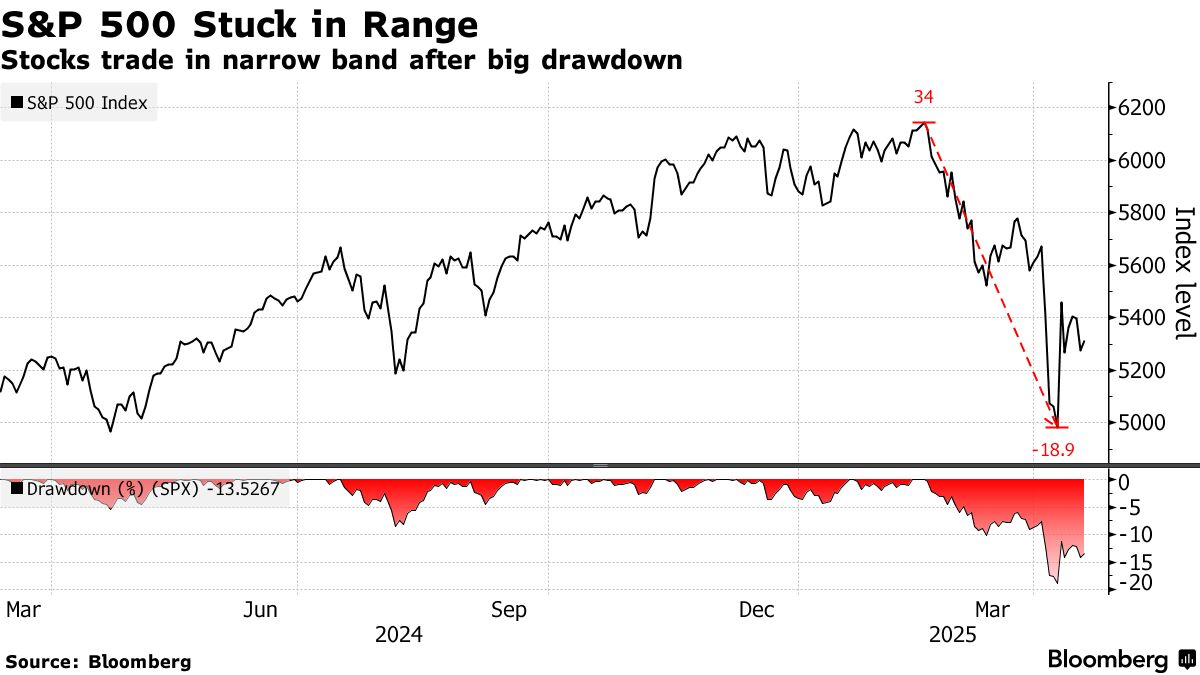
The most direct answer to “how is the stock market right now” can be found in the divergent performance of the major benchmarks. The S&P 500 and the Nasdaq Composite have shown remarkable resilience, largely driven by a handful of mega-cap technology companies. This concentration of wealth—often referred to in the context of the “Magnificent Seven”—has created a market environment where broad index performance may not accurately reflect the health of the average American company.
The Dominance of Growth and Technology
Growth stocks, particularly those tethered to the semiconductor and software industries, have led the charge. The Nasdaq, heavily weighted toward tech, has outperformed traditional value-oriented indices as investors bet on the long-term productivity gains promised by generative AI. This has led to a historical disparity in valuations, where a few companies trade at significant multiples of their earnings, while the rest of the “S&P 493” remains relatively undervalued or stagnant.
The Resilience of the Dow Jones Industrial Average
While the tech-heavy indices capture the headlines, the Dow Jones Industrial Average provides a different perspective. It reflects a more balanced view of industrial, financial, and healthcare sectors. Right now, the Dow shows that while the “hype” is in tech, the backbone of the economy—manufacturing and consumer goods—is maintaining steady, albeit slower, growth. This suggests that the market is not merely a speculative bubble but is supported by fundamental industrial activity.
Small-Cap Lag and the Russell 2000
A critical point of observation right now is the underperformance of small-cap stocks. The Russell 2000 has struggled to keep pace with its larger counterparts. This is primarily due to the sensitivity of smaller companies to high interest rates. Unlike cash-rich tech giants, smaller firms often rely on floating-rate debt to fund operations. As long as interest rates remain elevated, this segment of the market faces a “valuation ceiling” that prevents a broader market rally.
Macroeconomic Drivers: The Fed, Inflation, and Interest Rates
The “vibe” of the stock market right now is dictated almost entirely by the Federal Reserve’s narrative. We are currently in a transitionary period where the market is shifting its focus from how high rates will go to how long they will stay there.
The Federal Reserve’s “Higher for Longer” Stance
The central bank’s primary tool for fighting inflation—the federal funds rate—remains at a multi-decade high. The market is currently in a state of “data dependency.” Every jobs report and Consumer Price Index (CPI) release triggers immediate volatility. If the data shows a cooling economy, the market rallies on the hope of rate cuts. If the data shows a “hot” economy, the market retreats, fearing that the Fed will keep rates high to prevent an inflationary rebound.
Inflation and Consumer Spending
Inflation has significantly decelerated from its 2022 peaks, but it remains “sticky” in certain sectors like housing and services. The stock market is currently pricing in a gradual return to the 2% target. However, the true engine of the market—consumer spending—is showing signs of fatigue. With credit card delinquencies rising and excess pandemic savings depleted, investors are closely watching retail earnings to see if the American consumer can continue to support corporate profit margins.
The Yield Curve and Recession Signals
A technical but vital aspect of the market right now is the Treasury yield curve. It has remained inverted for a record period, a phenomenon that historically precedes a recession. However, the stock market has largely ignored this signal, betting that the current economic cycle is unique. This disconnect between the bond market (which signals caution) and the stock market (which signals growth) is one of the most intriguing tensions in finance today.
Sector Performance and the AI Revolution
To understand the market’s current state, one must look beneath the surface at individual sectors. The performance is far from uniform, creating a “stock picker’s market” where sector rotation is a key strategy.
The AI Infrastructure Boom
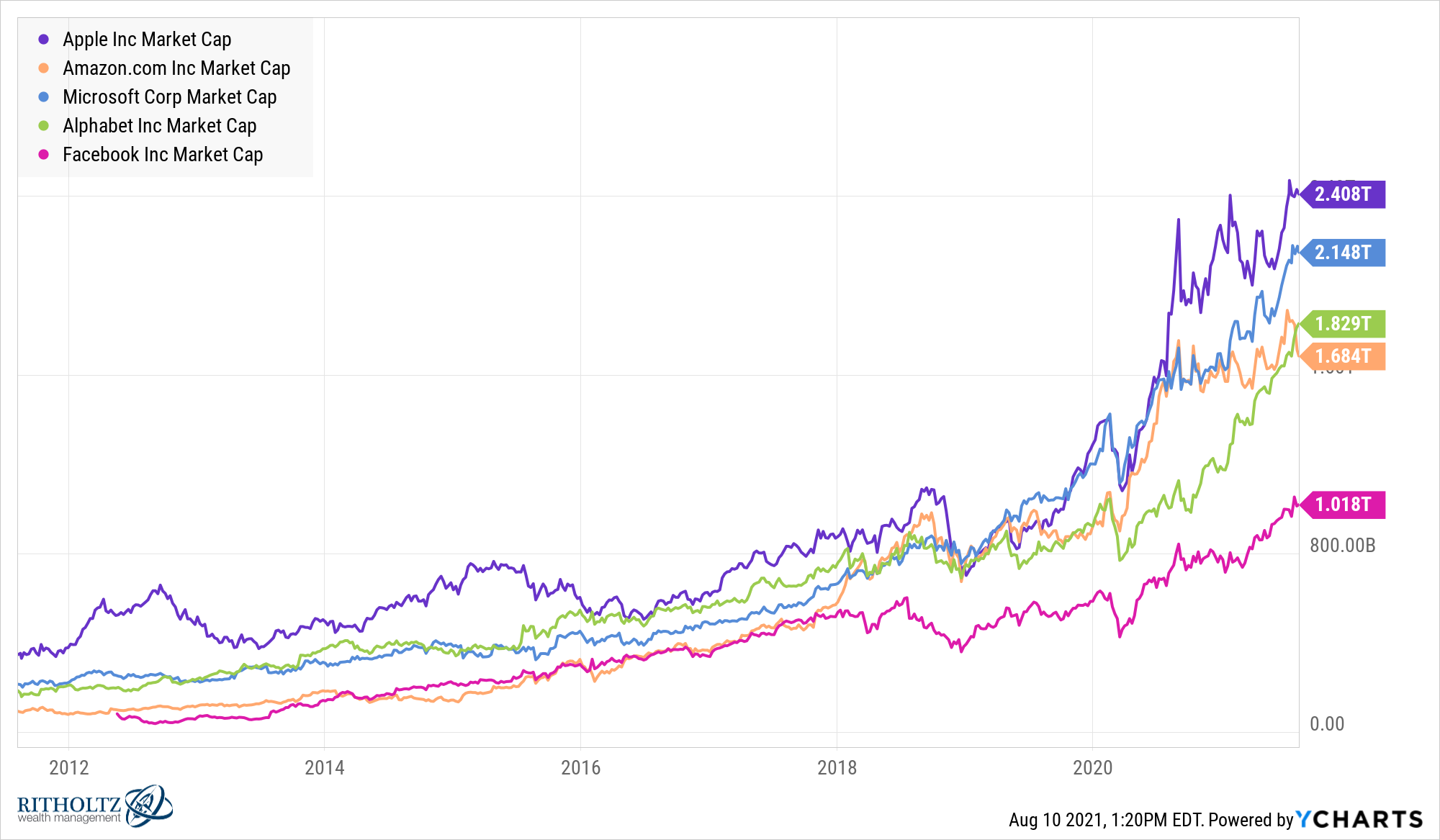
Technology is not just a sector right now; it is the primary market driver. The demand for GPUs (Graphics Processing Units) and data center infrastructure has sent companies like NVIDIA and Broadcom to astronomical heights. This is not purely speculative; these companies are reporting record-breaking revenues and net income. The market is currently distinguishing between “AI winners” (those providing the hardware) and “AI pretenders” (those merely using the buzzword without a clear monetization strategy).
Energy and Utilities: The Defensive Play
Interestingly, defensive sectors like Utilities have seen a resurgence. This is partly due to the massive energy requirements of AI data centers. Investors are realizing that to power the digital revolution, the physical grid needs a massive overhaul. Similarly, the Energy sector remains a hedge against geopolitical instability. With tensions in the Middle East and Eastern Europe, oil prices provide a floor for energy company valuations, making them a staple for diversified portfolios.
Financials and the Interest Rate Environment
The financial sector is in a unique position. High interest rates generally allow banks to charge more for loans (higher Net Interest Margins), but they also increase the risk of loan defaults. Right now, large institutional banks are showing strength, while regional banks continue to navigate the pitfalls of commercial real estate exposure. The market’s treatment of the financial sector reflects a broader trend of favoring “quality” and “liquidity” over high-leverage bets.
Key Risks and Volatility Indicators
While the market’s trajectory has been generally upward, several “black swan” risks and structural vulnerabilities remain. Understanding these is essential for anyone asking how the market is doing, as they represent the potential “tripwires” for the current bull run.
Geopolitical Instability
The stock market hates uncertainty, and the current geopolitical landscape is fraught with it. Conflicts in key shipping lanes and energy-producing regions create inflationary pressures that can disrupt the Fed’s plans. Furthermore, the ongoing trade tensions between the U.S. and China, particularly regarding semiconductor export controls, remain a significant risk for the tech sector.
Corporate Debt and Refinancing Walls
A looming concern for the market is the “maturity wall.” Many corporations took out low-interest debt during the 2020-2021 period. As these debts mature in the coming years, companies will be forced to refinance at significantly higher rates. This could eat into corporate earnings and lead to a wave of credit downgrades, particularly for “zombie companies” that have only survived due to cheap capital.
Valuation Extremes and Market Sentiment
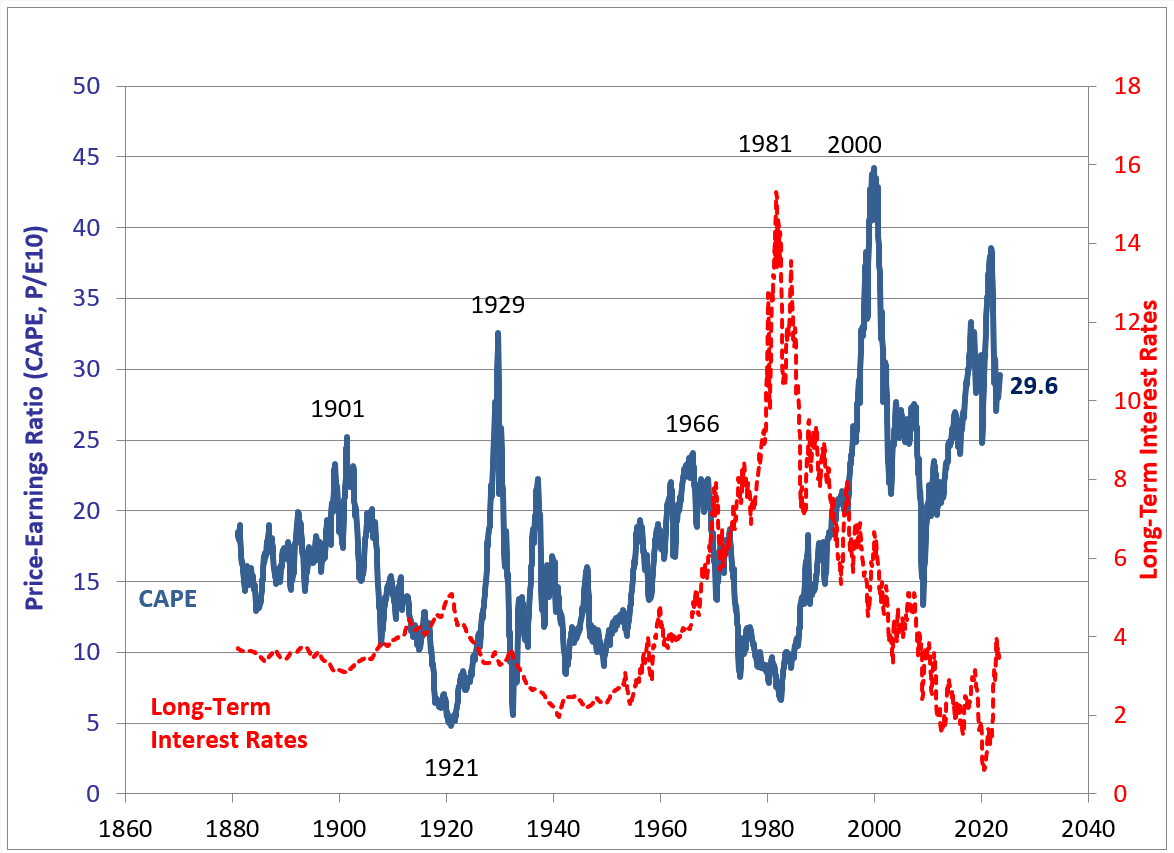
By historical standards, the S&P 500’s Price-to-Earnings (P/E) ratio is elevated. This means investors are paying more for each dollar of profit than they have on average over the last 30 years. High valuations leave little room for error. If a major tech company misses earnings expectations even slightly, the “contagion” can spread quickly, leading to sharp, short-term corrections.
Strategies for Investors in the Current Environment
Given the nuances of the market right now, a “buy and hold” strategy remains effective, but it requires a more tactical approach to diversification and risk management.
The Importance of Diversification
Because a few tech stocks are doing the heavy lifting, many investors are unknowingly over-exposed to a single sector. Rebalancing into equal-weighted indices or looking toward international markets and emerging economies can provide a safety net if the tech trade begins to unwind.
Focus on Quality and Cash Flow
In a high-interest-rate environment, cash is king. Investors are currently prioritizing companies with “fortress balance sheets”—those with low debt, high margins, and consistent free cash flow. These companies are best positioned to weather economic volatility and continue paying dividends, providing a total return that isn’t purely dependent on stock price appreciation.
Dollar-Cost Averaging Amidst Volatility
With the market at or near all-time highs, many fear “buying the top.” However, timing the market is notoriously difficult. A disciplined approach of dollar-cost averaging—investing a fixed amount at regular intervals—allows investors to participate in the market’s growth while mitigating the risk of a sudden downturn.
Conclusion: A Market of Resilience and Transformation
In summary, the stock market right now is a tale of two economies. On one hand, you have the high-flying, AI-driven technology sector that is pushing indices to new heights. On the other hand, you have the “old economy” sectors and small-cap firms that are grinding through the challenges of high interest rates and cautious consumer behavior.
The market is currently healthy but fragile. It is supported by strong earnings and the promise of technological innovation, but it remains sensitive to the Federal Reserve’s every word and the shifting winds of global politics. For the modern investor, the key is to stay informed, remain diversified, and focus on the long-term fundamentals rather than the short-term noise of the daily trading floor.
aViewFromTheCave is a participant in the Amazon Services LLC Associates Program, an affiliate advertising program designed to provide a means for sites to earn advertising fees by advertising and linking to Amazon.com. Amazon, the Amazon logo, AmazonSupply, and the AmazonSupply logo are trademarks of Amazon.com, Inc. or its affiliates. As an Amazon Associate we earn affiliate commissions from qualifying purchases.