
Understanding the current state of the stock market requires more than a glance at a daily ticker or a brief look at a percentage change on a smartphone app. The market is a complex, living ecosystem influenced by a myriad of factors including macroeconomic data, corporate earnings, geopolitical shifts, and investor psychology. To answer the question of how the market is doing now, one must synthesize these disparate elements to form a cohesive picture of the financial landscape. Currently, the market is navigating a period of cautious optimism, characterized by a transition from inflationary fears toward a focus on sustainable growth and the long-term impact of technological innovation.
The Performance of Major Benchmarks and Market Indices
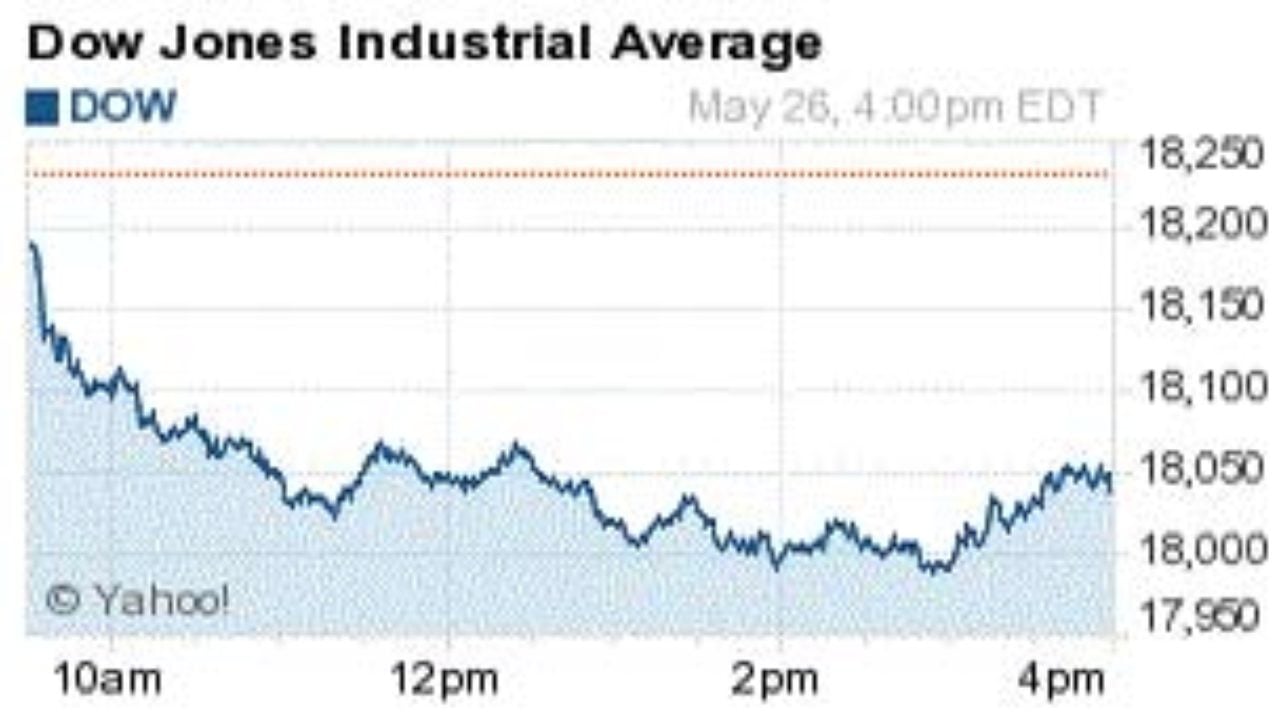
When assessing the health of the stock market, the first point of reference is almost always the major indices: the S&P 500, the Dow Jones Industrial Average (DJIA), and the Nasdaq Composite. These benchmarks provide a high-level overview of different segments of the economy and currently reflect a market that is largely resilient despite significant headwinds.
The S&P 500: A Gauge of Broad Economic Health
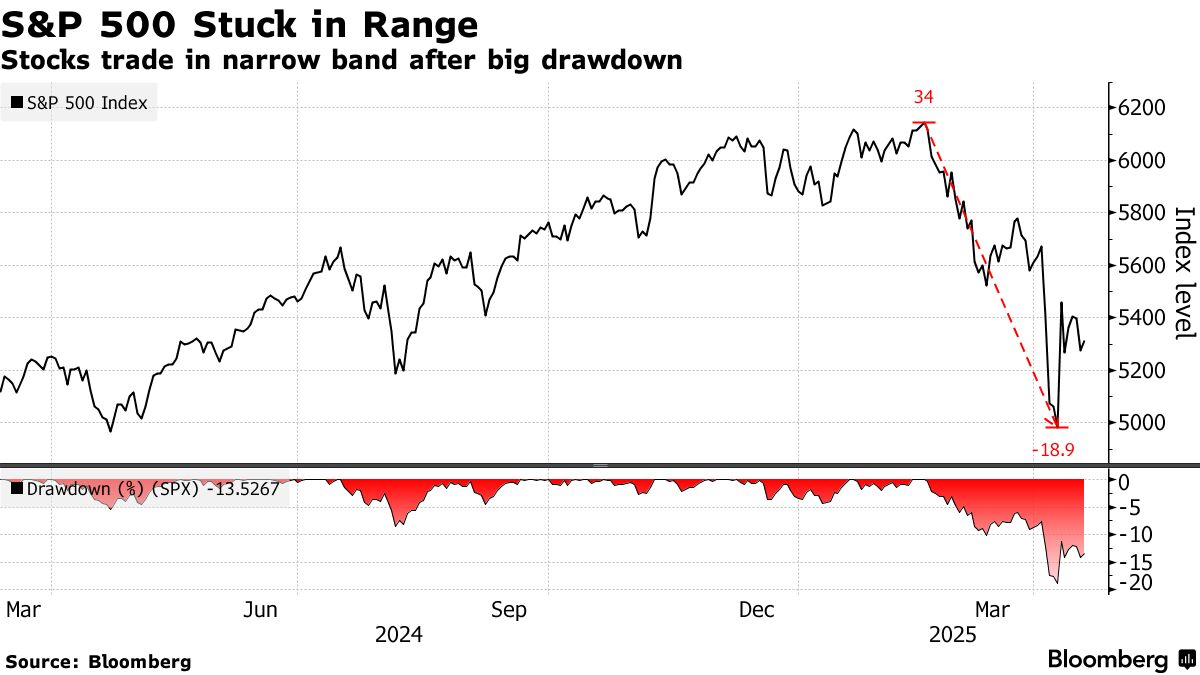
The S&P 500, often considered the most accurate representation of the U.S. economy, has recently shown remarkable strength. This strength is largely attributed to a concentration of high-performing large-cap companies. While the index has faced periods of volatility, its recovery and subsequent push toward new heights suggest that investors remain confident in the profitability of America’s largest corporations. However, a deeper look reveals a “narrow” market breadth, where a small handful of mega-cap stocks are responsible for a disproportionate share of the index’s gains. This concentration poses a risk, as the overall market health becomes heavily dependent on the performance of a few key players.
The Nasdaq and the Tech-Led Rally
The Nasdaq Composite, heavily weighted toward technology and growth stocks, has been the standout performer in the recent market cycle. This is driven by an unprecedented surge in interest surrounding artificial intelligence (AI) and semiconductor manufacturing. As companies integrate AI into their core business models, investors have flocked to the sector, driving valuations to levels not seen in years. This “AI gold rush” has decoupled the Nasdaq from some of the more traditional economic indicators, as growth expectations for tech giants often outweigh immediate concerns regarding interest rates or consumer spending.
The Dow Jones Industrial Average: Stability Amidst Change
The Dow Jones, composed of 30 “blue-chip” companies, offers a different perspective. It tracks the performance of established industrial, financial, and consumer goods companies. While it may not see the explosive growth of the Nasdaq, the Dow’s steady performance reflects the underlying stability of the traditional economy. In the current environment, the Dow serves as a defensive bulwark; when tech stocks face corrections due to overvaluation, capital often rotates into the Dow’s more value-oriented components, providing a stabilizing effect on the broader market.
Macroeconomic Drivers: Interest Rates, Inflation, and the Fed
The primary driver of market sentiment over the past twenty-four months has been the Federal Reserve’s monetary policy. The shift from a “zero-interest-rate policy” (ZIRP) to a significantly higher rate environment has fundamentally changed the calculus for investors and businesses alike.
The Pivot from Inflation to Growth
For a long period, the market’s primary concern was runaway inflation. As the Consumer Price Index (CPI) climbed, the Federal Reserve responded with a series of aggressive interest rate hikes designed to cool the economy. We are now in a phase where inflation is showing signs of normalization. The market is currently “doing” well because it is pricing in a “soft landing”—a scenario where inflation returns to the Fed’s 2% target without triggering a deep recession. This shift in narrative has allowed the stock market to transition from a defensive posture to one focused on future growth opportunities.
The Impact of “Higher for Longer” Rates
Despite the cooling of inflation, the Fed has maintained a “higher for longer” stance regarding interest rates. This environment creates a challenging backdrop for companies with high debt loads or those that rely on cheap capital to fund expansion. In the current market, we are seeing a divergence between “quality” companies—those with strong balance sheets and high cash flow—and “zombie” companies that struggle to service their debt in a high-rate environment. For the investor, this means the market is currently rewarding fiscal discipline and profitability over speculative growth.
Employment Data and Consumer Spending
Consumer spending accounts for nearly two-thirds of the U.S. GDP, making labor market data a critical component of stock market performance. Currently, the labor market remains relatively tight, which supports consumer spending and, by extension, corporate revenues. As long as unemployment remains low, the stock market has a foundational floor. However, investors are closely watching for any signs of cracking in the labor market, as a sudden spike in unemployment could lead to a rapid reassessment of equity valuations.
Corporate Earnings and Sector Rotation
Beyond the “macro” view, the stock market’s performance is ultimately a reflection of corporate earnings. The “how is it doing” question is answered every quarter when public companies open their books to the public.
The Resilience of Corporate Profitability
Recent earnings seasons have been surprisingly robust. Despite higher input costs and wage growth, many companies have successfully maintained their profit margins through price increases and efficiency gains. This ability to pass costs on to consumers has been a key reason why the market has not plummeted under the weight of higher interest rates. Investors are currently looking for companies that demonstrate “pricing power”—the ability to raise prices without significantly impacting demand.
The Shift Toward Value and Cyclical Sectors
While technology has dominated the headlines, there is an ongoing rotation into other sectors. Energy, healthcare, and financials are seeing renewed interest as investors seek to diversify away from the high valuations of the tech sector. Financials, in particular, benefit from a higher interest rate environment as net interest margins expand. This sector rotation is a healthy sign for the market, as it indicates that the rally is broadening out beyond just a few tech names, creating a more sustainable long-term trajectory.
The Role of Stock Buybacks and Dividends
Another factor supporting the market right now is the return of capital to shareholders. Large-cap companies are sitting on significant cash reserves, which they are using to fund massive stock buyback programs and increase dividends. Buybacks reduce the number of shares outstanding, which can artificially boost earnings per share (EPS) and provide a “bid” under the stock price. This trend provides a safety net for the market, as corporate demand for their own shares offsets some of the selling pressure from institutional or retail investors.
Investor Sentiment and the Psychology of the Market
The stock market is often driven as much by emotion as it is by math. Current market sentiment can be described as “climbing a wall of worry.” There are numerous reasons for the market to fall—geopolitical tensions, political uncertainty during election cycles, and debt ceiling debates—yet the market continues to trend upward.
The Fear of Missing Out (FOMO)
In the current tech-driven rally, FOMO has played a significant role. As certain stocks see parabolic moves, retail and institutional investors alike feel pressured to allocate capital to those areas to avoid underperforming their peers or benchmarks. This creates a feedback loop that drives prices higher, often beyond what fundamental analysis would suggest is reasonable. Understanding this psychological component is essential to grasping why the market remains elevated despite underlying economic risks.
The Volatility Index (VIX) and Risk Perception
The VIX, often referred to as the “fear gauge,” has remained at relatively low levels recently. This suggests that investors are not currently pricing in a major “black swan” event. However, a low VIX can sometimes indicate complacency. When the market is “doing well” but everyone is relaxed, it can be vulnerable to sudden shocks. Professional investors are currently balancing their portfolios by utilizing hedging strategies to protect against a sudden spike in volatility while still participating in the upward momentum.
The Future Outlook: What to Watch Moving Forward
To understand how the market is doing now, one must also look at where it is going. The “now” is simply a bridge between past performance and future expectations.
Technological Disruption as a Permanent Tailwind
The integration of AI, biotechnology, and renewable energy into the global economy represents a structural shift. These aren’t just temporary trends; they are long-term drivers of productivity. The stock market is currently in the early stages of pricing in these efficiencies. Even if there are short-term corrections, the underlying theme of technological disruption provides a strong long-term bull case for equities.
Geopolitical Stability and Trade Policy
The global nature of the stock market means that events in Europe, the Middle East, and Asia have an immediate impact on domestic indices. Current market performance is sensitive to supply chain stability and international trade relations. Any escalation in regional conflicts or a shift toward more protectionist trade policies could introduce friction into the global economy, impacting the multinational corporations that dominate the major indices.
The Importance of Long-Term Perspective
In conclusion, the stock market is currently characterized by a robust, tech-led rally supported by a stabilizing macroeconomic environment and strong corporate earnings. While risks remain—particularly regarding high valuations and the potential for “higher for longer” interest rates—the market has shown a remarkable ability to absorb shocks and continue its upward trajectory. For the individual investor, “how the market is doing” is less important than “how the market is positioned” for their specific financial goals. By focusing on quality, diversification, and a long-term time horizon, investors can navigate the current market landscape with confidence, recognizing that while short-term fluctuations are inevitable, the long-term trend of the equity markets has historically been one of growth and resilience.
aViewFromTheCave is a participant in the Amazon Services LLC Associates Program, an affiliate advertising program designed to provide a means for sites to earn advertising fees by advertising and linking to Amazon.com. Amazon, the Amazon logo, AmazonSupply, and the AmazonSupply logo are trademarks of Amazon.com, Inc. or its affiliates. As an Amazon Associate we earn affiliate commissions from qualifying purchases.