
In the dynamic world of finance, few metrics capture the pulse of the American stock market and broader economy quite like the S&P 500 index. Comprising 500 of the largest U.S. publicly traded companies, it serves as a critical barometer for investors, economists, and policymakers alike. Its performance not only reflects the health and profitability of its constituent companies but also offers profound insights into consumer confidence, business sentiment, and global economic trends. Understanding “how the S&P 500 is doing” is therefore much more than tracking a number; it’s about discerning the complex interplay of forces shaping our financial landscape and making informed decisions in an ever-evolving market.
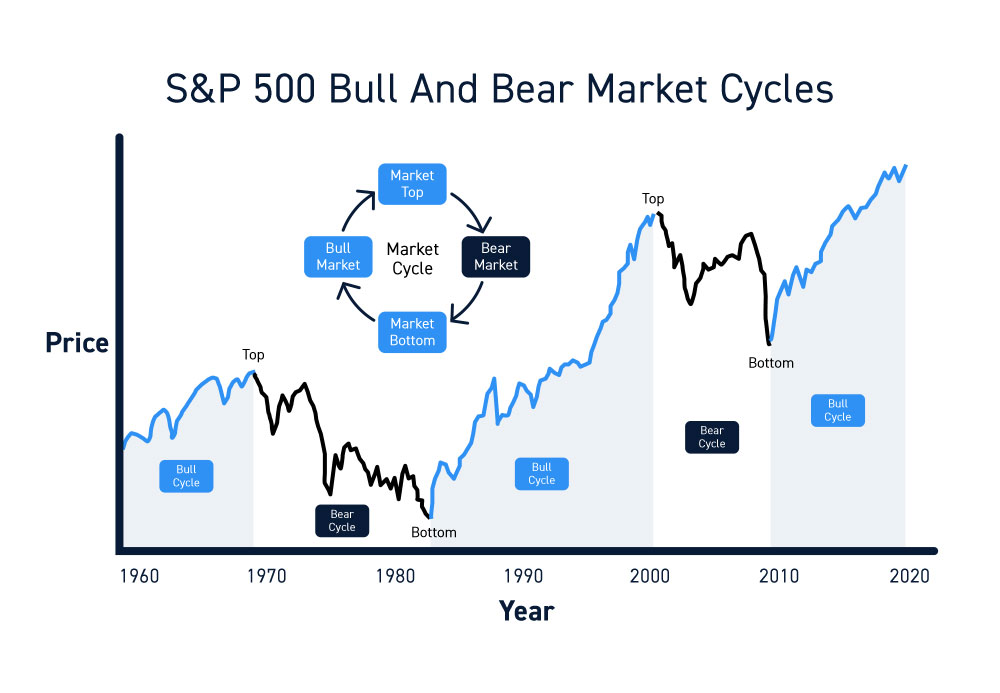
This article delves into the current state of the S&P 500, exploring the key drivers behind its recent movements, the broader economic context influencing its trajectory, and what its performance signifies for investors seeking to navigate the complexities of the market. We’ll examine the forces at play, from corporate earnings and technological innovation to monetary policy and geopolitical shifts, offering a comprehensive perspective on this pivotal index.
Understanding the S&P 500: A Benchmark of Market Health
Before we assess its current performance, it’s crucial to grasp what the S&P 500 represents and why it holds such significant sway over financial discourse. It’s not merely a list of companies; it’s a meticulously crafted index designed to be a leading indicator of the U.S. stock market’s overall health.
What is the S&P 500?
The S&P 500, or the Standard & Poor’s 500, is a market-capitalization-weighted index that tracks the performance of 500 of the largest publicly traded companies in the United States. Unlike the Dow Jones Industrial Average, which is price-weighted and contains only 30 stocks, the S&P 500 is broad-based, representing approximately 80% of the total market capitalization of the U.S. equity market. This broad representation makes it an excellent proxy for the overall health of the American economy.
The companies included in the S&P 500 are selected by a committee at S&P Dow Jones Indices based on criteria such as market size, liquidity, public float, sector representation, and financial viability. This rigorous selection process ensures that the index remains relevant and reflective of the leading sectors and companies driving economic growth. Because it is market-capitalization-weighted, companies with larger market values have a greater impact on the index’s performance. This means that giants like Apple, Microsoft, Amazon, and Alphabet (Google) can exert significant influence on the S&P 500’s daily movements.
Why Does the S&P 500 Matter to Investors?
For investors, the S&P 500 serves multiple vital functions. Firstly, it is widely considered the best single gauge of large-cap U.S. equities and a de facto measure of the health of the American economy. Its performance is often benchmarked against professional fund managers and used as a guide for broad market sentiment.
Secondly, many passive investment vehicles, such as exchange-traded funds (ETFs) and mutual funds, track the S&P 500. Investing in an S&P 500 index fund allows individuals to gain diversified exposure to a wide array of leading American companies with relatively low costs. This strategy aligns with the philosophy of long-term investing, providing a broad market return without the need for individual stock picking.
Finally, the S&P 500’s historical returns offer a crucial context for long-term financial planning. Despite periods of volatility and downturns, the index has demonstrated a remarkable ability to recover and deliver substantial returns over decades, underscoring the power of patient, diversified investing in the stock market.
Navigating Recent Performance and Key Drivers
The S&P 500’s performance is rarely a straight line; it’s a tapestry woven with threads of economic data, corporate news, and shifting investor psychology. To understand its current standing, we must look beyond daily fluctuations and identify the underlying forces at play.
A Snapshot of Current Trends
(As an AI, I don’t have real-time data, but I can discuss the types of trends one would observe.)
In recent periods, the S&P 500 has often demonstrated a blend of resilience and volatility, reflective of a complex global economic environment. We’ve seen moments of robust growth driven by strong corporate earnings and technological advancements, juxtaposed with periods of significant pullback fueled by inflation concerns, interest rate hikes, or geopolitical tensions. Market narratives frequently shift, moving from optimism about economic recovery to caution regarding potential recessions, and back again. Sector performance can vary dramatically, with certain industries like technology or healthcare sometimes leading the charge, while others may lag. This cyclical nature underscores the importance of a nuanced perspective rather than reacting to short-term noise. The “current trend” is often a story of navigating headwinds and tailwinds, with the index sometimes reaching new highs, only to face corrections or consolidate, as investors digest new information and adjust their outlook.
Economic Indicators and Corporate Earnings
The bedrock of S&P 500 performance lies in the health of the underlying economy and the profitability of its constituent companies.
- GDP Growth: A strong Gross Domestic Product (GDP) generally signals a healthy economy, which translates into higher corporate revenues and profits, thereby bolstering stock prices. Conversely, slowing GDP growth can dampen investor enthusiasm.
- Inflation: Persistent inflation can erode purchasing power and corporate profit margins, often prompting central banks to raise interest rates, which can make equities less attractive compared to fixed-income investments.
- Employment Data: Robust job growth and low unemployment rates indicate a strong consumer base with spending power, which is a significant driver for many companies within the S&P 500.
- Corporate Earnings Reports: Perhaps the most direct influence on individual stock prices, and by extension the S&P 500, are corporate earnings reports. Stronger-than-expected earnings and positive forward guidance can propel the index higher, while disappointments can lead to broad market sell-offs. Investors constantly scrutinize these reports for signs of revenue growth, profitability, and management’s outlook.
The Impact of Monetary Policy and Inflation
Central bank policies, particularly those of the U.S. Federal Reserve, wield immense power over financial markets.
- Interest Rates: When the Federal Reserve raises interest rates, it typically makes borrowing more expensive for businesses and consumers, potentially slowing economic growth. Higher rates also make fixed-income investments more appealing, drawing capital away from equities. Conversely, lower rates can stimulate economic activity and make stocks more attractive.
- Quantitative Easing/Tightening: Beyond interest rates, the Fed’s balance sheet policies (quantitative easing or tightening) affect liquidity in the financial system. Quantitative easing injects money, often boosting asset prices, while tightening removes it, which can have the opposite effect.
- Inflation Expectations: The market constantly assesses the Fed’s stance on inflation. If inflation is perceived to be under control, the Fed may adopt a more accommodative stance, which is generally positive for stocks. If inflation spirals, aggressive rate hikes become more likely, posing a challenge to equity valuations.
Decoding the Factors Influencing Market Momentum
Beyond the immediate economic data and corporate reports, several broader forces contribute to the S&P 500’s momentum, shaping its long-term trends and short-term volatility.
Technological Advancements and Sectoral Shifts
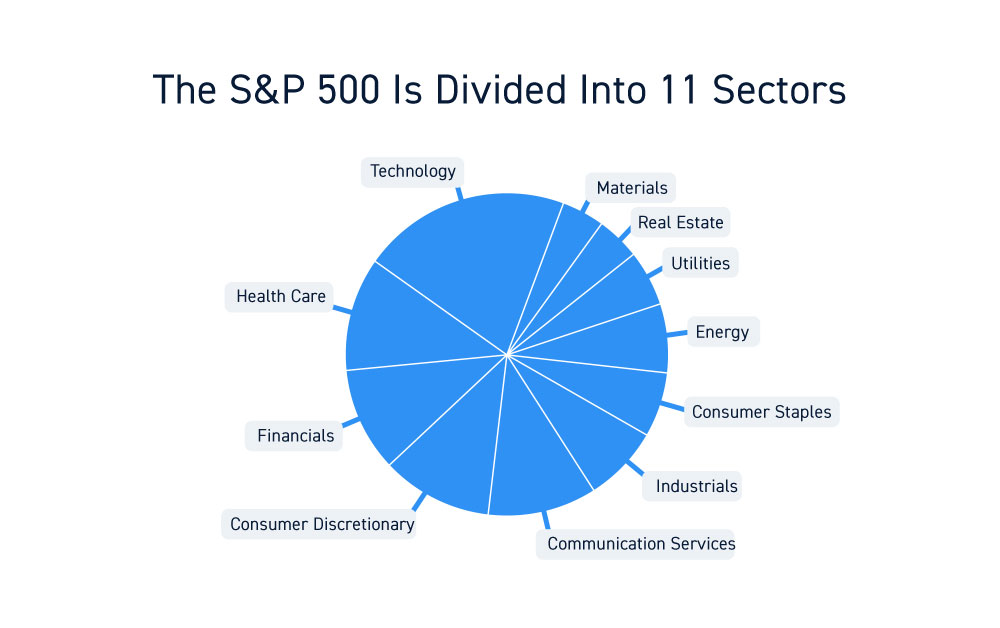
Technological innovation is a perpetual engine of market transformation. Companies at the forefront of AI, cloud computing, biotechnology, and renewable energy often experience significant growth, and their increasing market capitalization can drive the S&P 500 higher. These advancements can also lead to sectoral shifts, where older industries may decline in relative importance while new ones rise. For instance, the dominance of tech giants in the S&P 500 highlights the ongoing digital transformation of the global economy. Investors constantly seek to identify the next wave of disruptive technologies and the companies poised to capitalize on them. However, over-reliance on a few dominant sectors can also introduce concentration risk to the index.
Geopolitical Landscape and Global Economic Currents
The S&P 500, though primarily U.S.-focused, is not immune to global events. Geopolitical tensions, trade disputes, international conflicts, and global supply chain disruptions can all send ripples through the market. For example, a conflict in a major oil-producing region can send energy prices soaring, impacting inflation and corporate costs. Similarly, economic slowdowns in major trading partners can reduce demand for U.S. goods and services, affecting S&P 500 companies with significant international operations. Investors monitor global headlines closely, as these events can introduce uncertainty, increase risk premiums, and influence capital flows.
Consumer Confidence and Spending Habits
Consumer spending accounts for a substantial portion of economic activity in the U.S., making consumer confidence a crucial indicator for the S&P 500. When consumers feel secure about their job prospects, income, and the broader economy, they are more likely to spend on goods and services, which directly benefits a vast array of S&P 500 companies in retail, consumer discretionary, and financial sectors. Conversely, a decline in confidence can lead to reduced spending and economic contraction. Surveys of consumer sentiment provide valuable insights into future spending patterns and are closely watched by market participants.
What S&P 500 Performance Means for Your Portfolio
Understanding the S&P 500’s movements is essential for every investor, regardless of their individual holdings. Its performance offers context, dictates strategy, and highlights the importance of core investment principles.
Diversification and Risk Management
The S&P 500’s performance underscores the power of diversification. By tracking 500 companies across various sectors, it inherently offers a degree of diversification that individual stock picking often lacks. When one sector or company faces headwinds, others might be thriving, helping to smooth out overall returns. For individual investors, investing in an S&P 500 index fund is a foundational step in building a diversified portfolio, reducing idiosyncratic risk associated with single stocks. However, even the S&P 500 is subject to systemic market risk, emphasizing the need for broader asset allocation beyond just U.S. large-cap equities, potentially including international stocks, bonds, and other asset classes.
Long-Term vs. Short-Term Perspectives
One of the most profound lessons from the S&P 500’s history is the importance of a long-term perspective. While daily, weekly, or even monthly fluctuations can be dramatic and unsettling, the index has consistently trended upwards over decades, rewarding patient investors. Short-term performance can be influenced by noise, speculation, and emotional reactions to news. Long-term performance, however, is driven by fundamental economic growth, innovation, and corporate profitability. Attempting to time the market based on short-term S&P 500 movements is notoriously difficult and often leads to missing significant upswings.
The Role of Investor Psychology
Market performance is not solely driven by fundamentals; investor psychology plays a significant role. Fear and greed can lead to irrational buying or selling, creating market bubbles or panics that deviate from underlying economic realities. When the S&P 500 is surging, “fear of missing out” (FOMO) can draw in new investors, sometimes at unsustainable valuations. Conversely, during sharp downturns, panic selling can exacerbate losses. A disciplined, long-term approach, detached from emotional responses to market volatility, is crucial for successful investing, using the S&P 500 as a benchmark for rational evaluation rather than impulsive reaction.
Outlook and Strategic Considerations for the Future
The future trajectory of the S&P 500 will undoubtedly be shaped by a confluence of evolving factors. Predicting precise movements is impossible, but understanding potential scenarios allows for more robust investment planning.
Potential Headwinds and Tailwinds
Looking ahead, several factors could act as either headwinds or tailwinds for the S&P 500.
- Headwinds: Persistent inflation, aggressive interest rate hikes that tip the economy into recession, escalating geopolitical conflicts, severe supply chain disruptions, and regulatory crackdowns on major tech companies could all pose challenges. Furthermore, sustained high corporate debt levels or a slowdown in global trade could weigh on corporate profitability.
- Tailwinds: Conversely, cooling inflation allowing for more accommodative monetary policy, robust innovation driving productivity gains (e.g., in AI), strong consumer spending supported by wage growth, stabilization of geopolitical tensions, and effective government policies fostering economic growth could provide significant tailwinds. The ability of companies to adapt to changing consumer preferences and technological shifts will also be crucial.
Adapting Investment Strategies in a Dynamic Market
Given the evolving landscape, investors should periodically review and adapt their strategies. This doesn’t mean constant trading, but rather ensuring that one’s portfolio remains aligned with financial goals and risk tolerance.
- Diversification Remains Key: Re-evaluating asset allocation to ensure it remains appropriately diversified across different asset classes, geographies, and sectors can help mitigate risk.
- Focus on Fundamentals: In periods of uncertainty, emphasizing companies with strong balance sheets, consistent earnings, and clear competitive advantages can be a prudent strategy.
- Dollar-Cost Averaging: Continuing to invest a fixed amount regularly, regardless of market fluctuations, can smooth out returns over time, reducing the impact of volatility.
- Stay Informed but Avoid Overreaction: Keeping abreast of economic news and market analysis is important, but it should inform a disciplined approach rather than trigger impulsive decisions.

The Importance of Continuous Analysis and Prudent Decision-Making
Ultimately, “how the S&P 500 is doing” is a question with a constantly shifting answer. Its performance is a dynamic reflection of a complex and interconnected world. For investors, the key is not to chase daily returns or succumb to market anxieties, but to engage in continuous analysis, understand the underlying drivers, and make prudent, long-term decisions. By maintaining a disciplined approach, focusing on diversified growth, and understanding the macro and micro forces at play, investors can navigate the S&P 500’s journey and build resilient portfolios capable of weathering market storms and capitalizing on opportunities. The S&P 500 remains an indispensable tool for gauging market health, and its narrative will continue to be a central theme in the pursuit of financial wisdom.
aViewFromTheCave is a participant in the Amazon Services LLC Associates Program, an affiliate advertising program designed to provide a means for sites to earn advertising fees by advertising and linking to Amazon.com. Amazon, the Amazon logo, AmazonSupply, and the AmazonSupply logo are trademarks of Amazon.com, Inc. or its affiliates. As an Amazon Associate we earn affiliate commissions from qualifying purchases.