
Apple (NASDAQ: AAPL) stands as a titan in the global financial markets, a company whose every financial tremor sends ripples through investor portfolios worldwide. For millions, AAPL is more than just a stock; it’s a barometer for innovation, consumer sentiment, and the broader economic landscape. Understanding “how Apple stock is doing” requires a nuanced look beyond mere daily price fluctuations, delving into its financial health, growth drivers, strategic positioning, and the intricate web of macroeconomic factors influencing its valuation.
At its core, evaluating AAPL’s performance involves scrutinizing its income statements, balance sheets, cash flow, and market multiples, juxtaposed against its unparalleled market capitalization and a history of shareholder value creation. This deep dive aims to provide current and prospective investors with a comprehensive, professional, and insightful analysis of where AAPL stands today and what financial dynamics are shaping its trajectory.
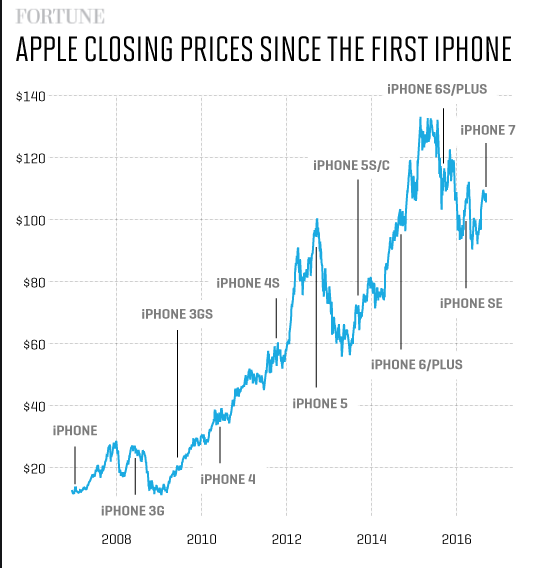
A Snapshot of AAPL’s Current Market Standing
Apple’s sheer scale is staggering. With a market capitalization often oscillating around the multi-trillion-dollar mark, it frequently ranks as one of the most valuable public companies globally. Its stock performance, while generally robust over the long term, is subject to a confluence of internal operational successes and external market pressures.
Recent Price Movements and Volatility
Analyzing AAPL’s stock performance begins with an examination of its recent price movements. Like any equity, AAPL experiences periods of appreciation and correction. Factors such as quarterly earnings reports, product launch cycles, analyst upgrades or downgrades, and broader market sentiment (e.g., shifts in interest rate expectations, inflation data, or geopolitical events) can induce significant volatility. A consistent pattern of year-over-year revenue and earnings growth, coupled with strategic capital allocation, has historically provided a strong underlying current for its stock price. However, even Apple is not immune to broader market downturns, often seeing its valuation pull back during periods of economic uncertainty or sector-wide sell-offs in technology. Investors must observe if recent movements represent a healthy consolidation, a market-wide correction, or a specific concern regarding Apple’s fundamentals.
Key Valuation Metrics
For discerning investors, raw stock price is only one piece of the puzzle. Valuation metrics offer a more profound insight into whether the stock is trading at a fair, overvalued, or undervalued price relative to its earnings, assets, and growth prospects.
- Price-to-Earnings (P/E) Ratio: This is a fundamental metric comparing Apple’s current share price to its earnings per share. A higher P/E ratio typically suggests investors are willing to pay more for each dollar of earnings, often implying expectations of higher future growth. Comparing AAPL’s P/E to its historical average, its industry peers (e.g., Microsoft, Alphabet), and the broader market (e.g., S&P 500 average) provides critical context. Apple, being a mature yet innovative growth company, often trades at a premium P/E, reflecting its consistent profitability and market dominance.
- Market Capitalization: As the product of share price and outstanding shares, Apple’s market cap signifies its total market value. Its ability to maintain a multi-trillion-dollar valuation speaks volumes about investor confidence in its continued financial strength and future growth avenues.
- Dividend Yield: Apple has been a consistent dividend payer, and while its yield (annual dividend per share divided by share price) might seem modest compared to some “value” stocks, it’s a testament to its prodigious free cash flow and commitment to returning capital to shareholders. The dividend’s steady growth is often a reassuring signal for long-term investors seeking income alongside capital appreciation.
- Enterprise Value (EV) to EBITDA: This metric provides an alternative valuation, considering debt and cash while focusing on operational profitability before non-cash expenses. For a cash-rich company like Apple, analyzing EV/EBITDA can offer a clearer picture of its underlying business value, less distorted by its substantial cash reserves.
Drivers of Apple’s Financial Performance
Apple’s financial might is built on a diverse, yet interconnected, ecosystem of products and services. Understanding these revenue streams and their individual performance is crucial for grasping the company’s overall financial health and its stock’s trajectory.
iPhone Sales and Services Growth
The iPhone remains Apple’s cornerstone, frequently accounting for a significant portion of its total revenue. The financial performance of the iPhone segment is heavily influenced by upgrade cycles, market penetration in emerging economies, and the competitive landscape. While unit sales can fluctuate, Apple’s ability to maintain high average selling prices (ASPs) and cultivate fierce brand loyalty ensures robust revenue generation.
Crucially, the “Services” segment has emerged as Apple’s fastest-growing and increasingly profitable division. This includes revenue from the App Store, Apple Music, iCloud, Apple TV+, Apple Pay, and advertising. The sticky nature of these subscription-based and transaction-based revenues provides a predictable and high-margin revenue stream, diversifying Apple’s financial dependency away from hardware sales cycles. The continued expansion and monetization of its services ecosystem are paramount for sustained financial growth and investor confidence.
Mac, iPad, and Wearables Contribution
While the iPhone dominates, other hardware categories contribute significantly to Apple’s top line. The Mac and iPad lines, catering to distinct user bases, continue to demonstrate resilience, particularly in professional and educational segments. Innovations in chip technology (e.g., Apple Silicon) have invigorated these product lines, leading to market share gains and improved profitability.
The “Wearables, Home, and Accessories” segment, which includes the highly successful Apple Watch and AirPods, represents a dynamic growth engine. These products leverage the Apple ecosystem, enhancing user experience and driving additional revenue. The robust performance of this segment highlights Apple’s capacity to innovate beyond its core products and capture new market opportunities, thereby bolstering its overall financial outlook.
Global Economic Headwinds and Tailwinds
Apple’s financial performance is inextricably linked to the global economic environment. Macroeconomic factors can act as significant headwinds or tailwinds for AAPL stock.
- Inflation and Interest Rates: High inflation erodes consumer purchasing power, potentially impacting demand for premium-priced Apple products. Rising interest rates can increase borrowing costs for Apple and, more broadly, make future earnings streams less valuable in discounted cash flow models, potentially suppressing stock valuations.
- Consumer Spending: Apple’s sales are highly sensitive to discretionary consumer spending. Economic downturns or uncertainty can lead consumers to delay upgrading devices, directly impacting revenue.
- Supply Chain Resilience: Disruptions in the global supply chain, whether due to geopolitical events, natural disasters, or pandemics, can impact production, product availability, and ultimately sales revenue and profitability. Apple’s ability to diversify its supply chain and manage logistics is critical for mitigating these risks.
- Currency Fluctuations: As a global company, Apple generates substantial revenue in various currencies. A strong U.S. dollar can translate to lower reported revenues and profits when foreign earnings are converted back, acting as a financial headwind.
Apple’s Financial Health and Strategic Outlook
Beyond revenue streams, Apple’s underlying financial health and its strategic direction are vital for long-term investor confidence. The company’s balance sheet strength and capital allocation decisions significantly influence its appeal as an investment.

Balance Sheet Strength and Cash Flow
Apple possesses one of the most robust balance sheets in corporate history. Its massive cash reserves and marketable securities provide immense financial flexibility, enabling strategic investments, acquisitions, and shareholder returns even during challenging economic periods. The company consistently generates prodigious amounts of free cash flow, which is the cash remaining after operating expenses and capital expenditures. This strong cash generation is a hallmark of a financially healthy and mature business, indicating its ability to self-fund growth, service debt, and return capital to shareholders. While Apple does carry some debt, its debt-to-equity ratio is manageable, especially when offset by its enormous cash holdings.
Capital Allocation Strategy
Apple’s approach to capital allocation is a key component of its shareholder value proposition.
- Share Buybacks: Apple has implemented one of the largest share buyback programs in corporate history. By repurchasing its own shares, the company reduces the number of outstanding shares, which can boost earnings per share (EPS) and often supports the stock price. This strategy signals management’s confidence in the company’s intrinsic value and its commitment to returning capital to shareholders.
- Dividend Policy: Alongside buybacks, Apple maintains a steadily growing dividend. This provides a consistent income stream for investors and underscores the company’s financial stability and ability to generate recurring profits.
- Strategic Investments and Acquisitions: While less frequent than some tech giants, Apple makes strategic acquisitions to bolster its technology stack, expand its services offerings, or enter new markets. These investments, funded by its cash hoard, are crucial for future growth.
Future Growth Vectors and Challenges
Apple is not resting on its laurels. The company actively pursues new growth avenues while navigating significant challenges.
- New Product Categories: The introduction of groundbreaking products like the Apple Vision Pro signals Apple’s commitment to entering new, high-potential markets. The success and market adoption of such innovations will be critical for future revenue expansion beyond its established product lines.
- Emerging Markets Expansion: Growth in markets like India, Southeast Asia, and parts of Africa represents a significant opportunity. Increasing affordability and internet penetration in these regions can unlock substantial new customer bases for Apple’s products and services.
- Competitive Landscape: Apple faces intense competition across all its product categories from formidable rivals like Samsung, Google, Microsoft, and various other hardware manufacturers and software developers. Sustained innovation and ecosystem strength are crucial for maintaining market share.
- Regulatory Scrutiny and Geopolitical Risks: Increasing global regulatory scrutiny over app store policies, competition, and data privacy poses potential financial and operational risks. Geopolitical tensions, particularly those impacting global supply chains or market access (e.g., U.S.-China relations), could also present significant challenges to Apple’s financial performance.
Analyzing AAPL as an Investment: Opportunities and Risks
For investors, a balanced view of AAPL necessitates weighing its inherent strengths against potential weaknesses and external threats.
Bull Case Arguments
- Unrivaled Brand Loyalty and Ecosystem Lock-in: Apple benefits from an incredibly loyal customer base and a tightly integrated ecosystem that encourages users to stay within its suite of products and services, fostering recurring revenue.
- Robust Services Growth: The high-margin and recurring nature of the Services segment provides a stable and growing revenue stream, reducing dependency on hardware refresh cycles and enhancing profitability.
- Financial Resilience and Cash Flow Generation: Apple’s immense cash reserves, strong balance sheet, and consistent free cash flow generation provide a buffer against economic downturns and fuel future growth initiatives and shareholder returns.
- Innovation Potential: Apple’s history of disruptive innovation suggests it has the capacity to create new product categories and maintain its leading position in existing ones.
Bear Case Arguments
- Dependence on iPhone: Despite diversification efforts, the iPhone still represents a substantial portion of Apple’s revenue. Any significant decline in iPhone sales or market share could severely impact financial results.
- Market Saturation: In many developed markets, smartphone penetration is nearing saturation, making significant unit growth challenging without aggressive market share gains.
- Regulatory Headwinds: Increased antitrust scrutiny and potential regulations targeting Apple’s App Store policies could impact its lucrative services revenue, forcing changes that reduce profitability.
- Geopolitical Risks: Exposure to manufacturing in specific regions and reliance on global supply chains make Apple vulnerable to geopolitical tensions and trade disputes.
- Valuation Concerns: Due to its premium status and consistent performance, AAPL often trades at a higher valuation multiple than the broader market, which some investors might consider expensive, potentially limiting future upside, especially if growth rates decelerate.
Analyst Sentiment and Price Targets
Wall Street analysts frequently cover Apple, offering a range of price targets and recommendations (Buy, Hold, Sell). While these opinions can vary, they often provide insights into short-term expectations for earnings, revenue, and product cycles. Monitoring the consensus among analysts can offer a snapshot of prevailing institutional sentiment, though independent research and a long-term perspective remain paramount for individual investors.
The Long-Term Perspective: Is AAPL Still a Buy?
Apple’s journey from a niche computer company to a global technology and financial behemoth has been one of the most remarkable stories in stock market history. Its consistent ability to innovate, build a powerful brand, and execute financially has rewarded long-term investors handsomely.
Historical Performance and Growth Trajectory
Looking back, AAPL has demonstrated a phenomenal growth trajectory, driven by revolutionary products like the iPod, iPhone, and iPad, coupled with relentless expansion into software and services. Its stock performance has significantly outpaced the broader market indices over decades, cementing its status as a premier growth investment. This historical context is vital for understanding its current positioning and future potential.
Diversification and Portfolio Strategy
For many investors, AAPL serves as a cornerstone of a diversified portfolio. Its sheer size and market influence mean it often acts as a bellwether for the broader technology sector and consumer discretionary spending. Depending on an investor’s risk tolerance and investment horizon, AAPL can fit into various strategies: as a growth stock with consistent earnings, a dividend-paying stock for income, or a large-cap anchor for stability.

Concluding Thoughts for Investors
Assessing “how Apple stock is doing” is an ongoing exercise in financial analysis, balancing current performance with future prospects. While Apple’s financial strength, innovation engine, and services growth provide a robust foundation, investors must remain cognizant of macroeconomic shifts, competitive pressures, and regulatory landscapes. For those with a long-term investment horizon and a belief in Apple’s continued capacity for strategic execution and innovation, AAPL continues to present a compelling case as a blue-chip holding. However, a prudent investor will always conduct their own due diligence, considering their personal financial goals and risk tolerance before making any investment decisions in this, or any, stock.
aViewFromTheCave is a participant in the Amazon Services LLC Associates Program, an affiliate advertising program designed to provide a means for sites to earn advertising fees by advertising and linking to Amazon.com. Amazon, the Amazon logo, AmazonSupply, and the AmazonSupply logo are trademarks of Amazon.com, Inc. or its affiliates. As an Amazon Associate we earn affiliate commissions from qualifying purchases.