
Divorce is often one of the most financially complex and emotionally challenging periods in an individual’s life. Beyond the division of assets and child custody arrangements, one of the most frequently contested and misunderstood aspects is spousal support, commonly known as alimony. In California, a community property state, the calculation of alimony is not a straightforward formula but rather a multi-faceted process guided by specific legal statutes, judicial discretion, and the unique circumstances of each case. Understanding how alimony is determined is crucial for anyone navigating a divorce in the Golden State, whether as a payor or a recipient. This comprehensive guide will demystify the process, illuminating the factors judges consider and the principles that underpin spousal support orders.
Understanding Alimony in California: The Basics of Spousal Support
Before delving into the intricate calculations, it’s essential to grasp the fundamental nature of alimony in California. Spousal support is financial assistance paid by one spouse to the other after a divorce or legal separation. Its primary purpose is to help the lower-earning spouse maintain a lifestyle reasonably comparable to the marital standard of living during the transition period post-divorce or, in some cases, for a longer duration.
What is Spousal Support?
In California, the legal term for alimony is “spousal support.” It is not punitive; rather, it aims to ensure that neither spouse is left in a state of financial destitution and to address economic imbalances that often arise when a marriage ends. For instance, if one spouse forewent career opportunities to raise children or support the other spouse’s career, spousal support can help mitigate the financial impact of those decisions. It acknowledges the economic partnership of marriage and seeks to balance financial outcomes after its dissolution.
Types of Alimony: Temporary vs. Permanent
California law generally distinguishes between two main types of spousal support, each calculated and approached differently:
-
Temporary Spousal Support: This type of support is ordered while the divorce proceedings are ongoing, from the time of separation until the final judgment of dissolution. Its purpose is to maintain the financial status quo and ensure both parties can meet their living expenses during the often lengthy divorce process. Temporary support is typically calculated using a guideline formula, making it more predictable.
-
Permanent Spousal Support (Long-Term): This support is ordered as part of the final judgment of divorce. Despite the name “permanent,” it doesn’t necessarily mean lifelong support. Its duration and amount are determined after considering a comprehensive set of statutory factors, with a greater emphasis on judicial discretion and the specific circumstances of the marriage and the parties involved.
Key Legal Principles Governing Spousal Support
California’s approach to spousal support is rooted in several key legal principles. Firstly, there is no automatic entitlement to alimony; it must be requested and justified. Secondly, the court aims for fairness and equity, though “equal” isn’t always “fair” in this context. Thirdly, for marriages of long duration (generally ten years or more), the court retains jurisdiction over spousal support indefinitely, meaning it can be modified or terminated in the future if circumstances change. For shorter marriages, there’s often an implicit understanding that support may last for approximately half the length of the marriage, though this is not a strict rule.
The Guideline Formula: Calculating Temporary Alimony
The calculation of temporary spousal support in California is often more mechanical than long-term support, primarily relying on mathematical formulas. These formulas are designed to provide a swift and predictable method for determining financial support during the interim period of a divorce.
Purpose of Temporary Alimony
The primary goal of temporary spousal support is to maintain the economic status quo for both parties while the divorce case progresses. This prevents one spouse from facing immediate financial hardship and ensures that both can continue to cover their basic living expenses and legal fees. It’s a pragmatic solution to manage finances during a period of significant upheaval.
How Guideline Support is Calculated
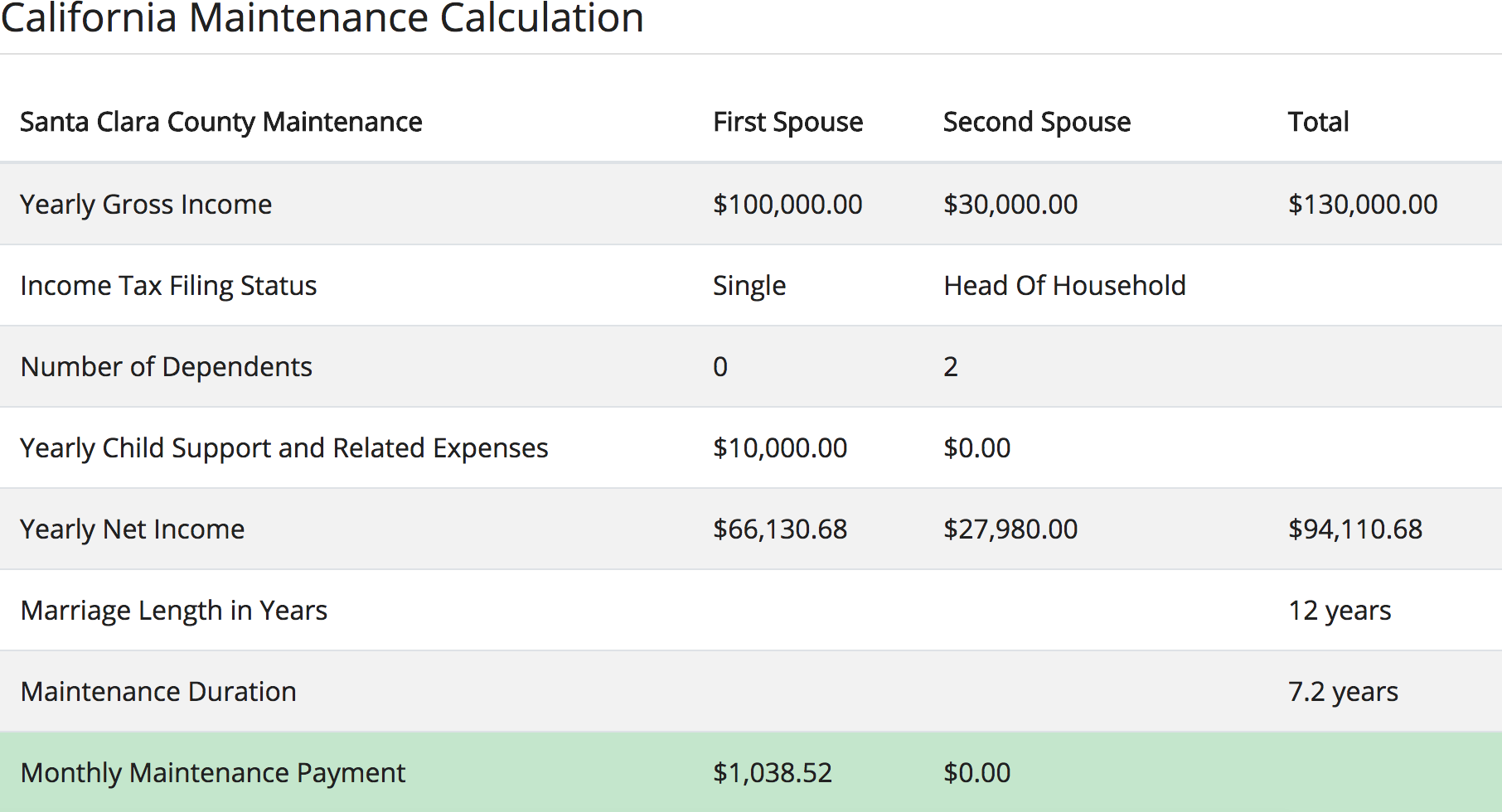
California courts typically use specific computer software programs, such as DissoMaster or XSpouse, to calculate temporary spousal support. While the exact formulas can vary slightly by county, they generally follow a similar structure, taking into account several critical financial inputs:
-
Gross Income of Both Spouses: This includes wages, salaries, bonuses, commissions, interest, dividends, rental income, and even certain types of benefits. The court aims to get a full picture of each party’s earning capacity.
-
Tax Deductions: Mandatory deductions like federal and state income taxes, FICA (Social Security and Medicare), and state disability insurance are factored in.
-
Child Support Payments: If child support is also being ordered, it is calculated first, and the resulting payments are factored into the income available for spousal support calculations. This is because child support takes precedence over spousal support.
-
Health Insurance Premiums: Payments for health insurance are often considered as a reduction in available income.
-
Deductible Interest & Property Taxes: Certain other deductions, like those for mortgage interest and property taxes, can also influence the calculation.
-
Prorated Time with Children: While more relevant for child support, the allocation of parental time can indirectly influence spousal support calculations as it impacts the overall financial picture and the child support calculations themselves.
The software takes these inputs and applies a formula (e.g., typically 40% of the high earner’s net monthly income minus 50% of the low earner’s net monthly income, adjusted for tax implications and child support). The result is a guideline amount that the court will generally order, though a judge retains some discretion to deviate if circumstances warrant it.
Software and Judicial Discretion
While these software programs provide a guideline, it’s crucial to remember that they are tools, not absolute dictators of the outcome. Judges can, and sometimes do, deviate from the guideline amount for temporary support if they find that the calculated amount would be unjust or inappropriate given the specific facts of the case. For instance, if one spouse has unusually high necessary expenses not reflected in the standard inputs, or if there’s a significant disparity in assets that impacts short-term liquidity, the judge might adjust the guideline amount.
Permanent Alimony: Factors for Long-Term Support
Unlike temporary support, which is formulaic, the determination of permanent (or long-term) spousal support is far more complex and discretionary. It occurs at the time of the final divorce judgment and requires the court to evaluate a comprehensive list of statutory factors outlined in California Family Code Section 4320.
The “Marital Standard of Living”
A central concept in long-term spousal support is the “marital standard of living.” The court’s primary objective is to determine the needs of the supported spouse in relation to the income and earning capacity of both parties, aiming to ensure the supported spouse can maintain a lifestyle reasonably commensurate with the one enjoyed during the marriage. This doesn’t mean an exact replication, as two households are generally more expensive than one, but rather a realistic assessment of the financial resources available and the lifestyle they supported.

California Family Code Section 4320 Factors
California Family Code Section 4320 lists numerous factors a judge must consider when making a permanent spousal support order. No single factor is paramount, and the court must weigh them all collectively to achieve a just and reasonable outcome. These factors include:
-
The Earning Capacity of Each Spouse: The court assesses not only current income but also the ability to earn income, considering factors like marketable skills, the job market, the extent to which education or training would enhance earning capacity, and the time and expense required for such training.
-
The Extent to which the Supported Spouse Contributed to the Supporting Spouse’s Education, Training, Career, or Professional License: This recognizes the economic sacrifices one spouse might have made for the other’s advancement.
-
The Ability of the Supporting Spouse to Pay Spousal Support: This involves considering their income, assets, and standard of living.
-
The Needs of Each Spouse Based on the Marital Standard of Living: This includes evaluating housing, food, clothing, medical care, and other expenses.
-
The Obligations and Assets (including Separate Property) of Each Spouse: A comprehensive view of each party’s financial picture is necessary.
-
The Duration of the Marriage: For longer marriages (ten years or more), the court typically retains indefinite jurisdiction over spousal support. For shorter marriages, support may be ordered for a period generally equal to half the length of the marriage.
-
The Age and Health of Each Spouse: Older or less healthy spouses may have a greater need for support or a reduced capacity to become self-supporting.
-
Documented History of Domestic Violence: If there’s a history of domestic violence perpetrated by the supporting spouse against the supported spouse, or against children of the marriage, this can negatively impact the perpetrator’s ability to receive support and may increase the amount or duration of support for the victim.
-
The Immediate and Specific Tax Consequences to Each Party: Alimony payments are no longer deductible for the payor or taxable to the recipient for divorces finalized after December 31, 2018, under federal law. However, state tax laws may still apply, and the court considers these implications.
-
The Balance of Hardships to Each Party: The court considers the relative financial struggles each party might face if support is or isn’t ordered.
-
The Goal That the Supported Spouse Shall Be Self-Supporting Within a Reasonable Period of Time: This is a significant factor, particularly for shorter marriages. It doesn’t mean immediate self-sufficiency but a reasonable timeframe for the supported spouse to acquire the necessary skills or education. For marriages of long duration, there is no presumption for the supported spouse to become self-supporting.
-
Any Other Factors the Court Deems Just and Equitable: This catch-all allows judges to consider unique circumstances not explicitly listed in the statute.
Judicial Discretion and Case-Specific Analysis
The weighing of these 4320 factors is highly subjective and falls squarely within the discretion of the presiding judge. Unlike the formulaic approach to temporary support, there is no single calculator for permanent alimony. Two different judges might arrive at slightly different conclusions given the same set of facts, emphasizing the importance of persuasive legal arguments, thorough financial disclosure, and skilled legal representation. The outcome is highly dependent on how effectively each party presents their case and how the judge interprets the interplay of these complex factors.
Modifying and Terminating Alimony Orders
Spousal support orders are not necessarily set in stone forever. California law provides mechanisms for modifying or even terminating support orders if there is a significant change in circumstances.
When Can Alimony Be Modified?
A spousal support order can be modified if there has been a “material change in circumstances” since the last order was made. This could include:
-
Significant Change in Income: A substantial increase or decrease in either spouse’s income (e.g., job loss, promotion, retirement).
-
Changes in Earning Capacity: If one spouse’s ability to earn income changes due to health issues, new skills, or market conditions.
-
Changes in Health: A serious illness or disability affecting either party’s ability to work or requiring significant medical expenses.
-
New Family Obligations: Such as a new child with another partner, though this typically doesn’t take precedence over existing obligations.
-
Retirement: The retirement of the payor spouse can be a basis for modification, though it must be a “good faith” retirement, not one intended to evade support.
It’s crucial to understand that a modification is not automatic. The party seeking the change must file a motion with the court and demonstrate the material change in circumstances.
Conditions for Termination
Spousal support automatically terminates upon the death of either spouse or the remarriage of the supported spouse. For marriages of less than ten years, support often has a built-in termination date, typically around half the length of the marriage. However, for long-term marriages, where the court retains indefinite jurisdiction, support may continue until the court orders its termination based on changed circumstances or other factors.
The Role of Cohabitation
In California, if the supported spouse cohabits with a nonmarital partner, there is a rebuttable presumption of a decreased need for spousal support. This means the court presumes the supported spouse’s need has lessened because their expenses are now being shared with a new partner. The burden of proof then shifts to the supported spouse to demonstrate that their need for support has not decreased despite the cohabitation. This presumption can significantly impact the amount or duration of support.
Navigating the Alimony Process
Given the complexities and discretionary nature of spousal support calculations, navigating this process effectively requires careful planning, diligent financial disclosure, and often, expert legal guidance.
Importance of Legal Counsel
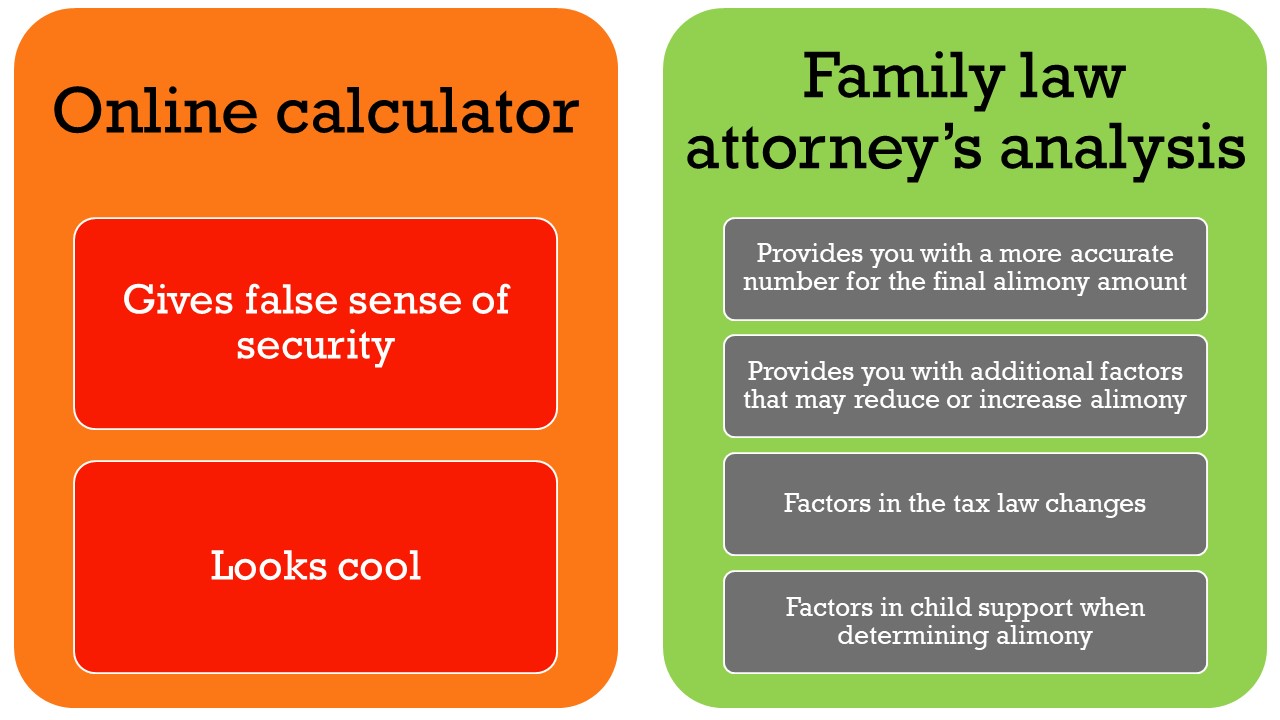
Attempting to manage spousal support negotiations or litigation without legal representation can be a costly mistake. An experienced California family law attorney can:
-
Help you understand your rights and obligations.
-
Prepare and present your financial disclosures accurately.
-
Negotiate effectively with the other party or their counsel.
-
Argue your case persuasively in court, highlighting the most relevant Family Code Section 4320 factors.
-
Ensure that any support orders are fair, reasonable, and legally sound.
-
Assist with modification requests if your circumstances change.
Their expertise is invaluable in interpreting the nuances of the law and applying them to your specific situation.
Mediation vs. Litigation
For many couples, mediation offers a less contentious and often more cost-effective alternative to litigation. In mediation, a neutral third party helps both spouses reach mutually agreeable terms for spousal support and other divorce-related issues. If an agreement can be reached through mediation, it can then be submitted to the court for approval. However, if an agreement cannot be reached, or if one party is unwilling to negotiate fairly, litigation through the court system becomes necessary, where a judge will make the final determination.
Financial Disclosure Requirements
Full and accurate financial disclosure is paramount in any California divorce case, particularly concerning spousal support. Both parties are legally required to exchange detailed financial information, including income and expense declarations, schedules of assets and debts, and tax returns. Failure to provide complete and honest disclosures can lead to severe penalties, including sanctions from the court and potentially a reopening of the case if fraud is discovered. Transparency is key to a fair and just spousal support order.
In conclusion, while “how is alimony calculated in California” seems like a simple question, the answer reveals a sophisticated legal framework designed to balance diverse financial and personal factors. From the guideline formulas for temporary support to the comprehensive 4320 factors for long-term orders, the process demands careful consideration of each party’s unique circumstances. Understanding these intricacies is the first step toward navigating the financial landscape of divorce with confidence and securing a fair and equitable outcome.
aViewFromTheCave is a participant in the Amazon Services LLC Associates Program, an affiliate advertising program designed to provide a means for sites to earn advertising fees by advertising and linking to Amazon.com. Amazon, the Amazon logo, AmazonSupply, and the AmazonSupply logo are trademarks of Amazon.com, Inc. or its affiliates. As an Amazon Associate we earn affiliate commissions from qualifying purchases.