
The journey towards financial stability, independence, or even wealth creation often begins not with a grand leap, but with a paralyzing question: “How do I actually start?” This isn’t just a simple query; it’s an echo of the overwhelm many feel when confronted with the vast landscape of personal finance, investing, or entrepreneurship. The sheer volume of information, the myriad of options, and the fear of making the wrong move can leave individuals stuck at the starting line, perpetually asking, “how how to start?”
This article is designed to cut through that noise, providing a clear, actionable roadmap for anyone ready to embark on their financial journey. We will demystify the initial steps, breaking down complex concepts into manageable tasks, and offering insights that empower you to move from contemplation to concrete action. Whether your goal is to build an emergency fund, start a side hustle, make your first investment, or simply gain control over your money, the principles outlined here will serve as your foundational guide. It’s time to transform that daunting “how how to start” into a confident, decisive “this is how I start.”

Defining Your Financial North Star: Clarifying Your Starting Point and Destination
Before you can effectively begin any journey, financial or otherwise, you need to understand two critical things: where you are right now, and where you aspire to be. Without these coordinates, your efforts, no matter how diligent, risk being misdirected or inefficient. This initial phase is about self-assessment and vision-setting, crucial steps that lay the groundwork for every subsequent financial decision.
Taking Stock of Your Current Financial Landscape
The first concrete step in truly starting your financial journey is an honest, comprehensive evaluation of your current financial situation. This isn’t about judgment; it’s about clarity. Think of it as mapping your current position on a vast financial chart.
-
Income Assessment: Document all sources of income, including your primary salary, any freelance earnings, rental income, or other regular inflows. Understand your gross income versus your net (take-home) income.
-
Expense Tracking: This is often the most illuminating and sometimes uncomfortable part. Categorize and track every dollar you spend for at least a month, preferably three. Use apps, spreadsheets, or even a simple notebook. Differentiate between fixed expenses (rent, loan payments) and variable expenses (groceries, entertainment).
-
Asset Inventory: List everything you own that has monetary value. This includes cash in savings and checking accounts, investments (stocks, bonds, retirement accounts), real estate, and valuable possessions (cars, collectibles). Don’t overvalue items; aim for realistic market values.
-
Debt Overview: Detail all your liabilities: credit card balances, student loans, car loans, mortgages, and any personal loans. Note the interest rate, minimum payment, and remaining balance for each.
By compiling this data, you create a “personal balance sheet” and “income statement.” This snapshot is invaluable for understanding your net worth (assets minus liabilities) and your monthly cash flow (income minus expenses). It reveals where your money is going, where it’s sitting, and what obligations you carry, providing the raw data needed for informed decision-making.
Envisioning Your Financial Future: Setting SMART Goals
Once you understand your present, it’s time to look forward. What does financial success mean to you? Is it buying a home, retiring early, starting a business, or simply eliminating debt? Your financial goals will dictate your strategy. To be effective, these goals must be SMART:
-
Specific: Instead of “save more money,” aim for “save $10,000 for a down payment.”
-
Measurable: How will you know when you’ve achieved it? “Increase net worth by 15%.”
-
Achievable: While challenging, your goals should be realistic given your current situation and resources. “Pay off $50,000 in student loan debt in one year” might be unrealistic for some, while “pay off $5,000” might be more attainable.
-
Relevant: Your goals should align with your personal values and broader life objectives. If early retirement is important, then saving aggressively for retirement is highly relevant.
-
Time-bound: Assign a deadline to each goal. “Save $10,000 by December 31st of next year.”
Categorize your goals into short-term (1-3 years), medium-term (3-7 years), and long-term (7+ years). This tiered approach helps prioritize and creates a series of achievable milestones that build momentum towards your ultimate vision. Without clearly defined goals, financial planning becomes aimless, and the motivation to truly start often wanes.
Forging Your Foundational Financial Armor: Building Resilience from Day One
With a clear understanding of your current financial position and a set of well-defined goals, the next critical phase involves building the essential infrastructure for financial stability. This “financial armor” protects you from unexpected setbacks and provides the resources needed to pursue your long-term ambitions. It’s about creating a robust, resilient base from which all future financial growth can spring.
Mastering the Art of Budgeting: Your Blueprint for Control
Budgeting is not about restriction; it’s about empowerment and control. It’s your financial blueprint, guiding where every dollar goes and ensuring your spending aligns with your values and goals. Many fear budgeting, associating it with deprivation, but its true purpose is to optimize your resources.
-
Choose a Method: There’s no one-size-fits-all budget. Popular methods include the 50/30/20 rule (50% needs, 30% wants, 20% savings/debt repayment), zero-based budgeting (every dollar has a job), or simply tracking all expenses. Experiment to find what resonates with you.
-
Track Everything Consistently: Use budgeting apps (Mint, YNAB, Personal Capital), spreadsheets, or even a pen and paper. The key is consistency. Track every expense for at least a month to understand your actual spending habits versus your perceived ones.
-
Categorize and Analyze: Group your expenses into categories (housing, food, transportation, entertainment, savings, debt repayment). Regularly review these categories to identify areas where you can optimize or cut back, freeing up money for your goals.
-
Automate Savings and Payments: Set up automatic transfers to your savings accounts and for bill payments. This “set it and forget it” approach ensures consistency and reduces the chance of missed payments or undersaving.
A well-executed budget transforms your financial overview from an abstract concept into a tangible, controllable reality. It’s the engine that drives your ability to save, invest, and pay down debt.
The Imperative of an Emergency Fund: Your Financial Safety Net
One of the most crucial pieces of financial armor is an emergency fund. This dedicated pool of money is designed to cover unexpected expenses—job loss, medical emergencies, major home repairs—without derailing your financial progress or forcing you into high-interest debt.
-
Why It Matters: Life is unpredictable. An emergency fund acts as a buffer, providing peace of mind and preventing financial crises from escalating. It’s the difference between navigating a tough situation gracefully and spiraling into debt.
-
How Much to Save: The general recommendation is to save 3-6 months’ worth of essential living expenses. For those with less stable incomes or dependents, aiming for closer to 6-12 months is advisable.
-
Where to Keep It: Your emergency fund should be easily accessible but separate from your everyday checking account. A high-yield savings account is ideal, offering liquidity while earning a modest return. Avoid investing these funds in volatile assets.
-
How to Build It: Treat your emergency fund like a non-negotiable expense. Automate regular transfers from your checking account immediately after you get paid. Even small, consistent contributions add up quickly.
Prioritizing your emergency fund provides a robust foundation, allowing you to take calculated risks with other financial endeavors knowing you have a safety net.
Tackling Debt Strategically: Freeing Your Future Resources
High-interest debt, particularly credit card debt, acts like an anchor, severely limiting your financial mobility and future potential. Strategically addressing debt is a critical component of building financial resilience.
-
Prioritize High-Interest Debt: Focus first on debts with the highest interest rates. The “debt avalanche” method suggests paying off the debt with the highest interest rate first, then applying that payment to the next highest, saving you the most money in interest over time.
-
Consider the Debt Snowball: Alternatively, the “debt snowball” method involves paying off the smallest debt first, then rolling that payment into the next smallest. This method provides psychological wins that can be highly motivating, especially for those who feel overwhelmed.
-
Avoid New Debt: While working to eliminate existing debt, make a conscious effort to avoid accumulating more. If credit card debt is an issue, consider temporarily freezing or putting away your cards.
-
Negotiate or Consolidate: Explore options like negotiating lower interest rates with creditors or consolidating high-interest debts into a single loan with a lower interest rate (e.g., a personal loan or balance transfer card, but be wary of fees and terms).
Liberating yourself from the burden of debt frees up significant cash flow, which can then be redirected towards savings, investments, and achieving your financial goals much faster.
Igniting Your Income Engine: Exploring Avenues for Growth
Once your financial foundation is solid, the next step in truly starting your financial journey involves actively seeking opportunities to increase your income. While managing expenses is crucial, there’s a limit to how much you can cut. There’s virtually no limit to how much you can earn. This section explores various pathways to boost your income, from leveraging existing skills to exploring new entrepreneurial ventures.
Unlocking Side Hustle Potential: Leveraging Skills for Extra Income
A side hustle is any activity you do in addition to your primary job to earn extra money. It’s a powerful way to accelerate your financial goals, whether it’s paying off debt, building your emergency fund faster, or saving for a down payment.
-
Identify Your Skills and Passions: What are you good at? What do you enjoy doing? Think about skills from your day job, hobbies, or even things friends and family ask you for help with. Examples include graphic design, writing, coding, tutoring, photography, pet sitting, or even organizing.
-
Explore Gig Economy Platforms: Websites and apps like Upwork, Fiverr, TaskRabbit, Rover, Etsy, or local community groups can connect you with clients seeking your skills.
-
Start Small and Scale: Don’t feel pressured to launch a full-blown business immediately. Begin with a few hours a week, test the waters, and gradually expand as you gain confidence and clientele.
-
Manage Your Time Effectively: Side hustles require discipline. Set aside dedicated time slots and ensure they don’t interfere with your primary job or personal well-being.
A successful side hustle not only provides additional income but can also be a valuable learning experience, potentially leading to new career paths or entrepreneurial ventures.
Navigating the Online Income Landscape: Digital Opportunities
The digital age has opened up a plethora of opportunities to earn income remotely, often with flexible hours and a global reach. The online income landscape is vast and diverse, catering to a wide range of skills and interests.
-
Content Creation: If you have expertise or a unique perspective, consider starting a blog, YouTube channel, podcast, or social media presence. Monetization can come from advertising, sponsorships, affiliate marketing, or selling your own digital products.
-
E-commerce: Selling products online through platforms like Shopify, Amazon FBA (Fulfillment by Amazon), or eBay can be highly lucrative. This could involve dropshipping, selling handmade goods, or reselling popular items.
-
Remote Work and Freelancing: Many traditional jobs now offer remote options. Websites like Remote.co and We Work Remotely list opportunities. For freelancers, platforms like Guru, PeoplePerHour, and even LinkedIn allow you to offer services like web development, virtual assistance, or digital marketing.
-
Online Courses and Coaching: If you have specialized knowledge, package it into an online course (on platforms like Teachable or Udemy) or offer one-on-one coaching sessions.
The key to success in online income is often persistence, continuous learning, and adapting to evolving digital trends. Start by identifying a niche where you can provide value and build an audience or client base.
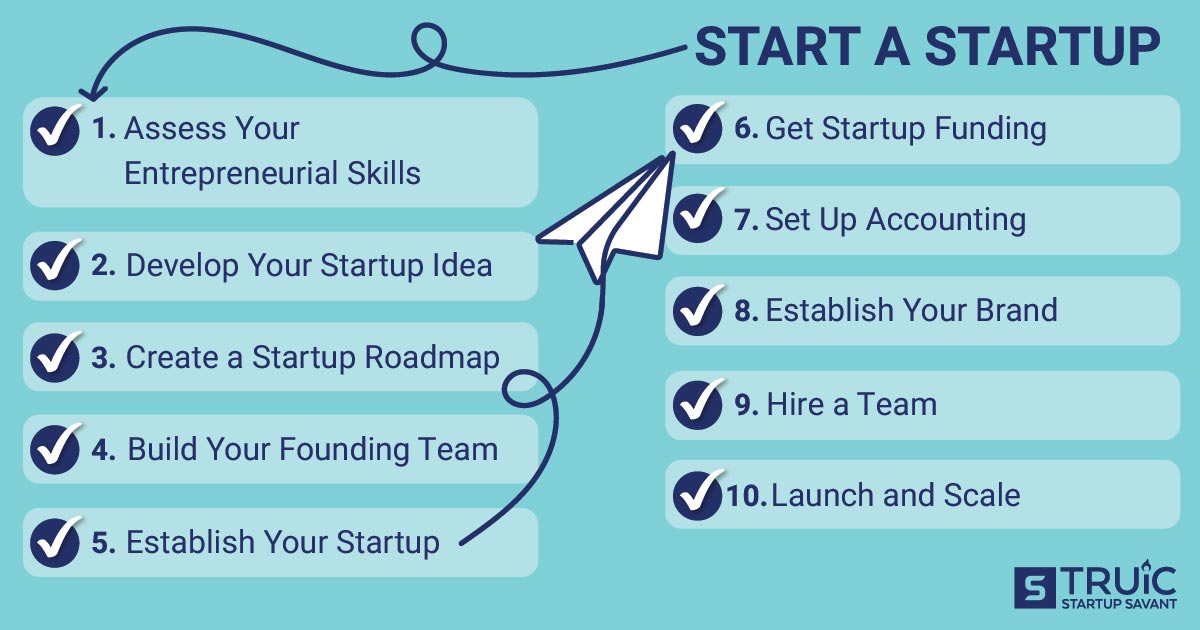
Laying the Groundwork for Entrepreneurship: From Idea to Inception
For those with a bolder vision, starting a business can be the ultimate income engine. While it requires more significant commitment and risk, the potential for financial independence and impact is immense.
-
Identify a Problem and Solution: Great businesses solve real problems for real people. What pain points do you see in the market? How can your product or service address them?
-
Conduct Market Research: Before investing significant time or money, validate your idea. Who are your target customers? Who are your competitors? What makes your offering unique?
-
Develop a Business Plan (Even a Simple One): This doesn’t need to be a formal document for investors initially. A lean business plan outlines your vision, target market, product/service, marketing strategy, operational plan, and financial projections. It helps clarify your thoughts and strategy.
-
Start Small (Lean Startup Principles): Avoid over-investing upfront. Can you create a Minimum Viable Product (MVP) to test your concept with real customers? Can you bootstrap your business using your savings or side hustle income?
-
Legal and Administrative Basics: Register your business, obtain necessary licenses, and set up a separate business bank account. Consult with a legal professional to understand compliance requirements.
Entrepreneurship is a challenging but incredibly rewarding path. It requires resilience, adaptability, and a strong belief in your vision. The “how how to start” here focuses on methodical planning and calculated risk-taking, rather than simply jumping in blindly.
Planting Seeds for Wealth: Your First Steps into Investing
Once you’ve established financial stability and perhaps begun to increase your income, the next crucial step in your financial journey is to make your money work for you through investing. For many, investing feels like a mysterious and intimidating world, full of jargon and high stakes. However, getting started doesn’t have to be complicated or require a fortune. It’s about understanding basic principles and taking consistent, informed action.
Demystifying Investment Basics: Understanding Risk and Reward
At its core, investing is about putting your money into assets with the expectation of generating a return over time. This return compensates you for the risk you take.
-
The Power of Compounding: This is often called the “eighth wonder of the world.” Compounding means that the returns you earn on your investments also start earning returns, leading to exponential growth over time. The earlier you start, the more powerful compounding becomes.
-
Risk and Return Are Linked: Generally, assets with higher potential returns also come with higher risk (e.g., individual stocks). Assets with lower potential returns tend to have lower risk (e.g., bonds, savings accounts). Understanding your personal risk tolerance is key.
-
Diversification is Key: Don’t put all your eggs in one basket. Spreading your investments across different asset classes (stocks, bonds, real estate), industries, and geographies reduces overall risk. If one investment performs poorly, others might perform well, balancing your portfolio.
-
Long-Term Mindset: Investing, especially in the stock market, is a long game. Market fluctuations are normal. Patience and a focus on long-term growth, rather than short-term gains, are crucial for success.
These basic principles form the bedrock of successful investing. By grasping them, you can approach the market with confidence, understanding the fundamental forces at play.
Choosing Your Entry Point: Accessible Investment Vehicles
You don’t need to be a Wall Street expert to start investing. Several accessible and beginner-friendly options make it easy to plant your first seeds for wealth.
-
Retirement Accounts (401(k), IRA): These are often the best place to start, especially if your employer offers a 401(k) match (which is essentially free money). Contributions are often tax-advantaged, and funds grow tax-deferred or tax-free.
-
Index Funds and ETFs (Exchange-Traded Funds): Instead of picking individual stocks, these funds hold a basket of many different stocks or bonds, often tracking a specific market index (like the S&P 500). They offer instant diversification, low fees, and require minimal management, making them ideal for beginners.
-
Robo-Advisors: Services like Betterment, Wealthfront, or Vanguard Digital Advisor automate investment management. You answer a few questions about your goals and risk tolerance, and they build and manage a diversified portfolio for you, typically with low fees. This is an excellent option for hands-off investing.
-
Brokerage Accounts: For those who want more control, opening an account with a discount broker (e.g., Fidelity, Charles Schwab, Vanguard, Robinhood) allows you to buy individual stocks, ETFs, and mutual funds. Start with well-known, established companies if you choose to buy individual stocks.
The most important decision is simply to start. Don’t let the search for the “perfect” investment vehicle lead to inaction.
Starting Small, Thinking Big: The Power of Consistent Contributions
Many believe they need a large sum of money to start investing. This is a myth. The consistent act of contributing, even small amounts, over time is far more impactful than waiting to have a large lump sum.
-
Dollar-Cost Averaging: This strategy involves investing a fixed amount of money at regular intervals (e.g., $100 every month), regardless of market fluctuations. When prices are high, your fixed amount buys fewer shares; when prices are low, it buys more. Over time, this averages out your purchase price, reducing risk and removing the need to “time the market.”
-
Automate Your Investments: Just like with savings, setting up automatic transfers from your checking account to your investment account ensures consistency. Treat investing as a non-negotiable expense.
-
Increase Contributions Over Time: As your income grows, or as you eliminate debt, gradually increase the amount you invest. Even a small increase can have a significant impact due to compounding.
The “how how to start” in investing truly boils down to setting up consistent, automated contributions into diversified, low-cost investment vehicles. This simple, powerful strategy empowers anyone to begin building substantial long-term wealth.
Cultivating a Mindset for Enduring Financial Success
Embarking on your financial journey is an initial act of courage, but sustaining that journey requires more than just knowing “how to start.” It demands a specific mindset – one characterized by adaptability, continuous learning, and unwavering patience. Financial success is not a destination but an ongoing process, and cultivating the right mental approach is just as crucial as implementing the right strategies.
The Continuous Cycle of Review and Adjustment
Your financial life is not static, and neither should your financial plan be. Life changes—new jobs, family additions, market shifts, unexpected expenses—all necessitate a periodic re-evaluation of your strategies and goals.
-
Schedule Regular Check-ins: At least once a quarter, and definitely annually, schedule time to review your budget, track your progress towards goals, and assess your investments. Are you still on track? Have your circumstances changed?
-
Be Flexible: Your initial plan is a hypothesis, not an immutable law. If a strategy isn’t working, or if your priorities shift, be prepared to adjust. Financial planning is iterative; learn from what works and discard what doesn’t.
-
Rebalance Your Portfolio (for Investors): Over time, different assets in your investment portfolio may grow at different rates, causing your asset allocation to drift from your target. Periodically rebalancing (selling some of the overperforming assets and buying more of the underperforming ones) brings your portfolio back in line with your risk tolerance and goals.
This proactive approach ensures your financial plan remains relevant, effective, and responsive to your evolving life and market conditions.
Prioritizing Financial Literacy: Your Lifelong Learning Journey
The financial world is constantly evolving. New investment vehicles emerge, economic conditions shift, and tax laws change. A commitment to continuous financial education is paramount to maintaining and growing your wealth.
-
Read Widely: Consume books, reputable financial blogs, articles, and research papers. Start with foundational texts on personal finance and investing, then delve into areas of specific interest.
-
Take Courses and Workshops: Many online platforms (Coursera, Khan Academy, Udemy) offer free or affordable courses on various financial topics. Local community colleges or financial institutions may also offer workshops.
-
Follow Reputable Sources: Be discerning about your information sources. Prioritize established financial journalists, certified financial planners, and academic institutions over unverified social media “experts.”
-
Learn from Experience (and Mistakes): Treat every financial decision, whether successful or not, as a learning opportunity. Analyze outcomes, understand why things happened, and integrate those lessons into your future decisions.
The more you understand about money, the more confident and capable you become in managing it, empowering you to make increasingly sophisticated and effective financial choices.

Embracing Patience and Persistence: The Long Game of Wealth Building
Perhaps the most challenging, yet crucial, aspect of financial success is cultivating patience and persistence. True wealth building is rarely a sprint; it’s a marathon that spans years, even decades.
-
Resist Get-Rich-Quick Schemes: If it sounds too good to be true, it almost certainly is. Sustainable wealth is built through consistent effort, wise decisions, and the power of compounding over time, not through shortcuts.
-
Weather Market Volatility: Stock markets will go up and down. Economic downturns are inevitable. A persistent investor understands that these are temporary fluctuations and maintains their long-term strategy, often seeing the biggest returns during recovery phases.
-
Celebrate Small Wins, Stay Motivated: Acknowledge your progress, even minor achievements like sticking to your budget for a month or making an extra payment on debt. These small victories reinforce positive habits and maintain motivation during the long haul.
-
Stay Focused on Your Why: Regularly revisit your SMART goals and your ultimate financial vision. Remembering why you started and what you’re working towards provides the impetus to stay persistent when challenges arise.
The journey of wealth creation demands a steady hand, a clear vision, and the fortitude to stay the course through both good times and bad. It’s about consistently showing up for your financial future, day after day, year after year.
In conclusion, the seemingly overwhelming question of “how how to start” dissolves when broken down into manageable, actionable steps. By defining your financial landscape, building a strong foundation, actively growing your income, intelligently investing, and nurturing a resilient mindset, you are not just starting; you are embarking on a powerful, transformative journey towards financial empowerment and success. The most important step is simply the first one – take it with confidence, and let your journey unfold.
aViewFromTheCave is a participant in the Amazon Services LLC Associates Program, an affiliate advertising program designed to provide a means for sites to earn advertising fees by advertising and linking to Amazon.com. Amazon, the Amazon logo, AmazonSupply, and the AmazonSupply logo are trademarks of Amazon.com, Inc. or its affiliates. As an Amazon Associate we earn affiliate commissions from qualifying purchases.