
For most individuals, a home is the most significant purchase they will ever make. Because very few people have the liquid capital to pay for a property in full, the mortgage serves as the essential financial bridge between aspiration and ownership. At its core, a mortgage is a type of loan specifically designed for real estate, where the property itself serves as collateral. This legal agreement gives the lender the right to take possession of the property if the borrower fails to repay the money plus interest. Understanding the intricate mechanics of how these loans function is critical for maintaining long-term financial health and maximizing the benefits of homeownership.
Understanding the Fundamental Components of a Home Loan
A mortgage is not a monolithic payment; it is a composite of several distinct financial elements that work in tandem. When a borrower makes a monthly payment, that capital is typically distributed across four main areas, often referred by the acronym PITI: Principal, Interest, Taxes, and Insurance.
Principal and Interest: The Foundation
The principal is the actual amount of money borrowed from the lender to purchase the home. For example, if a house costs $400,000 and the buyer puts down $80,000, the principal balance is $320,000. Interest, on the other hand, is the cost of borrowing that money. It is expressed as a percentage and is the primary way lenders generate profit on the loan.
In the early years of a mortgage, a higher percentage of the monthly payment goes toward interest rather than principal. This is due to the way interest is calculated on the remaining balance. As the principal is slowly paid down over time, the interest portion of the payment decreases, allowing more of the monthly installment to be applied to the principal. This process ensures that the lender receives their compensation upfront while the borrower builds equity more rapidly toward the end of the loan term.
The Role of the Down Payment
The down payment is the initial equity a buyer contributes to the transaction. While the traditional gold standard is a 20% down payment, many modern loan programs allow for much less, sometimes as low as 3% or even 0% for specific demographic groups. However, the size of the down payment significantly influences the mortgage’s overall cost. A larger down payment reduces the principal loan amount, which in turn reduces the total interest paid over the life of the loan. Furthermore, contributing at least 20% usually allows a borrower to avoid the additional cost of private mortgage insurance, a protective measure for the lender that adds to the borrower’s monthly overhead.
Escrow Accounts: Managing Taxes and Insurance
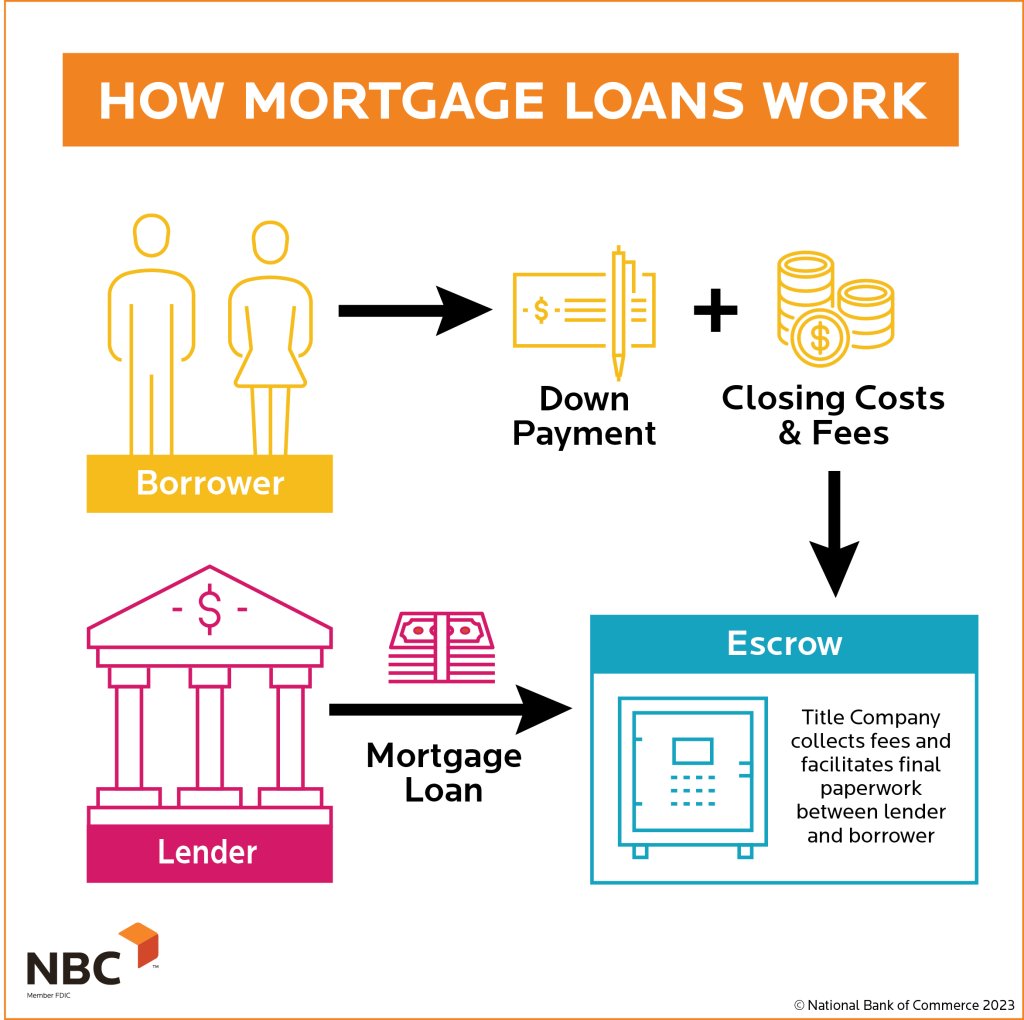
Beyond the loan itself, homeowners are responsible for property taxes and homeowners insurance. Most lenders require an escrow account to manage these expenses. Instead of the homeowner paying these large annual bills individually, the lender collects a portion of the estimated cost each month as part of the mortgage payment. This money is held in a neutral account and paid out by the lender when the bills come due. This system protects the lender’s interest in the property by ensuring that the home remains insured and that the government does not place a tax lien on the collateral.
Navigating the Diverse Landscape of Mortgage Products
Mortgages are not one-size-fits-all financial instruments. The market offers a variety of structures designed to meet different financial profiles, risk tolerances, and long-term goals. Choosing the right product can save a homeowner tens of thousands of dollars over the duration of the loan.
Conventional vs. Government-Backed Loans
The first major distinction in the mortgage world is between conventional loans and government-backed loans. Conventional loans are not insured by the federal government and are typically categorized as either “conforming” (meeting the guidelines set by Fannie Mae and Freddie Mac) or “non-conforming” (such as Jumbo loans for high-value properties). These loans generally require higher credit scores and larger down payments but offer more flexibility in terms of property types and insurance requirements.
Government-backed loans, such as FHA, VA, and USDA loans, are designed to make homeownership more accessible. FHA loans, backed by the Federal Housing Administration, allow for lower credit scores and smaller down payments. VA loans, available to veterans and active-duty service members, often require no down payment and offer highly competitive rates. USDA loans target rural development and also offer zero-down options for eligible low-to-moderate income buyers. While these loans are more accessible, they often come with specific insurance premiums that last for the life of the loan.
Fixed-Rate vs. Adjustable-Rate Mortgages (ARMs)
The interest rate structure is perhaps the most defining feature of a mortgage. A fixed-rate mortgage maintains the same interest rate for the entire life of the loan, usually 15 or 30 years. This provides the borrower with predictability and protection against rising market interest rates.
An Adjustable-Rate Mortgage (ARM), conversely, features an interest rate that changes periodically after an initial “teaser” period. For instance, a 5/1 ARM has a fixed rate for the first five years, after which the rate adjusts annually based on a market index. ARMs typically offer lower initial rates than fixed-rate mortgages, making them attractive for individuals who plan to sell or refinance before the adjustment period begins. However, they carry the risk of significantly higher payments if market rates climb in the future.
Jumbo Loans and Specialized Financing
When a property’s price exceeds the “conforming loan limits” set by federal regulators, a Jumbo loan is required. These are high-value mortgages that carry more risk for the lender, often necessitating more stringent qualification criteria, including higher cash reserves and pristine credit histories. Specialized financing also exists for specific scenarios, such as “renovation loans” (like the FHA 203k) which allow buyers to bundle the cost of the home and the cost of repairs into a single mortgage.

The Path from Application to Closing
Obtaining a mortgage is a rigorous administrative and financial process. It requires a deep dive into a borrower’s financial history to ensure they possess the capacity to fulfill the long-term obligation of the debt.
The Importance of Pre-Approval
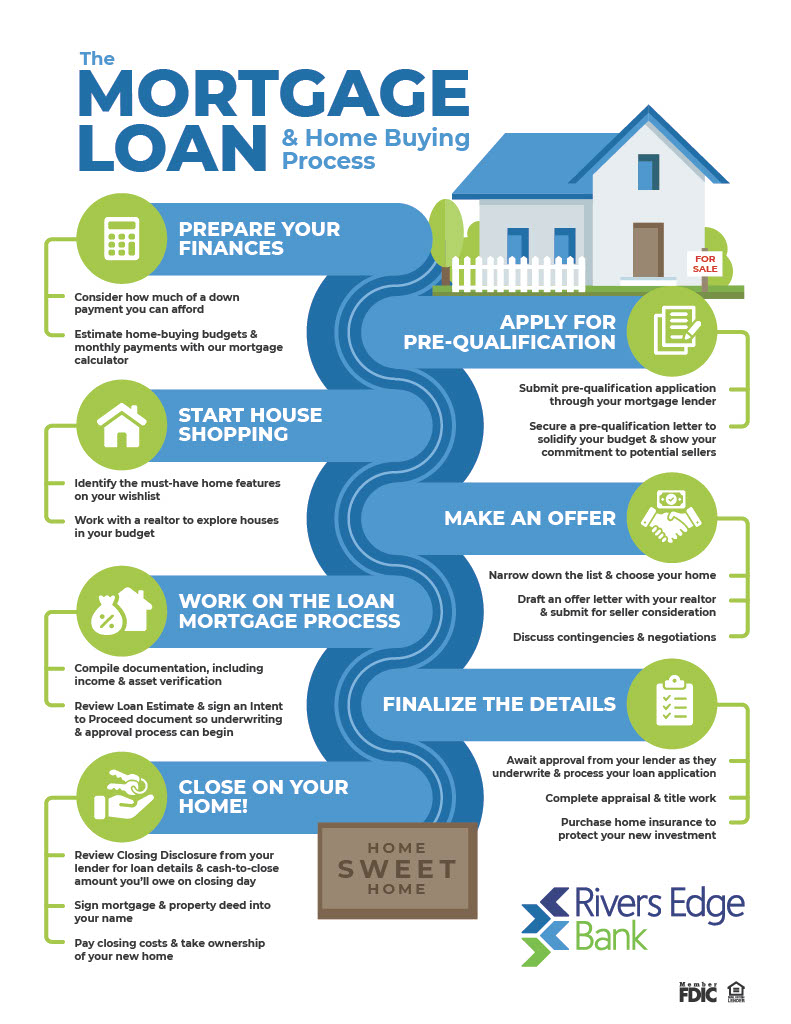
The journey typically begins with pre-approval. Unlike a simple pre-qualification, which is an estimate based on self-reported data, a pre-approval involves a lender verifying the borrower’s income, assets, and credit score. A pre-approval letter is a powerful tool in a competitive real estate market, signaling to sellers that the buyer has the financial backing to complete the purchase. During this phase, lenders calculate the Debt-to-Income (DTI) ratio, a crucial metric that compares monthly debt obligations to gross monthly income. Most lenders prefer a DTI ratio below 43%, though this can vary by loan type.
Underwriting: The Risk Assessment Phase
Once a borrower has a signed purchase agreement, the loan enters the underwriting phase. This is the “black box” of the mortgage process where a professional underwriter scrutinizes every detail of the application. They verify employment, audit bank statements to ensure the down payment funds are “sourced and seasoned,” and order an appraisal. The appraisal is a critical safeguard for the lender; it ensures that the home is actually worth the amount being borrowed. If the appraisal comes in lower than the purchase price, the borrower may need to bridge the gap with cash or renegotiate the price with the seller.
Closing Costs and the Final Settlement
The final stage is the closing, where the legal transfer of the property occurs. Borrowers must pay closing costs, which typically range from 2% to 5% of the loan amount. These fees cover various services, including title insurance, attorney fees, recording fees, and prepaid interest. Once the documents are signed and the funds are wired, the mortgage is officially active, and the borrower begins the long-term process of repayment and equity building.
Decoding Interest Rates and Amortization
To truly master the finances of a mortgage, one must understand how the mathematics of time and interest dictate the cost of the loan.
How Amortization Schedules Evolve Over Time
Amortization is the process of paying off a debt over time through regular installments. A standard 30-year fixed-rate mortgage is “fully amortizing,” meaning that if every payment is made on time, the balance will be exactly zero at the end of month 360. Because interest is calculated based on the current balance, the first payment of a 30-year loan consists mostly of interest. As the years pass, the interest portion shrinks and the principal portion grows. This “back-loaded” structure is why staying in a home for only a few years often results in very little equity gain; most of the initial payments are simply servicing the cost of the debt.
Market Factors That Drive Interest Rates
Mortgage rates are not set by the government, but they are influenced by broader economic indicators. They are most closely tied to the yield on the 10-year Treasury note. When investors are confident in the economy, they move money into stocks, causing Treasury yields—and mortgage rates—to rise. In times of economic uncertainty, investors flock to the safety of bonds, which can drive mortgage rates down. Additionally, the Federal Reserve’s monetary policy, inflation expectations, and the overall health of the housing market play vital roles in determining the rate a borrower is offered on any given day.
Managing Your Mortgage as a Long-Term Financial Asset
A mortgage should not be viewed as a static debt, but as a dynamic financial tool that can be optimized over time to enhance personal wealth.
Strategic Refinancing Opportunities
Refinancing involves replacing an existing mortgage with a new one, typically to secure a lower interest rate, change the loan term, or convert equity into cash. A “rate-and-term” refinance can lower monthly payments or shorten the duration of the loan, potentially saving hundreds of thousands in interest. A “cash-out” refinance allows homeowners to tap into their home’s equity to fund major expenses like education or home improvements. However, refinancing incurs its own set of closing costs, so borrowers must calculate the “break-even point”—the time it takes for the monthly savings to exceed the cost of getting the new loan.
Building Equity and Early Payoff Strategies
Equity is the difference between the home’s market value and the remaining mortgage balance. Aside from market appreciation, the primary way to build equity is through principal reduction. Many homeowners choose to accelerate this process by making extra payments toward the principal. Even a single extra payment per year can shave years off a 30-year mortgage and significantly reduce the total interest paid. Before doing this, it is essential to ensure the loan does not have a “prepayment penalty,” though such clauses are increasingly rare in modern residential lending.
By understanding the mechanics of PITI, the nuances of different loan products, and the power of amortization, homeowners can transform a simple loan into a sophisticated engine for building generational wealth. A mortgage is more than a monthly bill; it is a strategic financial commitment that, when managed with insight, serves as the foundation of a robust financial portfolio.
aViewFromTheCave is a participant in the Amazon Services LLC Associates Program, an affiliate advertising program designed to provide a means for sites to earn advertising fees by advertising and linking to Amazon.com. Amazon, the Amazon logo, AmazonSupply, and the AmazonSupply logo are trademarks of Amazon.com, Inc. or its affiliates. As an Amazon Associate we earn affiliate commissions from qualifying purchases.