
The question “how hard is it to get a business loan?” is one that echoes in the minds of countless entrepreneurs, from ambitious startups to established enterprises seeking to expand. The simple answer is, it’s not uniformly easy or difficult; rather, it’s a dynamic process influenced by a multitude of factors related to the business, the borrower, the lender, and the prevailing economic climate. Far from being a mere hurdle, securing a business loan is a strategic endeavor that demands preparation, understanding, and often, persistence. This article will delve into the complexities of obtaining business funding, dissecting the challenges, illuminating the factors lenders scrutinize, and outlining actionable strategies to improve your chances of success.
Understanding the Core Challenges: Why Business Loans Seem Difficult
For many small business owners, the pursuit of a business loan can feel like navigating a maze with an ever-changing map. This perception of difficulty stems from a combination of the lender’s inherent risk aversion, common pitfalls faced by borrowers, and broader economic conditions.
The Lender’s Perspective: Risk Assessment
At its heart, lending is about managing risk. Financial institutions, whether traditional banks or modern online lenders, are in the business of deploying capital with the expectation of repayment, plus interest. They face the constant threat of default, which can result in significant losses. Consequently, their primary objective is to assess a borrower’s creditworthiness and the viability of their business. This necessitates a thorough vetting process that can feel intrusive and demanding to a business owner. Lenders look for clear evidence that the business is stable, profitable, and capable of generating sufficient cash flow to comfortably service the debt. They also consider the macro and micro economic factors that could impact a business’s ability to thrive. Without sufficient safeguards and a high degree of confidence, lenders will naturally be hesitant to commit funds.
The Borrower’s Reality: Common Pitfalls
Many entrepreneurs approach the loan application process unprepared, often leading to disappointment. One of the most significant pitfalls is a lack of detailed financial documentation and a robust business plan. Lenders require comprehensive financial statements (profit and loss, balance sheets, cash flow statements), tax returns, and projections. Without these, it’s impossible for a lender to accurately assess risk. Another common issue is unrealistic expectations about the loan amount, terms, or the speed of approval. Some business owners also face challenges due to poor personal credit scores, especially for younger businesses where the owner’s personal financial history is heavily weighted. Furthermore, insufficient time in business or lack of consistent revenue can be major roadblocks, as lenders typically prefer to see a track record of stability and growth.
Market Conditions and Economic Climate
The broader economic environment plays a crucial role in the availability and ease of obtaining business loans. During periods of economic stability and growth, lenders may be more inclined to lend due to lower perceived risk across the board. Conversely, during economic downturns, recessions, or times of uncertainty, lending criteria tend to tighten significantly. Banks become more conservative, raising credit score requirements, demanding more collateral, and reducing loan-to-value ratios. Industry-specific risks also factor in; businesses in volatile or rapidly changing sectors might face more scrutiny than those in stable, mature industries. Government policies, interest rate fluctuations, and regulatory changes can also influence the lending landscape, making it harder or easier to access capital.
Key Factors Lenders Evaluate: The 5 Cs of Credit
To standardize their risk assessment, lenders traditionally rely on the “5 Cs of Credit.” Understanding these factors is paramount for any business owner preparing to seek financing.
Character: The Borrower’s Integrity and Track Record
“Character” refers to the borrower’s personal and business reputation and their perceived willingness to repay debt. Lenders assess this through various means:
-
Personal Credit Score (FICO Score): For small businesses, particularly startups, the owner’s personal credit score is a strong indicator of their financial responsibility. A higher score (generally above 680-700) signifies lower risk.
-
Business Credit Score: Established businesses will have their own credit profile, built through their payment history with vendors, suppliers, and previous lenders.
-
Management Experience: Lenders look at the experience and expertise of the business’s leadership team. A strong team with a proven track record inspires confidence.
-
References and Reputation: Sometimes, lenders may seek references or review public information about the business and its principals.
Capacity: Ability to Repay the Loan
This is arguably the most critical “C.” “Capacity” refers to the business’s ability to generate sufficient cash flow to comfortably make loan payments. Lenders delve deep into the company’s financial health:
-
Cash Flow Analysis: They scrutinize profit & loss statements, balance sheets, and cash flow statements to understand past performance and current liquidity.
-
Debt Service Coverage Ratio (DSCR): This metric measures the cash flow available to pay current debt obligations. Lenders typically look for a DSCR of 1.25 or higher, meaning the business generates $1.25 in cash flow for every $1 of debt payment.
-
Financial Projections: For new businesses or those seeking growth capital, lenders will evaluate the realism and robustness of future financial forecasts.
Capital: The Owner’s Investment
“Capital” refers to the amount of money the business owner has personally invested in the venture. This is often referred to as having “skin in the game.” Lenders view a significant owner contribution as a positive sign for several reasons:
-
Shared Risk: It demonstrates the owner’s commitment to the business’s success and willingness to share the financial risk.
-
Reduced Lender Exposure: A higher equity contribution means the lender’s exposure to potential loss is reduced.
-
Confidence: It signals that the owner has confidence in their business and is willing to back it financially.
Collateral: Assets to Secure the Loan
“Collateral” consists of assets that a borrower pledges to secure a loan. If the borrower defaults, the lender has the right to seize and sell these assets to recover their losses.
-
Types of Collateral: This can include real estate, equipment, inventory, accounts receivable, or even intellectual property.
-
Risk Mitigation: Collateral significantly reduces the lender’s risk, often leading to better loan terms (lower interest rates, longer repayment periods).
-
Unsecured vs. Secured: Loans without collateral are “unsecured” and typically harder to obtain, especially for smaller businesses, and often carry higher interest rates. “Secured” loans, backed by collateral, are generally more accessible.
Conditions: The Purpose and Economic Environment
“Conditions” refer to the specific purpose of the loan and the prevailing economic climate affecting the borrower’s business.
-
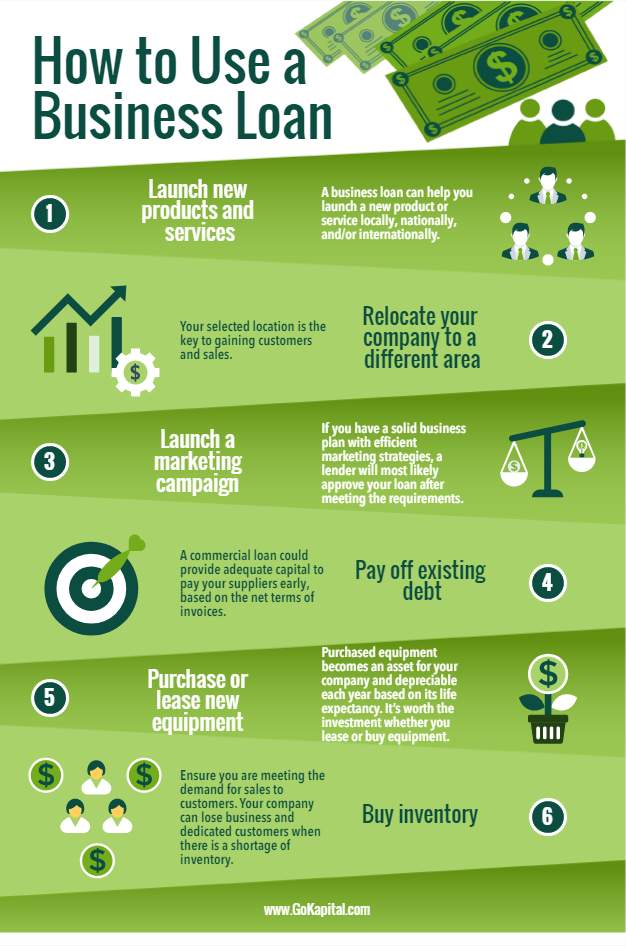
Purpose of Funds: Lenders want to know how the loan proceeds will be used (e.g., working capital, equipment purchase, expansion, inventory). A clear, well-justified purpose instills confidence.
-
Industry Outlook: The health and future prospects of the industry in which the business operates are closely examined.
-
Economic Trends: Broader economic conditions, such as interest rates, inflation, and unemployment, influence a lender’s risk appetite and capacity to lend.
Types of Business Loans and Their Relative Difficulty
The difficulty of securing a business loan also varies significantly depending on the type of loan and the institution providing it.
Traditional Bank Loans (Including SBA Loans)
Often perceived as the most challenging to acquire, traditional bank loans from commercial banks typically have the most stringent requirements. They prefer established businesses with a strong credit history, significant revenue, and ample collateral. However, they also offer the most favorable terms: lower interest rates and longer repayment periods.
- SBA Loans (Small Business Administration): While technically bank loans, they are partially guaranteed by the U.S. Small Business Administration, reducing the risk for lenders. This guarantee often makes them more accessible to small businesses that might not qualify for conventional bank loans. However, they still require substantial paperwork and can have lengthy approval processes. They are often ideal for businesses with solid financials but perhaps insufficient collateral or a shorter operating history.
Alternative Lenders (Online Lenders, Fintech)
The rise of financial technology (fintech) has led to a proliferation of online and alternative lenders. These lenders often provide a faster, more streamlined application process and have more flexible eligibility criteria compared to traditional banks.
-
Term Loans: Similar to bank loans but often with shorter repayment periods and higher interest rates.
-
Lines of Credit: Provide flexible access to funds up to a certain limit, ideal for managing cash flow fluctuations.
-
Merchant Cash Advances (MCAs): Businesses receive a lump sum in exchange for a percentage of future credit card sales. These are generally the easiest to obtain but also the most expensive form of financing, often with very high effective APRs.
-
Invoice Factoring: Businesses sell their outstanding invoices to a third party at a discount to get immediate cash. This is relatively easy to access if your business has significant accounts receivable.
While easier to qualify for, the convenience of alternative lenders often comes at a higher cost in terms of interest rates and fees.
Equipment Financing and Microloans
-
Equipment Financing: This type of loan is specifically for purchasing equipment. The equipment itself serves as collateral, making it relatively easier to secure. Lenders are more comfortable as they can repossess the asset if the borrower defaults.
-
Microloans: Offered by non-profit organizations and Community Development Financial Institutions (CDFIs), microloans are small amounts of capital (typically under $50,000) designed to help startups and very small businesses, particularly those run by underserved populations. They often have more lenient requirements and may include business mentorship, making them a great option for businesses struggling to qualify for larger loans.
Strategies to Increase Your Chances of Approval
While the landscape of business lending can be challenging, proactive preparation and strategic execution can significantly improve your odds of securing the funding you need.
Strengthen Your Financial Foundation
This is the bedrock of any successful loan application.
-
Improve Personal and Business Credit Scores: Regularly monitor both scores. Pay bills on time, reduce outstanding debt, and dispute any errors. A strong credit history signals reliability.
-
Maintain Detailed, Accurate Financial Records: Keep your books meticulous and up-to-date. Have clean profit & loss statements, balance sheets, and cash flow statements readily available, ideally prepared by a professional accountant.
-
Build a Strong Cash Reserve: Lenders look favorably upon businesses that have a healthy buffer of cash. This demonstrates financial prudence and resilience.
-
Reduce Existing Debt: A high debt-to-equity ratio or existing debt load can deter new lenders.
Develop a Robust Business Plan
A well-researched and clearly articulated business plan is your roadmap and your sales pitch to a lender.
-
Clear Executive Summary: A concise overview of your business, its mission, and your funding request.
-
Market Analysis and Competitive Advantage: Demonstrate a thorough understanding of your industry, target market, and what makes your business unique and sustainable.
-
Detailed Financial Projections: Provide realistic and justifiable forecasts for revenue, expenses, and cash flow for at least the next 3-5 years. Back these with assumptions.
-
Management Team Bios: Highlight the experience and expertise of your leadership, showing that the right people are at the helm.
-
Specific Use of Funds: Clearly explain exactly how the loan money will be used and how it will contribute to business growth and repayment capacity.
Know Your Options and Prepare Thoroughly
Don’t apply blindly. Research is key.
-
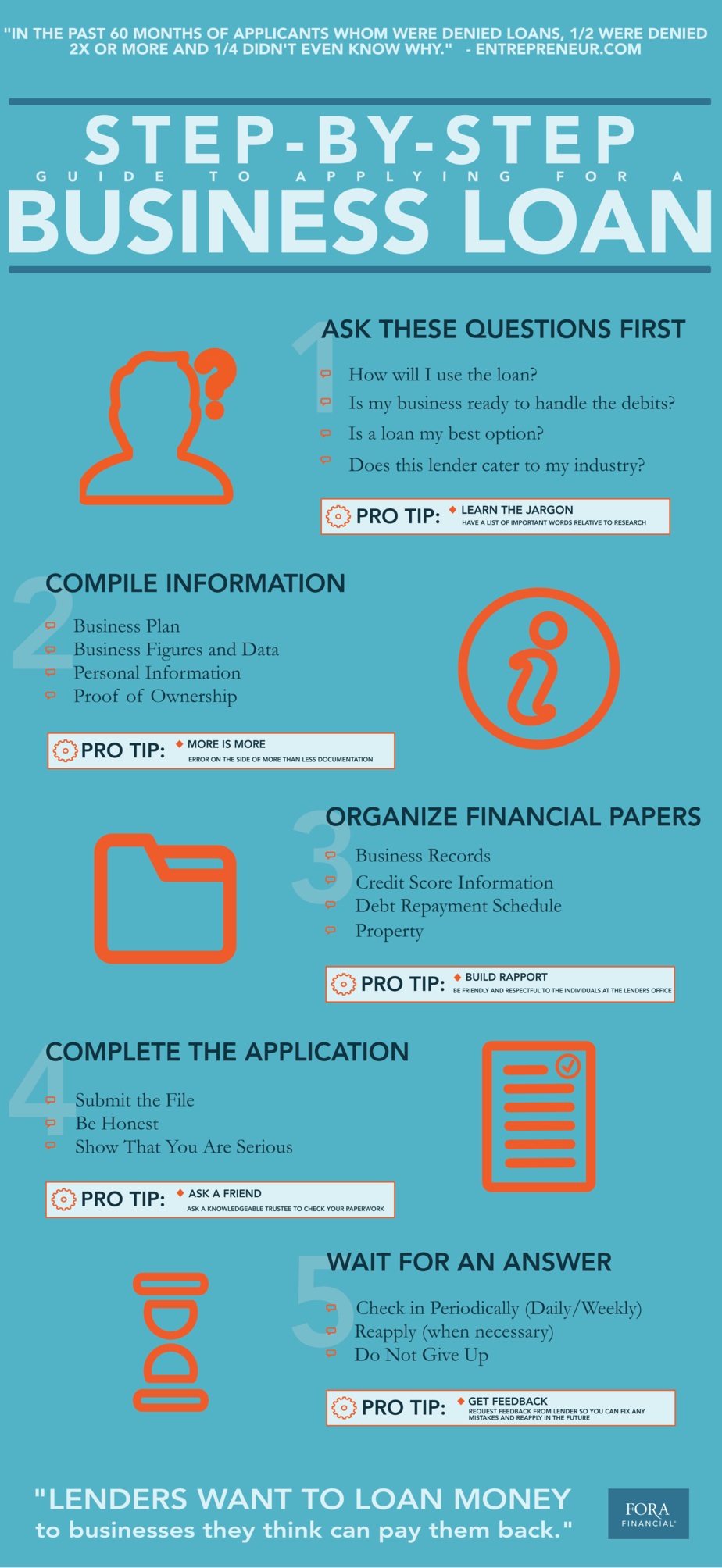
Research Different Lenders and Loan Types: Understand which lenders specialize in your industry or business size, and which loan products best fit your needs. Don’t be afraid to consider alternative lenders if traditional banks are not an immediate fit.
-
Gather All Necessary Documentation in Advance: Create a comprehensive “loan application folder” with all financial statements, tax returns, legal documents, and business plans. Being organized saves time and projects professionalism.
-
Practice Your Pitch: Be ready to confidently articulate your business model, your funding needs, and your repayment strategy to a lender.
Seek Professional Advice
Don’t go it alone if you’re unsure.
-
Business Advisors and Mentors: Leverage resources like Small Business Development Centers (SBDCs) or SCORE mentors for guidance on business planning and financial projections.
-
Accountants and Financial Consultants: These professionals can help you prepare accurate financial statements, understand financial ratios, and navigate the complexities of loan applications. They can also provide valuable insights into your business’s financial health and present it in the best light.
Beyond Loans: Exploring Other Funding Avenues
It’s important to remember that business loans are just one piece of the funding puzzle. Depending on your business stage, industry, and growth potential, other avenues might be more suitable or complementary.
Grants
Government agencies, foundations, and corporations offer grants that do not need to be repaid. However, they are highly competitive, often industry-specific (e.g., tech, research, environmental), and typically require extensive application processes and strict reporting. They are not a reliable source for general operating capital but can be excellent for specific projects.
Equity Financing (Angel Investors, Venture Capital)
For high-growth potential businesses, particularly in tech or innovative sectors, equity financing can be a powerful option. Angel investors (wealthy individuals) or venture capital firms provide capital in exchange for an ownership stake (equity) in your company. While this means giving up a portion of your business, it also brings strategic mentorship and significant capital without debt obligations.
Crowdfunding
Platforms like Kickstarter, Indiegogo (rewards-based), or Republic (equity-based) allow businesses to raise capital from a large number of individuals. Rewards-based crowdfunding allows customers to pre-order products or donate in exchange for perks. Equity crowdfunding enables businesses to sell small equity stakes to the general public.
Self-Funding (Bootstrapping)
Many successful businesses start by “bootstrapping” – funding their operations through personal savings, credit cards, or early profits. While this means slower initial growth and potentially personal financial risk, it allows entrepreneurs to maintain full ownership and control, proving their concept before seeking external capital.

Conclusion
The journey to securing a business loan can indeed be challenging, but it is far from impossible. The perceived difficulty is often a reflection of inadequate preparation, a misunderstanding of lender expectations, or a mismatch between the business’s profile and the chosen financing product. By rigorously strengthening your financial foundation, crafting a compelling business plan, thoroughly researching your options, and seeking professional guidance, you can significantly enhance your chances of approval. Remember that persistence, adaptability, and a clear understanding of your business’s true financial needs are your most valuable assets in navigating the complex, yet rewarding, landscape of business finance. With the right strategy, the capital you need to fuel your business’s growth is within reach.
aViewFromTheCave is a participant in the Amazon Services LLC Associates Program, an affiliate advertising program designed to provide a means for sites to earn advertising fees by advertising and linking to Amazon.com. Amazon, the Amazon logo, AmazonSupply, and the AmazonSupply logo are trademarks of Amazon.com, Inc. or its affiliates. As an Amazon Associate we earn affiliate commissions from qualifying purchases.