
Securing a small business loan is often a pivotal moment for entrepreneurs, marking a crucial step towards growth, stability, or even initial launch. While the prospect of applying for business financing can seem daunting, understanding the process, preparing diligently, and knowing what lenders look for can significantly improve your chances of success. This guide demystifies the journey of obtaining a small business loan, providing a clear roadmap from preparation to successful funding.
Understanding Small Business Loans: Types and Purpose
Before diving into the application process, it’s essential to grasp why businesses seek loans and the various forms these financial instruments can take. A clear understanding will help you choose the right type of funding for your specific needs.
Why Small Businesses Need Loans
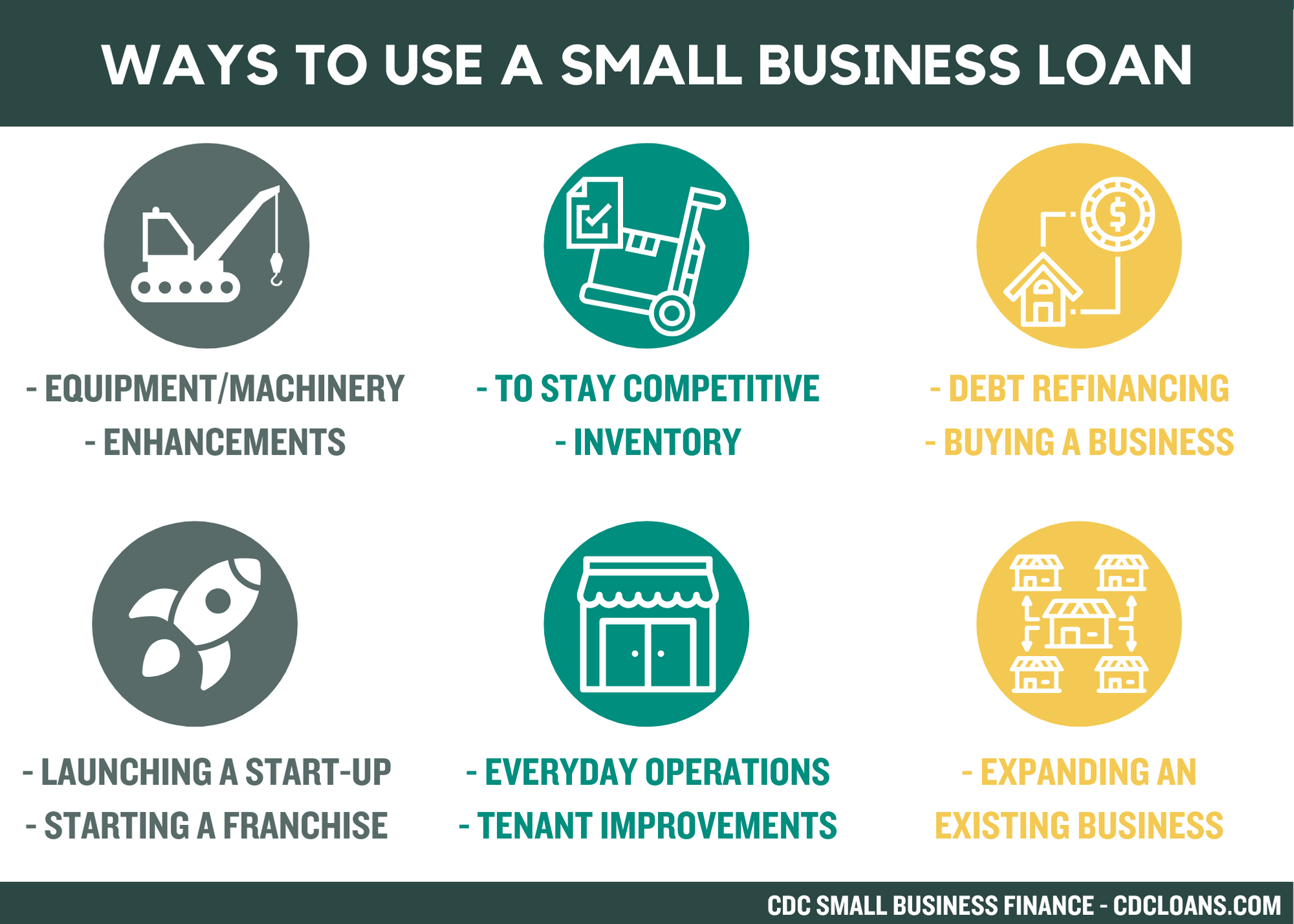
Small businesses require capital for a myriad of reasons, each critical to their operation and expansion. Common motivations include:
-
Startup Costs: Covering initial expenses like legal fees, permits, equipment, and rent before revenue generation begins.
-
Working Capital: Ensuring sufficient cash flow to cover day-to-day operational expenses such as payroll, utilities, and inventory during lean periods or growth phases.
-
Equipment Purchase: Investing in new machinery, vehicles, or technology to enhance productivity, expand services, or replace outdated assets.
-
Inventory Financing: Purchasing stock in bulk to meet demand, especially during seasonal peaks, or to take advantage of supplier discounts.
-
Business Expansion: Funding for opening new locations, entering new markets, hiring additional staff, or developing new products and services.
-
Debt Refinancing: Consolidating existing high-interest debts into a single, more manageable loan with better terms.
-
Marketing and Advertising: Investing in campaigns to reach a wider audience and drive sales.
Common Types of Small Business Loans
The lending landscape offers a diverse range of products, each suited to different business profiles and needs. Understanding these options is key to identifying the best fit:
-
SBA Loans: Backed by the U.S. Small Business Administration (SBA), these loans are offered by traditional lenders (banks, credit unions) but come with government guarantees, reducing risk for lenders. This often translates to lower interest rates, longer repayment terms, and more flexible qualification requirements for borrowers. Popular types include the 7(a) loan (most common, flexible for various uses) and the 504 loan (for major fixed assets like real estate or machinery).
-
Traditional Term Loans: Offered by banks and credit unions, these are lump-sum loans repaid over a fixed period with regular payments (monthly, quarterly) at a fixed or variable interest rate. They are suitable for one-time investments like equipment purchases or expansion projects.
-
Business Lines of Credit: Similar to a credit card, a line of credit provides access to a revolving pool of funds up to a certain limit. Businesses can draw money as needed and only pay interest on the amount borrowed. This is ideal for managing short-term cash flow gaps or unexpected expenses.
-
Equipment Financing: Specifically designed to help businesses purchase new or used equipment. The equipment itself often serves as collateral, making it easier to qualify.
-
Invoice Factoring/Financing: This allows businesses to sell their unpaid invoices (factoring) or use them as collateral (financing) to get immediate cash. It’s a good option for businesses with slow-paying customers but need immediate liquidity.
-
Merchant Cash Advances (MCAs): Businesses receive a lump sum in exchange for a percentage of their future credit card sales. While quick and accessible, MCAs typically come with very high costs and are generally considered a last resort.
-
Microloans: Smaller loans (typically under $50,000) offered by non-profit and community development financial institutions (CDFIs). They are often designed for startups or businesses in underserved communities that might not qualify for traditional bank loans.
Preparing for Your Loan Application: The Foundation for Success
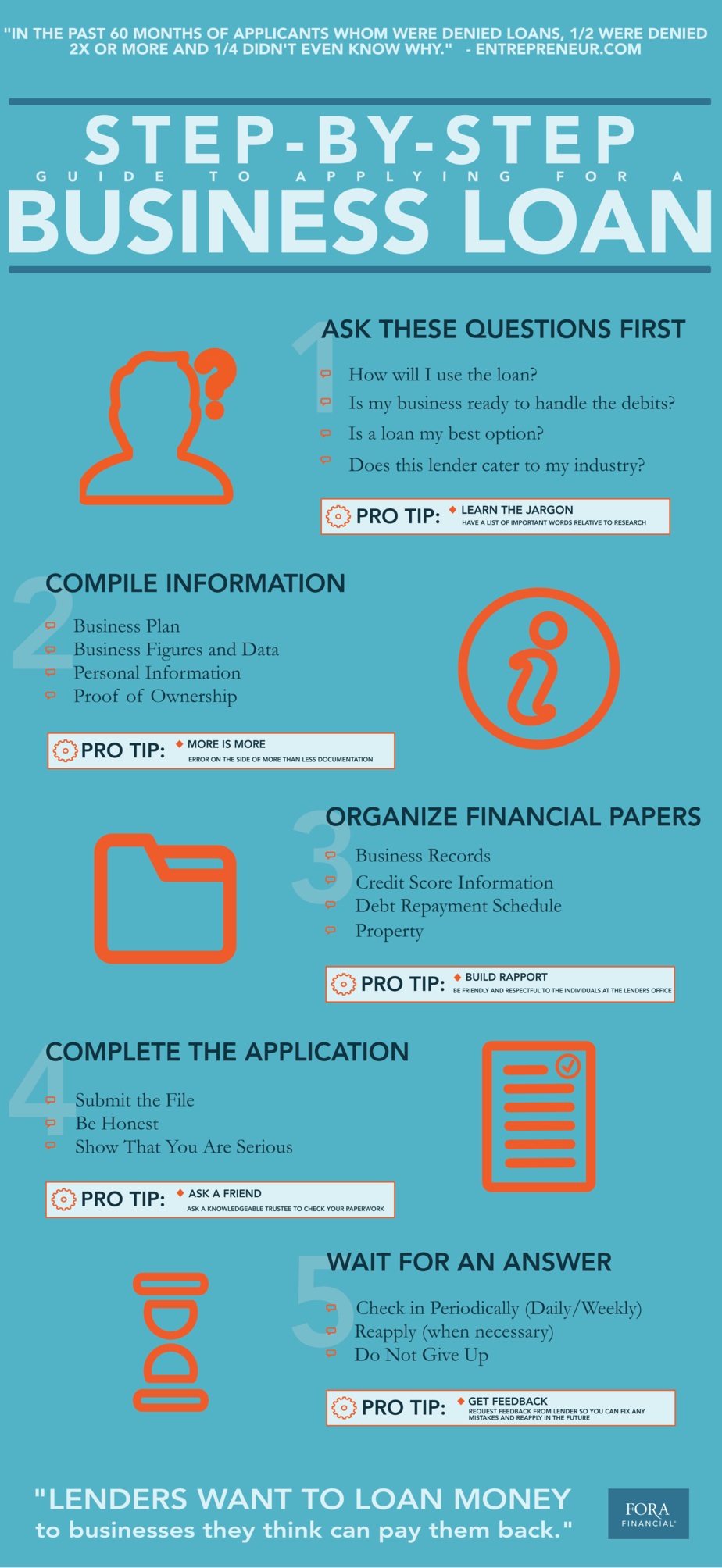
The key to a successful loan application lies in meticulous preparation. Lenders are looking for signs of stability, reliability, and a clear path to repayment. Gathering and organizing your documentation proactively will not only streamline the process but also present your business in the best possible light.
Develop a Robust Business Plan
Your business plan is more than just a document; it’s a strategic blueprint that demonstrates your vision and viability to potential lenders. It should clearly outline:
-
Executive Summary: A concise overview of your business, its mission, and your funding request.
-
Company Description: What your business does, its legal structure, and its history.
-
Market Analysis: Your industry, target market, competition, and how you differentiate yourself.
-
Organization and Management: Your team, their experience, and their roles.
-
Service or Product Line: Detailed description of what you sell.
-
Marketing and Sales Strategy: How you plan to attract and retain customers.
-
Financial Projections: Crucial for lenders, this includes projected profit and loss statements, cash flow statements, and balance sheets for at least the next 3-5 years.
Organize Your Financial Documents
Lenders will scrutinize your financial health. Having these documents ready and organized is paramount:
-
Business Financial Statements:
-
Profit & Loss (Income) Statements: Typically for the past 2-3 years, showing revenue, expenses, and net profit.
-
Balance Sheets: For the past 2-3 years, detailing assets, liabilities, and owner’s equity.
-
Cash Flow Statements: Showing how cash flows in and out of your business.
-
-
Business Bank Statements: For the past 6-12 months.
-
Business Tax Returns: For the past 2-3 years.
-
Personal Financial Statements:
-
Personal Tax Returns: For the past 2-3 years.
-
Personal Bank Statements: Demonstrating personal financial stability.
-
Proof of Other Income/Assets: Any additional income or significant personal assets.
-
-
Legal Documents: Business registration documents, articles of incorporation, licenses, permits, and any relevant contracts.
Understand Your Credit Score (Personal & Business)
Your credit history is a primary indicator of your financial responsibility.
-
Personal Credit Score: Lenders will almost always review the owner’s personal credit score, especially for small businesses and startups. A strong personal credit score (typically 680+) indicates a reliable borrower.
-
Business Credit Score: If your business has been operational for some time, it will have its own credit profile. Ensure accuracy by monitoring reports from agencies like Dun & Bradstreet, Experian Business, and Equifax Business.
-
Improve Credit: If your scores are low, take steps to improve them before applying, such as paying bills on time, reducing debt, and correcting any errors on your credit reports.
Determine Your Funding Needs
Be precise about how much money you need and exactly how you plan to use it. A vague request raises red flags for lenders. Create a detailed breakdown of how the loan funds will be allocated (e.g., $X for new equipment, $Y for marketing, $Z for inventory). This demonstrates financial foresight and responsibility.
Key Factors Lenders Evaluate: The 5 Cs of Credit
Lenders use a comprehensive framework known as the “5 Cs of Credit” to assess a borrower’s eligibility and risk. Understanding these criteria will help you tailor your application to their expectations.
Character
This refers to the borrower’s trustworthiness and integrity. Lenders gauge character by examining your personal and business credit history, your industry experience, and your business’s track record. A history of timely payments, transparent communication, and a strong professional reputation all contribute positively to your character assessment.
Capacity
Capacity is your ability to repay the loan. Lenders analyze your business’s cash flow, debt-to-income ratio, and overall financial performance to determine if you can comfortably make the required loan payments in addition to your existing financial obligations. Strong, consistent cash flow and manageable debt are crucial indicators here.
Capital
Capital represents the owner’s personal investment in the business. Lenders want to see that you have “skin in the game,” meaning you’ve invested your own funds into the business. This demonstrates commitment and reduces the lender’s risk, as you share in the financial stake.
Collateral

Collateral consists of assets pledged to secure the loan, which the lender can seize if the borrower defaults. Common forms of collateral include real estate, equipment, inventory, or accounts receivable. While not all loans require collateral (unsecured loans), providing it can significantly improve your chances of approval, especially for larger sums or if your business is relatively new.
Conditions
Conditions refer to the broader economic climate, industry trends, and the specific purpose of the loan. Lenders consider how external factors might impact your business’s ability to succeed and repay the loan. They also assess the specific use of the loan funds and whether that use aligns with sound business growth strategies.
Navigating the Application Process and Beyond
Once your preparation is complete, you’re ready to engage with lenders. The application process itself involves careful selection, clear communication, and diligent follow-through.
Researching Lenders
Don’t apply to the first lender you find. Research different types of lenders to find the best fit for your business and loan type:
-
Traditional Banks: Often offer the lowest rates but have stringent requirements and slower approval processes. Best for established businesses with strong financials.
-
Credit Unions: Similar to banks but often more community-focused, potentially offering more personalized service and slightly more flexible terms for members.
-
Online Lenders: Known for faster application and approval processes, often with less stringent requirements than traditional banks. However, rates can be higher. Good for businesses needing quick access to capital or those with shorter operating histories.
-
Community Development Financial Institutions (CDFIs): Non-profit organizations focused on providing affordable financial services to underserved communities. Great for startups, minority-owned businesses, or businesses in low-income areas.
Compare interest rates, repayment terms, fees, eligibility criteria, and application speed before making a decision.
Crafting a Compelling Loan Pitch
Beyond the documents, your ability to articulate your business’s value proposition and repayment strategy is vital. Be prepared to:
-
Clearly explain your business model and its unique selling points.
-
Detail precisely how the loan funds will be used to generate revenue or improve efficiency.
-
Present realistic financial projections that demonstrate your capacity to repay the loan.
-
Highlight your management team’s experience and commitment.
The Application Submission and Review
Submit your complete application with all required documentation. Be prepared for follow-up questions from the lender, who may request additional information or clarifications. Respond promptly and thoroughly to keep the process moving. Lenders may also conduct site visits or interviews.
Understanding the Loan Agreement
If approved, you will receive a loan agreement. Read every clause carefully. Pay close attention to:
-
Interest Rate and APR: The annual percentage rate, which includes all fees, gives a truer picture of the loan’s cost.
-
Repayment Schedule: When payments are due and the exact amounts.
-
Fees: Origination fees, closing costs, late payment fees, prepayment penalties.
-
Covenants: Conditions or restrictions placed on your business (e.g., maintaining certain financial ratios, not taking on additional debt without permission).
-
Collateral Requirements: What assets are pledged and the terms of the lien.
Don’t hesitate to seek legal or financial advice if anything is unclear.
Post-Approval Management
Once the funds are disbursed, use them wisely, as outlined in your business plan. Maintain open communication with your lender, especially if you foresee any challenges. Consistently making on-time payments will build a strong repayment history, which can benefit you for future financing needs.
Beyond Traditional Loans: Exploring Alternative Funding
While loans are a common path, several alternative funding sources exist that might be more suitable depending on your business stage, industry, or growth potential.
Grants
Government agencies, non-profit organizations, and corporations offer grants for specific purposes or industries. Grants are essentially free money that doesn’t need to be repaid. However, they are highly competitive, often come with strict eligibility criteria, and can have lengthy application processes. They are typically awarded for innovation, social impact, or specific research and development.
Angel Investors/Venture Capital
For high-growth potential startups seeking substantial capital, angel investors (wealthy individuals) or venture capital firms (institutional investors) provide funding in exchange for equity (ownership) in your company. This means giving up a portion of your business, but it often comes with valuable mentorship and strategic guidance. This route is best for businesses with scalable models and significant upside potential.
Crowdfunding
Crowdfunding platforms allow you to raise capital from a large number of individuals, often via the internet.
-
Rewards-based Crowdfunding (e.g., Kickstarter, Indiegogo): Individuals donate small amounts in exchange for a product, service, or other reward. Ideal for product launches or creative projects.
-
Equity Crowdfunding (e.g., SeedInvest, Republic): Individuals invest in your business in exchange for a small equity stake. This allows small businesses to raise capital from accredited and non-accredited investors.
Personal Funds/Family & Friends
Many entrepreneurs start by self-funding or borrowing from close contacts. This can be the quickest and most accessible source of initial capital, often with more flexible terms. However, it’s crucial to formalize these arrangements with clear loan agreements to avoid straining personal relationships.
Securing a small business loan is a strategic move that requires thorough preparation, a clear understanding of your financial needs, and careful selection of the right lending partner. By presenting a well-organized application, demonstrating a solid understanding of your business’s financial health, and being transparent with potential lenders, you significantly increase your chances of obtaining the capital necessary to fuel your business’s success and achieve its full potential.
aViewFromTheCave is a participant in the Amazon Services LLC Associates Program, an affiliate advertising program designed to provide a means for sites to earn advertising fees by advertising and linking to Amazon.com. Amazon, the Amazon logo, AmazonSupply, and the AmazonSupply logo are trademarks of Amazon.com, Inc. or its affiliates. As an Amazon Associate we earn affiliate commissions from qualifying purchases.