
Acquiring your first credit card, or even adding a new one to an established portfolio, is a significant milestone in your personal finance journey. A credit card is more than just a piece of plastic or a digital entry in a mobile wallet; it is a sophisticated financial instrument that, when managed correctly, serves as a foundation for your economic future. It facilitates the building of a credit history, offers consumer protections, and provides access to capital that can be used for both daily expenses and strategic investments. However, the process of getting a card requires more than just filling out a form. It demands a clear understanding of your current financial standing, a strategic approach to selection, and a disciplined plan for management.
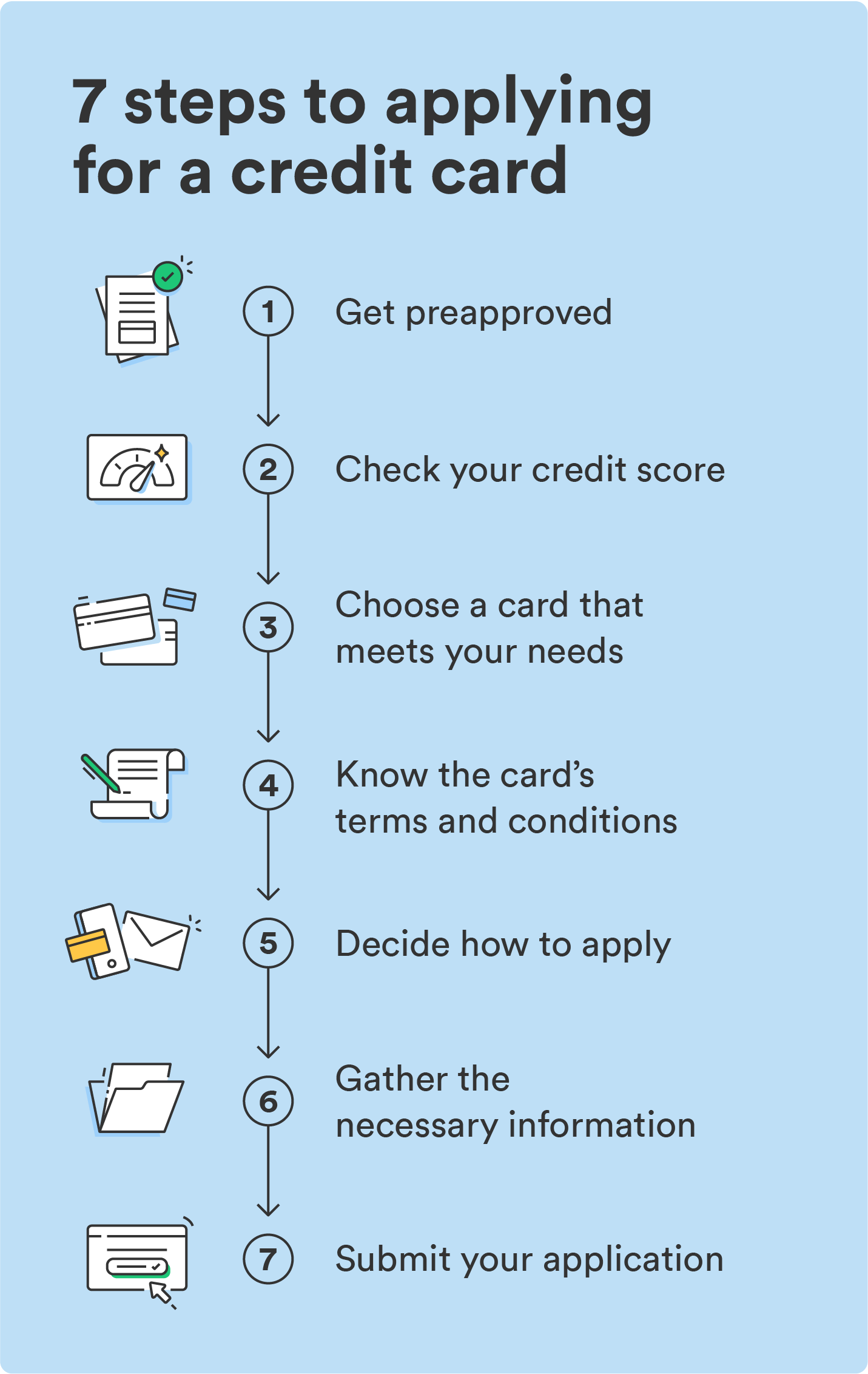
Understanding Your Starting Point: The Science of Creditworthiness
Before you submit an application, you must understand the criteria that lenders use to evaluate your risk as a borrower. Credit card issuers are in the business of managing risk, and they use specific data points to determine whether you are likely to repay what you borrow.
Decoding the Credit Score
The most critical factor in your application is your credit score, typically a FICO or VantageScore ranging from 300 to 850. If you are a first-time applicant, you may have a “thin file,” meaning you have little to no credit history. In this case, issuers will look more closely at other factors. If you do have a history, your score is calculated based on payment history (35%), amounts owed (30%), length of credit history (15%), new credit (10%), and credit mix (10%).
Understanding where you fall on this spectrum is vital. “Excellent” scores (740+) generally grant access to the best rewards and lowest interest rates, while “Fair” scores (580-669) may limit you to entry-level cards with fewer perks. Before applying, obtain a copy of your credit report from the three major bureaus—Equifax, Experian, and TransUnion—to ensure there are no errors that could lead to an immediate rejection.
Income and Eligibility Criteria
While your credit score tells a lender how you have handled debt in the past, your income tells them if you can afford to handle new debt now. Under federal law, issuers must consider your “ability to pay.” This means they will ask for your gross annual income. For those over 21, this can include “accessible” income, such as a spouse’s salary or household income, provided you have a reasonable expectation of access to those funds.
Additionally, you must meet basic legal requirements: you must be at least 18 years old (though those under 21 often need proof of independent income or a co-signer) and possess a valid Social Security Number (SSN) or Individual Taxpayer Identification Number (ITIN).
Selecting the Optimal Vehicle: Types of Credit Cards
Not all credit cards are created equal. The “best” card is entirely dependent on your current credit profile and your ultimate financial goals. Applying for a card that is out of reach for your current score can result in a “hard inquiry” on your credit report without the benefit of an approval, which can temporarily lower your score.
Secured Cards for Beginners and Credit Rebuilders
If you are starting from scratch or recovering from past financial mistakes, a secured credit card is often the most viable entry point. These cards require a refundable security deposit, which usually acts as your credit limit. For example, if you provide a $500 deposit, your limit is $500. This deposit minimizes the risk for the bank. Over time, as you demonstrate responsible usage by paying your balance in full and on time, many issuers will “graduate” you to an unsecured card and return your deposit.
Unsecured Student and Retail Cards
For those currently enrolled in higher education, student credit cards offer a pathway to the unsecured market. These cards often have lower entry requirements and may include incentives for maintaining a high GPA. Retail or “store” credit cards are another option; they are generally easier to get approved for but often come with lower credit limits and significantly higher interest rates. Use these strategically to build history, but avoid carrying a balance at all costs.
Reward and Premium Tier Cards
If you have a “Good” to “Excellent” credit score, you can transition into the world of rewards. These cards offer cash back, travel points, or airline miles for every dollar spent. When selecting a rewards card, perform a cost-benefit analysis. A card with a $95 annual fee is only worth it if the rewards and perks (such as travel insurance or airport lounge access) exceed that cost. For many, a simple 2% flat-rate cash-back card provides the best value without the complexity of tracking spending categories.
The Application Protocol: Moving from Research to Approval
Once you have identified the right category of card, the application process itself requires precision and attention to detail.
The Power of Pre-Qualification
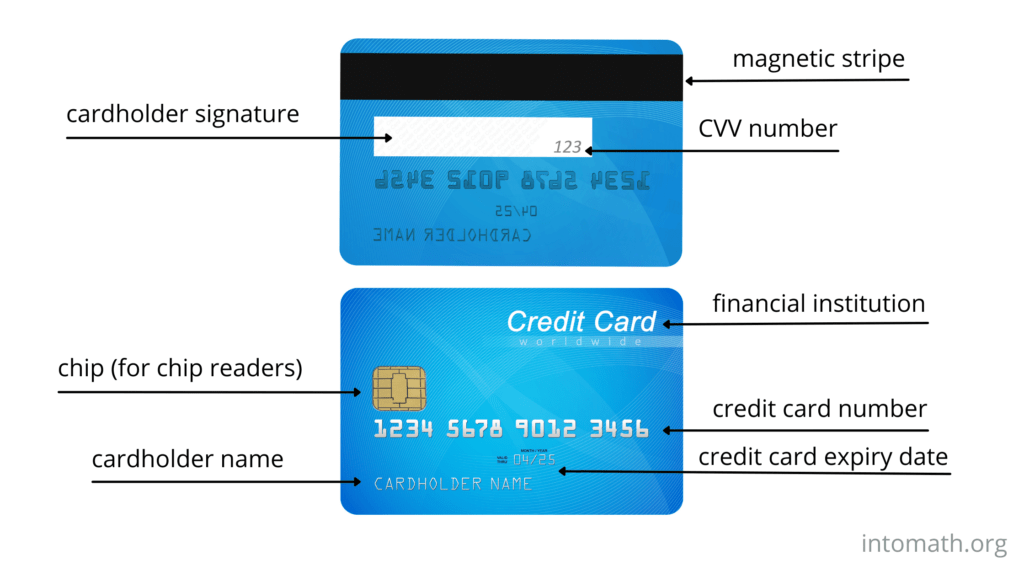
Many major issuers offer a “pre-qualification” or “pre-approval” tool on their websites. This is a critical step because it uses a “soft pull” of your credit report, which does not impact your credit score. While pre-qualification is not a guaranteed approval, it provides a very strong indication of your likelihood of success. It allows you to shop around and see which products you are eligible for before committing to the formal application.
Navigating the Formal Application
The formal application will ask for personal details, including your full legal name, birth date, physical address, and employment status. You will also need to provide your total annual income. Be honest; misrepresenting your income is considered bank fraud and can have severe legal consequences.
Before hitting “submit,” review the “Schumer Box.” This is a legally required table that outlines the card’s interest rates (APR), grace periods, and fee structures. Understanding the difference between the purchase APR and the much higher cash advance APR is essential for maintaining financial health.
Responding to a Denial
If your application is denied, do not panic. Federal law requires the lender to send you an “Adverse Action Notice” explaining why you were turned down. This notice will also provide the credit score used in the decision.
A common strategy is to call the issuer’s reconsideration line. Sometimes, an application is flagged by an automated system for a simple reason, such as a typo in your address or a need for identity verification. Speaking with a human representative allows you to make your case, clarify your income, or explain a one-time blip on your credit report. If the denial stands, use the feedback to improve your profile before applying again in six months.
Strategic Usage: How to Manage Your New Line of Credit
Approval is only the beginning. The way you handle the card in the first 90 days will set the tone for your future relationship with the bank and the credit bureaus.
Mastering the Billing Cycle
To avoid interest charges, you must pay your “Statement Balance” in full by the due date every month. Understanding the “Grace Period”—the window between the end of your billing cycle and your due date—is vital. If you carry even a small balance over to the next month, the grace period usually vanishes, and you will begin accruing interest on every new purchase from the day it is made.
The Utilization Ratio Secret
Your credit utilization ratio is the amount of credit you are using compared to your total available limit. Financial experts recommend keeping this ratio below 30%, though below 10% is ideal for a top-tier credit score. For example, if you have a $1,000 limit, try to never have a balance higher than $300 reported to the bureaus. You can manage this by making multiple small payments throughout the month rather than waiting for the statement date.
Security and Fraud Prevention
In the digital age, monitoring your card for unauthorized transactions is a part of basic financial hygiene. Set up real-time transaction alerts on your mobile device. If you see a purchase you didn’t make, you can “lock” your card instantly through most banking apps. Remember, credit cards offer superior fraud protection compared to debit cards, as the money hasn’t left your bank account while a dispute is being investigated.
The Long Game: Scaling Your Financial Profile
Getting a credit card is a means to an end. That end might be a mortgage with a low interest rate, a car loan, or a business line of credit.
Timing Your Next Application
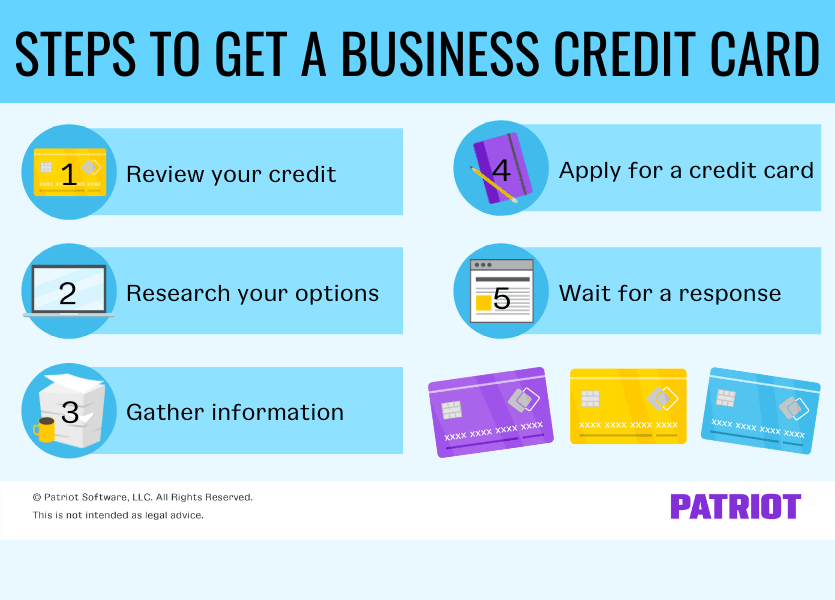
Every time you apply for credit, it creates a hard inquiry that stays on your report for two years (though it only affects your score for one). Therefore, you should be selective. Generally, it is wise to wait at least six months to a year between credit card applications. This demonstrates to lenders that you are not “credit hungry” or in a state of financial distress.
Relationship Banking and Limit Increases
As your income grows and your credit score improves, you don’t always need to apply for a new card to increase your total available credit. Every 6 to 12 months, you can request a credit limit increase on your existing card. A higher limit helps lower your utilization ratio, further boosting your score. Many issuers will grant these increases automatically if you have a history of on-time payments, but a proactive request—supported by updated income information—can accelerate the process.
By viewing the credit card as a tool for leverage rather than a source of extra cash, you position yourself to navigate the financial world with confidence. The path from “how to get a card” to “how to use a card to build wealth” is paved with consistency, education, and strategic decision-making.
aViewFromTheCave is a participant in the Amazon Services LLC Associates Program, an affiliate advertising program designed to provide a means for sites to earn advertising fees by advertising and linking to Amazon.com. Amazon, the Amazon logo, AmazonSupply, and the AmazonSupply logo are trademarks of Amazon.com, Inc. or its affiliates. As an Amazon Associate we earn affiliate commissions from qualifying purchases.