
Filing taxes is an annual obligation that, for many, can conjure feelings of dread, confusion, or even outright panic. The intricate web of forms, ever-changing regulations, and the sheer volume of financial data can feel overwhelming. However, understanding the process and approaching it with a structured plan can transform this daunting task into a manageable and even empowering financial exercise. Far from being just a compliance chore, tax filing is a critical component of personal and business finance, impacting everything from your annual budget to your long-term investment strategies. It’s an opportunity to ensure you’re meeting your civic duties while also maximizing any eligible refunds or minimizing your tax liability.
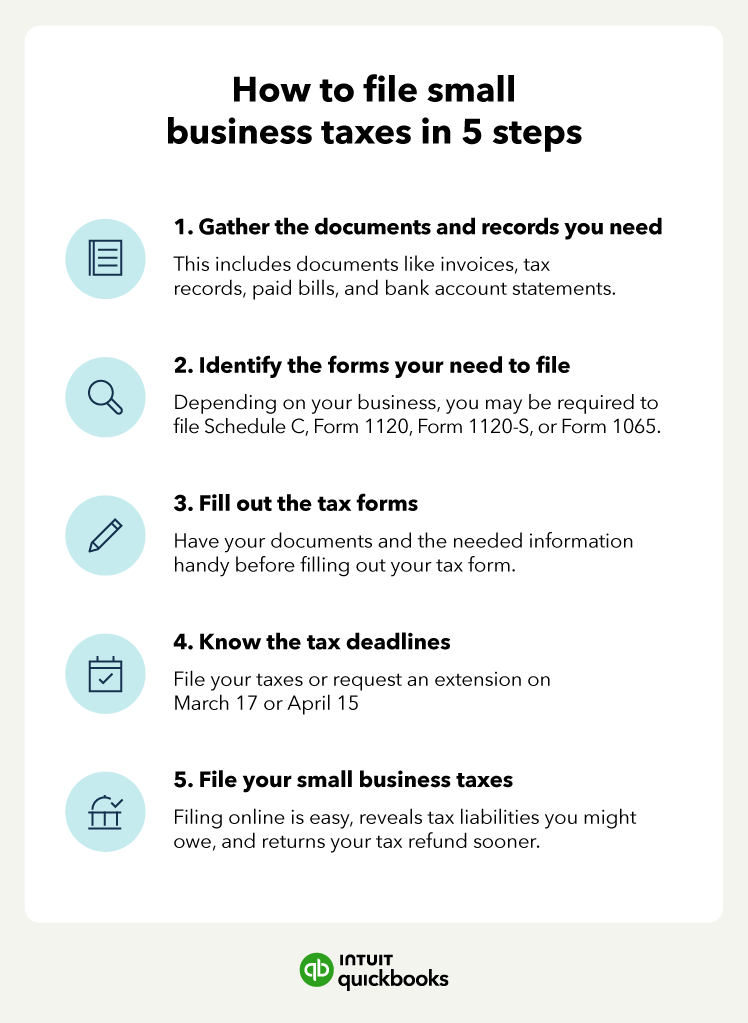
This comprehensive guide aims to demystify the tax filing process, providing clear, actionable insights for individuals and small business owners alike. We’ll navigate through the essential steps, from understanding your obligations and gathering necessary documents to choosing the right filing method and navigating common tax scenarios. By the end, you should feel more confident and prepared to tackle tax season head-on, turning what was once a source of anxiety into an organized financial undertaking.
Understanding Your Tax Filing Obligations
Before you can even begin to think about filling out forms, it’s crucial to understand whether you need to file, when you need to file, and under what status. These foundational elements dictate the scope and timing of your tax preparation efforts.
Who Needs to File?
The requirement to file a federal income tax return primarily depends on your gross income, filing status, and age. The Internal Revenue Service (IRS) sets specific income thresholds each year. If your gross income (all income you receive in the form of money, goods, property, and services that isn’t exempt from tax) exceeds your standard deduction plus any additional standard deduction for age or blindness, you likely need to file.
However, even if your income falls below these thresholds, you might still want to file. For instance, if you had federal income tax withheld from your paychecks or made estimated tax payments, filing is the only way to get a refund for any overpayment. Similarly, if you qualify for certain refundable tax credits, such as the Earned Income Tax Credit (EITC) or the Child Tax Credit, you must file a return to receive those benefits. Self-employed individuals with net earnings of $400 or more are also generally required to file, regardless of their total gross income. It’s also important to remember that state tax filing requirements can differ from federal ones, so you’ll need to check your state’s specific rules.
Key Deadlines to Remember
Tax filing is a time-sensitive process, and missing deadlines can result in penalties and interest charges. The most well-known federal income tax deadline for individuals is typically April 15th (or the next business day if April 15th falls on a weekend or holiday) for the previous calendar year’s income. This is when your tax return must be filed and any taxes owed must be paid.
However, other important deadlines exist:
- Estimated Taxes: If you’re self-employed or have other income not subject to withholding (like interest or dividends), you generally need to pay estimated taxes quarterly. These deadlines are typically April 15th, June 15th, September 15th, and January 15th of the following year.
- Extensions: If you can’t file by the April 15th deadline, you can request an extension, which typically grants you an additional six months to file (until October 15th). Crucially, an extension to file is not an extension to pay. If you owe taxes, you must still pay them by the original April 15th deadline to avoid penalties.
- Business Deadlines: Various business entities have different filing deadlines. For instance, partnerships and S corporations often have a March 15th deadline, while C corporations typically align with the individual April 15th deadline (or the 15th day of the fourth month after their fiscal year ends).
Proactive calendar management is essential to avoid last-minute stress and potential penalties.
Types of Tax Filers
Your filing status is one of the most significant factors in determining your standard deduction, tax rates, and eligibility for certain credits. The five main filing statuses are:
- Single: For individuals who are unmarried, legally separated according to state law, or divorced on December 31st of the tax year.
- Married Filing Jointly (MFJ): For married couples who choose to report their incomes, exemptions, and deductions on the same return. This often results in a lower tax liability than filing separately.
- Married Filing Separately (MFS): For married couples who choose to file individual returns. This can sometimes be advantageous in specific situations, such as when one spouse has significant medical expenses or wishes to avoid liability for the other spouse’s tax errors.
- Head of Household (HoH): For unmarried individuals who pay more than half the cost of keeping up a home for themselves and a qualifying person (e.g., a dependent child or relative) for more than half the year. This status offers a higher standard deduction and more favorable tax rates than Single.
- Qualifying Widow(er) with Dependent Child: For individuals whose spouse died within the last two tax years and who have a dependent child, meeting certain other requirements. This status allows the surviving spouse to use the Married Filing Jointly tax rates and the highest standard deduction for two years following the year of their spouse’s death.
Choosing the correct filing status is paramount, as it directly impacts your tax outcome. If more than one status applies, you should typically choose the one that results in the lowest tax.
Gathering Your Essential Tax Documents
The backbone of an accurate tax return is a complete collection of your financial documents. Before you even think about numbers, take the time to organize all relevant paperwork. This systematic approach not only speeds up the filing process but also minimizes errors and ensures you claim all eligible deductions and credits.
Income Statements
These documents report the money you earned throughout the year from various sources. They typically start arriving in your mailbox or online accounts by late January or early February.
- W-2 Wage and Tax Statement: This is the most common income document for employees, issued by your employer. It reports your annual wages, tips, and other compensation, along with federal, state, and local taxes withheld.
- Form 1099-NEC (Nonemployee Compensation): If you worked as an independent contractor, freelancer, or gig worker and earned $600 or more from a single payer, you’ll receive this form.
- Form 1099-MISC (Miscellaneous Information): Reports various types of miscellaneous income, such as rents, royalties, or awards. Less common for nonemployee compensation since the introduction of 1099-NEC.
- Form 1099-INT (Interest Income): Issued by banks and financial institutions for interest earned on savings accounts, CDs, or money market accounts if it totals $10 or more.
- Form 1099-DIV (Dividends and Distributions): Reports dividends from stocks, mutual funds, and other investments, also usually for amounts $10 or more.
- Form 1099-B (Proceeds From Broker and Barter Exchange Transactions): Reports proceeds from the sale of stocks, bonds, or other securities.
- Schedule K-1 (Form 1065 or 1041): If you’re a partner in a partnership or a beneficiary of an estate or trust, you’ll receive this detailing your share of the income, deductions, credits, etc.
- Form SSA-1099 (Social Security Benefit Statement): Reports the total amount of Social Security benefits you received.
- Other Income: Documentation for rental income, gambling winnings, unemployment compensation (Form 1099-G), and any other sources of taxable income.
Deduction & Credit Documentation
Claiming eligible deductions and credits can significantly reduce your taxable income or your tax liability. Accurate records are vital to support these claims.
- Mortgage Interest (Form 1098): Reports the interest you paid on your home mortgage.
- Student Loan Interest (Form 1098-E): Reports interest paid on qualified student loans.
- Medical and Dental Expenses: Keep records of out-of-pocket payments for doctors, dentists, prescriptions, insurance premiums, and other medical care costs.
- Charitable Contributions: Receipts or acknowledgment letters for cash and non-cash donations to qualified organizations.
- Child Care Expenses: Statements from providers, including their Employer Identification Number (EIN) or Social Security number.
- Education Expenses (Form 1098-T): Tuition statements from educational institutions, along with records of other qualified education expenses.
- Retirement Contributions: Records of contributions to IRAs or other retirement accounts.
- Business Expenses: If self-employed, meticulous records of all business-related expenses (mileage, home office costs, supplies, professional development, etc.).
Other Important Records
Don’t overlook these crucial pieces of information:
- Previous Year’s Tax Return: This can serve as a valuable reference point, reminding you of recurring deductions, credits, and providing prior year adjusted gross income (AGI) which may be needed for certain calculations.
- Social Security Numbers (SSN) / Individual Taxpayer Identification Numbers (ITIN): For yourself, your spouse, and all dependents.
- Bank Account Information: For direct deposit of your refund or direct debit of any taxes owed.
- Identity Protection PIN (IP PIN): If you received one from the IRS to prevent identity theft.
Organizing these documents into a dedicated tax folder throughout the year can save you immense time and stress when tax season arrives.
Choosing Your Tax Filing Method
Once you have all your documents in hand, the next decision is how you will file your taxes. There are several popular methods, each with its own advantages and disadvantages, catering to different levels of complexity and comfort with financial tools.
DIY Online Tax Software

For many taxpayers, especially those with relatively straightforward returns, online tax software offers a convenient and cost-effective solution. These platforms guide you through the process step-by-step, asking questions and populating the correct forms based on your answers.
- Pros: Generally more affordable than professional preparers, accessible 24/7, allows you to maintain control over your return, built-in error checks. Many offer free versions for simple returns. Popular options include TurboTax, H&R Block, TaxAct, and FreeTaxUSA. These are excellent examples of “financial tools” that empower individuals.
- Cons: Requires a basic understanding of your financial situation and the ability to accurately input data. May not be suitable for highly complex returns (e.g., extensive self-employment income, foreign income, multiple rental properties). Accuracy ultimately rests on the user’s input.
- When to Use: Ideal for W-2 earners, those with some investment income, student loan interest, or basic deductions.
The Professional Touch: Tax Preparers & Accountants
If your tax situation is complex, you own a business, or you simply prefer to outsource the task, a professional tax preparer or Certified Public Accountant (CPA) can be invaluable.
- Pros: Expertise in complex tax laws, ability to identify obscure deductions and credits you might miss, assistance with audit representation, reduces stress and saves time, provides peace of mind regarding accuracy. Essential for “business finance” needs.
- Cons: More expensive than DIY software, requires you to share sensitive financial information.
- When to Use: Recommended for self-employed individuals with significant business expenses, those with multiple income streams, investments, real estate, major life changes (marriage, divorce, new child, home sale), or anyone who feels overwhelmed by the process. When selecting a preparer, ensure they are reputable, credentialed (e.g., CPA, Enrolled Agent), and have a Preparer Tax Identification Number (PTIN).
Free Tax Filing Options
The IRS provides options for eligible taxpayers to file their federal tax returns for free.
- IRS Free File Program: This partnership between the IRS and tax software companies allows taxpayers within certain income limits (which change annually) to use participating brand-name software for free. Some programs also offer free state tax filing. This is a valuable “financial tool” for lower and middle-income individuals.
- Volunteer Income Tax Assistance (VITA) and Tax Counseling for the Elderly (TCE): These programs offer free tax help to qualified individuals, including those who make $64,000 or less, persons with disabilities, and limited English-speaking taxpayers (VITA) or individuals age 60 and over (TCE). IRS-certified volunteers provide basic income tax return preparation with electronic filing.
- When to Use: These options are excellent for individuals who meet the income criteria and have relatively simple tax returns, providing access to professional-grade software or direct assistance without the cost.
Navigating the Filing Process: Step-by-Step
Regardless of the method you choose, the core steps of filing your taxes remain consistent. Approaching it systematically will help ensure accuracy and completeness.
Inputting Your Information
Whether you’re using software or working with a professional, this phase involves meticulously transferring the data from your collected documents onto the appropriate forms.
- Accuracy is Key: Double-check every number from your W-2s, 1099s, and other statements. Even a small transposition error can lead to discrepancies or trigger an IRS review.
- Understanding Forms: While software largely automates this, it’s beneficial to have a general understanding of what information goes where. For example, Schedule A is for itemized deductions, Schedule C is for self-employment income and expenses, and Schedule D for capital gains and losses.
- Personal Details: Ensure your Social Security number, name, address, and filing status are correct for yourself, your spouse, and all dependents.
Maximizing Deductions and Credits
This is where careful planning and documentation pay off. Don’t leave money on the table!
- Common Deductions: These include the standard deduction (which most taxpayers take), itemized deductions (medical expenses, state and local taxes (SALT) up to $10,000, mortgage interest, charitable contributions), student loan interest, IRA contributions, and self-employment deductions (for business owners).
- Exploring Less Obvious Ones: Did you incur unreimbursed employee expenses (though limited under current law), educator expenses, or specific moving expenses for military personnel? Do you qualify for energy-efficient home improvement credits? Review all possibilities.
- Understanding Eligibility: Each deduction and credit has specific criteria. Ensure you meet them and have the necessary documentation to support your claims. For example, certain credits are refundable, meaning they can result in a refund even if you owe no tax, while others are non-refundable, only reducing your tax liability to zero.
Reviewing and Submitting Your Return
This is the final critical stage before your return is officially sent to the IRS.
- Final Check: Before clicking “submit” or signing, meticulously review the entire return. Check for any missing information, misspellings, or mathematical errors. Most software includes a review process, but a manual check by you is invaluable.
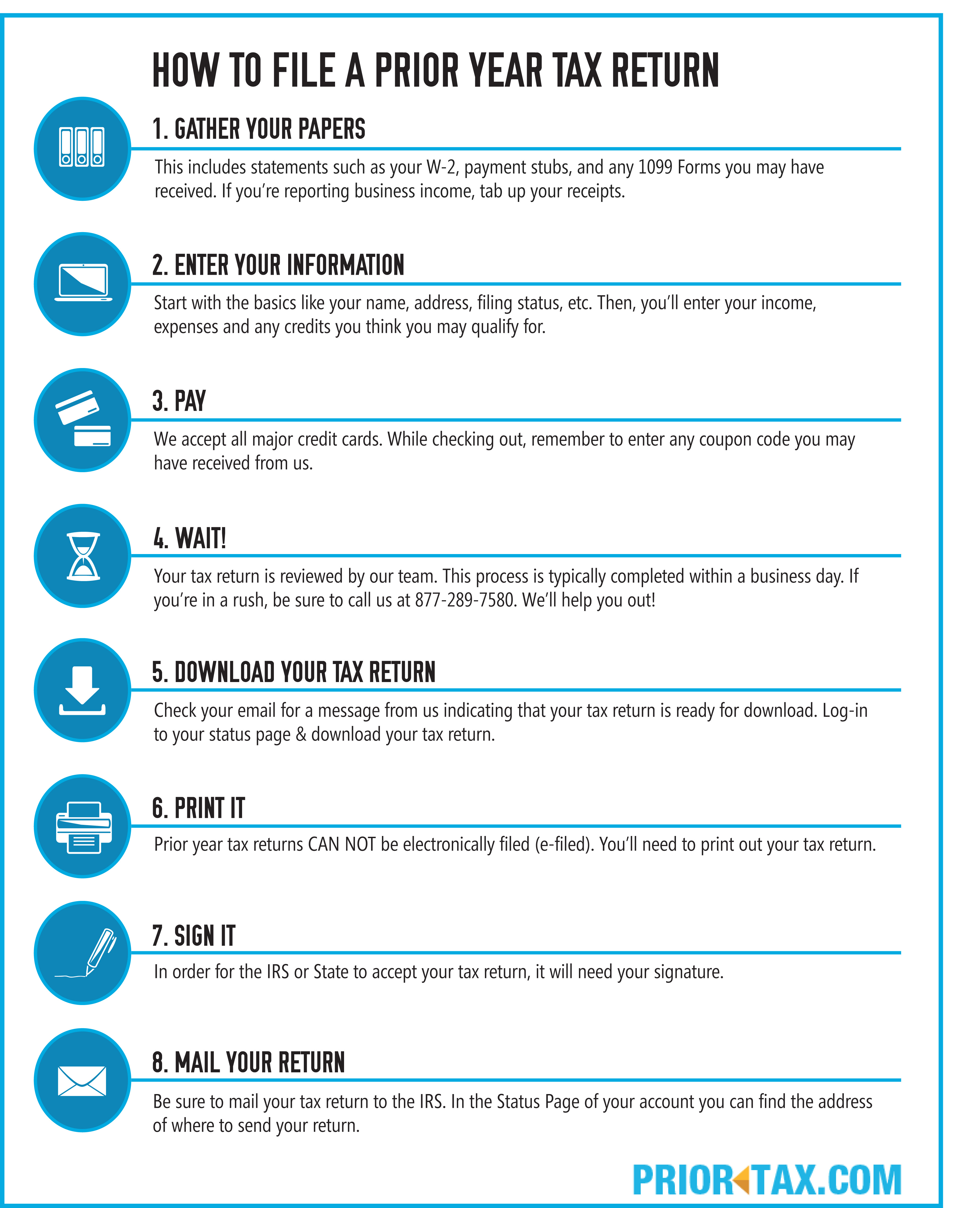
- E-filing vs. Paper Filing: E-filing (electronic filing) is generally recommended. It’s faster, more accurate (due to built-in checks), and provides quicker confirmation of acceptance. Refunds are typically processed faster as well. If you paper file, make sure to use the correct mailing address and keep a copy for your records.
- Proof of Submission: For e-filing, ensure you receive confirmation that your return was accepted by the IRS and your state tax agency (if applicable). If paper filing, consider sending via certified mail with a return receipt.
What to Do After Filing
Your tax duties don’t end with submission. A few post-filing steps are crucial:
- Keeping Records: Store copies of your filed return and all supporting documents (W-2s, 1099s, receipts) in a safe, accessible place for at least three years, as this is the general statute of limitations for IRS audits. Some records (e.g., related to property sales) should be kept much longer.
- Understanding Your Refund/Payment: If you’re receiving a refund, monitor its status through the IRS “Where’s My Refund?” tool. If you owe taxes, ensure your payment is successfully processed by the deadline.
- Estimated Taxes for Next Year: If you had a significant refund or owed a substantial amount, it might be worth adjusting your withholdings or making estimated tax payments for the upcoming year to avoid a repeat situation. This proactive “personal finance” step can smooth out your annual cash flow.
Common Tax Scenarios and Considerations
While the general filing process applies to most, certain situations introduce unique complexities and opportunities.
Self-Employment and Gig Economy Taxes
The rise of the gig economy has brought many into the world of self-employment, which carries distinct tax implications.
- Estimated Taxes: As a self-employed individual, taxes aren’t withheld from your income. You are responsible for paying estimated taxes quarterly to cover income tax and self-employment taxes (Social Security and Medicare). Failing to do so can result in penalties.
- Deductions Specific to Freelancers: You can deduct legitimate business expenses, such as home office expenses, business travel, supplies, professional development, health insurance premiums (if self-employed and not eligible for other plans), and a portion of your self-employment tax.
- Schedule C (Profit or Loss From Business): This is the form where you report your business income and expenses. Meticulous record-keeping is vital here.
- Retirement Planning: Self-employed individuals have excellent opportunities for tax-advantaged retirement savings through options like SEP IRAs, Solo 401(k)s, and SIMPLE IRAs, which offer significant deduction potential. These are powerful “financial tools” for future security.
Investment Income and Capital Gains
Investing in stocks, bonds, mutual funds, or real estate generates different types of income, each taxed differently.
- Form 1099-B: Your brokerage firm will send this form, reporting the proceeds from sales of stocks or other securities.
- Capital Gains and Losses: When you sell an investment, the difference between what you paid for it (cost basis) and what you sold it for is a capital gain or loss. These are categorized as short-term (held for one year or less, taxed at ordinary income rates) or long-term (held for more than one year, taxed at lower preferential rates).
- Wash Sale Rule: Be aware of rules like the “wash sale” rule, which prevents you from claiming a loss on a security if you buy a substantially identical security within 30 days before or after the sale.
- Dividend Income: Qualified dividends are taxed at long-term capital gains rates, while non-qualified dividends are taxed at ordinary income rates.
- Interest Income: Taxable interest income is reported on Form 1099-INT and taxed at ordinary income rates.
Life Changes Affecting Your Taxes
Major life events often have significant tax consequences that require attention.
- Marriage or Divorce: Changing your filing status, combining or separating finances, and dependency exemptions can all be impacted.
- New Child: A new dependent can bring eligibility for the Child Tax Credit, Credit for Other Dependents, and increased deductions.
- Home Purchase or Sale: Homeowners can deduct mortgage interest and property taxes. Selling a home may involve capital gains, but significant exclusion rules often apply for primary residences.
- Job Loss or Change: Unemployment income is taxable, and changing jobs might affect your withholding or require you to adjust estimated tax payments.
- Retirement: Income sources shift from wages to pensions, Social Security, and retirement account withdrawals, which have different tax treatments.
Being aware of how these life changes interact with the tax code allows for proactive planning to optimize your financial outcome.
Conclusion
Filing your taxes, while never truly simple, doesn’t have to be a source of overwhelming anxiety. By understanding your obligations, diligently gathering your documents, choosing the filing method that best suits your needs, and methodically working through the process, you can navigate tax season with confidence and competence. Moreover, viewing tax filing not merely as an annual chore but as a crucial component of your personal and business finance empowers you to make informed decisions throughout the year.
Proactive planning, meticulous record-keeping, and a willingness to learn about available deductions and credits are your greatest allies. Whether you leverage advanced financial software or seek the expertise of a seasoned professional, the goal remains the same: to file an accurate return that fulfills your civic duty while optimizing your financial well-being. Embrace the opportunity to take control of your taxes, and you’ll find it an insightful exercise in managing your money effectively, laying a solid foundation for your financial future.
aViewFromTheCave is a participant in the Amazon Services LLC Associates Program, an affiliate advertising program designed to provide a means for sites to earn advertising fees by advertising and linking to Amazon.com. Amazon, the Amazon logo, AmazonSupply, and the AmazonSupply logo are trademarks of Amazon.com, Inc. or its affiliates. As an Amazon Associate we earn affiliate commissions from qualifying purchases.