
The question of “how fast do Frontier planes fly” might seem straightforward, but it opens a fascinating window into the complex world of aviation technology, engineering, and operational logistics. Far from a simple number, aircraft speed is a dynamic metric influenced by a myriad of factors, from the specific models in an airline’s fleet to atmospheric conditions, air traffic control, and an airline’s strategic priorities regarding fuel efficiency versus schedule adherence. For a budget carrier like Frontier Airlines, understanding the nuances of their operational speed provides insight not just into their performance, but also into the underlying technological capabilities that define modern commercial air travel.
At its core, commercial aviation relies on sophisticated technology to transport millions of passengers safely and efficiently. The speed at which an aircraft traverses the skies is a testament to decades of aerospace innovation, encompassing advanced aerodynamics, powerful propulsion systems, and intricate flight management software. This article delves into the technical aspects of aircraft speed, specifically focusing on Frontier Airlines’ fleet, the technological determinants of their flight performance, and how these factors position them within the broader technological landscape of the aviation industry.
Understanding Aircraft Speed: More Than Just the Throttle
Aircraft speed is not a monolithic concept. Pilots, engineers, and air traffic controllers refer to several different metrics, each relevant in specific contexts. Understanding these distinctions is crucial to appreciating the technological capabilities of commercial aircraft.
Key Metrics: Cruising Speed vs. Top Speed
When discussing how fast an airplane flies, two primary speed metrics typically emerge: cruising speed and maximum speed.
Cruising Speed is arguably the most pertinent metric for commercial aviation. This is the speed at which an aircraft spends the majority of its flight, typically at high altitudes (around 30,000 to 40,000 feet). It represents the most fuel-efficient and operationally sound speed for sustained flight, balancing journey time with fuel consumption, engine wear, and passenger comfort. For most modern commercial jets, including those operated by Frontier, cruising speeds typically range from Mach 0.78 to Mach 0.82 (approximately 480 to 520 knots, or 550 to 600 miles per hour). This speed is carefully calculated to optimize a combination of thrust, drag, and lift, ensuring the aircraft operates within its most efficient aerodynamic envelope. It’s a sweet spot determined by the aircraft’s design, engine power, and operational economics.
Maximum Operating Speed (Vmo/Mmo), on the other hand, represents the highest speed an aircraft is certified to fly under normal operating conditions. This is a structural and aerodynamic limit, designed to prevent damage to the airframe or loss of control. Reaching this speed is rare in commercial operations, typically reserved for specific testing or emergency maneuvers, as it places significant stress on the aircraft and consumes an excessive amount of fuel. While a plane might be capable of reaching a higher speed for short durations, its practical and safe operational limit is dictated by its Vmo/Mmo. For aircraft like the Airbus A320 family, the maximum operating Mach number (Mmo) is typically around Mach 0.82 or 0.86, translating to roughly 575 to 660 mph, depending on altitude and specific conditions. This isn’t a speed an airline would regularly operate at due to efficiency and safety margins.
Factors Influencing Flight Speed
Beyond the aircraft’s inherent design capabilities, several dynamic factors constantly influence its actual speed in flight. These are critical technological and environmental considerations that pilots and flight management systems (FMS) must account for.
- Altitude: Air density decreases with altitude. At higher altitudes, there is less drag, allowing aircraft to achieve higher true airspeeds with the same amount of thrust, or maintain speed with less thrust, improving fuel efficiency. However, engines also produce less thrust in thinner air, creating an optimal balance point.
- Weight: A heavier aircraft requires more thrust to overcome drag and achieve a given speed, leading to lower acceleration and potentially lower maximum speeds or increased fuel burn. Weight includes passengers, cargo, and especially fuel, which is continuously consumed during flight. Modern FMS continuously calculate optimal speed profiles based on real-time weight changes.
- Temperature: Air temperature affects air density and engine performance. Colder air is denser, which can increase lift and engine efficiency but also increase drag.
- Wind: Headwinds reduce an aircraft’s ground speed (the speed relative to the ground), while tailwinds increase it. The aircraft’s true airspeed (its speed relative to the air mass) remains constant, but its progress over the ground changes significantly. Modern flight planning software leverages sophisticated meteorological data to optimize routes for favorable winds.
- Air Traffic Control (ATC): ATC often dictates speeds and altitudes to maintain safe separation between aircraft, manage traffic flow, and ensure efficient use of airspace. Aircraft are frequently instructed to slow down or hold specific speeds to fit into arrival or departure sequences, overriding an airline’s preferred cruising speed.
- Aerodynamics: The shape and design of the aircraft are fundamental. Advanced wing designs (e.g., sharklets on Airbus aircraft), lightweight composite materials, and meticulous engineering minimize drag and maximize lift, directly impacting speed and fuel efficiency.
The Frontier Airlines Fleet: A Deep Dive into Performance
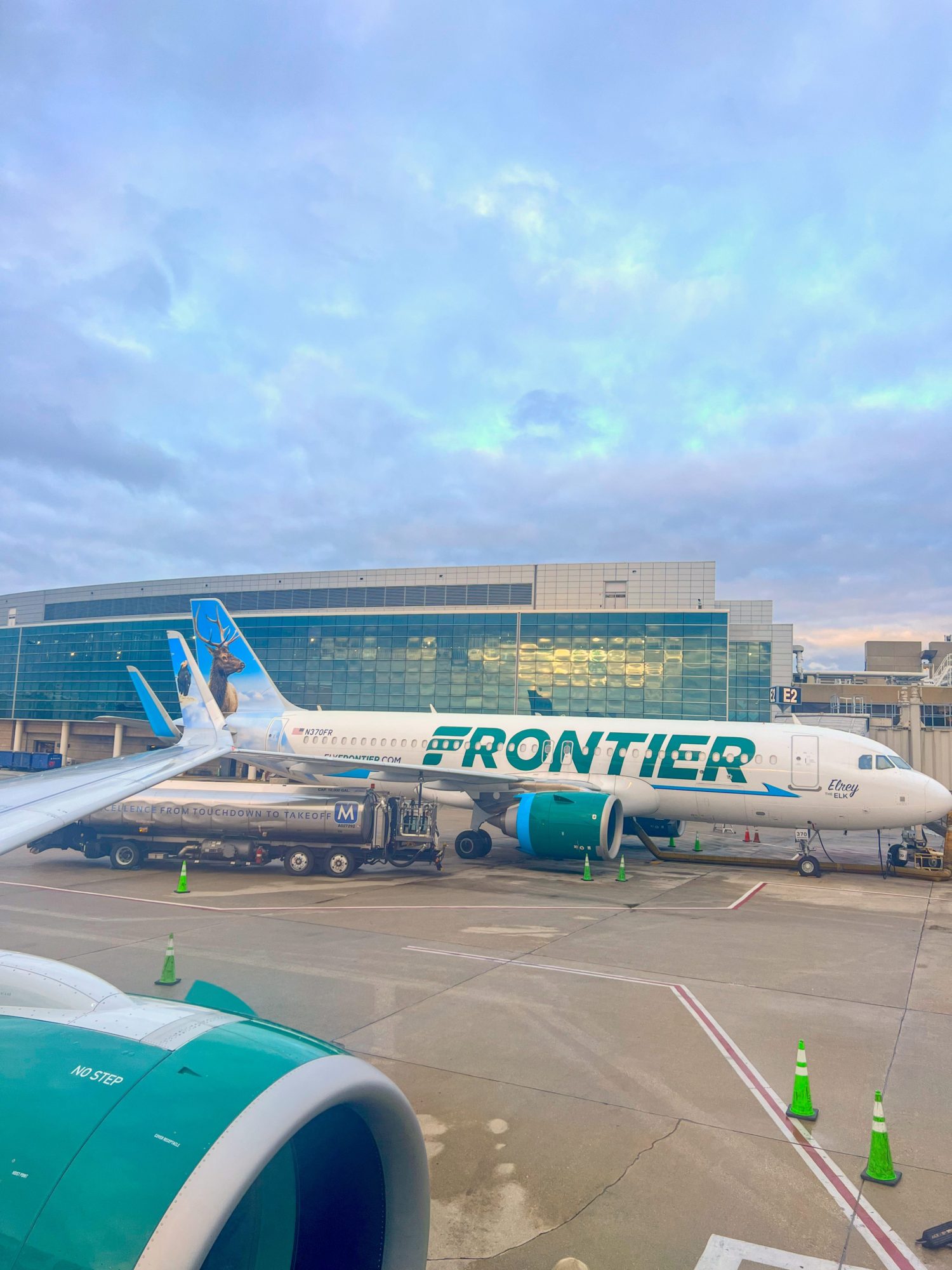
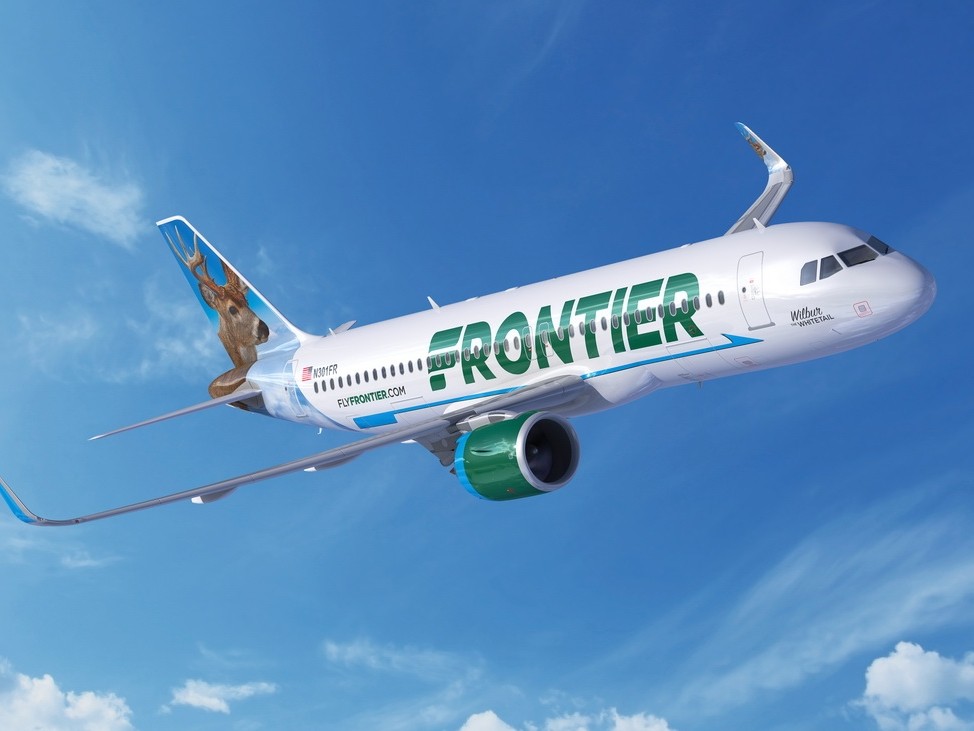
Frontier Airlines operates an all-Airbus fleet, primarily consisting of the A320 family. This strategic choice influences their operational speed characteristics, as these aircraft are renowned for their efficiency, reliability, and modern aerospace technology.
Airbus A320 Family: The Workhorses
Frontier’s fleet is comprised mainly of the Airbus A320neo, A321neo, and A320ceo models. The “neo” (new engine option) variants represent a significant technological leap over the “ceo” (current engine option) models, primarily in propulsion.
- Airbus A320neo: This narrow-body aircraft is a staple for short to medium-haul flights. Its cruising speed typically hovers around Mach 0.78 to Mach 0.82 (approximately 518 to 540 mph or 450 to 470 knots). The neo’s advanced engines offer improved fuel efficiency and reduced noise, but its maximum speed capabilities are largely in line with its predecessor.
- Airbus A321neo: As a stretched version of the A320neo, the A321neo offers greater capacity and range. Despite its larger size, its aerodynamic design and powerful engines enable it to maintain similar cruising speeds to the A320neo. Its slightly higher maximum take-off weight might marginally influence acceleration or climb rates compared to the A320neo, but its optimal cruising parameters are very similar.
- Airbus A320ceo: While being phased out in favor of the neo, the ceo models still form part of Frontier’s fleet. Their performance characteristics are very similar to the neo models in terms of speed, though they are less fuel-efficient due to older engine technology.
The “neo” designation signifies a crucial technological upgrade: the new engine options. These engines, either the CFM LEAP-1A or the Pratt & Whitney PW1100G, are central to the aircraft’s performance.
Engines and Aerodynamics: The Technology Behind Frontier’s Flight

The speed capabilities of Frontier’s Airbus fleet are a direct result of cutting-edge engine technology and sophisticated aerodynamic design.
- Propulsion Systems: The CFM LEAP-1A and Pratt & Whitney PW1100G engines are marvels of modern engineering. They incorporate advanced materials, higher bypass ratios (for improved fuel efficiency), and sophisticated electronic engine controls (FADEC – Full Authority Digital Engine Control). These engines generate immense thrust, pushing the aircraft to its cruising altitude quickly and maintaining a high true airspeed efficiently. The FADEC system continuously monitors engine parameters, optimizing fuel flow and performance based on real-time flight conditions, contributing directly to achieving optimal cruising speeds.
- Aerodynamic Enhancements: Airbus aircraft, including those operated by Frontier, benefit from continuous aerodynamic refinements. A key visible enhancement is the sharklets (large wingtip devices). These aren’t just cosmetic; they reduce induced drag, effectively increasing lift and allowing for either faster flight at the same thrust settings or the same speed with less fuel. This direct technological improvement translates into more efficient speed delivery. The overall smooth contours, efficient wing design, and optimized fuselage shape of the A320 family are all geared towards minimizing air resistance, allowing the aircraft to slice through the air with maximal efficiency and maintain high speeds with less effort.
Operational Realities and Technical Constraints
While the inherent technological capabilities of Frontier’s aircraft set the potential speed limits, real-world operations introduce a layer of constraints and trade-offs.
Air Traffic Control and Route Optimization
Even the fastest aircraft cannot simply fly at its maximum potential speed at all times. Air Traffic Control (ATC) systems, which are themselves highly complex technological networks, dictate precise routes, altitudes, and speeds to ensure safety and manage the immense volume of global air traffic.
- Speed Restrictions: ATC often imposes speed restrictions, particularly in congested airspace around airports, during climb, and descent phases. These restrictions are critical for maintaining separation between aircraft and coordinating arrivals and departures. An aircraft might be perfectly capable of flying faster, but ATC instructions will supersede this.
- Route Efficiency: While direct routes are generally faster, they might not always be available due to weather, restricted airspace, or other traffic. Flight planning systems, employing sophisticated algorithms, continuously calculate the most efficient routes, considering winds, ATC preferences, and an airline’s operational targets. These systems leverage vast amounts of real-time data to optimize ground speed, not just true airspeed, balancing time with fuel burn.
Fuel Efficiency vs. Speed: A Balancing Act
For any airline, especially a budget carrier like Frontier, operational costs are paramount. Fuel is one of the largest expenditures. This creates a critical technical and economic balancing act between speed and fuel efficiency.
- Optimal Speed for Efficiency: Flying faster generally requires more thrust, which translates to higher fuel consumption. There’s an “economical speed” (often slightly below maximum cruising speed) where the aircraft achieves the best balance of speed and fuel burn. Airlines use sophisticated flight management systems (FMS) and operational software to continuously calculate and maintain this optimal speed profile for each flight segment, taking into account current weight, atmospheric conditions, and route specifics.
- Schedule Reliability: While fuel efficiency is crucial, airlines also prioritize schedule reliability and on-time performance. Sometimes, flying slightly faster, even at the cost of a bit more fuel, is necessary to make up for delays or ensure connections. This decision is often made by the airline’s operations center, leveraging real-time data and predictive analytics. The technology in the FMS allows pilots to execute these adjustments precisely.
Comparing Frontier’s Speed to Industry Standards
How does Frontier Airlines’ operational speed stack up against the broader aviation industry, and what does the future hold for flight speed technology?
How Frontier Stacks Up Against Other Airlines
Because Frontier operates the ubiquitous Airbus A320 family, their aircraft’s intrinsic speed capabilities are largely in line with other airlines operating similar narrow-body jets worldwide.
- Comparable Performance: Airlines like Spirit Airlines, JetBlue, American Airlines, United Airlines, and Delta Air Lines all operate significant numbers of A320s or Boeing 737s (which have very similar performance characteristics). Therefore, the cruising speeds of Frontier’s aircraft are essentially identical to those of their direct competitors and many full-service carriers for comparable routes.
- No “Faster” or “Slower” Airlines: It’s a common misconception that some airlines fly inherently “faster” than others for the same aircraft type. While an airline’s scheduling might appear to imply faster travel (e.g., allocating less block time for a route), this is more often a result of efficient ground operations, less padding in the schedule, or favorable routing rather than consistently flying at a higher true airspeed. All airlines are subject to the same ATC rules and strive for similar fuel efficiency, meaning they largely operate their identical aircraft at the same optimal cruising speeds. The technology is standardized.
Future of Aviation Speed Technology
While the current generation of commercial aircraft operates within a relatively narrow band of cruising speeds, ongoing technological advancements promise shifts, albeit not necessarily towards vastly higher speeds for conventional travel.
- Hypersonic and Supersonic Revival: There’s renewed interest in supersonic travel (flying faster than the speed of sound) for niche markets, with companies like Boom Supersonic developing new aircraft. These are extreme examples of speed technology, aimed at very specific, premium routes, and would represent a paradigm shift in aviation performance. However, these are unlikely to be adopted by budget carriers like Frontier due to immense operational costs and fuel burn.
- Efficiency, Not Just Speed: The primary focus of aviation technology development continues to be on fuel efficiency and environmental sustainability, rather than simply increasing speed. Innovations in engine design, lighter composite materials, advanced aerodynamics (e.g., laminar flow control), and sophisticated AI-driven flight management systems are aimed at reducing drag, improving thrust-to-weight ratios, and optimizing flight profiles to achieve the most efficient speed for a given mission, which often results in similar or slightly improved transit times without significantly increasing the top speed.
- Sustainable Aviation Fuels (SAFs) and Electric Propulsion: While not directly increasing speed, these technologies are crucial for the future. As alternative propulsion systems become more viable, they will influence operational parameters, potentially allowing for different optimal speed profiles in the long term, albeit with a heavy emphasis on sustainability.
In conclusion, the question of “how fast do Frontier planes fly” unpacks a nuanced narrative of technological prowess and operational realities. Frontier Airlines, leveraging its modern Airbus A320 family fleet, operates aircraft with cruising speeds consistent with industry standards for narrow-body jets, typically around 550-600 mph. These speeds are dictated by sophisticated engineering in engines and aerodynamics, optimized for fuel efficiency and safety, and dynamically managed by advanced flight management systems and air traffic control. While the quest for faster travel continues in specialized niches, the core of commercial aviation technology, including for carriers like Frontier, remains focused on delivering efficient, reliable, and safe travel within the established envelope of modern aircraft performance.
aViewFromTheCave is a participant in the Amazon Services LLC Associates Program, an affiliate advertising program designed to provide a means for sites to earn advertising fees by advertising and linking to Amazon.com. Amazon, the Amazon logo, AmazonSupply, and the AmazonSupply logo are trademarks of Amazon.com, Inc. or its affiliates. As an Amazon Associate we earn affiliate commissions from qualifying purchases.