
The question of how easy it is to secure a business loan is one that resonates with countless entrepreneurs, from fledgling startups to established enterprises eyeing expansion. In an economic landscape that is constantly shifting, access to capital remains a critical determinant of business survival and growth. However, the perceived ease or difficulty of obtaining a business loan is rarely a straightforward answer; it’s a complex interplay of numerous factors, including the business’s financial health, the entrepreneur’s creditworthiness, the type of loan sought, and the prevailing economic conditions. This article will delve into the intricacies of the business lending environment, demystifying the process and offering insights into how businesses can best position themselves for success.
Understanding the Business Lending Landscape
Before diving into the specifics of loan applications, it’s essential to grasp the broader context of business lending. The market is diverse, populated by a spectrum of lenders, each with unique criteria, risk appetites, and product offerings. The “ease” of getting a loan often correlates directly with the perceived risk involved for the lender.
The Myth vs. Reality of Business Funding
Many entrepreneurs begin their journey with a romanticized view of funding, perhaps envisioning a quick approval for a substantial sum. The reality, however, is far more granular. Lenders, whether traditional banks or modern online platforms, are primarily concerned with one thing: getting their money back, with interest. This fundamental principle drives their entire evaluation process. The myth that a great idea is enough to secure funding quickly dissipates when faced with the rigorous financial scrutiny applied to every application. While an innovative concept is certainly a plus, it must be underpinned by a solid business model, demonstrated financial viability, and a clear repayment strategy. The ease of securing a loan, therefore, is directly proportional to how effectively a business can mitigate perceived risks for a potential lender.
Why Lenders Are Cautious: Risk Assessment
Lenders are inherently risk-averse. Their business model relies on accurate risk assessment and the ability to predict future repayment capacity. When a business applies for a loan, lenders are not just looking at the present state of affairs but are attempting to forecast the future performance of the business. Factors contributing to their caution include economic downturns, industry-specific challenges, market volatility, and the inherent unpredictability of entrepreneurial ventures. Small businesses, especially startups, often represent a higher risk category due to limited operating history, fewer assets, and a greater dependency on the owner’s personal financial stability. This caution manifests in stringent application requirements, collateral demands, and personal guarantees, all designed to safeguard the lender’s investment.
The Evolving Role of Technology in Lending
The advent of financial technology (fintech) has significantly reshaped the lending landscape, potentially making access to capital “easier” for some businesses, particularly those traditionally underserved by conventional banks. Online lenders, leveraging sophisticated algorithms and big data, can process applications faster, assess risk differently, and offer more tailored products. This technological shift has introduced greater competition, sometimes leading to more flexible terms or quicker turnaround times. However, while technology can streamline the application process and broaden access, it doesn’t eliminate the fundamental need for a sound financial profile. It simply provides new avenues and, in some cases, a more accessible entry point for businesses that might struggle with the rigid structures of traditional banking.
Key Factors Influencing Loan Approval
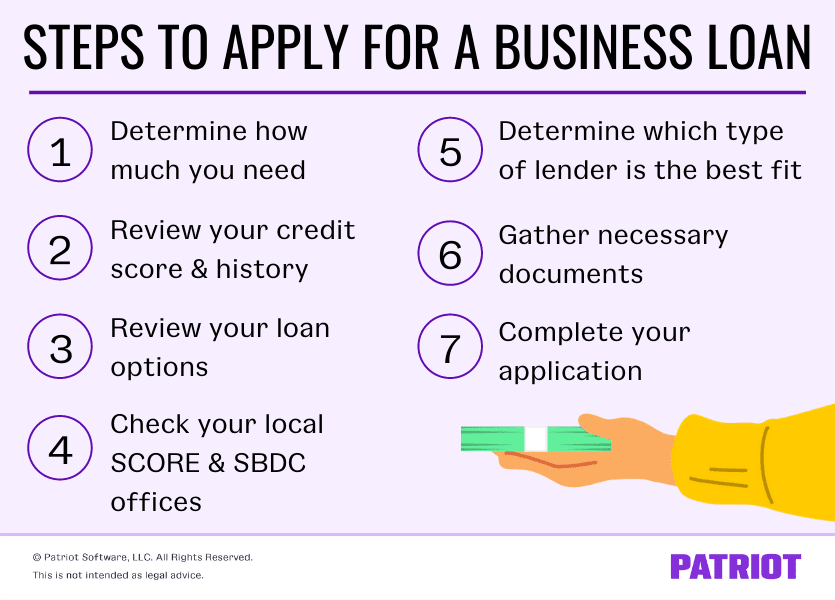
The decision to approve or deny a business loan hinges on several critical factors that lenders meticulously evaluate. Understanding these elements is crucial for any business owner hoping to improve their chances of success.
Creditworthiness: Personal and Business Scores
Creditworthiness is paramount. For many small businesses, especially those in their early stages, the owner’s personal credit score (FICO score) plays a significant role. A strong personal credit history demonstrates a track record of responsible financial management. As the business matures, it develops its own business credit score, which lenders will increasingly rely on. A good business credit score indicates the company’s ability to manage its financial obligations independently. Lenders look for low delinquency rates, a history of timely payments, and a manageable debt-to-credit utilization ratio. A poor credit score, whether personal or business, is often a major hurdle, signaling higher risk to the lender.
Financial Health: Revenue, Profitability, and Cash Flow
Lenders want to see evidence that your business is financially sound and capable of generating enough income to comfortably repay the loan. This means scrutinizing your financial statements:
-
Revenue: Consistent, growing revenue streams indicate market demand and operational efficiency.
-
Profitability: A history of profitability shows the business can operate efficiently and generate a surplus.
-
Cash Flow: This is arguably the most critical metric. Lenders assess your cash flow to ensure you have sufficient liquid funds to cover loan payments, even during leaner periods. Positive and predictable cash flow demonstrates the immediate ability to service debt. Businesses with volatile or negative cash flow will face significant challenges.
Business Plan and Purpose of Funds
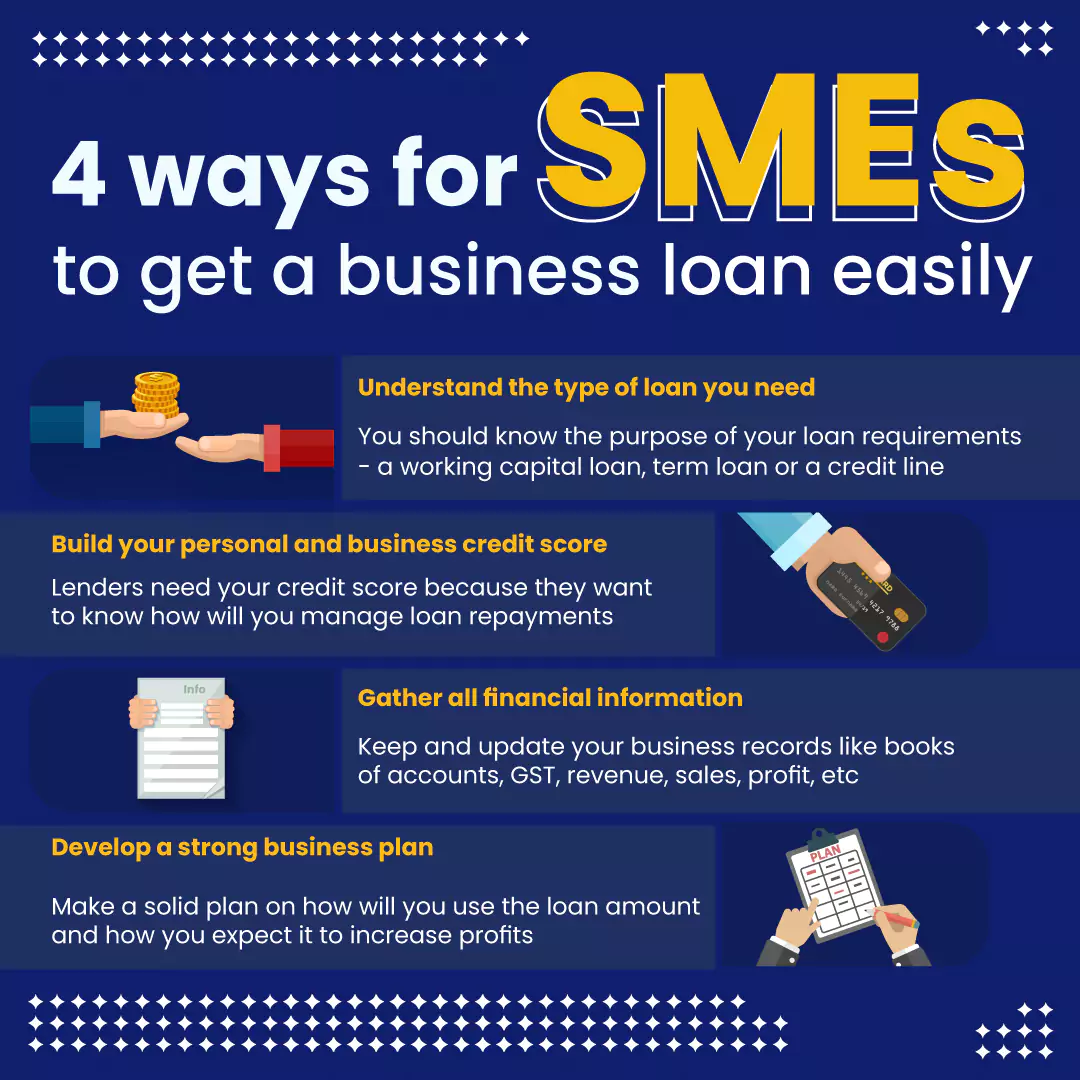
A well-structured business plan is more than just a formality; it’s a roadmap for your venture and a testament to your foresight. Lenders want to understand your business model, market analysis, competitive advantages, management team, and growth projections. Crucially, they need to know the specific purpose of the loan. Whether it’s for purchasing equipment, expanding operations, hiring staff, or managing inventory, the stated purpose must be clear, logical, and demonstrate how the funds will contribute to the business’s growth and, ultimately, its ability to repay the loan. Vague or ill-defined purposes often raise red flags.
Collateral and Guarantees
Many business loans, especially larger ones or those for less established businesses, require collateral. Collateral serves as security for the lender, meaning if the business defaults on the loan, the lender can seize and sell the collateral to recoup their losses. Common forms of collateral include real estate, equipment, inventory, accounts receivable, and even intellectual property. Beyond physical assets, lenders often require a personal guarantee from the business owner. This legally binds the owner to repay the loan using personal assets if the business cannot, significantly increasing the owner’s personal risk but also the lender’s confidence.
Time in Business and Industry Stability
The longer a business has been operating successfully, the more data points lenders have to evaluate its stability and performance. Startups, by their nature, have limited operating history, making them higher risk. Lenders generally prefer businesses with at least two years of consistent operation. Furthermore, the stability and outlook of the industry in which the business operates are also considered. Businesses in rapidly growing or recession-proof industries might find it easier to secure funding than those in declining or highly volatile sectors.
Navigating the Different Types of Business Loans
The term “business loan” is an umbrella for a multitude of financial products, each designed for different needs and with varying levels of accessibility. Understanding these options is key to finding the “easiest” loan for your specific situation.
Traditional Bank Loans: Term Loans and Lines of Credit
Traditional banks remain a primary source of funding, especially for established businesses.
-
Term Loans: These are perhaps the most common type, providing a lump sum of money that is repaid over a fixed period with regular interest payments. They are often used for significant investments like equipment purchases or major expansion projects. Eligibility typically requires a strong credit history, substantial financial documentation, and often collateral.
-
Lines of Credit: Similar to a credit card, a business line of credit allows businesses to borrow up to a certain limit, repay the amount, and then borrow again. It’s ideal for managing cash flow fluctuations, covering unexpected expenses, or bridging gaps in working capital. While more flexible, they still demand solid financials and good credit.
SBA-Backed Loans: Government Guarantees
The U.S. Small Business Administration (SBA) doesn’t lend money directly but guarantees a portion of loans made by participating lenders. This guarantee reduces the risk for banks, making them more willing to lend to small businesses that might not otherwise qualify for traditional financing. SBA loans, such as the popular 7(a) loan program, often come with more favorable terms, lower down payments, and longer repayment periods. While the application process can be more extensive due to the government’s involvement, the increased chances of approval and better terms can make them an “easier” and more attractive option for eligible businesses.
Online Lenders: Speed and Accessibility
The rise of online lenders has significantly expanded access to business capital, especially for those seeking speed and convenience. These platforms often have less stringent requirements than traditional banks, making them a viable option for businesses with shorter operating histories or less-than-perfect credit. They specialize in faster application processes and quicker funding decisions, sometimes within hours or days. However, this convenience often comes at a higher cost, with potentially higher interest rates and shorter repayment terms compared to bank or SBA loans. Examples include short-term loans, merchant cash advances, and quick lines of credit.
Equipment Financing and Invoice Factoring
These specialized financing options target specific business needs:
-
Equipment Financing: This type of loan is used exclusively to purchase business equipment. The equipment itself serves as collateral, often making it easier to qualify for than a general business loan, especially for businesses with strong operational needs but perhaps less diverse assets.
-
Invoice Factoring (or Accounts Receivable Financing): This involves selling your unpaid invoices to a third party (the factor) at a discount in exchange for immediate cash. It’s an effective way to improve cash flow quickly, particularly for businesses that deal with slow-paying clients. While not technically a loan, it provides working capital by leveraging existing assets and is relatively easy to obtain if you have a consistent stream of reliable invoices.
Microloans: Small-Scale Funding for Startups
For very small businesses and startups, especially those run by underserved communities, microloans offer an accessible pathway to funding. These are typically small sums (e.g., up to $50,000) offered by non-profit organizations or community development financial institutions (CDFIs). They often come with lower interest rates and provide valuable mentorship and support services. While the loan amounts are smaller, the emphasis on community impact and support for new entrepreneurs can make them an “easier” entry point for those just starting out.
Strategies for Increasing Your Loan Approval Chances
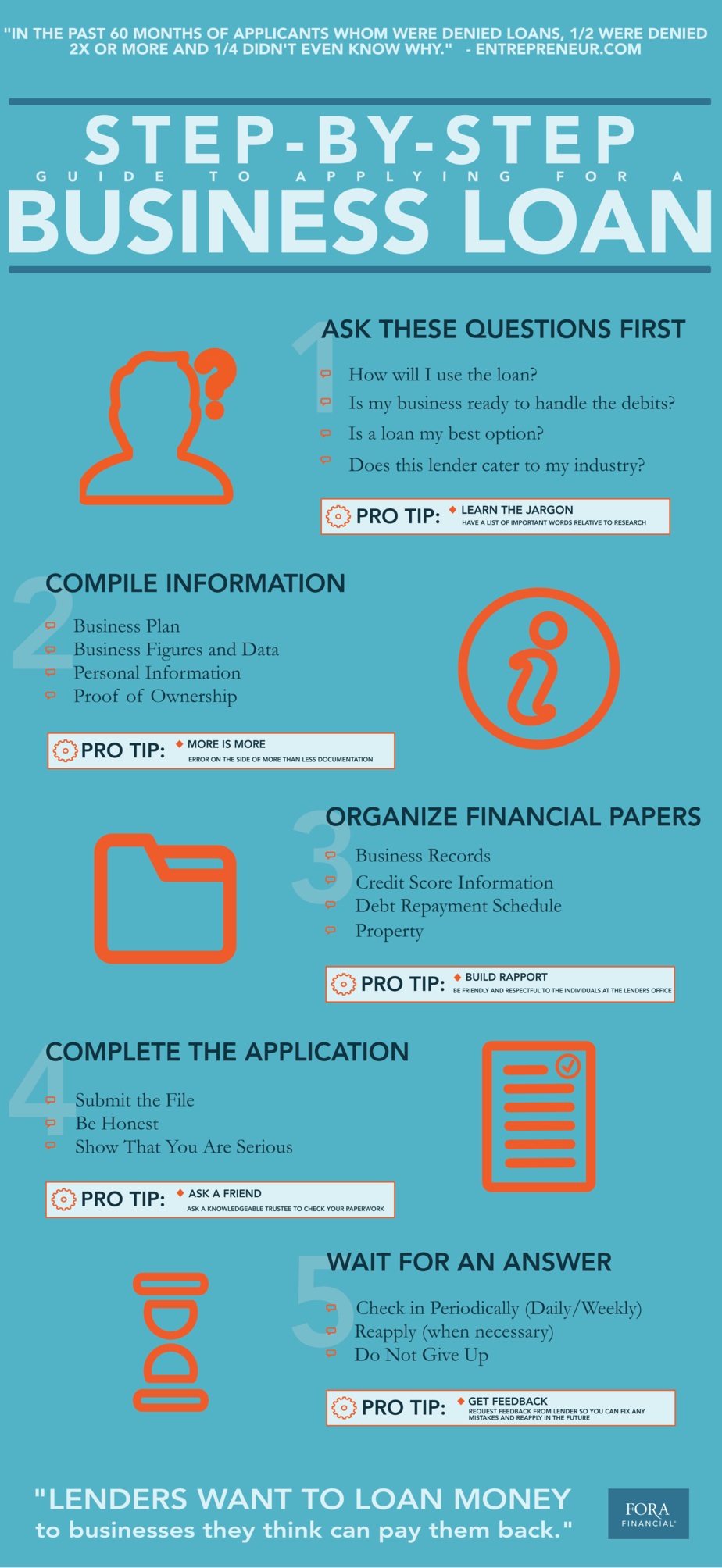
Securing a business loan isn’t just about meeting criteria; it’s about proactively positioning your business in the best possible light. With strategic preparation, you can significantly enhance your chances of approval.
Meticulous Financial Record-Keeping
Accuracy and completeness in your financial records are non-negotiable. Lenders require comprehensive financial statements, including profit and loss statements, balance sheets, and cash flow statements, typically for the past two to three years. They also need tax returns, bank statements, and potentially projections for the future. Disorganized or incomplete records immediately signal risk and unprofessionalism. Invest in robust accounting software and consider working with a professional accountant to ensure your books are always audit-ready. Clean, well-maintained records instill confidence in lenders that you understand your business’s financial pulse.
Crafting a Robust Business Plan
As mentioned earlier, a business plan is vital. Go beyond a basic outline; create a detailed, data-driven document that articulates your vision, market analysis, operational strategies, and financial forecasts. Clearly define how the loan funds will be utilized and how that utilization will directly contribute to revenue growth and loan repayment. Demonstrate a deep understanding of your industry, competitors, and target market. A compelling business plan shows lenders you’ve thoroughly thought through your venture and have a clear path to success.
Building Strong Personal and Business Credit
Proactive credit management is fundamental.
-
Personal Credit: Regularly check your personal credit report for errors and dispute any inaccuracies. Pay all bills on time, keep credit utilization low, and avoid opening too many new credit accounts simultaneously.
-
Business Credit: Establish a separate business entity and obtain an Employer Identification Number (EIN). Open business bank accounts and credit cards. Ensure vendors and suppliers report your payment history to business credit bureaus like Dun & Bradstreet, Experian Business, and Equifax Business. Consistent, on-time payments build a positive business credit profile.
Demonstrating Repayment Capacity
Lenders need irrefutable evidence of your ability to repay the loan. This goes beyond just current revenue. Highlight consistent cash flow and profitability. If your business has existing debt, demonstrate a track record of responsible debt management. For newer businesses, provide detailed financial projections supported by realistic assumptions and market research. Show how the loan will generate additional revenue or cost savings that will more than cover the new debt service. A high debt service coverage ratio (DSCR), which compares available cash flow to debt payments, is a strong indicator of repayment capacity.
Professional Presentation and Communication
The application process is also an opportunity to demonstrate your professionalism and commitment. Present all required documents clearly, concisely, and organized. Be prepared to answer questions thoroughly and honestly. If a lender points out weaknesses, acknowledge them and articulate your strategies for mitigation. Strong communication skills, responsiveness, and a professional demeanor can subtly influence a lender’s perception of your reliability and capability.
Beyond Traditional Loans: Alternative Funding Avenues
While business loans are a cornerstone of external financing, they are not the only option. Depending on your business stage and needs, alternative funding sources can sometimes be “easier” to access or more appropriate.
Equity Financing: Investors and Venture Capital
Instead of borrowing money, equity financing involves selling a portion of your company’s ownership to investors in exchange for capital. This can come from angel investors (high-net-worth individuals), venture capital firms, or even private equity. The key advantage is that you don’t have to repay the money; investors profit when the company grows and increases in value. However, this means giving up a share of control and future profits. While often perceived as difficult to secure, particularly for early-stage companies, for businesses with high growth potential and scalability, equity financing can be an incredibly potent and accessible option.
Crowdfunding Platforms
Crowdfunding has emerged as a democratic way to raise capital by soliciting small contributions from a large number of individuals, typically via online platforms.
-
Reward-based crowdfunding (e.g., Kickstarter, Indiegogo) offers products or unique experiences in exchange for pledges.
-
Equity crowdfunding (e.g., SeedInvest, StartEngine) allows individuals to invest in startups in exchange for a stake in the company, often with lower investment minimums than traditional VC.
-
Debt crowdfunding involves peer-to-peer lending.
Crowdfunding can be “easier” for businesses with compelling stories, strong community appeal, or innovative products, as it leverages public interest rather than stringent financial metrics.
Grants and Accelerators
Grants are non-repayable funds awarded by government agencies, non-profit organizations, or corporations for specific purposes. They are highly sought after and can be competitive but offer a “free” source of capital. Eligibility criteria are often very specific (e.g., for specific industries, research, or social impact). Business accelerators and incubators also offer capital, often in exchange for equity, combined with mentorship, resources, and networking opportunities. They are particularly attractive for high-growth startups and can be an “easier” way to get initial funding and critical support simultaneously.
Personal Savings and Friends & Family
For many entrepreneurs, the initial source of capital comes from personal savings or loans/investments from friends and family. This is often the “easiest” and fastest way to get started, as it bypasses formal application processes and strict lender requirements. While convenient, it’s crucial to treat these arrangements professionally with clear terms, even if informal, to avoid strained relationships. This foundational capital often proves indispensable for demonstrating commitment and traction when later approaching more formal lenders.
Conclusion
So, how easy is it to get a business loan? The answer is nuanced: it’s rarely “easy” in the sense of being effortless, but it can be significantly “easier” with meticulous preparation, a clear understanding of the lending landscape, and an informed strategy. Businesses with strong credit, robust financials, a compelling business plan, and a clear repayment strategy will find the process far more accessible than those lacking these fundamentals.
The proliferation of different loan types and alternative funding avenues means that entrepreneurs have more options than ever before. The key is to research, prepare, and choose the financing solution that best aligns with your business’s current stage, financial health, and growth aspirations. By understanding what lenders look for and proactively addressing those requirements, you can transform the daunting task of securing capital into a manageable and achievable milestone for your business’s success.
aViewFromTheCave is a participant in the Amazon Services LLC Associates Program, an affiliate advertising program designed to provide a means for sites to earn advertising fees by advertising and linking to Amazon.com. Amazon, the Amazon logo, AmazonSupply, and the AmazonSupply logo are trademarks of Amazon.com, Inc. or its affiliates. As an Amazon Associate we earn affiliate commissions from qualifying purchases.