
Venmo has become a household name in digital payments, revolutionizing the way millions of people exchange money for everything from splitting dinner bills to paying rent. As a peer-to-peer (P2P) payment application, its core appeal lies in its simplicity and social integration. Understanding how Venmo operates at a technical level and the security measures it employs is crucial for both new and existing users navigating the modern digital economy.
Understanding Venmo’s Core Functionality
At its heart, Venmo is an app designed to facilitate fast and easy money transfers between individuals. It leverages existing banking infrastructure while adding layers of user-friendly interfaces and social connectivity.
The Peer-to-Peer Payment Mechanism
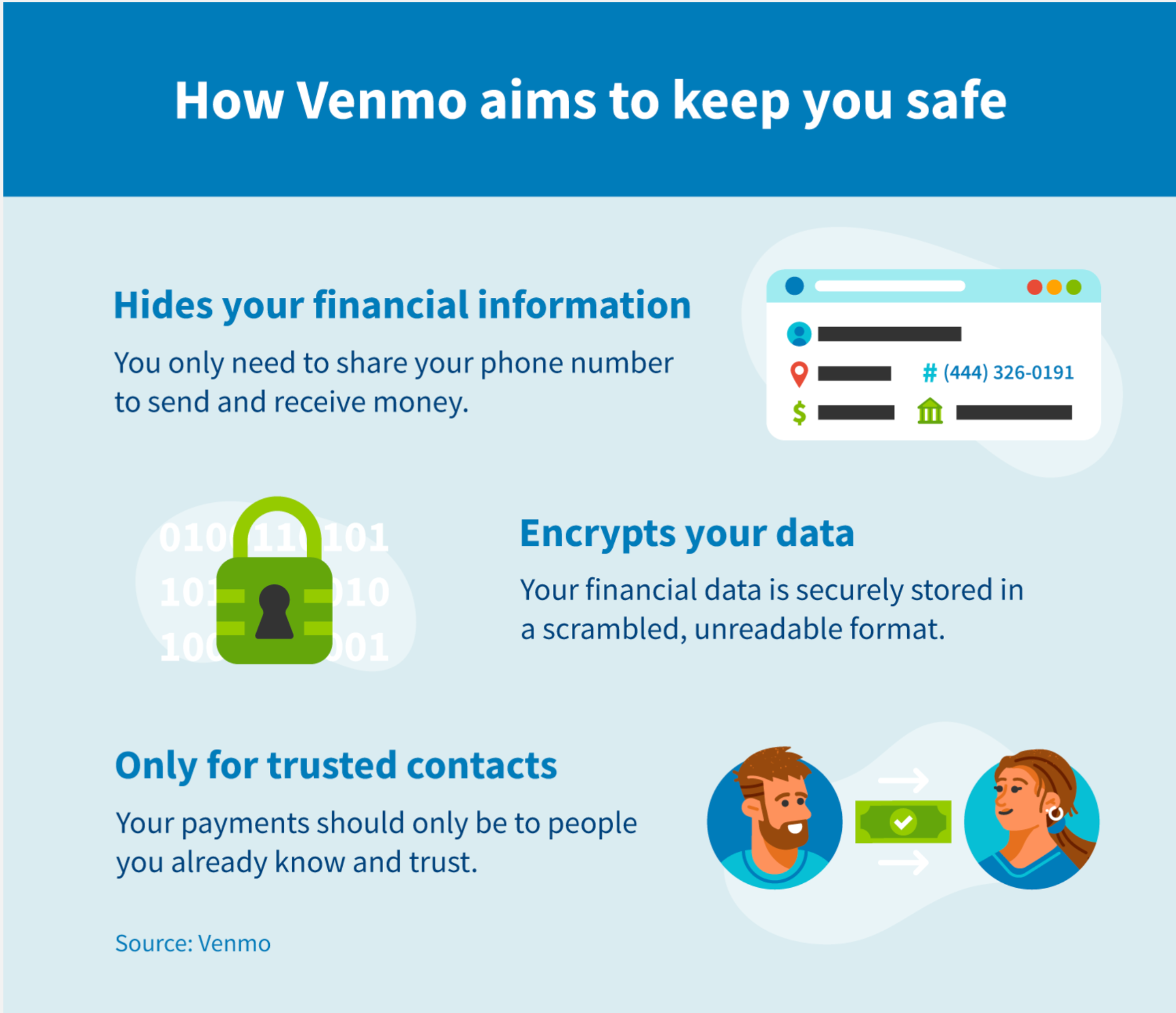
Venmo operates on a direct P2P model, enabling users to send and receive money from each other using their mobile devices. The process typically involves selecting a recipient from a user’s contacts or by searching for their Venmo username, entering an amount, and optionally adding a description or emoji. Once confirmed, the funds are debited from the sender’s chosen source and credited to the recipient’s Venmo balance. This digital transaction bypasses traditional bank wire transfers, offering near-instantaneous movement of funds within the Venmo ecosystem. The platform acts as an intermediary, managing the ledger of transactions and ensuring that money is correctly allocated between user accounts.
Linking Accounts and Funding Transactions
To send money via Venmo, users must link a funding source. The most common methods include a bank account (via ACH transfer), a debit card, or a credit card. When a user initiates a payment, Venmo first attempts to draw funds from their existing Venmo balance. If the balance is insufficient, it then defaults to the linked bank account or debit card. Credit card transactions often incur a 3% fee, a standard practice across many payment platforms to cover the higher processing costs associated with credit card networks. Receiving money on Venmo adds funds directly to a user’s Venmo balance, which can then be used for future payments, transferred to a linked bank account, or spent using the Venmo Debit Card. This integration with established financial institutions underpins Venmo’s operational framework, allowing it to move funds securely between a user’s bank and their digital wallet.
Social Features and Payment Feeds
A distinctive feature of Venmo, and one that sets it apart from more traditional payment apps, is its integrated social feed. Each transaction can be accompanied by a public, friends-only, or private note, which then appears in a social feed similar to a social media platform. While controversial for some privacy advocates, this social element is a core part of Venmo’s user experience, making payments feel more interactive and transparent within a chosen network. Users can “like” or comment on friends’ transactions, fostering a sense of community around financial interactions. This blend of social networking with financial transactions represents a significant technological shift in how payment applications are designed, aiming to make money transfers less transactional and more engaging.
The Technology Behind Seamless Transfers
The apparent simplicity of Venmo masks a sophisticated technological infrastructure designed to handle millions of transactions securely and efficiently.
Instant vs. Standard Transfers
When funds are received into a Venmo balance, users have options for withdrawing them. Standard transfers to a linked bank account are typically free but can take 1-3 business days to process, relying on the Automated Clearing House (ACH) network, which batches transactions. For users needing immediate access to funds, Venmo offers an “Instant Transfer” option. This feature uses expedited payment rails (often leveraging real-time payment networks or direct card network transfers) to deposit funds into an eligible debit card or bank account, usually within minutes, for a small fee (typically 1.75% of the transferred amount, with a minimum fee). This dual-speed system caters to different user needs, balancing cost and immediacy through distinct underlying technological pathways.
Data Encryption and Network Security
Central to Venmo’s operation and user trust is its commitment to data security. The platform employs advanced encryption technologies to protect user data and financial information. All sensitive information, including bank account numbers and debit/credit card details, is encrypted at rest and in transit. Venmo utilizes Transport Layer Security (TLS) and Secure Socket Layer (SSL) protocols to create a secure connection between the user’s device and Venmo’s servers, preventing unauthorized interception of data during transmission. Furthermore, Venmo’s servers are protected by firewalls and other network security measures, designed to thwart external cyber threats and ensure the integrity of its payment system. Regular security audits and penetration testing are also standard practices to identify and mitigate potential vulnerabilities.
API Integrations and Business Profiles
Beyond P2P transactions, Venmo has expanded its technological reach through Application Programming Interface (API) integrations, allowing businesses to accept Venmo as a payment method directly from their websites or within their own apps. This extends Venmo’s utility beyond personal transfers, positioning it as a viable payment option in the e-commerce landscape. For businesses, Venmo offers dedicated business profiles, providing tools for tracking transactions, managing payments, and interacting with customers. These business APIs are built with robust security features, ensuring that merchant transactions are processed with the same level of data protection as individual payments. This move signifies Venmo’s evolution from a simple P2P app to a broader payment platform, enabled by flexible and secure technological integrations.
Assessing Venmo’s Security Protocols
The question of Venmo’s safety is paramount, particularly given the sensitive nature of financial transactions. Venmo, as a service owned by PayPal, inherits many of its parent company’s robust security measures and industry standards.
Multi-Factor Authentication (MFA)

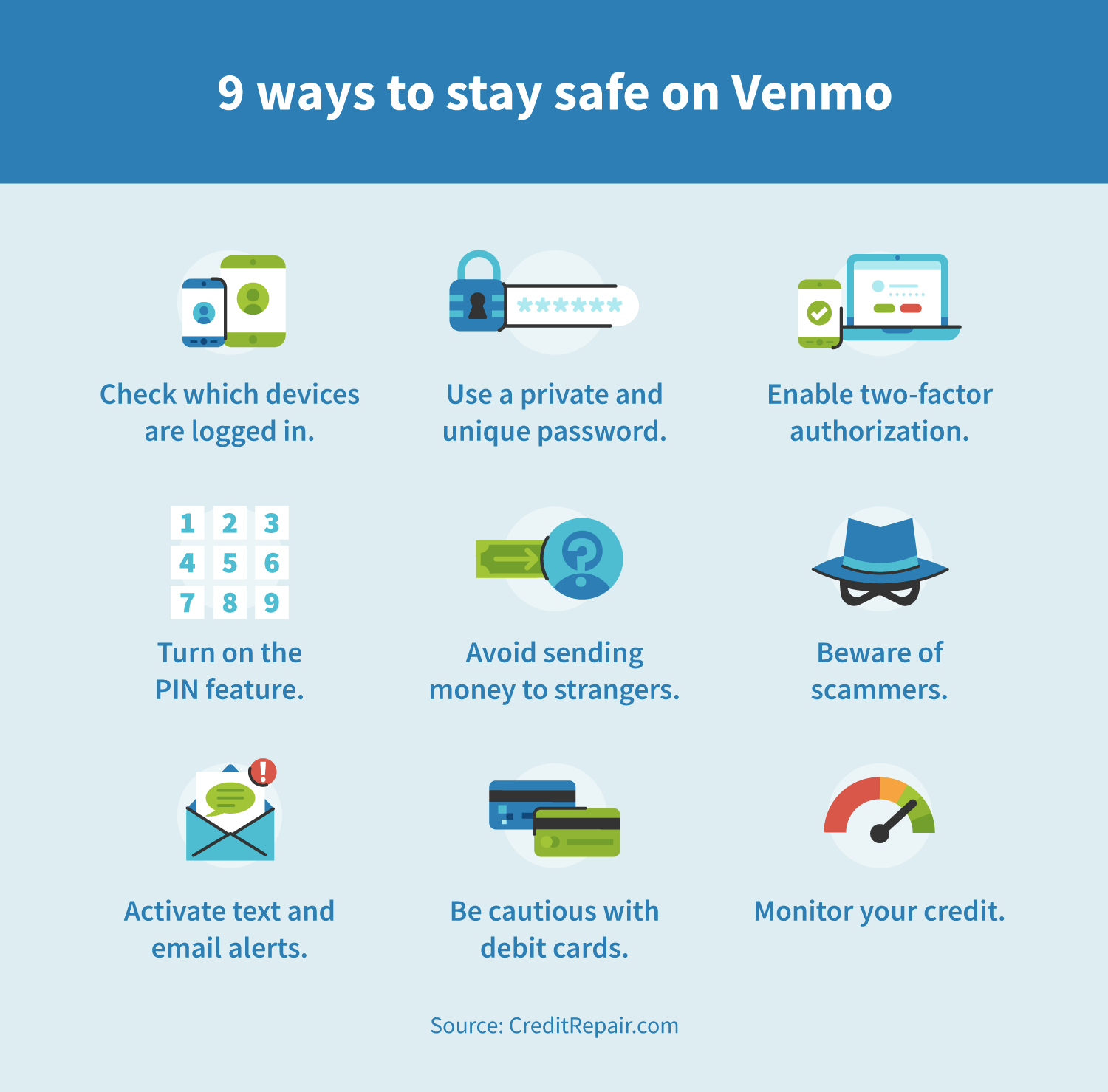
One of the most effective security features Venmo implements is Multi-Factor Authentication (MFA), often referred to as two-factor authentication (2FA). When enabled, MFA adds an extra layer of security beyond just a password. This typically involves requiring users to verify their identity through a second method, such as a code sent to their registered phone number via SMS, an email link, or biometric data (fingerprint or facial recognition on compatible devices). This significantly reduces the risk of unauthorized access, even if a user’s password is compromised, as the attacker would also need access to the secondary verification method. Venmo strongly encourages all users to enable MFA for enhanced account protection.
Fraud Protection and Dispute Resolution
Venmo employs sophisticated fraud detection systems that continuously monitor transactions for suspicious activity. These systems leverage algorithms and machine learning to identify patterns indicative of fraud, such as unusual transaction amounts, frequent login attempts from new devices, or transfers to previously unknown recipients. In cases where fraud is suspected, Venmo may flag the transaction, temporarily suspend the account, or request additional verification from the user. While Venmo is not a bank and does not offer the same FDIC insurance as traditional bank accounts, it does have policies and procedures in place for dispute resolution regarding unauthorized transactions. Users are encouraged to report any suspicious activity immediately through the app or website. Venmo’s Purchase Protection program, applicable to eligible business payments, further safeguards buyers against unreceived or misrepresented goods.
Data Privacy and User Information
Venmo’s data privacy practices are designed to protect user information, adhering to industry standards and regulatory requirements. Personal and financial data is stored on secure servers with restricted access. While the social feed prominently displays transaction details (unless set to private), Venmo maintains strict controls over access to sensitive account information. Users have granular control over their privacy settings, allowing them to choose the visibility of their transactions (public, friends-only, or private). Venmo’s privacy policy outlines how user data is collected, used, and shared, emphasizing that it does not sell personal information to third parties. However, like any digital service, users must remain vigilant about what information they choose to share and maintain strong password hygiene.
Best Practices for Secure Venmo Usage
While Venmo provides substantial security infrastructure, user behavior plays a critical role in maintaining account safety. Adopting best practices can significantly mitigate risks.
Protecting Your Account Credentials
The foundation of secure Venmo usage lies in protecting your login credentials. This starts with creating a strong, unique password that is not used for any other online service. A robust password combines uppercase and lowercase letters, numbers, and symbols, and should be difficult to guess. Regularly changing passwords and avoiding simple, predictable sequences are also advisable. Furthermore, enabling Multi-Factor Authentication (MFA) is paramount; it adds a crucial second layer of defense, making it significantly harder for unauthorized individuals to access your account even if they obtain your password. Never share your password or MFA codes with anyone, regardless of who they claim to be.
Verifying Recipients and Transaction Details
A common source of errors or potential fraud on Venmo stems from sending money to the wrong person. Before confirming any payment, meticulously verify the recipient’s username and profile picture. Venmo usernames are unique, and a slight misspelling could result in funds being sent to an unintended party. Once money is sent to another Venmo user, it can be extremely difficult, and often impossible, to reverse the transaction unless the recipient voluntarily sends it back. Similarly, double-check the amount being sent to avoid accidental overpayments. Being diligent in these steps can prevent costly mistakes and reduce the likelihood of falling victim to phishing attempts that trick users into sending money to fraudulent accounts.
Recognizing and Avoiding Scams
Scammers frequently target Venmo users through various tactics. Common scams include phishing emails or text messages designed to trick users into revealing their login credentials, often by impersonating Venmo support or a trusted contact. Another prevalent scam involves overpayment for goods or services, where a fraudulent buyer sends more money than agreed upon and then requests a refund for the difference, often using stolen funds or a method that will later be reversed, leaving the seller out of pocket. Be wary of unsolicited payment requests, especially from unfamiliar sources, or offers that seem “too good to be true.” Venmo will never ask you for your password via email or text. Always access your account directly through the official app or website, and report any suspicious communications or transactions to Venmo support immediately.
The Evolving Landscape of Digital Payments
Venmo operates within a rapidly evolving FinTech environment, constantly adapting to new technologies, competitive pressures, and regulatory demands.
Competition and Innovation
The digital payments sector is highly competitive, with numerous players vying for market share. Beyond traditional banks, Venmo competes with other P2P apps like Zelle, Cash App, and PayPal (its parent company’s primary offering). This competitive landscape drives continuous innovation in features, security, and user experience. Venmo has responded by expanding its offerings to include a debit card, credit card, cryptocurrency trading (though this is a distinct and higher-risk financial activity), and business profiles, broadening its appeal beyond simple P2P transfers. The technological race focuses on creating more seamless integrations, faster transaction speeds, and more robust security frameworks to gain and retain users.
Future Security Enhancements
As cyber threats become more sophisticated, Venmo’s security measures will need to evolve. Future enhancements are likely to include more advanced AI-driven fraud detection, leveraging predictive analytics to identify emerging scam patterns even faster. Biometric authentication methods, such as facial recognition and voice authentication, may become more prevalent, offering even stronger identity verification. Furthermore, adherence to new data privacy regulations and international security standards will continue to shape Venmo’s technological development, ensuring compliance while maintaining usability. The ongoing challenge for all digital payment platforms is to balance user convenience with impregnable security.
Regulatory Compliance in FinTech
As a significant player in financial technology, Venmo is subject to various financial regulations. While not a bank, it operates under the purview of laws governing money transmitters and payment processors, including anti-money laundering (AML) and know-your-customer (KYC) regulations. These regulations require Venmo to collect and verify user identities and report suspicious transactions, playing a crucial role in preventing financial crime. Adherence to these regulatory frameworks involves sophisticated data management and compliance technologies, ensuring that Venmo not only provides a convenient service but also operates responsibly within the broader financial ecosystem. This regulatory oversight contributes significantly to the overall safety and reliability of the platform.
aViewFromTheCave is a participant in the Amazon Services LLC Associates Program, an affiliate advertising program designed to provide a means for sites to earn advertising fees by advertising and linking to Amazon.com. Amazon, the Amazon logo, AmazonSupply, and the AmazonSupply logo are trademarks of Amazon.com, Inc. or its affiliates. As an Amazon Associate we earn affiliate commissions from qualifying purchases.