
The rise of the “sharing economy” has transformed the real estate landscape, turning private residences into powerful revenue-generating assets. When we ask “how does vacation rental by owner work,” we are not merely looking at a software platform; we are analyzing a sophisticated business model that bridges the gap between hospitality and personal finance. For the property owner, this model represents a shift from passive landholding to active business management, offering a unique avenue for wealth creation, tax advantages, and portfolio diversification.
Understanding the mechanics of this industry requires a deep dive into the financial structures, operational costs, and strategic maneuvers that separate a hobbyist from a professional short-term rental (STR) investor. By managing a property directly—rather than through a traditional full-service management firm—owners can retain a significantly higher percentage of their gross income, though they must assume the logistical and financial responsibilities that come with the territory.
The Financial Landscape of the Short-Term Rental Market
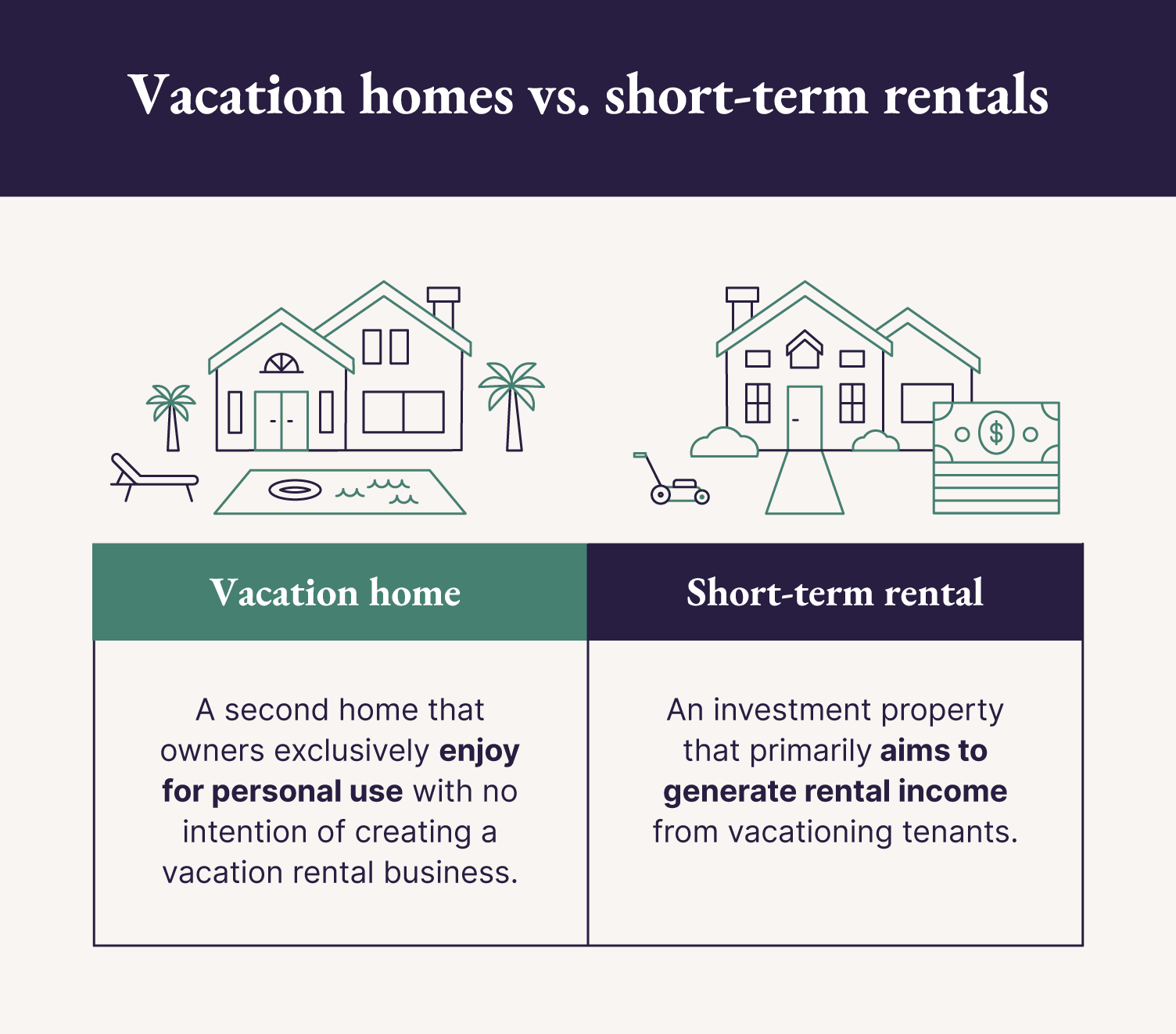
At its core, the “vacation rental by owner” model functions as a micro-business within the hospitality sector. Unlike traditional long-term leasing, where a tenant pays a fixed monthly rate, short-term rentals operate on dynamic pricing, varying by season, local events, and day of the week. This variability is the primary driver of the high-yield potential associated with STRs.
Income Potential and Cash Flow Dynamics
The most compelling reason investors pivot to short-term rentals is the superior cash-on-cash return. In many high-demand markets, a well-managed vacation rental can generate two to three times the gross monthly revenue of a long-term rental. However, this increased revenue comes with increased volatility. Investors must account for “occupancy rates”—the percentage of nights the property is booked. A successful STR business relies on balancing high nightly rates with a high enough occupancy to cover fixed costs and generate a healthy net profit.
The Business Model vs. Long-Term Rentals
When evaluating how this model works from a financial perspective, one must compare the cap rates. Long-term rentals offer stability and lower turnover costs, but they are often capped by local market rent controls or the general economic ceiling of the neighborhood. Vacation rentals, however, tap into the travel and tourism budget of consumers, which is often more flexible. The “by owner” aspect allows the investor to bypass the 20% to 40% commissions typically charged by property management companies, directly impacting the bottom line and accelerating the timeline for a return on investment.
Navigating the Mechanics of Owner-Led Platforms
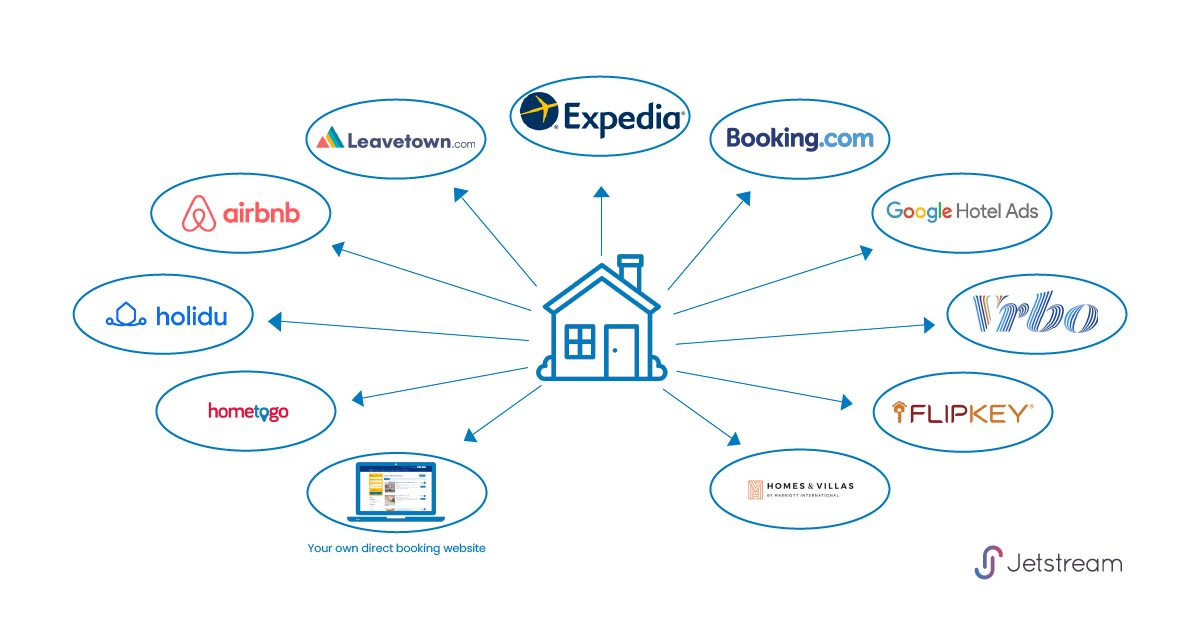
To operate a vacation rental, owners typically leverage digital marketplaces such as Vrbo or Airbnb. These platforms act as the intermediary, providing the tech stack necessary for payment processing, calendar management, and marketing.
Platform Fees and Commission Structures
Platform dynamics are a critical component of the financial equation. Typically, platforms charge a percentage of the total booking amount. For example, Vrbo offers two primary models: a pay-per-booking fee (usually starting around 5% for the host) or an annual subscription fee. Choosing between these depends on the projected annual revenue. If a property is expected to generate significant income, the flat annual fee is often the more cost-effective choice, as it caps the platform’s “take” and allows the owner to keep a larger slice of the revenue.
Setting the Right Price: Dynamic Pricing Strategies
One of the most complex aspects of making a vacation rental work is the pricing strategy. Professional owners rarely use a static price. Instead, they use dynamic pricing algorithms that adjust rates based on real-time data, such as local hotel occupancy, weather forecasts, and historical booking trends. This financial tool ensures that the property remains competitive during the low season while maximizing “peak” revenue during holidays or major local events. Even a $20 difference in nightly rates can result in thousands of dollars in additional annual profit when compounded across a high-occupancy calendar.
Operational Costs and Overhead Management
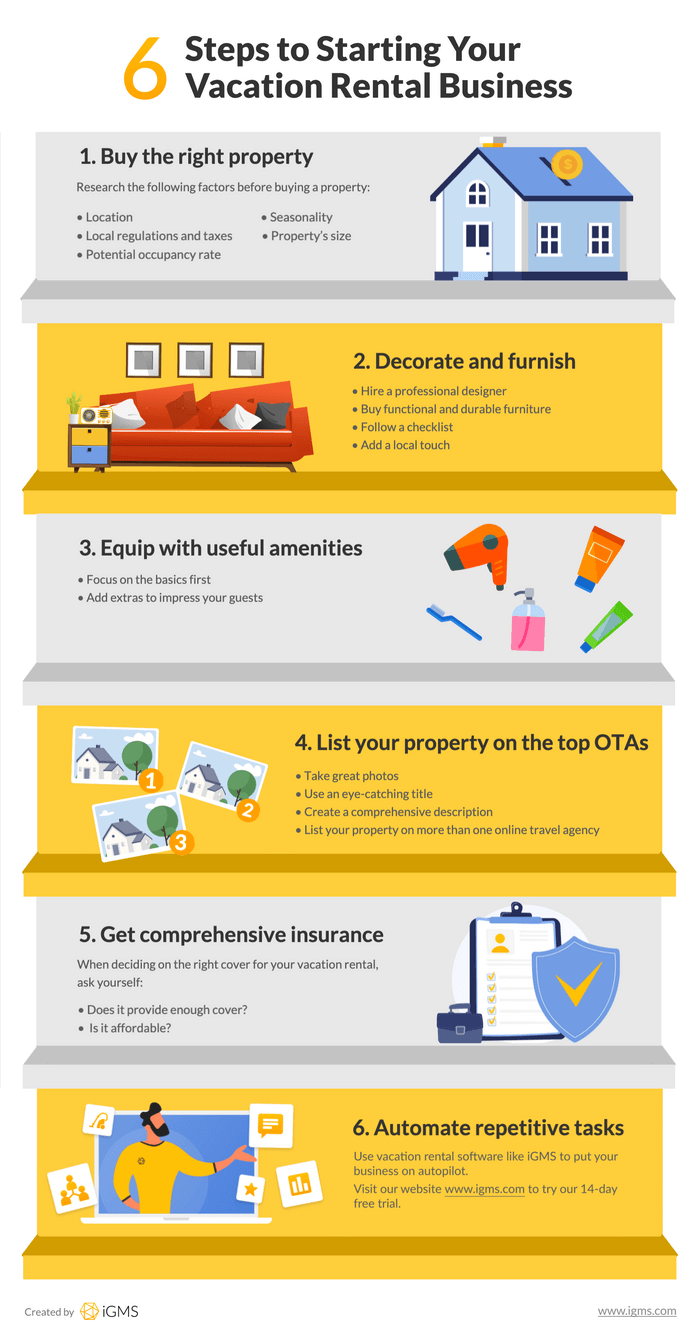
While the gross income of a vacation rental is often impressive, the net income is determined by how effectively the owner manages overhead. Operating “by owner” means you are the CEO, the CFO, and the operations manager.
Fixed vs. Variable Expenses
To understand the profitability, an owner must categorize their outflows. Fixed expenses include mortgage payments, property taxes, insurance, and HOA fees. These remain constant regardless of whether the property is occupied. Variable expenses, however, scale with usage. These include cleaning fees (usually passed on to the guest), utilities, replenishment of consumables (toiletries, coffee, linens), and maintenance. Effective owners treat these variable costs as “cost of goods sold” (COGS) and look for bulk-purchasing opportunities or energy-efficient upgrades to widen their profit margins.
Tax Implications and Legal Compliance
From a financial standpoint, the tax benefits of the vacation rental model are significant. In many jurisdictions, owners can deduct nearly every expense related to the business, including travel to the property, repairs, and even a portion of the interest on the mortgage. Furthermore, “depreciation”—a non-cash expense—allows owners to offset their rental income on their tax returns, often leading to a situation where the property is cash-flow positive but shows a “loss” for tax purposes. However, owners must also navigate local “occupancy taxes” (often called hotel taxes), which must be collected from guests and remitted to local governments. Failure to account for these can lead to heavy fines that erase a year’s worth of profit.
Maximizing ROI: Scaling Your Rental Portfolio
Once an owner understands how a single vacation rental works, the next logical step is optimization and scaling. The goal is to move from a “side hustle” mentality to a structured investment portfolio.
Reinvesting Profits for Property Upgrades
In the short-term rental world, the property is the product. High-yield investors often take a portion of their initial profits and reinvest them into “value-add” amenities. Adding a hot tub, a high-end coffee station, or professional interior design doesn’t just allow for a higher nightly rate; it increases the property’s “searchability” and ranking on platform algorithms. This creates a virtuous cycle where higher quality leads to better reviews, which leads to higher search placement, which leads to higher occupancy and higher rates.
Leveraging Property Management Software (PMS)
As an owner scales from one property to three or five, the “by owner” workload can become overwhelming. This is where financial technology comes into play. Property Management Software (PMS) allows owners to sync calendars across multiple platforms, automate messaging with guests, and coordinate cleaning crews without manual intervention. While these tools have a monthly cost, the ROI is found in the time saved and the elimination of “double bookings,” which can result in costly platform penalties and loss of “Superhost” status.
Risk Management and Protecting Your Investment
No financial discussion on vacation rentals is complete without addressing risk. The “by owner” model requires a proactive approach to asset protection.
Insurance Requirements and Liability
Standard homeowner’s insurance policies typically do not cover commercial activity, which includes short-term renting. Owners must secure specialized STR insurance or a “landlord policy” with a short-term rental endorsement. This protects the owner’s equity in the event of property damage, fire, or guest injury. While these premiums are higher than standard insurance, they are a non-negotiable cost of doing business. Some platforms provide basic liability coverage, but professional owners treat this as secondary coverage rather than a primary safety net.
The Importance of the Guest Screening Process
Protecting the asset also involves vetting the “tenants.” Unlike long-term rentals with credit checks and multi-year histories, STR owners often have limited data. Successful owners mitigate risk by setting strict house rules, requiring government-issued IDs, and utilizing external noise-monitoring technology to prevent unauthorized parties. By filtering for high-quality guests, owners reduce the “wear and tear” costs, ensuring the property maintains its value over the long term.
Conclusion
The “vacation rental by owner” model is a sophisticated financial engine that allows individuals to tap into the lucrative hospitality market. It works by combining real estate investment with active management, leveraging digital platforms to reach a global audience. While the responsibilities are significant—ranging from dynamic pricing and tax compliance to guest relations and maintenance—the rewards are equally substantial. By maintaining direct control over the property, owners can maximize their cash flow, take advantage of powerful tax incentives, and build a resilient asset class that outperforms traditional investment vehicles. Success in this field is not a matter of luck; it is the result of viewing the property not just as a home, but as a high-performance financial instrument.
aViewFromTheCave is a participant in the Amazon Services LLC Associates Program, an affiliate advertising program designed to provide a means for sites to earn advertising fees by advertising and linking to Amazon.com. Amazon, the Amazon logo, AmazonSupply, and the AmazonSupply logo are trademarks of Amazon.com, Inc. or its affiliates. As an Amazon Associate we earn affiliate commissions from qualifying purchases.