
The term “market crash” strikes fear into the hearts of investors and can send ripples of anxiety through the global economy. It conjures images of panicked traders, plummeting stock prices, and widespread financial distress. But what exactly constitutes a market crash, and more importantly, how does such a catastrophic event unfold? Understanding the intricate mechanics behind these financial collapses is not merely an academic exercise; it’s crucial for investors, policymakers, and anyone seeking to navigate the unpredictable currents of the economic world. A market crash is more than just a bad day on the stock exchange; it’s a complex interplay of economic indicators, human psychology, policy decisions, and unexpected events that collectively erode confidence and trigger a cascade of selling. Delving into this phenomenon reveals a fascinating, albeit often painful, aspect of modern finance, offering invaluable lessons on risk management, diversification, and the enduring power of long-term perspective.
Understanding the Anatomy of a Market Downturn
Before we can fully grasp the “how,” it’s essential to define what a market crash is and recognize the early tremors that often precede it. Not every dip in the market signifies an impending crash; there are distinct characteristics and warning signs that differentiate a normal correction from a systemic collapse.
What Constitutes a Market Crash?
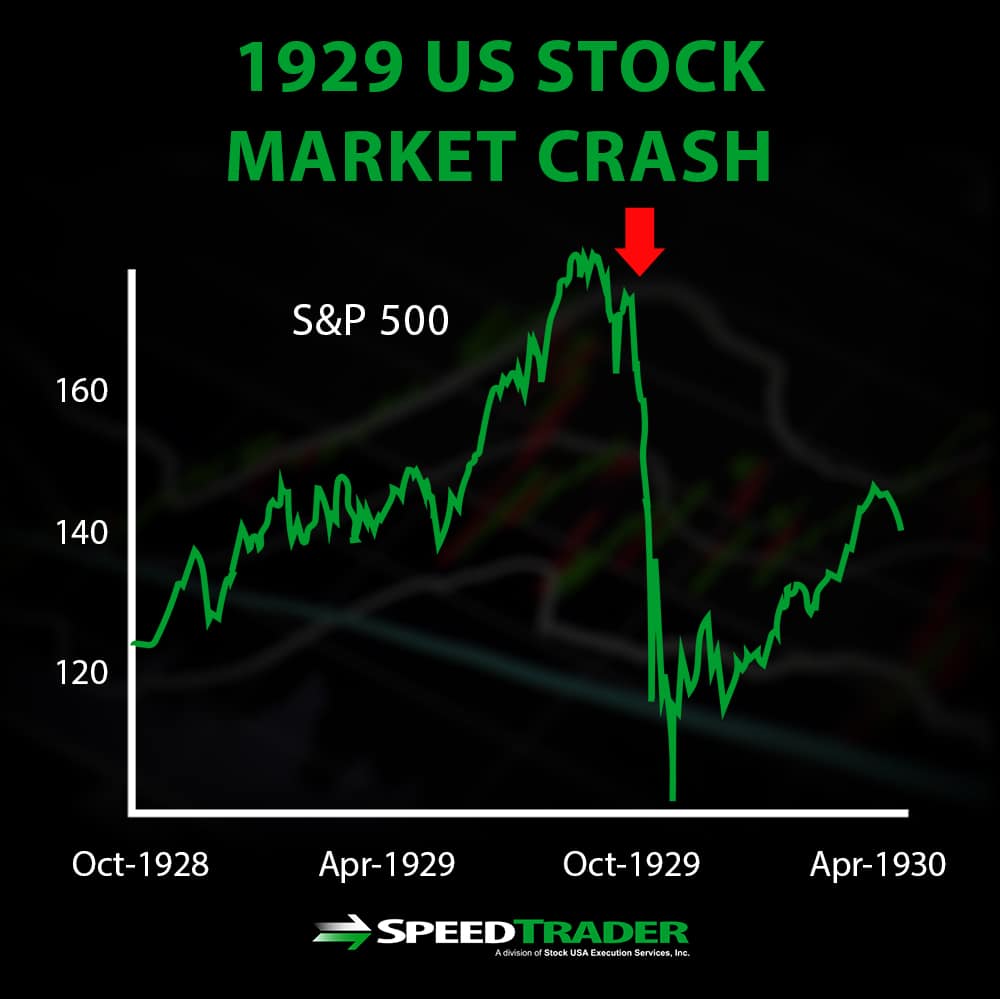
A market crash is typically characterized by a sudden, significant, and often unexpected drop in the value of securities across a major market index, such as the S&P 500 or Dow Jones Industrial Average. While there’s no universally agreed-upon percentage, a drop of 10% or more from a recent high is often termed a “correction,” whereas a 20% or greater decline typically signals a “bear market.” A “crash,” however, implies a more severe and rapid descent, often occurring within a few days or even hours, characterized by extreme volatility and widespread panic selling. Historical examples include the Black Monday crash of 1987 (a 22.6% single-day drop in the DJIA) or the dot-com bubble burst in the early 2000s, and the financial crisis of 2008. These events are marked by a fundamental shift in investor sentiment, moving from optimism and exuberance to fear and capitulation. The impact extends beyond just equity markets, often affecting bonds, commodities, and real estate, leading to a broader economic downturn.
Precursors to a Collapse: Early Warning Signs
Market crashes rarely occur without some underlying vulnerabilities building up in the system. Identifying these precursors is key to understanding the environment ripe for a collapse. One common sign is asset overvaluation, where stock prices, real estate, or other assets climb far beyond their intrinsic value, often fueled by speculative fervor and easy credit. This creates a “bubble,” inherently unstable and prone to bursting. Another indicator is excessive leverage, both among individual investors (e.g., margin debt) and institutions, which amplifies losses when prices fall. Rapid credit expansion and lax lending standards can also contribute, injecting too much money into the system and artificially inflating asset prices. Furthermore, a period of prolonged economic expansion without corresponding wage growth or productivity gains can signal an overheating economy. Finally, a significant widening of wealth inequality can create social and economic instability, further exacerbating the fragility of financial systems. These seemingly disparate elements often intertwine, creating a highly interconnected web of risk that, once disturbed, can unravel with devastating speed.
The Catalysts: Triggers That Spark a Downturn
While underlying vulnerabilities set the stage, specific events or shifts typically act as the catalysts, pushing an already fragile market over the edge. These triggers can be economic, political, or even social, and their impact is often amplified by the interconnectedness of global finance.
Economic Shocks: Macroeconomic Factors
Macroeconomic shocks are powerful forces capable of derailing market confidence. A sudden and significant economic recession, marked by declining GDP, rising unemployment, and reduced consumer spending, can directly translate into lower corporate profits and, subsequently, lower stock prices. Unexpected interest rate hikes by central banks, while sometimes necessary to combat inflation, can increase borrowing costs for businesses and consumers, slowing economic growth and making riskier assets less attractive. Similarly, runaway inflation erodes purchasing power and corporate margins, forcing central banks to tighten monetary policy, which can further dampen market enthusiasm. Global supply chain disruptions, as witnessed during the COVID-19 pandemic, can cripple production, increase costs, and lead to shortages, all of which negatively impact corporate earnings and economic stability. These factors, individually or in combination, can trigger a reassessment of future economic prospects, leading to a broad market sell-off.
Speculative Bubbles and Asset Overvaluation
History is replete with examples of speculative bubbles preceding market crashes. From the Dutch Tulip Mania in the 17th century to the dot-com bubble of the late 1990s and the subprime mortgage crisis of 2008, the pattern is eerily similar. A specific asset class (e.g., tech stocks, real estate) experiences a period of rapid, unsustainable price appreciation, often fueled by irrational exuberance, herd mentality, and a belief that “this time it’s different.” Investors chase returns, ignoring fundamental valuations, and new money pours in, driving prices even higher. Eventually, the bubble becomes too large, detached from underlying economic realities. A small piece of negative news, a shift in sentiment, or a significant seller can puncture the bubble, leading to a rapid and often brutal price correction as investors rush for the exits, exacerbating the decline.
Geopolitical Events and Black Swans
Unforeseen and often unpredictable events can act as powerful market catalysts. Geopolitical tensions, such as major conflicts, trade wars, or political instability in key regions, can create immense uncertainty, disrupting global trade, energy supplies, and diplomatic relations. These events often lead to a flight to safety, where investors divest from equities and move into less volatile assets like government bonds or gold, causing stock markets to plummet. Black Swan events, a term coined by Nassim Nicholas Taleb, refer to extremely rare, unpredictable events that have severe consequences. Examples include major pandemics (like COVID-19), devastating natural disasters, or unprecedented terrorist attacks. These events, by their very definition, are difficult to anticipate or mitigate but can fundamentally alter economic landscapes and trigger immediate and widespread market panic.
Policy Missteps and Regulatory Failures
Government policies and regulatory frameworks play a critical role in maintaining market stability. Policy missteps, such as poorly timed interest rate changes, ill-conceived fiscal spending, or sudden changes in trade agreements, can disrupt economic equilibrium and erode investor confidence. For instance, a government’s failure to address mounting national debt or to manage inflation effectively can lead to a loss of faith in its currency and economy. Equally significant are regulatory failures, where insufficient oversight or lax enforcement allows risky practices to proliferate unchecked. The subprime mortgage crisis, for example, highlighted how a lack of stringent regulation in the mortgage and financial derivatives markets contributed to systemic risk. When regulators fail to adapt to evolving financial landscapes or become complacent, the conditions for a crisis can ripen, allowing excessive risk-taking to amplify vulnerabilities throughout the system.
The Mechanics of the Meltdown: How Panic Spreads
Once a catalyst ignites the initial decline, the market crash truly takes hold through a series of interconnected mechanisms, often fueled by human psychology and sophisticated financial instruments. This is where the initial tremor transforms into a full-blown avalanche.
Investor Psychology and Behavioral Biases
At the heart of any market crash lies human emotion. When prices begin to fall, fear quickly replaces greed. Herd mentality takes over, as investors see others selling and rush to do the same, believing that if everyone else is exiting, there must be a good reason. This creates a self-fulfilling prophecy, driving prices down further irrespective of underlying fundamentals. The psychological phenomenon of loss aversion means that investors feel the pain of a loss more acutely than the pleasure of an equivalent gain, leading them to panic sell to avoid further losses, often at the worst possible time. This collective flight to safety leads to capitulation, where even long-term investors throw in the towel, selling their holdings at rock-bottom prices, which often marks the bottom of the market before a recovery begins. The absence of rational decision-making, replaced by primal fear, can exacerbate market declines far beyond what economic realities might suggest.
Liquidity Crisis and Margin Calls
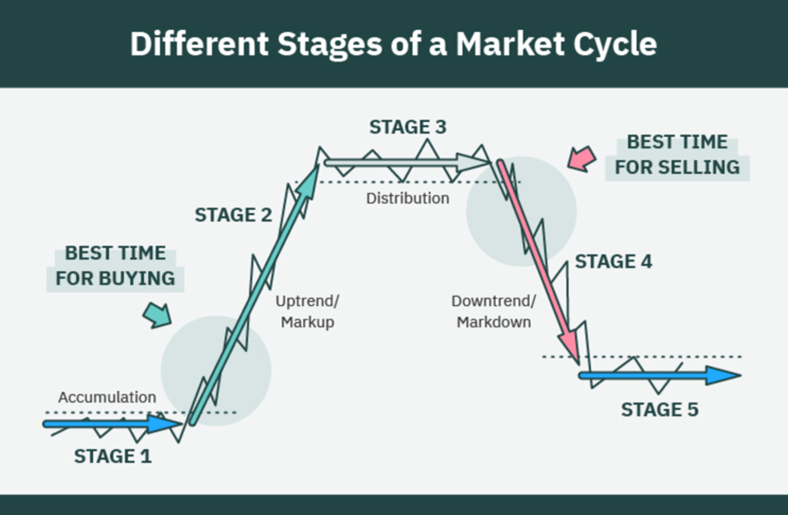
A rapid market decline can quickly trigger a liquidity crisis. As asset values plummet, many investors and institutions find themselves in a precarious position. For those who purchased securities on margin (borrowed money), a falling market can lead to margin calls. This is when a broker demands additional funds or the sale of assets to cover potential losses, as the value of the collateral (the purchased securities) has fallen below a required threshold. The inability to meet a margin call forces the investor to sell their holdings, adding further selling pressure to an already declining market. This creates a dangerous domino effect: forced selling by one party drives prices down, triggering more margin calls, leading to more forced selling, and so on. Simultaneously, nervous banks and creditors become less willing to lend, tightening credit and making it harder for businesses and individuals to access capital, further squeezing liquidity throughout the financial system.
The Role of Derivatives and Complex Financial Instruments
Modern financial markets are characterized by a vast array of complex instruments, particularly derivatives (such as options, futures, and swaps). While designed to manage risk, they can also amplify it during a crash. Many derivatives are highly leveraged, meaning a small movement in the underlying asset can lead to a disproportionately large gain or loss. During a downturn, this leverage can accelerate losses. For example, if an institution is heavily invested in credit default swaps (CDS) on subprime mortgages, and those mortgages begin to default, the institution could face catastrophic losses, potentially triggering a broader systemic crisis. The opacity and interconnectedness of derivative markets can also make it difficult to assess the true extent of risk across the financial system, leading to uncertainty and a lack of trust that further fuels panic selling. The rapid unwinding of these positions can create massive selling pressure, pushing markets down faster and further than traditional equity sales alone.
Algorithmic Trading and High-Frequency Trading
In today’s electronically driven markets, algorithmic trading and high-frequency trading (HFT) play a significant, albeit controversial, role in market dynamics, especially during volatile periods. These automated systems execute trades at lightning speeds, often based on pre-programmed rules and in response to tiny price changes. While they add liquidity during normal market conditions, during a crash, they can exacerbate declines. If algorithms are programmed to sell when certain price thresholds are breached, a cascade of automated sell orders can occur simultaneously, overwhelming human traders and rapidly driving down prices. The speed and volume of HFT can turn a gradual decline into a flash crash, where markets plummet and rebound within minutes, often without clear fundamental news. The interconnectedness of these algorithms can lead to a “runaway train” effect, where self-reinforcing sell signals create a negative feedback loop that accelerates the market’s descent.
Impact and Aftermath: Navigating the Recovery
A market crash’s repercussions extend far beyond just stock prices, impacting real economies and reshaping regulatory landscapes. The aftermath is a period of adjustment, often painful, but also one of critical re-evaluation and, eventually, rebuilding.
Economic Repercussions: Beyond the Stock Market
The impact of a market crash is rarely confined to trading screens. The wealth effect—where people feel richer and spend more when their investments appreciate—works in reverse during a crash. As household wealth declines, consumer spending often contracts, impacting businesses across sectors. Companies face reduced demand, leading to job losses and rising unemployment. The credit crunch described earlier can make it difficult for businesses to secure loans for expansion or even day-to-day operations, leading to bankruptcies. Small businesses, often less resilient, are particularly vulnerable. The overall result is a significant slowdown or even a recession in the broader economy. Government tax revenues decline, while demand for social safety nets increases, putting strain on public finances. The psychological toll on individuals and families, dealing with lost savings and job insecurity, can be profound and long-lasting.
Regulatory Responses and Policy Interventions
In the wake of a significant market crash, governments and central banks typically step in with a range of policy interventions aimed at stabilizing markets, restoring confidence, and preventing future occurrences. Central banks might implement aggressive monetary policies, such as slashing interest rates to near zero, engaging in quantitative easing (buying government bonds and other assets to inject liquidity), and providing emergency loans to financial institutions. Governments often introduce fiscal stimulus packages, including tax cuts, infrastructure spending, and direct aid to consumers and businesses, to boost economic activity. Critically, crashes often lead to regulatory reforms. For example, the 2008 financial crisis led to the Dodd-Frank Act in the U.S., which aimed to increase oversight of financial institutions and reduce systemic risk. These interventions are crucial for stemming the bleeding and laying the groundwork for recovery, though their effectiveness and long-term consequences are often debated.
Lessons Learned and Investor Resilience
Every market crash, despite its immediate devastation, offers invaluable lessons. For investors, the paramount lesson is the importance of diversification across different asset classes, geographies, and industries to mitigate risk. A long-term investment perspective is also crucial, as markets historically recover from every crash, often reaching new highs. Panic selling during a downturn locks in losses and misses the subsequent recovery. Investors learn the importance of maintaining an emergency fund and investing only what they can afford to lose. For policymakers and regulators, crashes highlight the need for robust oversight, adaptive regulations, and a proactive approach to identifying and addressing systemic risks. While the pain of a crash is immense, the resilience of markets and economies, driven by innovation and human ingenuity, eventually leads to recovery, often paving the way for more sustainable growth.
Protecting Your Portfolio: Strategies for Turbulent Times
While no strategy can guarantee complete immunity from market downturns, adopting prudent financial practices can significantly mitigate losses and position your portfolio for eventual recovery and growth. Proactive planning is the best defense against the storm.
Diversification and Asset Allocation
The most fundamental principle of risk management is diversification. Spreading your investments across various asset classes (stocks, bonds, real estate, commodities), different industries, and geographical regions reduces your exposure to any single point of failure. If one sector or region experiences a downturn, others might remain stable or even perform well, cushioning the blow to your overall portfolio. Asset allocation involves strategically deciding the proportion of your investments in each asset class based on your risk tolerance, investment horizon, and financial goals. For example, a younger investor with a long horizon might allocate more to equities, while someone nearing retirement might favor a higher percentage in less volatile assets like bonds. Regularly reviewing and rebalancing your asset allocation ensures it remains aligned with your objectives.
Maintaining Liquidity and Emergency Funds
A critical safeguard against forced selling during a market crash is maintaining sufficient liquidity. This means having readily accessible cash or near-cash assets. An emergency fund, typically 3-6 months’ worth of living expenses, should be kept in a separate, easily accessible account (like a high-yield savings account) and not invested in volatile assets. This fund serves as a buffer, preventing you from having to sell investments at a loss to cover unexpected expenses or job loss during a recession that often accompanies a market crash. Having adequate liquidity also provides the flexibility to capitalize on potential buying opportunities when assets are undervalued during a downturn, rather than being forced to liquidate assets at depressed prices.
Dollar-Cost Averaging and Long-Term Investing
Dollar-cost averaging (DCA) is a strategy where you invest a fixed amount of money at regular intervals, regardless of market fluctuations. When prices are high, your fixed sum buys fewer shares; when prices are low, it buys more. Over time, this averages out your purchase price and reduces the risk of making a large, ill-timed investment at a market peak. Coupled with a long-term investing mindset, DCA is incredibly powerful. Market crashes are inherent to the economic cycle, but historically, equity markets have always recovered and reached new highs over extended periods. A long-term investor focuses on the compounding growth potential over decades, riding out short-term volatility and viewing downturns as temporary setbacks or even opportunities to buy quality assets at a discount.

Hedging Strategies and Defensive Investments
For more sophisticated investors, certain hedging strategies can offer protection. This might involve using options contracts to limit downside risk or investing in inverse ETFs that aim to profit when the market falls (though these carry their own risks and are not suitable for all investors). Alternatively, allocating a portion of your portfolio to defensive investments can provide stability. Traditionally, these include gold and other precious metals, which often act as a safe haven during economic uncertainty. Government bonds (especially highly rated ones) are another common defensive asset, as they tend to rise in value when interest rates fall or during flights to safety. Utilities and consumer staples stocks, which provide essential goods and services, are also often considered defensive because their demand remains relatively stable even during economic downturns. However, even these assets are not entirely immune to market forces, and diversification remains key.
In conclusion, market crashes are a formidable, albeit recurring, feature of financial history. They emerge from a complex interplay of economic imbalances, speculative excess, human psychology, and unforeseen events, culminating in widespread panic and significant wealth destruction. Yet, understanding “how” a market crashes provides more than just historical context; it offers a vital roadmap for individuals and institutions to prepare for, mitigate, and ultimately recover from these seismic financial events. By embracing sound financial principles such as diversification, maintaining liquidity, and adopting a disciplined long-term investment approach, investors can weather the storm and position themselves to benefit from the inevitable recovery, transforming periods of fear into opportunities for future growth. The market’s dance between boom and bust is eternal, but armed with knowledge and foresight, one can navigate its turbulent rhythms with greater resilience and confidence.
aViewFromTheCave is a participant in the Amazon Services LLC Associates Program, an affiliate advertising program designed to provide a means for sites to earn advertising fees by advertising and linking to Amazon.com. Amazon, the Amazon logo, AmazonSupply, and the AmazonSupply logo are trademarks of Amazon.com, Inc. or its affiliates. As an Amazon Associate we earn affiliate commissions from qualifying purchases.