
In the rapidly evolving landscape of personal finance, the bridge between digital payment platforms and traditional brick-and-mortar commerce has become increasingly streamlined. At the forefront of this transition is the Cash App Card—officially known as the Cash Card. As a Visa debit card linked directly to a user’s Cash App balance, it transforms a simple peer-to-peer (P2P) transfer tool into a versatile financial instrument capable of handling daily transactions, ATM withdrawals, and strategic spending.
Understanding how the Cash App Card works is essential for anyone looking to modernize their financial toolkit. Unlike traditional bank-issued debit cards, the Cash Card operates within a unique ecosystem that prioritizes speed, customization, and instant rewards. By examining its mechanics, benefits, and security features, users can better leverage this tool to manage their personal liquidity and maximize their purchasing power.
The Mechanics of the Cash Card: From Digital Balance to Physical Spending
The Cash App Card functions as a prepaid debit card issued by Sutton Bank. While it is linked to a user’s Cash App account, it is not a credit card; users can only spend the funds available in their Cash App balance. This distinction is critical for financial management, as it prevents the accumulation of debt while providing the convenience of a globally accepted Visa card.
The Onboarding and Customization Process
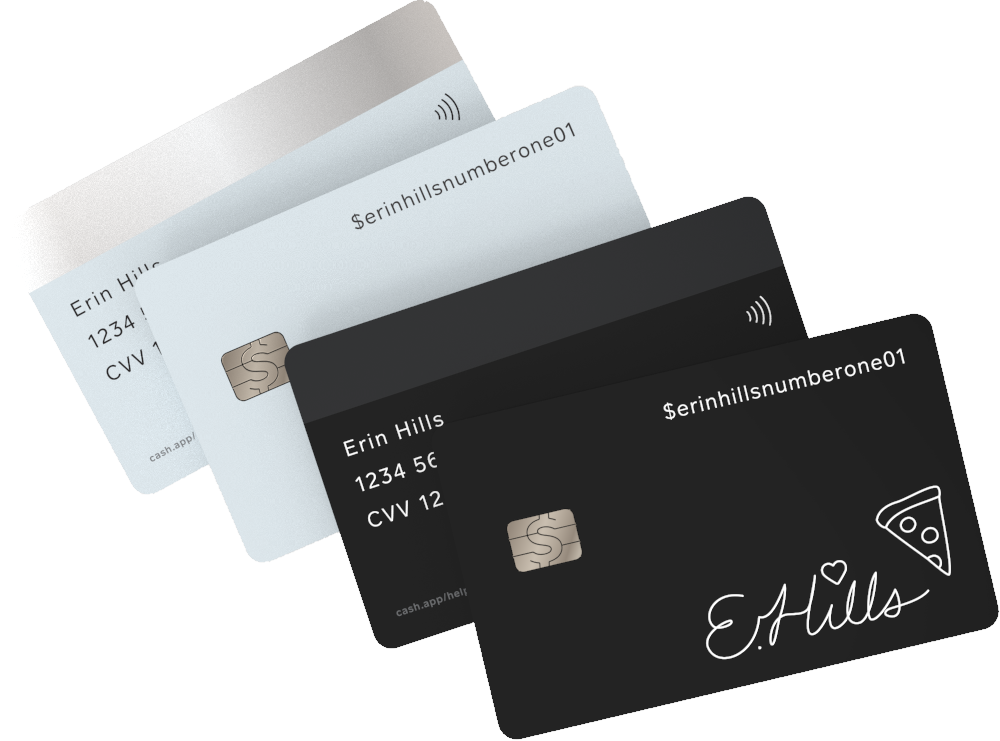
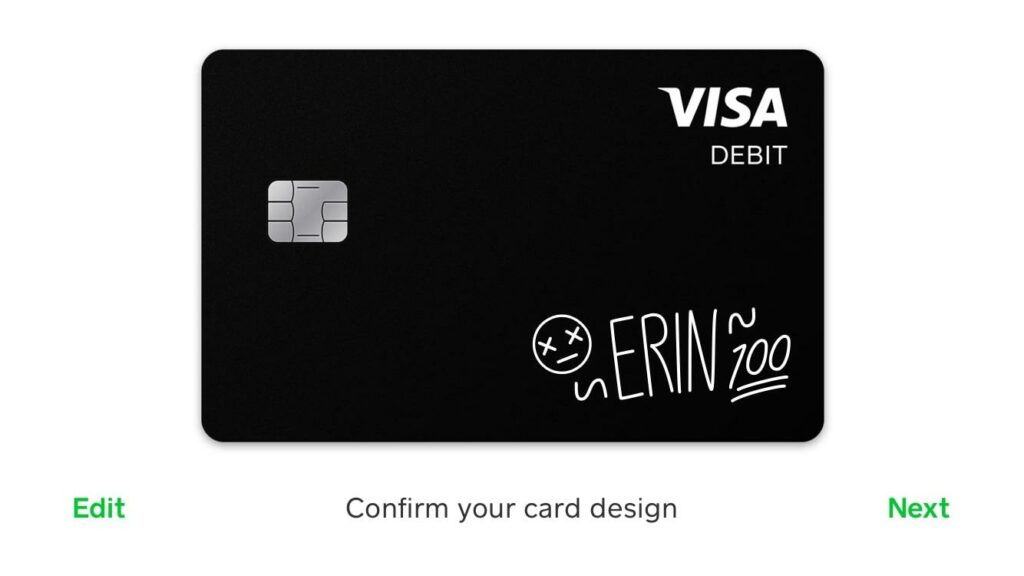
To obtain a Cash Card, a user must be at least 13 years old (with parental sponsorship for minors) and have a verified Cash App account. The ordering process is handled entirely within the app, emphasizing a digital-first approach. One of the most distinctive features of the Cash Card is its physical design. Users can customize their card by choosing colors, adding “stamps,” or even laser-etching their own handwriting or doodles onto the card’s surface. Once ordered, the physical card typically arrives within 10 business days, though a digital version of the card is often available immediately for online shopping and integration with mobile wallets like Apple Pay or Google Pay.
Funding the Card
The card’s utility is entirely dependent on the balance within the Cash App. There are several ways to fund this balance:
-
P2P Transfers: Receiving money from friends or family.
-
Linked Bank Accounts: Transferring funds from a traditional checking account.
-
Recurring Deposits: Setting up direct deposits for paychecks.
-
Paper Money Deposits: Depositing physical cash at participating retailers like Walgreens, 7-Eleven, or Walmart for a small fee.
By centralizing these funding sources, the Cash Card acts as a hub for a user’s liquid assets, making it a viable alternative to a traditional checking account for many individuals.
Maximizing Value through Cash App Boosts
Perhaps the most compelling financial incentive for using the Cash Card is the “Boost” program. Boosts are instant-rewards programs that allow users to save money or earn Bitcoin on everyday purchases at specific merchants.
How Boosts Function
Unlike traditional credit card rewards programs that require users to accumulate points over months and then redeem them through a complex portal, Boosts are applied in real-time. A user selects a specific Boost within the app—such as 5% off at a grocery store or 10% off at a coffee shop—and the discount is applied the moment the transaction occurs. Only one Boost can be active at a time, but they can be swapped as often as the user desires, provided they meet the specific requirements of the offer.
Strategic Financial Savings
From a personal finance perspective, the Boost program offers a high rate of return on “necessary” spending. For instance, many users utilize Boosts for recurring expenses like transportation or groceries. Because the savings are deducted instantly from the purchase price, the user retains more of their capital immediately, which can then be reallocated toward savings or investments. Furthermore, Cash App occasionally offers “Bitcoin Boosts,” where a percentage of a purchase is returned to the user in the form of Bitcoin, facilitating a low-friction entry into cryptocurrency investing.
Advanced Financial Integration: Beyond Basic Spending
The Cash App Card is more than just a payment method; it is a gateway to a broader suite of financial services that challenge the traditional banking model. For many, it serves as a primary vehicle for budgeting and wealth building.
Direct Deposit and Early Payday
By providing users with a dedicated routing and account number, Cash App allows for the direct deposit of paychecks. A significant financial advantage here is the “Early Payday” feature. Depending on the employer’s payroll provider, users may receive their funds up to two days earlier than they would at a traditional bank. This increased velocity of money can be a lifesaver for managing cash flow and avoiding late fees on bills.
Savings and Investing Synergy
The Cash Card is intrinsically linked to Cash App’s investing platform. Users can set up “Round Ups,” a feature that rounds up every purchase made with the Cash Card to the nearest dollar. The “spare change” is then automatically invested into a chosen stock or into Bitcoin. This form of micro-investing automates the process of wealth accumulation, turning every cup of coffee or grocery run into a long-term financial contribution.
ATM Access and Reimbursements
While the Cash App Card is primarily digital and plastic, it acknowledges the continued need for physical currency. The card can be used at any ATM. While Cash App typically charges a fee for ATM withdrawals, these fees (and the fees charged by the ATM operator) are often reimbursed for users who receive at least $300 in direct deposits per month. This makes the Cash Card a highly competitive option for those who want the flexibility of a digital wallet without the overhead of traditional ATM fees.
Security Protocols and Financial Safety
In the digital age, security is a paramount concern for any financial tool. The Cash App Card incorporates several layers of protection to ensure that user funds remain secure, even in the event of a lost card or an attempted unauthorized transaction.
Real-Time Control and Notifications
The primary line of defense is the “Card Lock” feature. Through the app, a user can instantly disable their card if it is misplaced, preventing any further transactions. If the card is found, it can be toggled back on just as easily. Additionally, the app sends push notifications for every transaction, allowing users to monitor their spending in real-time and immediately identify any fraudulent activity.
FDIC Insurance and Regulatory Oversight
A common question regarding fintech tools is the safety of the underlying funds. For users who have a Cash Card, the balance in their Cash App is covered by FDIC insurance through partner banks (Sutton Bank or Wells Fargo). This insurance covers up to $250,000, providing the same level of protection one would expect from a traditional high-street bank. This regulatory backing is a crucial component of the card’s legitimacy as a serious financial tool.
Biometric and Multi-Factor Authentication
Beyond the physical card, the app itself is protected by biometric locks (FaceID or TouchID) and PIN requirements. Every time a user attempts to view their card details or change their Boost, the app requires authentication, ensuring that even if a phone is stolen, the financial data remains encrypted and inaccessible.
Fees, Limits, and Operational Nuances
To use the Cash App Card effectively, one must be aware of the operational boundaries and costs associated with the service. Transparency regarding fees and limits is a hallmark of modern financial tools, and the Cash Card is no exception.
Understanding the Fee Structure
The Cash App Card is remarkably low-cost for the average user. There are no monthly maintenance fees, no inactivity fees, and no fees to order the standard card. However, specific actions do incur costs:
-
Instant Transfers: While moving money from the Cash App to a linked bank account is free via the “Standard” method (1-3 days), an “Instant” transfer incurs a small percentage-based fee.
-
ATM Fees: As mentioned, a $2.50 fee is charged by Cash App for ATM withdrawals unless the direct deposit criteria are met.
-
International Transactions: While the card works internationally, it may be subject to Visa’s foreign exchange rates and potential transaction fees.
Spending and Withdrawal Limits
To mitigate risk and comply with financial regulations, Cash App imposes certain limits on card usage. Generally, these include:
-
Transaction Limits: A maximum of $7,000 per transaction and per day.
-
Weekly/Monthly Limits: A rolling limit of $10,000 per week and $15,000 per month.
-
ATM Limits: Typically capped at $1,000 per transaction or per day.
These limits are usually more than sufficient for the average consumer, but they are important to keep in mind for larger purchases or during travel.
Conclusion: The Future of Personal Liquidity
The Cash App Card represents a significant shift in how individuals interact with their money. By combining the ease of a mobile app with the utility of a physical Visa card, it offers a level of flexibility that traditional banks often struggle to match. Whether it is through the immediate gratification of the Boost program, the seamless integration of micro-investing, or the robust security of FDIC-insured balances, the Cash Card provides a comprehensive ecosystem for modern financial management.
As the distinction between “banking” and “payment apps” continues to blur, the Cash App Card stands as a primary example of how financial tools can be both user-centric and highly functional. For the savvy consumer, it is not just a piece of plastic; it is a strategic asset for navigating the complexities of the modern economy.
aViewFromTheCave is a participant in the Amazon Services LLC Associates Program, an affiliate advertising program designed to provide a means for sites to earn advertising fees by advertising and linking to Amazon.com. Amazon, the Amazon logo, AmazonSupply, and the AmazonSupply logo are trademarks of Amazon.com, Inc. or its affiliates. As an Amazon Associate we earn affiliate commissions from qualifying purchases.